

Statistics show 50% of reservists’ spouses experience marital troubles in ongoing war
First state report on families of reservists finds 63% of spouses see a negative change in their children’s mental state if parents serve more than 200 days
 Add ToI as a Preferred Source on Google
Reporter at The Times of Israel
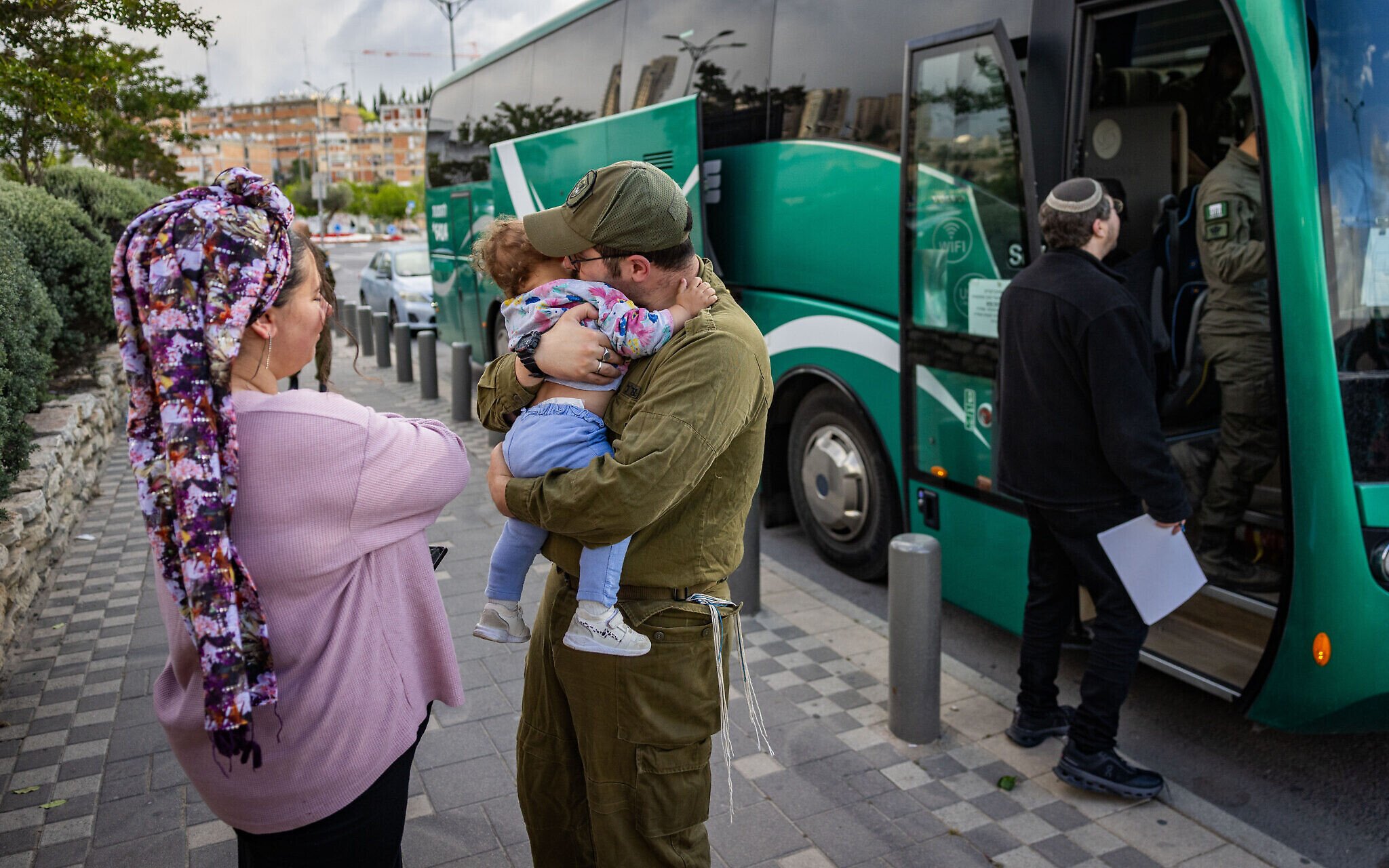
The ongoing war with Hamas and other terror groups has taken a toll on spouses and children of reserve duty soldiers, the Central Bureau of Statistics said on Sunday, in its first report on the impact of reserve duty on families.
The war began on October 7, 2023, when thousands of Hamas-led terrorists stormed southern Israel and killed 1,200 people, amid rampant acts of brutality, and kidnapped 251, mostly civilians, into Gaza.
In the north, after Hezbollah terrorists began firing rockets at northern Israel on October 8, 2023, in solidarity with Hamas, some 60,000 residents of 32 northern communities were evacuated. That war ended with a ceasefire on November 27, 2024.
The war in Gaza is ongoing, and some reserve soldiers have spent the greater part of the last two years fighting on different fronts.
The CBS report found that 50 percent of those married to reserve soldiers said that their marital relationship was damaged as a result of their spouses’ military service.
About 30% admitted that the damage led to thoughts of separation or divorce.
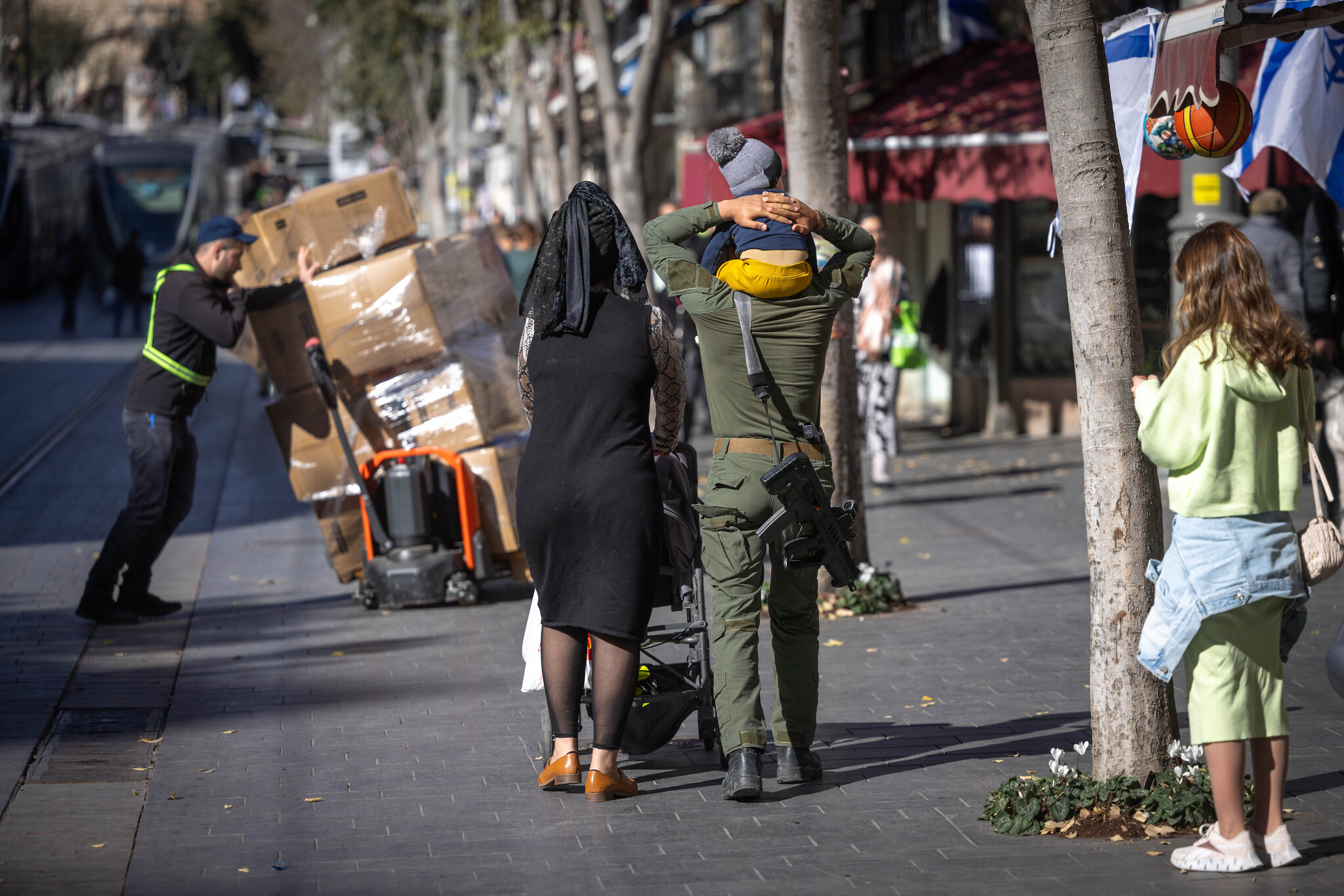
Of the spouses married to reservists serving up to 50 days, 36% reported harm to their relationship. For spouses who served 200-350 days, that figure spiked to 57%.
The negative impact on children
Concerning children under the age of 21, 52% of the spouses said they saw a negative change in their children’s mental state following the spouse’s reserve duty. For those whose spouses served between 200-250 days, 63% reported a negative change in their children’s mental state.
Following reserve duty, 61% of the spouses of reserve soldiers said that they needed some kind of assistance. Of these, 55% needed psychological or emotional care, and 38% needed financial assistance.
Following their partners’ reserve service, 35% of the couples sought psychological help, and 68% of the spouses of those serving in the ground forces said that they sought psychological assistance from a private source.
The longer the reserve service, the higher the percentage of spouses seeking psychological care.
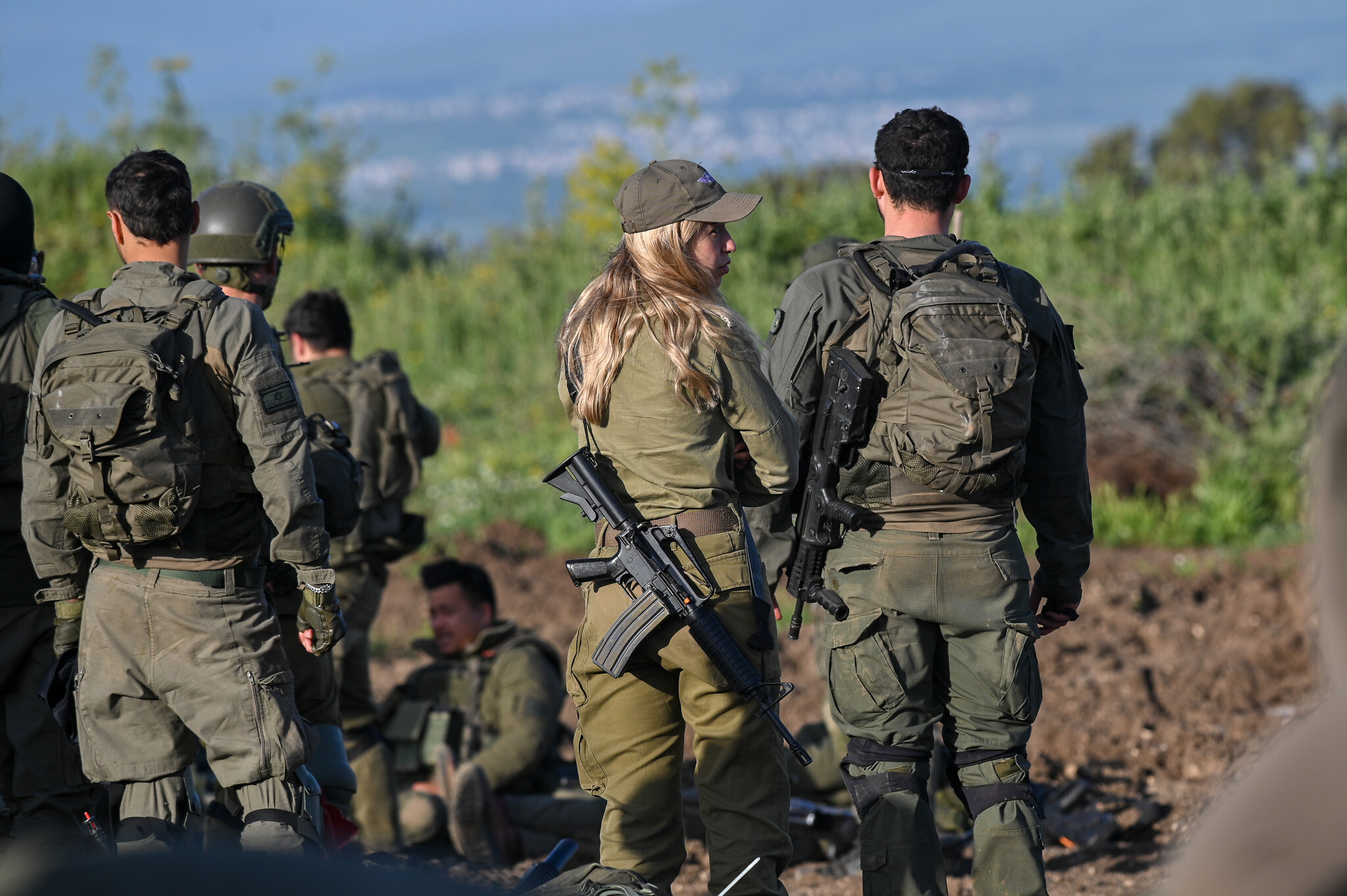
Of the couples who sought help, 75% relied on family members or friends. Among religious families, 83% were helped by family members or friends; 74% of secular families and 64% of ultra-Orthodox families received assistance from family members or friends.
The report also found that 30% of the couples reported receiving assistance from the IDF and 23% from their local authority.
Of those whose spouses served more than 250 days, 37% reported that they received assistance from the IDF, compared to 20% among the spouses of those serving for up to 50 days.
In addition, 87% of the couples received the payments they were due from the National Insurance Institute — 68% in full and 19% in part.
A military spokesperson told the Hebrew news outlet Ynet that the IDF was “aware of the difficulties that arise among servicemen and their families following reserve service and is working in a wide range of areas to optimize the use of manpower and provide a wide range of assistance for them and their families.”
“The IDF will continue to act with the aim of formulating additional solutions to benefit reserve service members and their families,” the spokesperson said.





The Times of Israel Community.