

Study finds ‘consistent recovery’ in Likud’s prospects as voters return to PM’s party
As of December 2024, 54% of voters of Netanyahu’s ruling party planned on supporting it in the next election, according to Israel Democracy Institute
 Add ToI as a Preferred Source on Google
Sam Sokol is a former political correspondent at The Times of Israel. He was previously a reporter for the Jerusalem Post, Jewish Telegraphic Agency and Haaretz. He is the author of "Putin’s Hybrid War and the Jews"
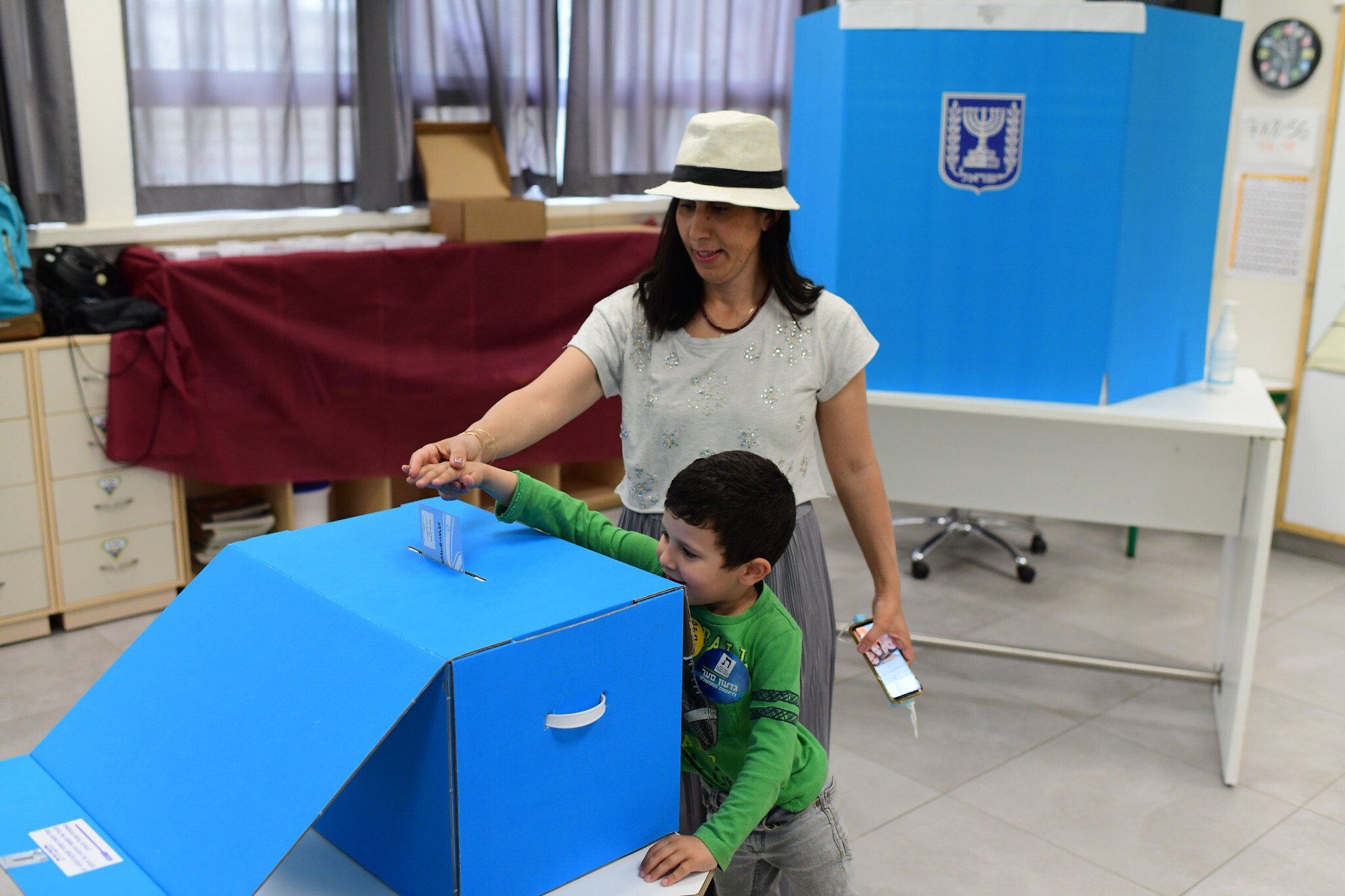
Over half of the people who voted for Prime Minister Benjamin Netanyahu’s ruling Likud party in 2022 would do so again as of December 2024, marking “a gradual and consistent recovery” in the party’s prospects over the course of the past year, a new report by the Israel Democracy Institute found.
According to the Jerusalem-based think tank, as of the end of last year, 54 percent of Likud voters planned on supporting the party in the next election — a significant improvement over “the moving average of repeat voter share” of 40% it had since the beginning of 2024.
In the report issued last week, the IDI analyzed voter data collected in a series of monthly polls between February and December which correlated changing voter preferences with the parties for which respondents had previously cast ballots.
Likud was hit hard in the polls by the October 7, 2023, Hamas onslaught in Israel, which occurred under the watch of Netanyahu, who had for years presented himself as the only leader who would guarantee the country’s security, while leading a strategy regarding Gaza that collapsed that day.
“Up to August, the moving average of repeat voter share was below 40%, but over the subsequent months, perhaps as a result of the military successes in Lebanon and greater security stability, there was a significant increase in the share of Likud voters who said they would vote for the party again, up to 54% in December,” the study said.
“Among those who did not express an intention to vote for the Likud again, there was a particularly high proportion who either declined to respond or said they don’t know which party they would vote for (26%),” it stated — adding that at the moment, “there are no other parties that attract large numbers of Likud voters.”
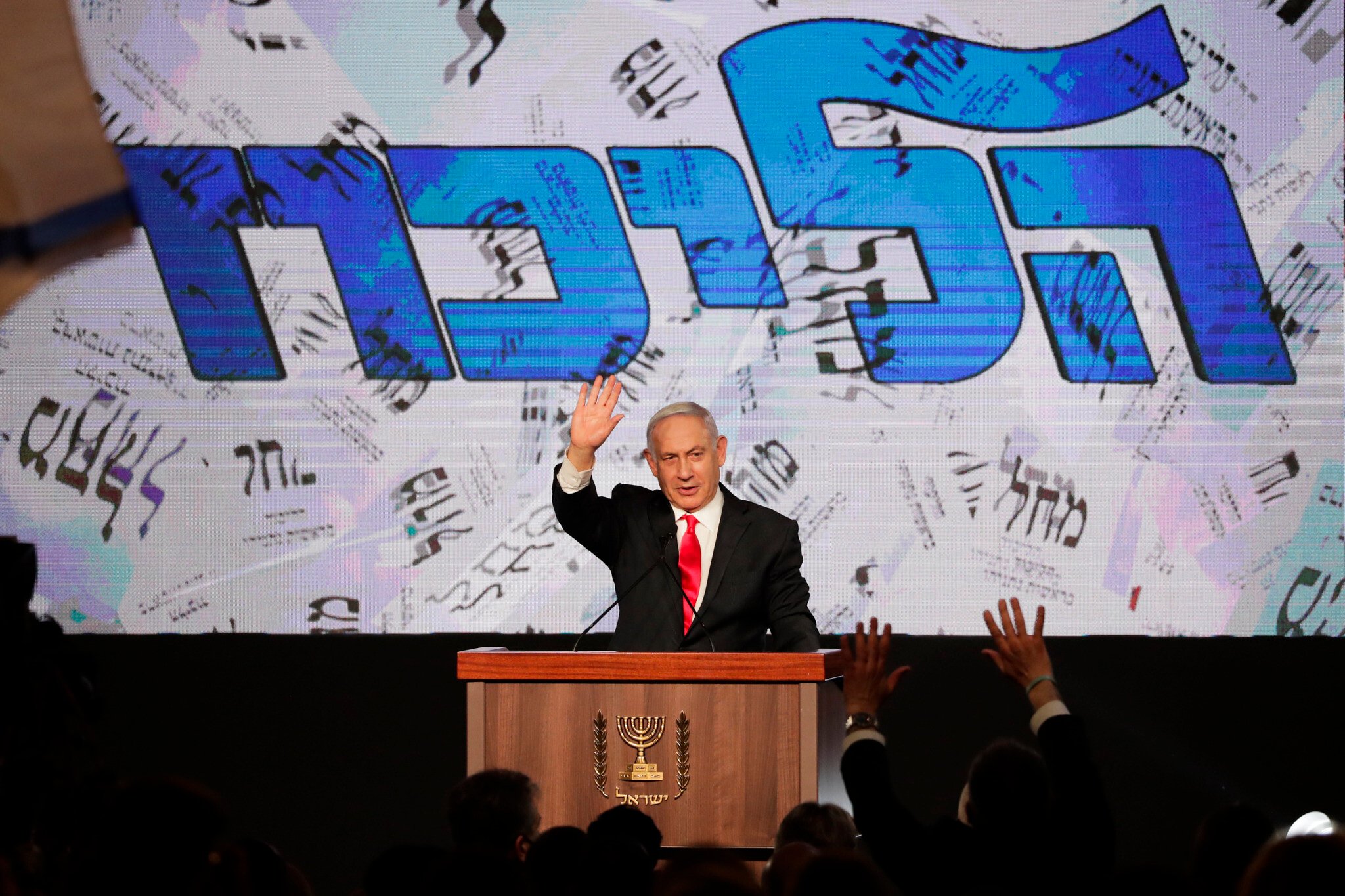
According to IDI, only 2% and 3% of 2022 Likud voters have been attracted by the centrist National Unity and far-right Otzma Yehudit, respectively.
After experiencing a “considerable decline in repeat voter share during the summer months,” both Finance Minister Bezalel Smotrich’s Religious Zionism and former national security minister Itamar Ben Gvir’s Otzma Yehudit have also begun to rebound, rising to 63% in December.
However, among those who voted for the two parties’ combined list in 2022, 11% more will vote for Otzma Yehudit than for Religious Zionism.
Support for the ultra-Orthodox Shas and United Torah Judaism among their former voters remained relatively high compared to other parties, although Shas lagged behind UTJ’s 84% at only 68%. As of December, 21% of former Shas voters were still undecided, with another 8% stating that they intended to vote for Likud.
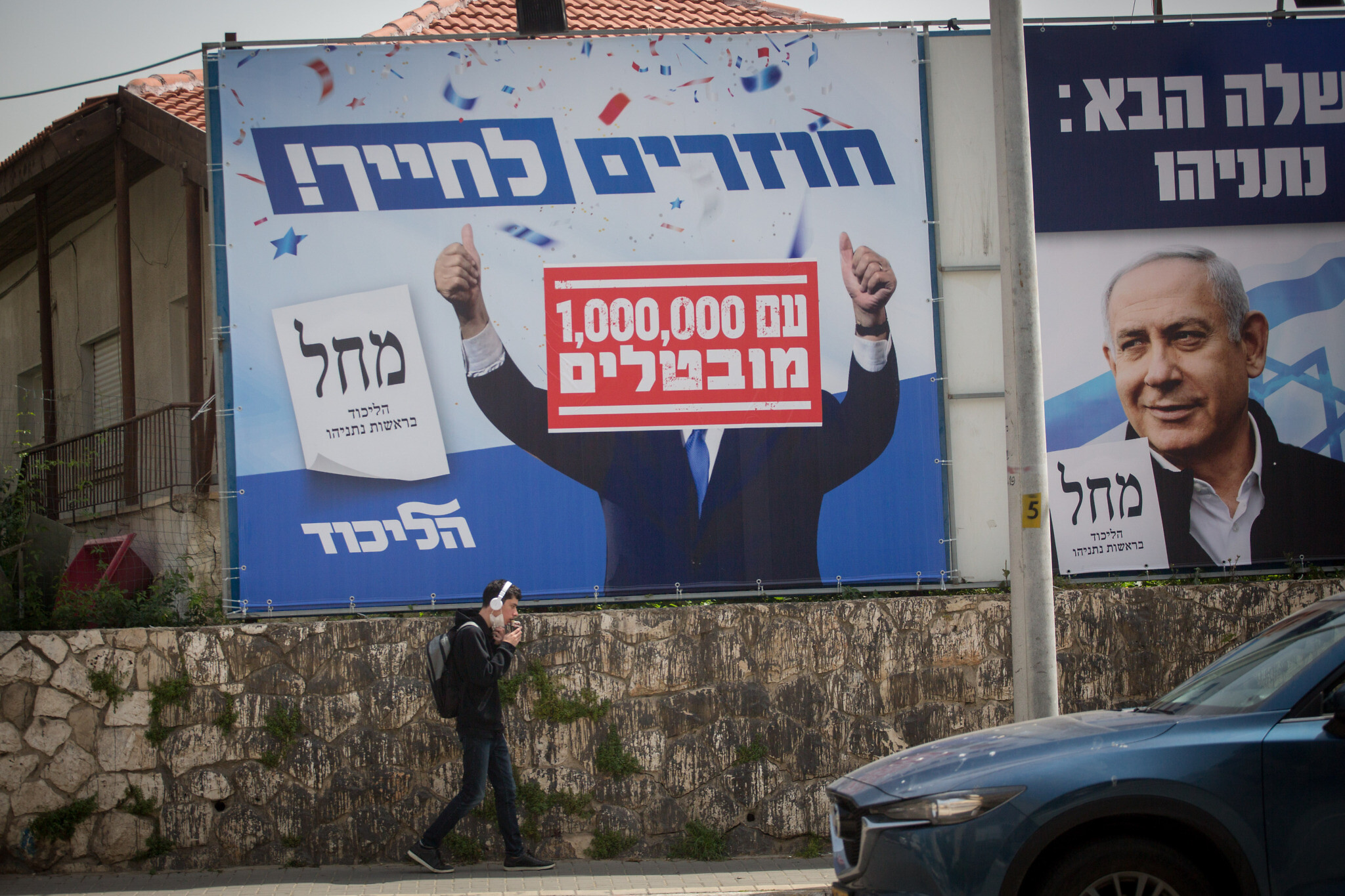
Benny Gantz’s National Unity experienced a clear downward trend over the course of the past year, going from a 70% repeat voter share in April to 34% in December, with voters indicating that they would either vote for Avigdor Liberman’s Yisrael Beytenu or a new right-wing party.
Former prime minister Naftali Bennett is widely expected to return to politics, establishing a new right-wing party to run in the next election.
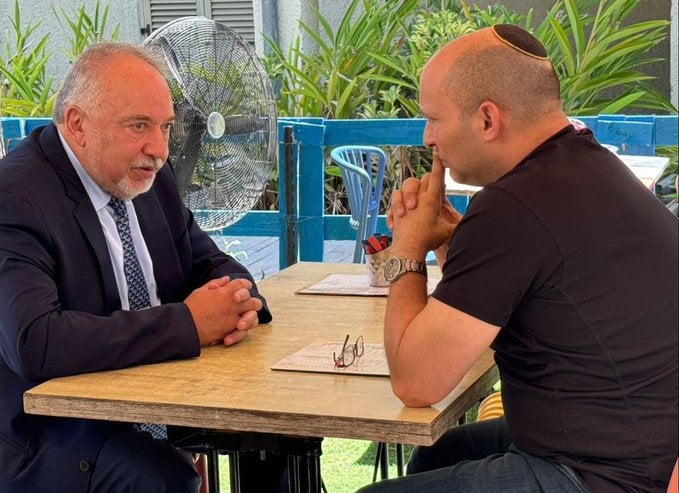
Yisrael Beytenu’s repeat voter share has “been highly inconsistent,” the IDI found, reporting 65% in April, 78% in June and 52% in December.
Opposition Leader Yair Lapid’s Yesh Atid party has stayed steady at about 30% repeat voter share, with 15.5% and 9% of Yesh Atid voters in December expressing their intent to vote for National Unity and Yair Golan’s left-wing The Democrats, respectively.
The Democrats, meanwhile, “attracts mainly former Meretz voters, but is struggling to attract Labor voters,” IDI found, with support “more common among far-left voters, while those identified with the moderate left are less inclined to vote for it.”
Nearly 40% of potential voters for The Democrats — a rebranded merger of Labor and Meretz — “are unsure for whom to vote and did not express a preference for any party,” the study found, adding that at the end of last year, “just under half of Labor voters and just over half of Meretz voters in the last elections expressed an intention to vote for The Democrats.”

Opinion polls have generally indicated that the parties that make up Netanyahu’s current coalition would lose a significant share of their support were elections held now. The coalition won 64 seats in the 120-member Knesset in the November 2022 elections, fell to the mid-40s in surveys after October 7, but has risen in the polls to over 50 as the war progressed.
Elections are not scheduled until late 2026, and the coalition has held firm despite numerous calls for a national vote in the aftermath of the worst security failure in Israel’s history.
Times of Israel staff contributed to this report.










The Times of Israel Community.