

ToI poll: Gadi Eisenkot could lead anti-Netanyahu bloc, but it lacks majority
Survey shows current opposition bloc winning 57 seats across various scenarios, needing Islamist Ra’am to get it past 60 in 120-seat Knesset, as Likud maintains post-Iran war gains
 Add ToI as a Preferred Source on Google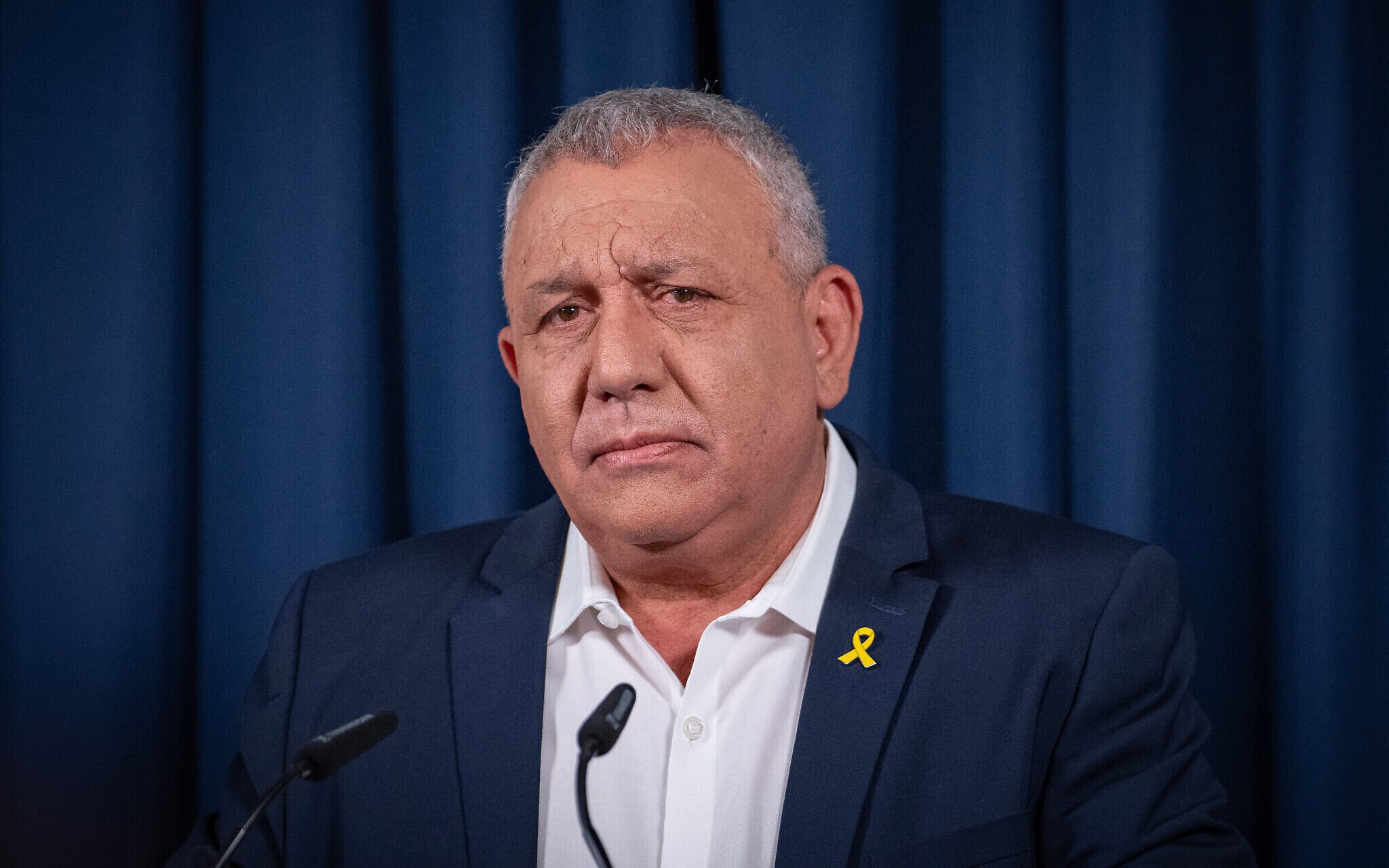
A poll conducted for The Times of Israel on Thursday, amid shake-ups in Israel’s opposition, found that if ex-MK Gadi Eisenkot led a merger of the Yesh Atid and The Democrats parties, his new faction would become the second-largest in the Knesset, nearly equal to Prime Minister Benjamin Netanyahu’s Likud.
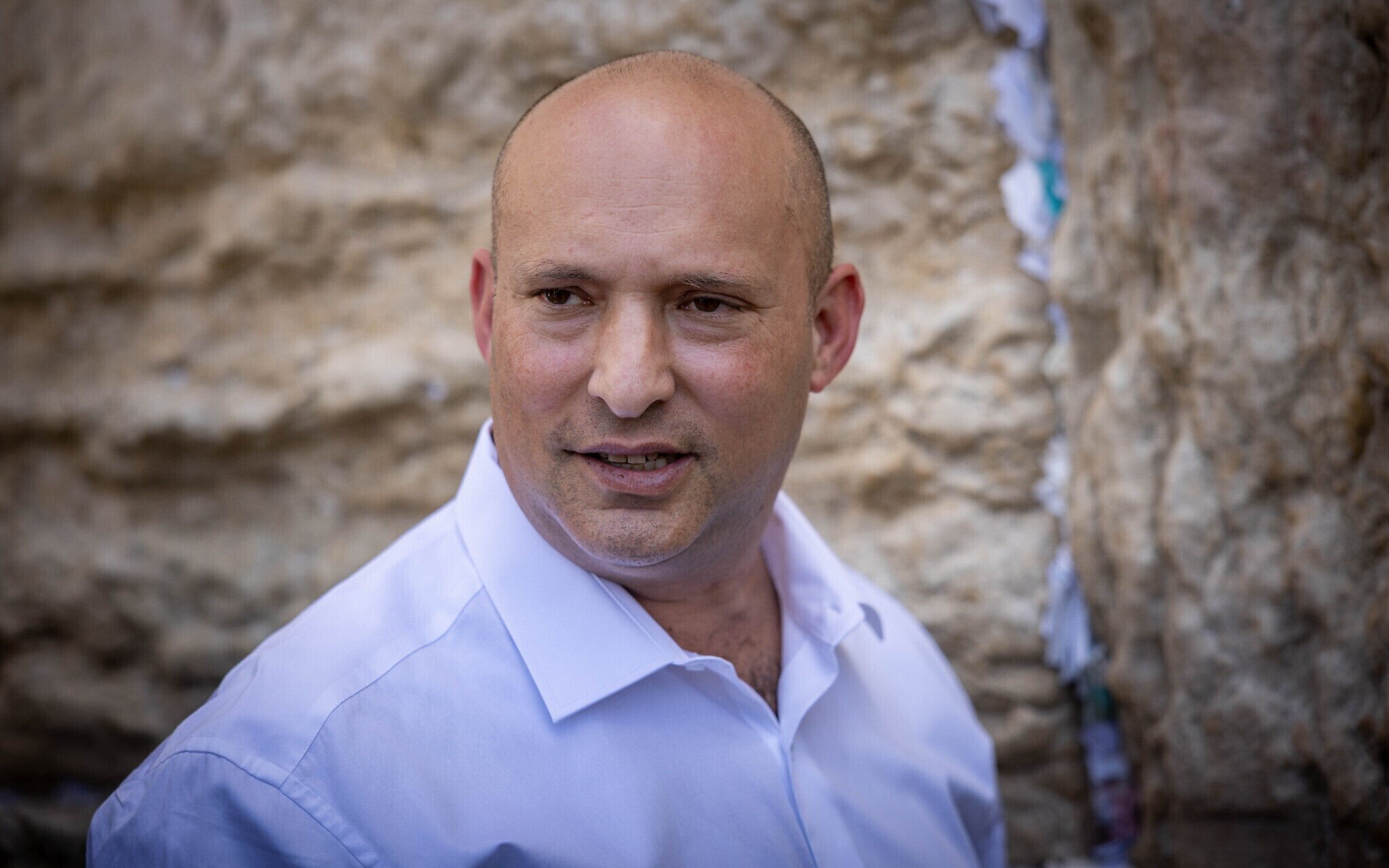
In that scenario, Eisenkot could surpass former premier Naftali Bennett as the projected leader of the anti-Netanyahu bloc; in all other scenarios, however, Bennett’s new party — as-yet unnamed — remains the bloc’s largest, and remains the second largest party overall, behind Likud, the poll found.
In line with other surveys conducted after Israel’s 12-day war with Iran, the poll shows Netanyahu’s coalition with a blocking majority — meaning that while it could not form a government if elections were held today, it could prevent the other parties from doing so, unless they partner with an Arab party.
Eisenkot, who had been No. 2 in Benny Gantz’s National Unity party, resigned from the Knesset late last month with the apparent intention of finding a new political home ahead of the next national election.
If Yesh Atid and The Democrats join forces with Eisenkot, the combined party would secure 27 mandates, according to the new poll.
This option does not significantly drain votes from Likud, merely reducing Netanyahu’s party from 32 to 31 mandates.
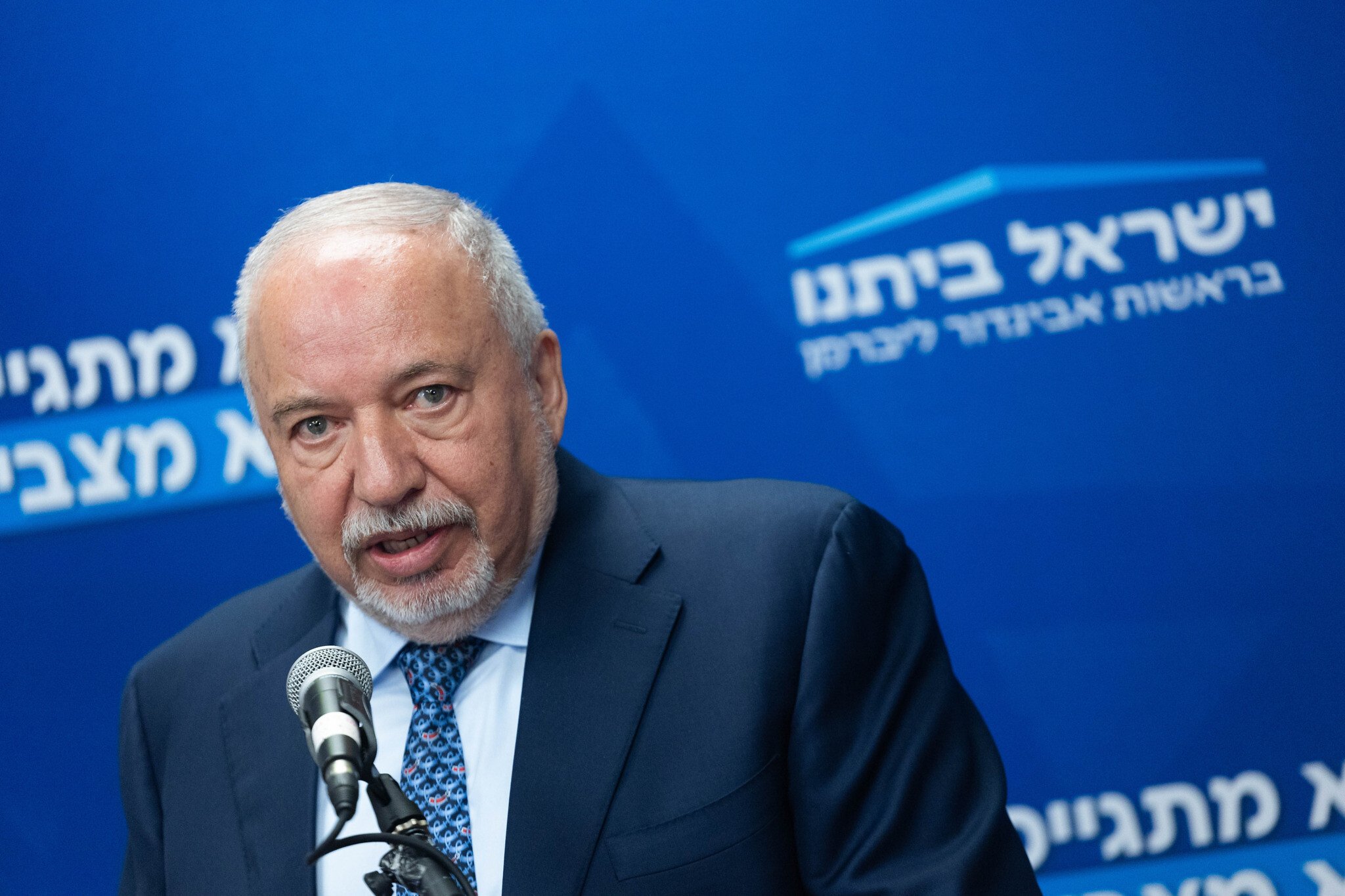
A merger between Eisenkot and Avigdor Liberman’s hawkish Yisrael Beytenu party, meanwhile, would boost Liberman’s tally, bringing him to 16 mandates.
On the other hand, were Eisenkot to run independently, he would garner only 5 mandates, teetering on the threshold of the electoral minimum.
Gantz’s Blue and White – National Unity party (whose name was extended after Eisenkot’s departure) is on the verge of failing to pass the electoral threshold in all scenarios.
Were a merger to occur within the center-left bloc, Blue and White would not make it past the minimum.
The Thursday poll indicates the balance between the pro- and anti-Netanyahu blocs remaining intact across different partnerships, with the current coalition consistently reaching 53 mandates, and the opposition reaching 57, with the other 10 in the hands of the Arab factions.
In only one scenario would the opposition parties reach 58 mandates, with the Arab factions securing 9.
It comes as Bennett has long been considered the likely leader of the anti-Netanyahu bloc. As premier, he led a coalition that included the Islamist Ra’am party — though he has said, amid his expected return to politics, that he would only include “Zionist” parties in his next government, seemingly excluding Arab as well as some ultra-Orthodox parties.
The new results indicate that Netanyahu — though still behind the current opposition — holds a blocking majority.
Recent surveys showed the anti-Netanyahu bloc close to a majority — sometimes reaching one together with Ra’am, sometimes reaching one without any Arab parties — depending on party politics.
Likud has risen in polls after Israel’s 12-day war with Iran last month, which saw Israel bombard sites connected to the Islamic Republic’s nuclear and ballistic missile programs, which Jerusalem deemed an imminent, existential threat.
Israel’s next general election is due in October 2026, but may be called earlier if the current coalition collapses.
The Thursday poll was conducted by political consultant Yossi Tatika of “Tatika Research and Media.” It surveyed 404 Jewish and Arab respondents. The margin of error is 4.8%. It was broken down by age, religion, gender, and residential region in Israel.









The Times of Israel Community.