

Ultra-Orthodox UTJ threatens to torpedo ‘Greater Jerusalem’ bill
Party heads said to fear planned expansion of municipal borders will dilute religious voting power and lessen chance of controlling city hall
 Add ToI as a Preferred Source on Google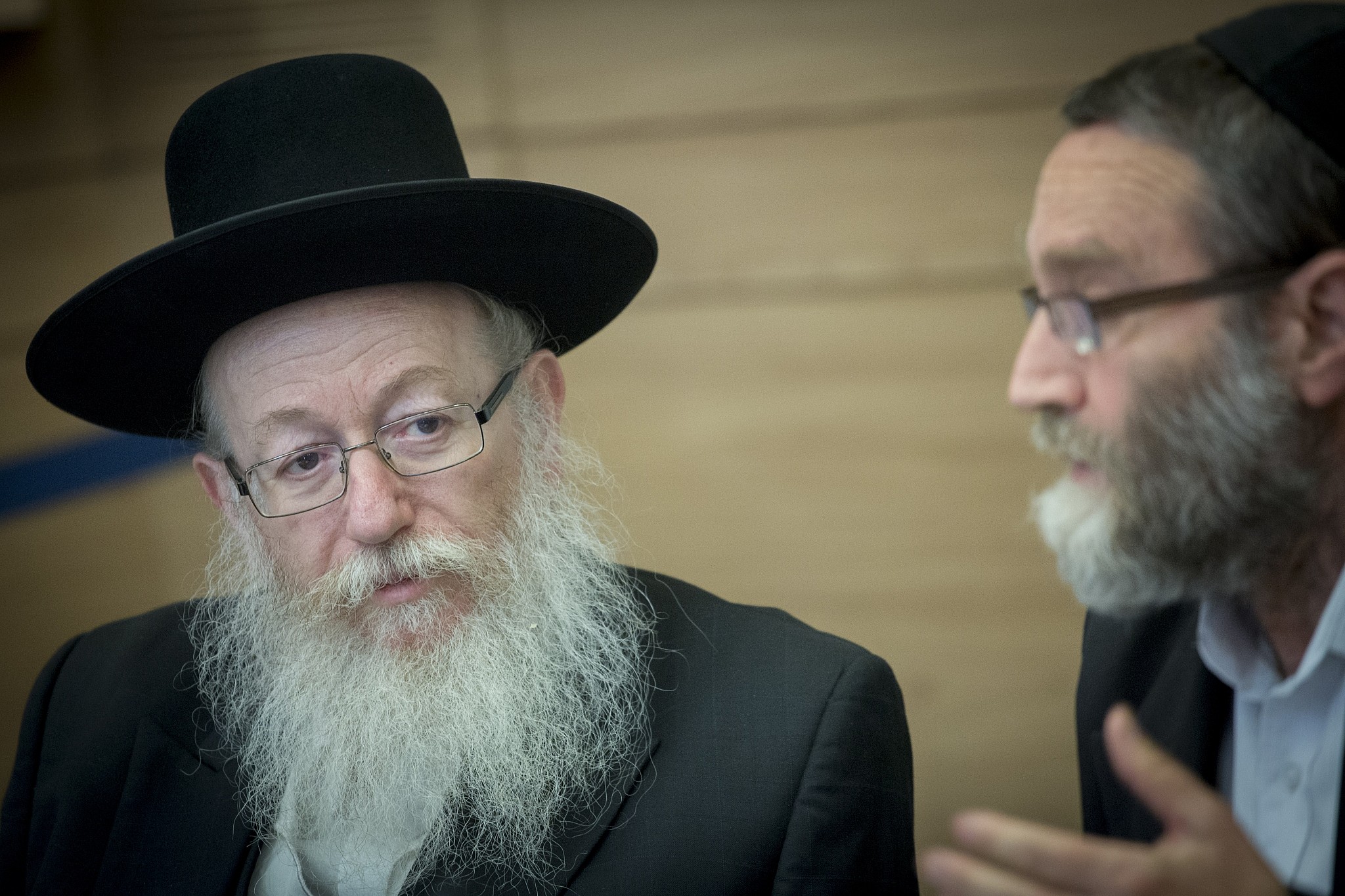
The ultra-Orthodox United Torah Judaism party threatened to torpedo the “Greater Jerusalem” bill for fear that expanding the city borders will make it less likely the capital will have an ultra-Orthodox mayor.
Heath Minister Yaakov Litzman and MK Moshe Gafni told Israel Radio that they will oppose the legislation, slated to be voted on by the Ministerial Committee for Legislation on Sunday.
The report said the ultra-Orthodox faction is concerned that by expanding the borders of Jerusalem, the percentage of religious people in the capital will be diluted, making it less likely they will control city hall.
Jerusalem had an ultra-Orthodox mayor, Uri Lupolianski, from 2003 to 2008.
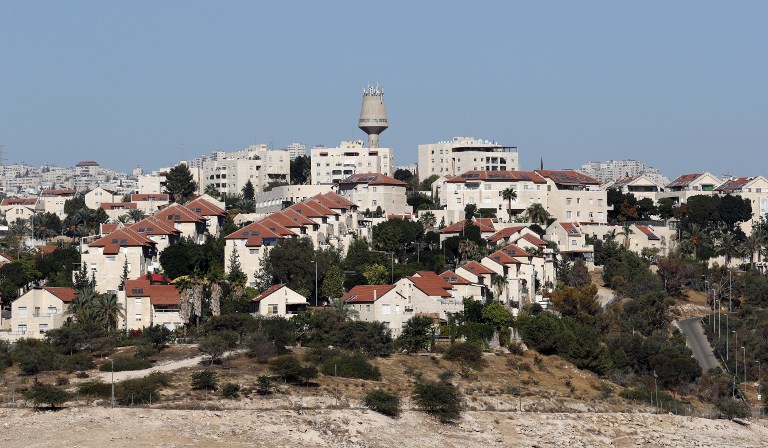
The proposed bill calls for expanding the Jerusalem municipal boundaries to include four major settlements and a settlement bloc in the West Bank that are home to more than 100,000 Israelis.
[mappress mapid=”6190″]
Prime Minister Benjamin Netanyahu has already indicated that he will give his backing for the proposal to absorb Ma’ale Adumim, Beitar Illit and Efrat, along with the Etzion bloc of settlements, into the Jerusalem municipality.
Under the same proposal, some 100,000 Palestinians living in neighborhoods outside the security barrier would be removed from the city’s census and given a new municipality.
The move would significantly bolster Jerusalem’s Jewish majority and “bring back Jerusalem’s status as a symbol,” according to the proposal’s preamble. Residents of the settlements in question would maintain municipal autonomy through independent regional councils. They would vote in four local elections: for Jerusalem mayor and council, as well as for the heads and members of their own regional and local councils.
Israel captured East Jerusalem, the Old City and the West Bank from Jordan in 1967, and extended sovereignty to the Old City and East Jerusalem in 1980, in a move never recognized by the international community.
Most countries also consider the West Bank settlements illegal under international law, as well as the formal annexation of land seized during war. Israel officially maintains that the settlements are not illegal, because the land is disputed rather than occupied.
Israeli leaders on the left and the right maintain that the largest settlement blocs in the West Bank will become part of Israel via land swaps under any future peace deal.




The Times of Israel Community.