

US hosts forum in Qatar on international Gaza force, with Turkey left out
Over 45 countries, from major European and Middle Eastern powers to tiny states, convene in Doha, as proposed stabilization force continues to faces major challenges
 Add ToI as a Preferred Source on Google
Lazar Berman is The Times of Israel's diplomatic reporter
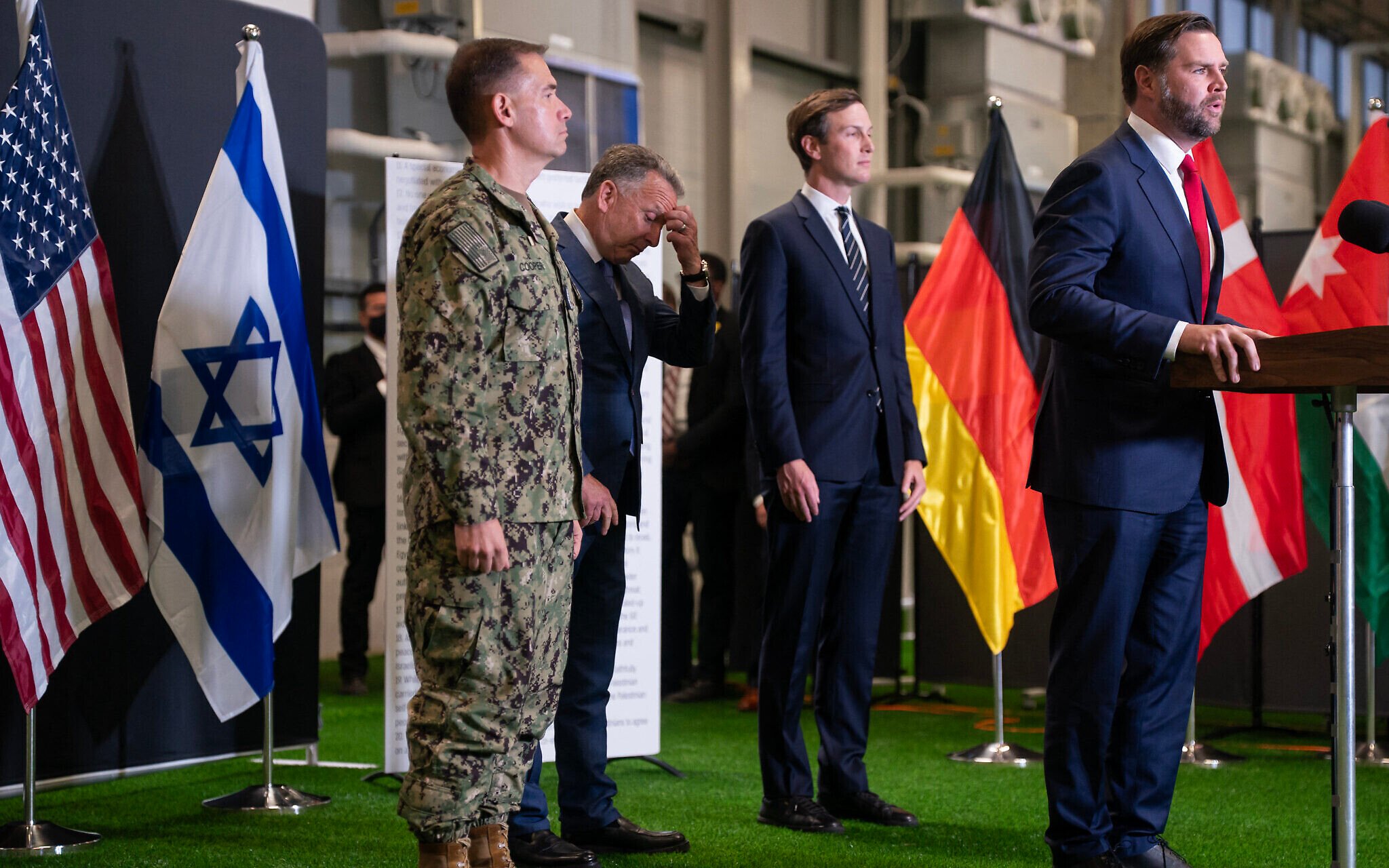
The United States Central Command is hosting a conference in Qatar on Tuesday with dozens of partner nations to discuss plans for an International Stabilization Force for the Gaza Strip.
Two US officials told Reuters that the conference will include sessions on the command structure and other unresolved issues relating to the force.
Egypt, Indonesia, Qatar, Jordan, the UAE, Italy, France, the UK, and Azerbaijan are among the attendees, an Arab official told The Times of Israel.
Over 45 countries are attending, but Turkey, a powerful regional rival of Israel and backer of Hamas, was not invited to the gathering, a European diplomat told The Times of Israel.
Qatar and Turkey were both pressuring the White House to allow Ankara’s participation, according to the Haaretz daily.
According to the European official, other countries at the summit include Cyprus, Georgia, Canada, Germany, Netherlands, Jordan, Japan, Greece, Singapore, the EU, Saudi Arabia, Poland, Hungary, Bulgaria, Pakistan, Uzbekistan, Kuwait, Morocco, Bahrain, Bosnia, Finland, Kosovo, Kazakhstan, Indonesia, Spain, and Yemen.
According to the European official, the agenda included a presentation by a senior US officer on the American goals for the force, and a proposed mission for the force.
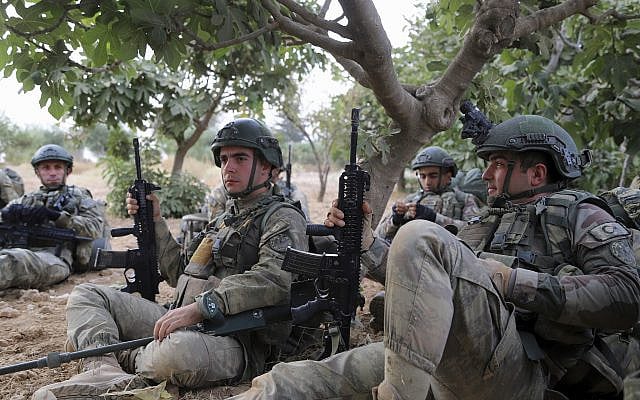
The discussion was a continuation of a recent meeting in Washington, DC, said the official.
The countries at the conference were each asked to say whether they were interested in joining the force, and whether they would go as far as confirming their participation, said the European official.
The forum also discussed next steps, including a follow-up meeting of military chiefs of staff in January. The location of that meeting is not yet known.
There is still “no clear answer” on the force’s mandate, and whether it will be involved in disarming Hamas, said the European official.
The US State Department sent formal requests to over 70 countries asking for troops or money for the emerging international security force it hopes will keep order in Gaza, an endeavor that has so far struggled to get off the ground, The Wall Street Journal reported on Saturday.
The requests noted that Middle Eastern countries, including the United Arab Emirates and Saudi Arabia, were already working with the US to secure funding for the deployment of troops to Gaza.
A US official told The Journal that 19 of the 70 countries approached have responded with willingness to assist, including by providing troops, logistical support, or equipment.
The outlet noted that the countries in talks with the US to send troops have stipulated that they will only do so if they are deployed solely within Israeli-controlled areas — behind the so-called Yellow Line that marks the boundary of the roughly 53% of Gaza still controlled by the IDF.
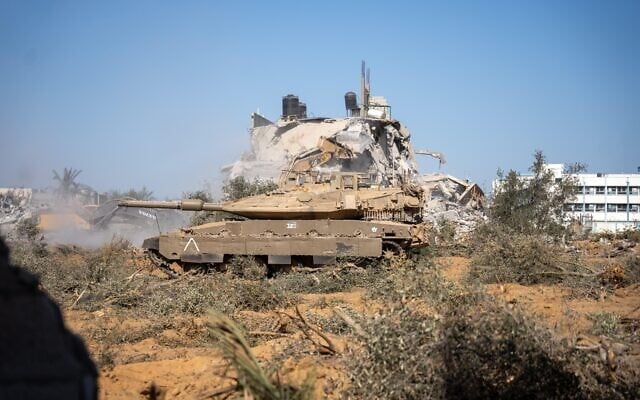
But the US would appear to be dissatisfied with this, as the report alleged that it is still pushing them to agree to operate in the Hamas-controlled “red zone” of the war-torn enclave.
Disagreements over second phase
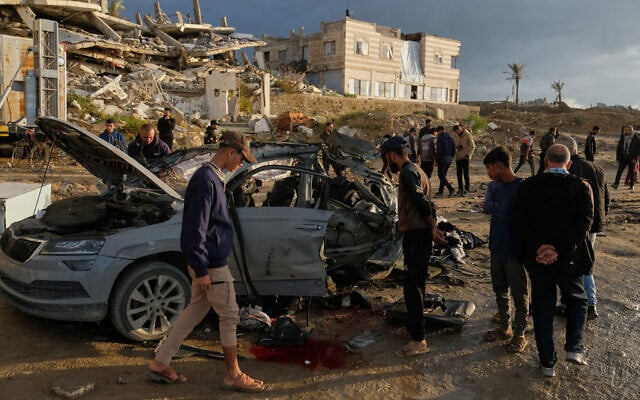
The Doha conference comes amid public disagreement between Jerusalem and Washington over the terms of the ongoing ceasefire. Trump on Monday said Washington was “looking into” whether Israel violated the Gaza ceasefire with the strike that killed senior Hamas commander Raed Saad over the weekend.
Trump denied any rift in his relationship with Netanyahu and Israel more broadly, after Axios quoted US officials saying the White House sent a stiff rebuke to the Israeli premier over the assassination, alleging it violated the ceasefire.
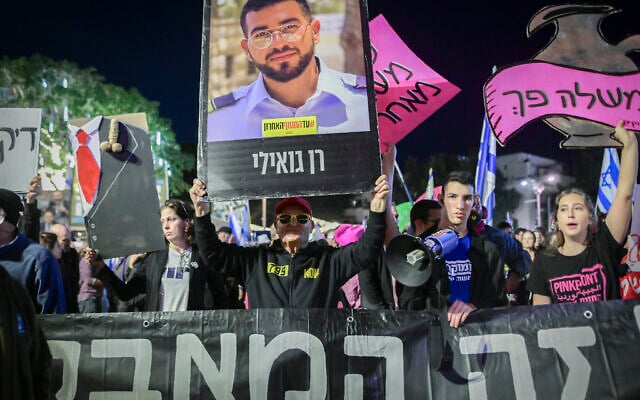
Israel fears Washington may push to advance to the next phase of the ceasefire even if the body of Master Sgt. Ran Gvili, the last deceased hostage held in Gaza, is not returned, and before a clear operational plan is established for Hamas’s disarmament, the Ynet news site reported last week.
The second phase of the plan envisions Hamas disarming and Israel withdrawing as a multinational force deploys across the Strip and a Palestinian technocratic body begins managing Gaza’s day-to-day affairs. Asked by reporters Monday when the ISF will begin operating in Gaza, Trump claimed that “in a form, it’s already running.”
“More and more countries are coming into it. They’re already in, but they’ll send any number of troops that I ask them to send.”

Deployment of the force is a key part of the next phase of Trump’s Gaza peace plan. Under the first phase, a fragile ceasefire in the two-year war began on October 10, with Hamas releasing hostages and Israel freeing detained Palestinians.
A UN Security Council resolution adopted on November 17 authorized a Board of Peace and countries working with it to establish the ISF. Trump said last week that an announcement on which world leaders will serve on the Board of Peace will be made early next year.
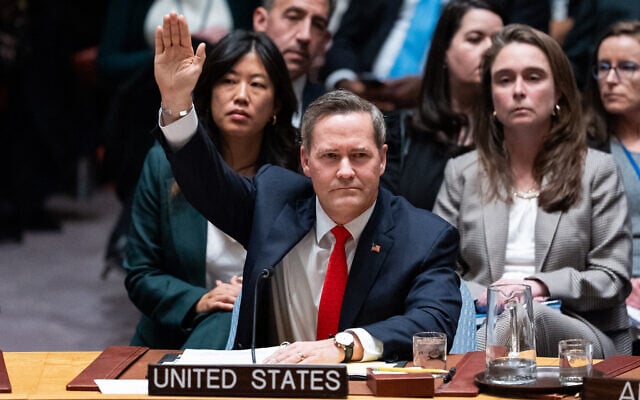
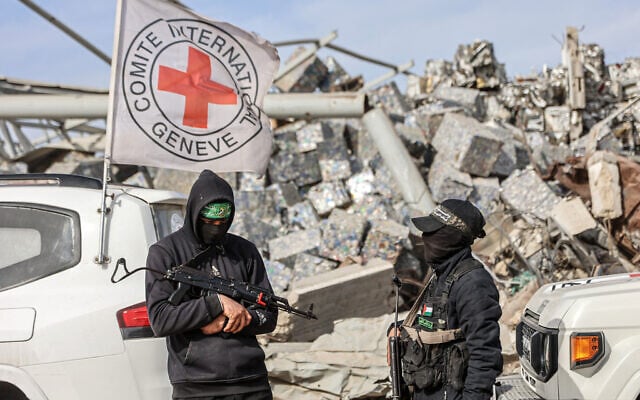
It is still not clear, however, how Hamas will be made to disarm and hand over control to the ISF. Hamas has said the issue of disarmament has not been discussed with it formally by the mediators — the US, Egypt and Qatar — and the terror group’s stance remains that it will not disarm until a Palestinian state is established.
But The Journal said that, contrary to its claims, Hamas has quietly informed Egypt that it is willing to decommission its heavy weapons under Cairo’s supervision.
Deployment appears distant
US officials told Reuters on Friday that international troops could be deployed in the Gaza Strip as early as next month. The goal of deploying the ISF in January is not new, and The Times of Israel has reported for nearly two months that US officials have been talking about that aim.
But the timeframe is appearing increasingly unlikely, as even countries that were thought to be interested in contributing troops, such as Azerbaijan and Indonesia, have yet to formally announce decisions to do so, and both nations have indicated that there is still more work to do to reach that point.
Indonesia has said it is prepared to deploy up to 20,000 troops to take on health and construction-related tasks in Gaza.

“It is still in the planning and preparation stages,” said Rico Sirait, spokesperson of the Indonesian Defense Ministry. “We are now preparing the organizational structure of the forces to be deployed.”
An Azerbaijani official told The Times of Israel last week that Baku doesn’t have nearly enough information on the ISF’s mandate to decide to join the force.
As it currently stands, the US officials said the plan is for the ISF to deploy in areas held by Israel. Then, according to the Trump peace plan, as the ISF establishes control and stability, Israeli troops will gradually withdraw “based on standards, milestones, and timeframes linked to demilitarization.”
Turkey’s role in question
Turkey is one of the world’s most outspoken critics of Israel, with President Recep Tayyip Erdogan having often accused Israel of genocide over the past two years of war, comparing it to Nazi Germany and likening Prime Minister Benjamin Netanyahu to Adolf Hitler.
Erdogan has also cozied up to Hamas over the years, hosting top officials and calling the terror group “freedom fighters.”
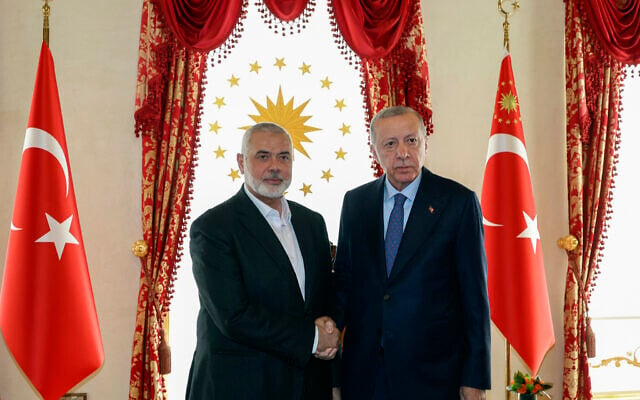
Israel has expressed firm opposition to a Turkish military presence in postwar Gaza.
Turkey will “only be able to see Gaza through binoculars,” Defense Minister Israel Katz wrote on X last month.
“There will be no Turkish boots on the ground,” Prime Minister’s Office spokesperson Shosh Bedrosian told reporters.
During a visit to the Civil-Military Coordination Center in Kiryat Gat shortly after the Gaza ceasefire went into effect, US Vice President JD Vance seemed to indicate that Israel would not be forced to accept a Turkish presence in Gaza. Responding to a question from The Times of Israel, Vance said, “We will not impose foreign troops on Israeli soil, but we believe Turkey can play a constructive role. We’re grateful for the role they’ve already been playing.”
Ankara is a close ally of the United States and was a key mediator of last month’s ceasefire and hostage release deal in Gaza. Erdogan and US President Donald Trump enjoy a close personal relationship.
At the same time, there have been some channels of communication between Jerusalem and Ankara in recent weeks. In an interview last month, Netanyahu noted that with Turkey, Israel “maintains dialogue beyond the headlines, telling them there’s mutual interest in avoiding confrontation.”
“We prefer a modus vivendi with Turkey,” Netanyahu continued. “They’re very stubborn and speak in an extreme way, and we push back on it.”
The Israeli veto on Turkish involvement in the ISF has complicated Washington’s efforts to convince countries to contribute troops, with some potential contributors feeling that Ankara is needed alongside them as an insurance policy, given its ties to Hamas and its role as a mediator and guarantor of the ceasefire, a US official told The Times of Israel.
Reuters and Jacob Magid contributed to this report.







The Times of Israel Community.