

US insists Israel-Lebanon talks moving in ‘positive direction’ despite setback last week
State Department says next round of talks to take place in September in Rome, will focus on roadmaps for future pilot zones for IDF withdrawal
 Add ToI as a Preferred Source on Google
Jacob Magid is The Times of Israel's US bureau chief
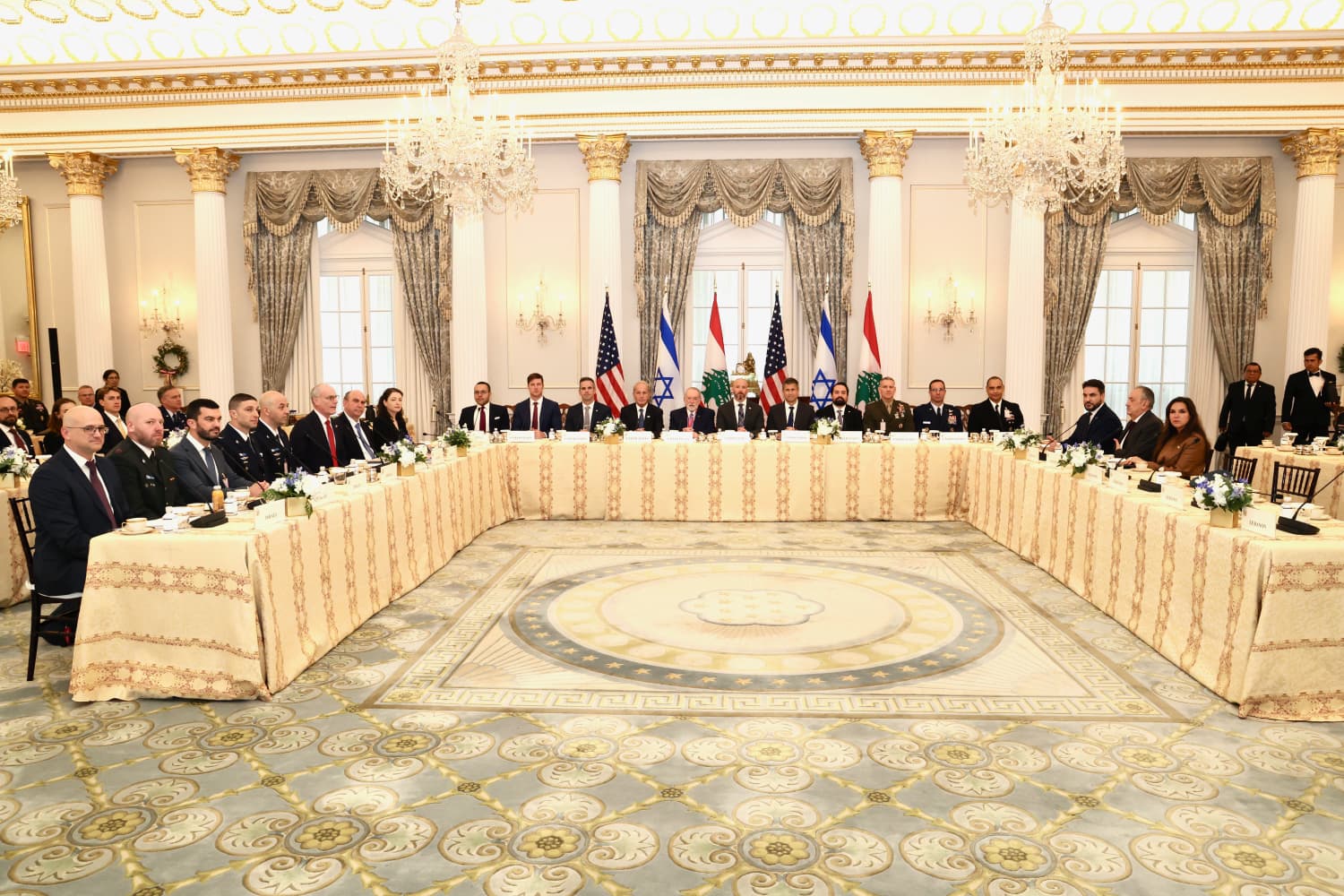
WASHINGTON — The next round of US-mediated talks between Israel and Lebanon will take place in early September in Rome, a State Department official announced Tuesday, after officials from both countries recognized setbacks during last week’s talks.
“The political track will reconvene in Rome in early September, and conversations will continue in Beirut, Jerusalem, and Washington in the interim,” the official said. “We feel good about the trajectory.”
Last week’s round of US-sponsored talks ended early on their second day, amid an escalation in southern Lebanon between Israel and Hezbollah. Beirut is also frustrated with the pace of Israeli withdrawals, feeling that Jerusalem is dragging its feet ahead of October elections, while Israel argues that verification of Hezbollah disarmament must be completed first.
Nonetheless, a State Department spokesperson insisted that the three days of talks last week were “constructive” and saw the sides reach understandings on the parameters that must be met to verify that a particular area has been cleared of Hezbollah infrastructure in order to “unlock future pilot zones.”
In June, Israel and Lebanon agreed to a framework deal that involves the disarmament of Hezbollah, a gradual withdrawal of Israeli forces from Lebanon’s south and the deployment of the Lebanese Armed Forces to the region, starting in test areas known as “pilot zones.”
So far, two such zones exist, with the ultimate goal being that the pilot zones will be replicated to the point where Israel has completely pulled out of southern Lebanon.
Talks last week in Rome were the seventh round since Hezbollah drew Lebanon into the Middle East war in March with rocket fire at Israel in support of its backer Iran.
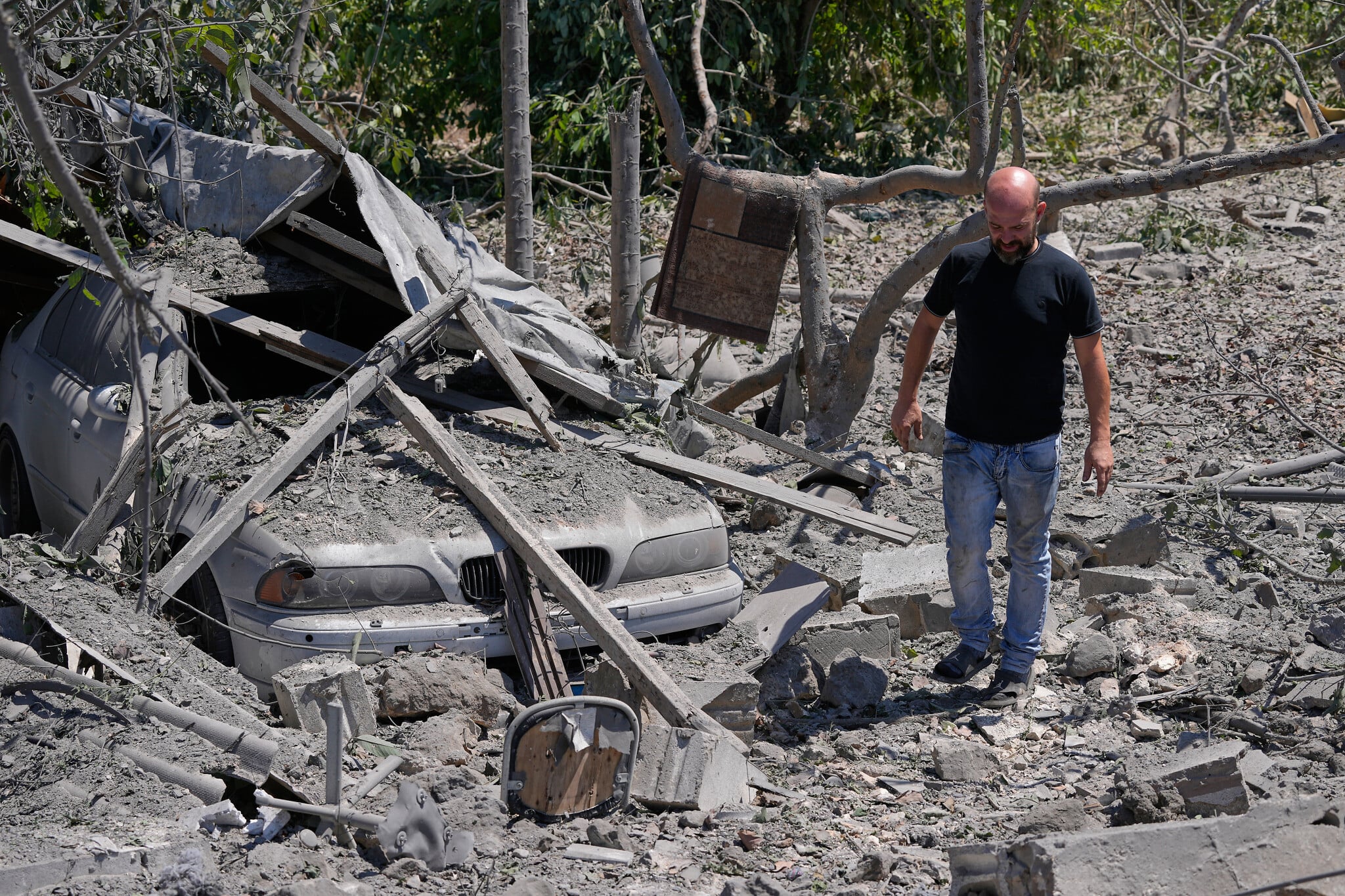
Israeli forces responded with aerial bombardments and a ground assault, seizing a strip of land extending about 10 km (6 miles) deep into southern Lebanon. More than a million Lebanese civilians were forced to flee their homes. Israel has been destroying significant terror infrastructure in the captured areas.
Lebanon says the Israeli operation has killed more than 4,300 people, without differentiating between combatants and civilians.
Commenting on last Wednesday’s escalation in southern Lebanon, which saw a Hezbollah explosive lethally detonate on Israeli forces, sparking major IDF retaliatory strikes, the State Department noted that the sides de-escalated within 24 hours thanks to a trilateral military deconfliction cell that the US, Israel and Lebanon set up earlier in their negotiations.
During last week’s talks, US negotiators pulled Lebanese counterparts aside to discuss “delivering timely support for reconstruction,” the State Department spokesperson said, referring to the several dozen southern Lebanese villages flattened by Israel on the grounds that they were riddled with Hezbollah infrastructure.
“At the next round of technical talks, Lebanon will present detailed roadmaps for securing new areas as implementation proceeds in the current pilot zones,” the State Department spokesperson said.
“We need to work through important details, including who verifies the LAF’s clearance operations. Once those details are clear, the process will move much faster,” the spokesperson added.
Both sides will continue holding conversations in their respective capitals in the run-up to the talks in Rome next month.
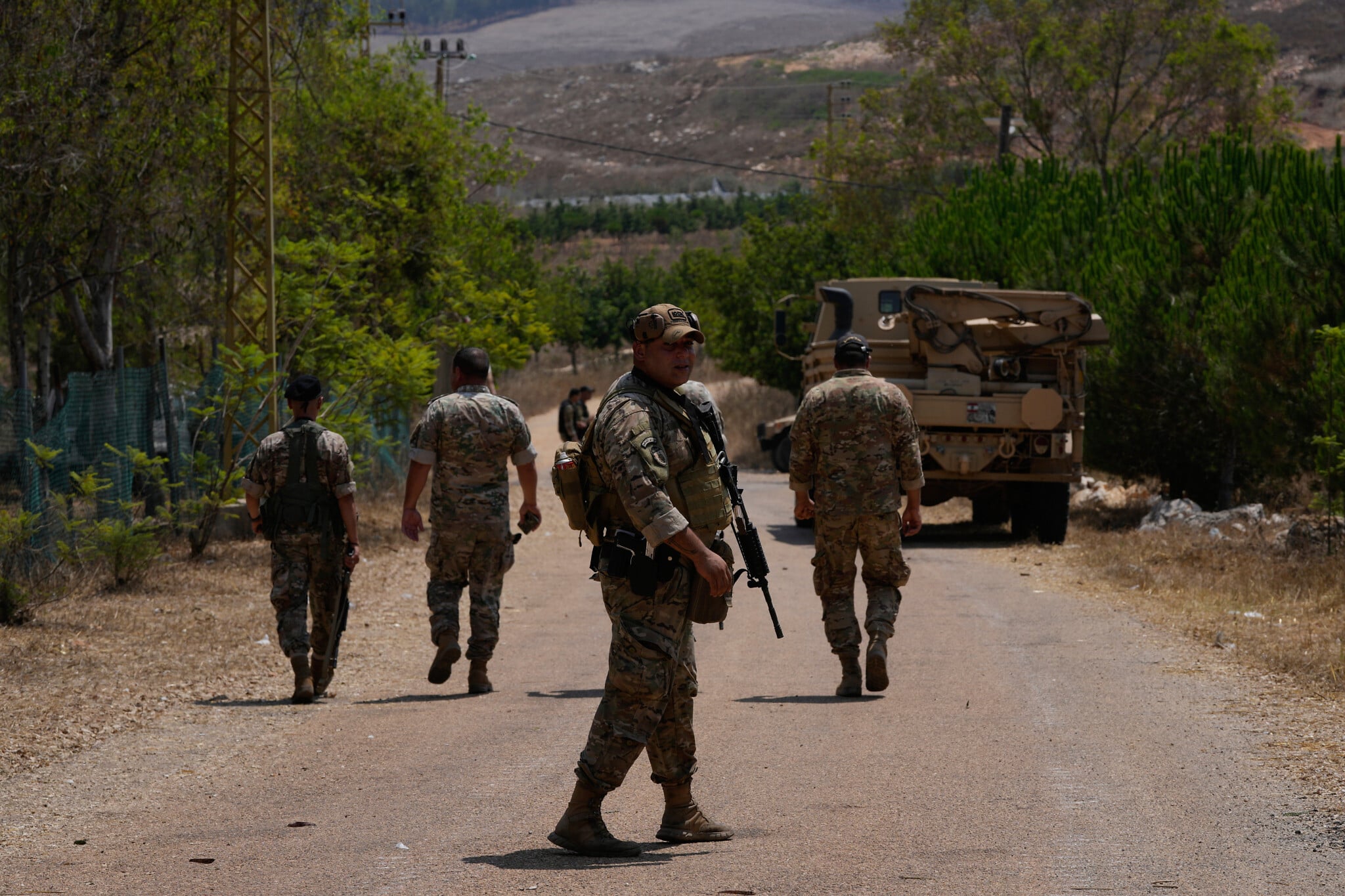
Israel and Lebanon still need to agree on a list of countries that will serve on a third-party committee tasked with verifying that pilot zones have been fully demilitarized.
An official familiar with the matter told The Times of Israel on Monday that Israel is rejecting the inclusion of countries that have sought to act against it in international forums.
The State Department spokesperson reiterated Washington’s opposition to extending the mandate of the UNIFIL observer force, which it — like Israel — believes has not done a sufficient job in preventing Hezbollah’s rearmament.
“Both sides face political constraints. We are working through them methodically because shortcuts produce the same failed outcomes we have seen for decades. The direction of travel remains positive, and nobody is dragging their feet on implementation,” the State Department spokesperson stressed.
“We are not naive about the difficulties. Hezbollah is trying to sabotage the process, and both Israel and Lebanon are democracies under domestic political stress. But the fact that the teams sat together, communicated directly, and generated options is itself a structural change. The process is designed to absorb those constraints and still move forward, first by making the pilot zones work, then by expanding,” the State Department added.
Agencies contributed to this report.









The Times of Israel Community.