

‘War of Revival’: Cabinet approves Netanyahu’s controversial renaming of Gaza war
Critics say name switch is attempt by PM to evade responsibility for failures around Hamas onslaught; Lapid: ‘It remains the Oct. 7 war. Attempts to erase what happened won’t succeed’
 Add ToI as a Preferred Source on Google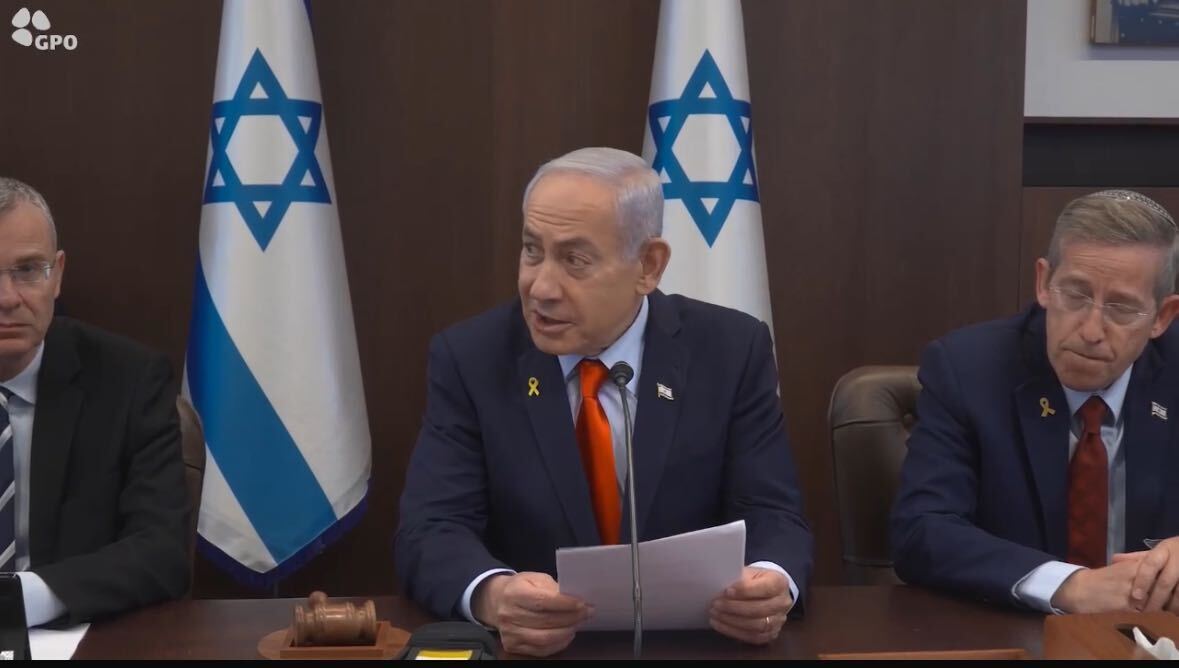
The government on Sunday overwhelmingly voted to rename the war in Gaza “The War of Revival,” a controversial proposal by Prime Minister Benjamin Netanyahu that is viewed by critics as an attempt to evade responsibility for failing to prevent the October 7, 2023, massacre that sparked the war.
The proposal brought by Netanyahu and Defense Minister Israel Katz means the new name replaces “Swords of Iron,” which was announced by the Israel Defense Forces on the day of the Hamas onslaught, shortly after the premier’s declaration that Israel was at war.
Despite its formal name, many in Israel refer to the conflict as the “October 7 war.”
“Today I am bringing to the government for approval the proposal to give the war an official, permanent name: ‘The War of Revival,’” Netanyahu said at the cabinet meeting ahead of the vote, in a video released by his office. “At the end of two consecutive years of fighting, we remember how we began. We rose from the terrible disaster of October 7.”
Indicating that the war could be reaching a conclusion, Netanyahu added that Israel was readying to award citations to soldiers who fought in the war, a practice done after wars end: “The decorations of the current campaign will bear the official name of the War of Revival.”
According to Hebrew media reports, Netanyahu left the weekly cabinet meeting after operatives from terror groups in the Gaza Strip launched an attack on Israeli forces in Rafah.
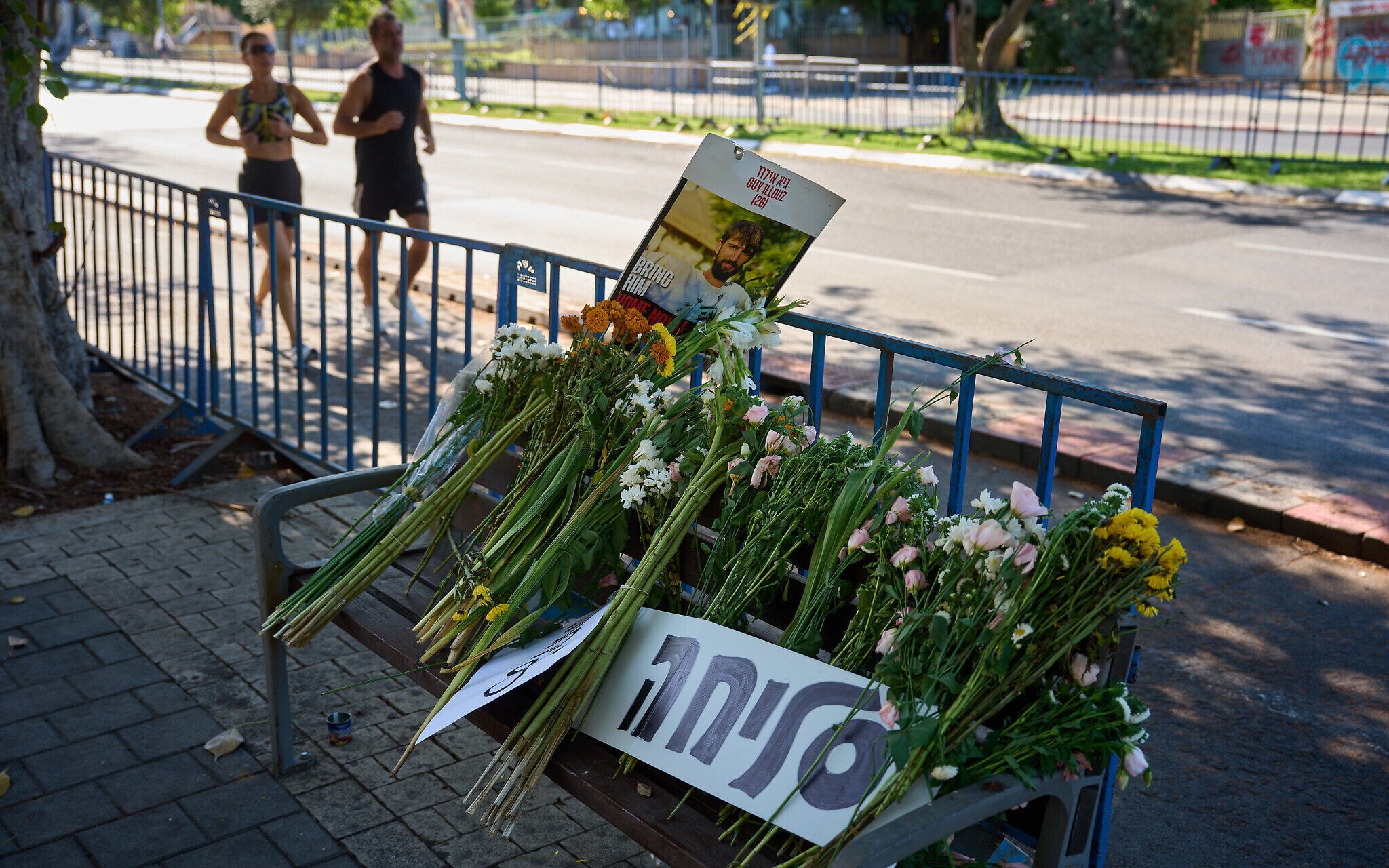
Diaspora Affairs Minister Amichai Chikli of the Likud party abstained from the vote, while Settlements and National Projects Minister Orit Strock of the far-right Religious Zionism party voted against the proposal.
Chikli wrote on X that the term “revival” was one that “belongs to the founding of the state and the founding generation.”
Strock said during the meeting it was “too early” to determine the outcome of the war and give it an official name.
“We have to wait and see if we achieve all its goals, or if new dangers enter the picture in Gaza, for example forces from Turkey, Qatar and the like, or if we hand over [responsibility for] dismantling the tunnels to people I wouldn’t trust to fix the plumbing in my house,” she said, according to Channel 12.
Regional Cooperation Minister David Amsalem was quoted by Walla as backing the name change, stating, “Often wars are named at their end, like the Six Day War, Independence War, and others.”
“Here, too, we went from a terrible disaster to the revival of Israel in its land,” he said.
Following the vote, the Defense Ministry issued a statement to “clarify that, as has been the case until now, any change of inscriptions on gravestones will be carried out in full coordination with the bereaved families.”
“Additionally, the means of implementing the government’s decision will be presented to the Public Council for Commemoration of Fallen Soldiers, which is composed of representatives of bereaved families and their representative organizations,” it added.
Critics have suggested that the government’s proposed name is part of an attempt to evade responsibility for failures that occurred ahead of October 7, 2023, and on the day itself.
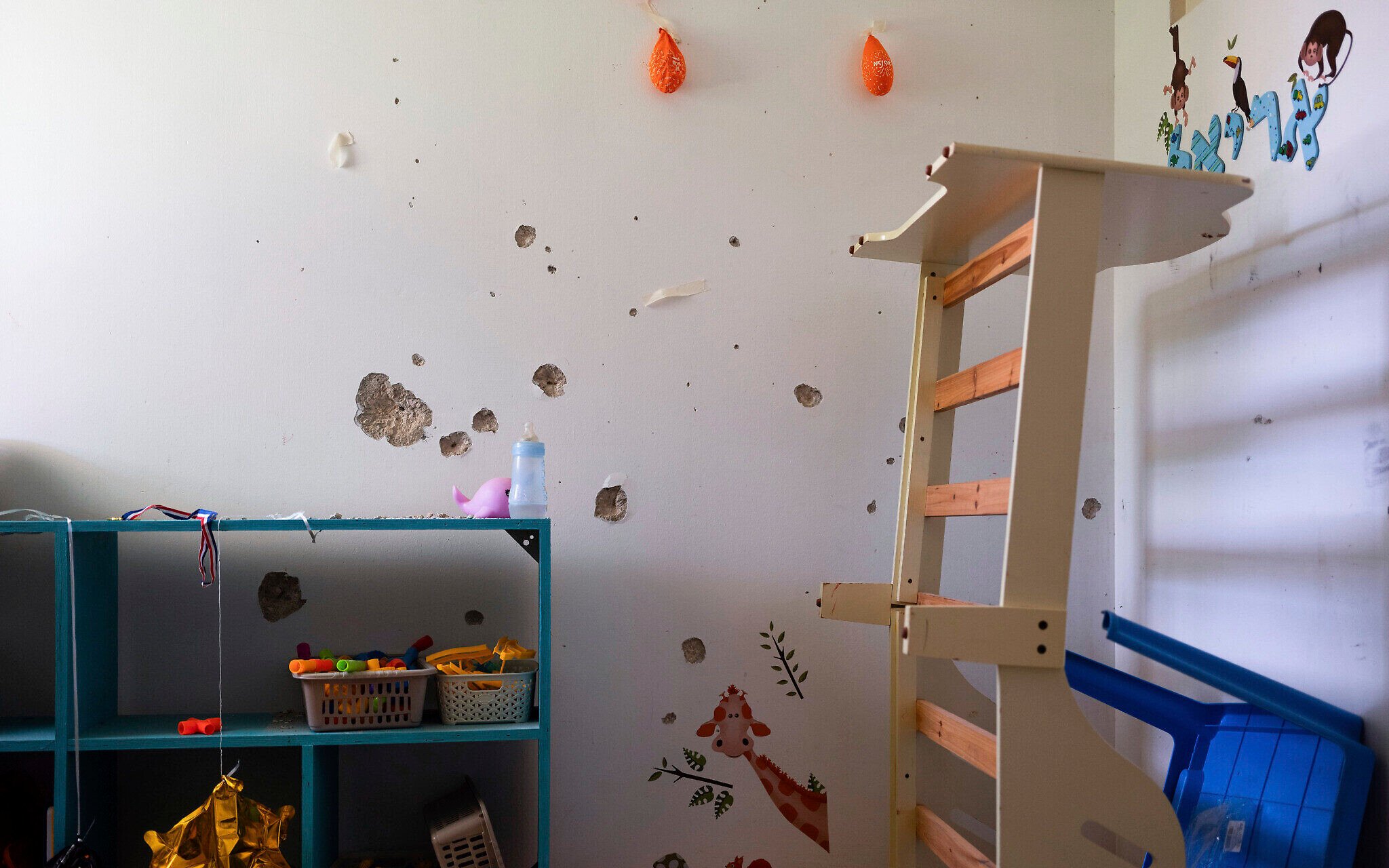
Despite receiving several warnings by the security establishment in the years and months before October 7, 2023, Netanyahu has avoided taking responsibility for the massacre, repeatedly asserting that the security establishment — not political leaders — failed to prevent the deadliest attack in Israel’s history.
He has also refused to authorize a state commission of inquiry into the failures surrounding October 7, and the government is instead considering appointing its own panel to investigate the catastrophic Hamas invasion and subsequent war.
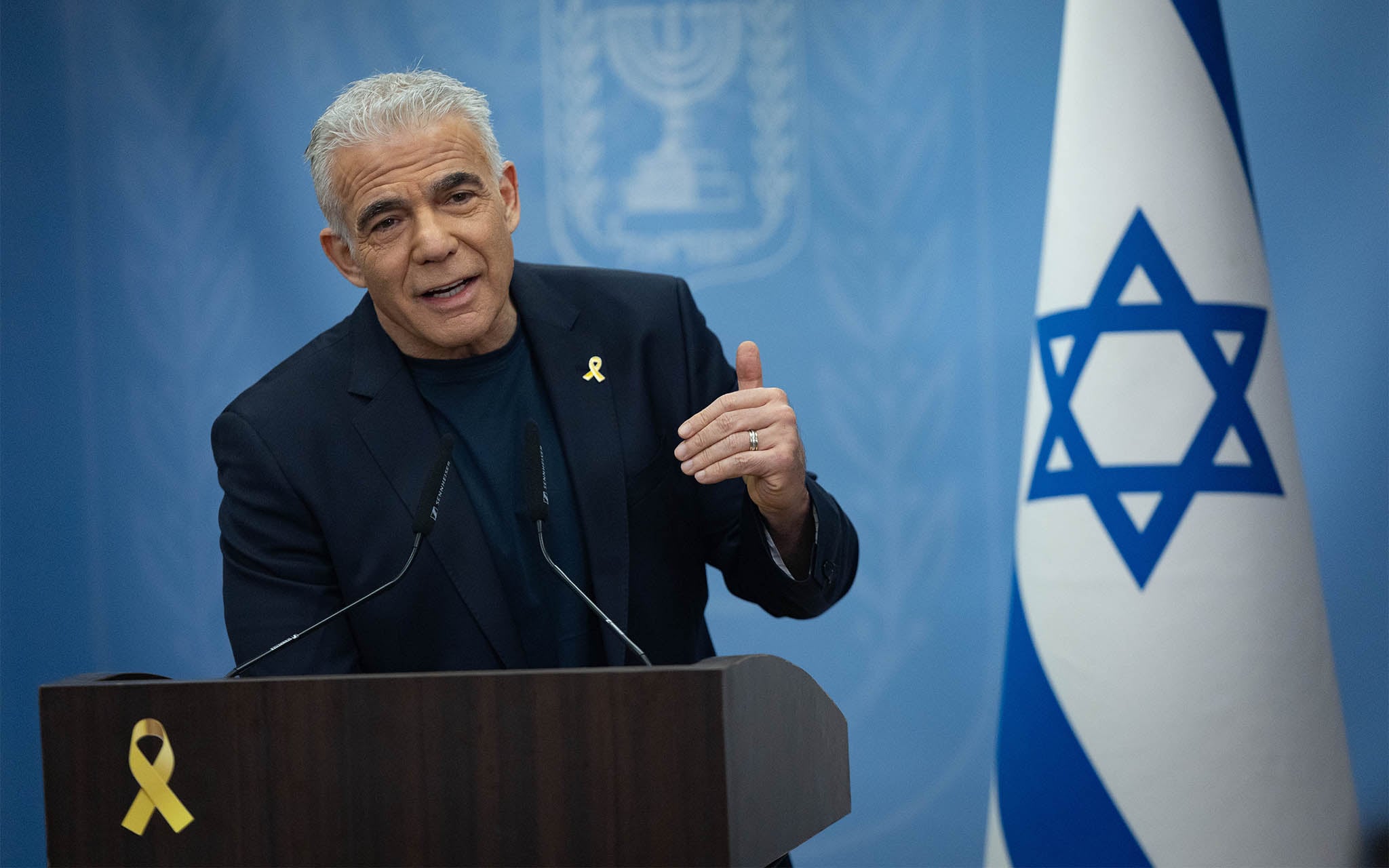
Ahead of the vote on Sunday, Opposition Leader Yair Lapid blasted the Netanyahu-led effort, tweeting that the government could call the war whatever it wanted, but it “wouldn’t help them.”
“This is not the ‘War of Revival’; if anything, it is the ‘War of Blame,’ in the name of all those who tried to escape their blame and failed,” he wrote, insisting that only the “slaves” who work for the pro-government, right-wing Channel 14 would use the new name.
“It was, and remains, the October 7 war, and the October 7 government, and the disaster of October 7. All the attempts to erase what happened there won’t succeed, because it is a real story inscribed in blood,” he wrote.
Tzur Goldin, whose brother Hadar Goldin was killed in Gaza in 2014 and whose body has been held by Hamas since, wrote on X that “it is forbidden to hold discussions about the name of the war, medal ceremonies, or any other event that seeks to wrap up the war until all the hostages are here.”
By trying to rename the war now, “the government is burying the hostages — in two senses. Just like what happened in Operation Protective Edge (2014),” Goldin wrote, referencing the conflict during which his brother was killed and kidnapped.
Jon Polin, father of murdered hostage Hersh Goldberg-Polin, questioned the proposed name change in a post on Saturday.
“Revival from what? I am asking seriously. Interested to hear from supporters of the change,” he said.
Netanyahu first suggested the name “War of Revival” a year ago at a cabinet meeting to mark the first anniversary of the start of the conflict, saying, “This is the war of our existence — the ‘War of Revival.’”
While military operations fought by Israel have often been given names such as Operation Guardian of the Walls in May 2021 or Operation Protective Edge in 2014, formally recognized wars are given more straightforward names, such as the Six Day War in 1967, the Yom Kippur War in 1973, and the Second Lebanon War in 2006.





The Times of Israel Community.