

War, women and democracy: How two new films frame Israel’s storied protest movements
‘In Protest’ and ‘Rising’ follow female activists, bereaved families and trauma professionals as mass demonstrations become a lens though which to view Israeli civil society
 Add ToI as a Preferred Source on Google
Jessica Steinberg, The Times of Israel's culture and lifestyles editor, covers the Sabra scene from south to north and back to the center
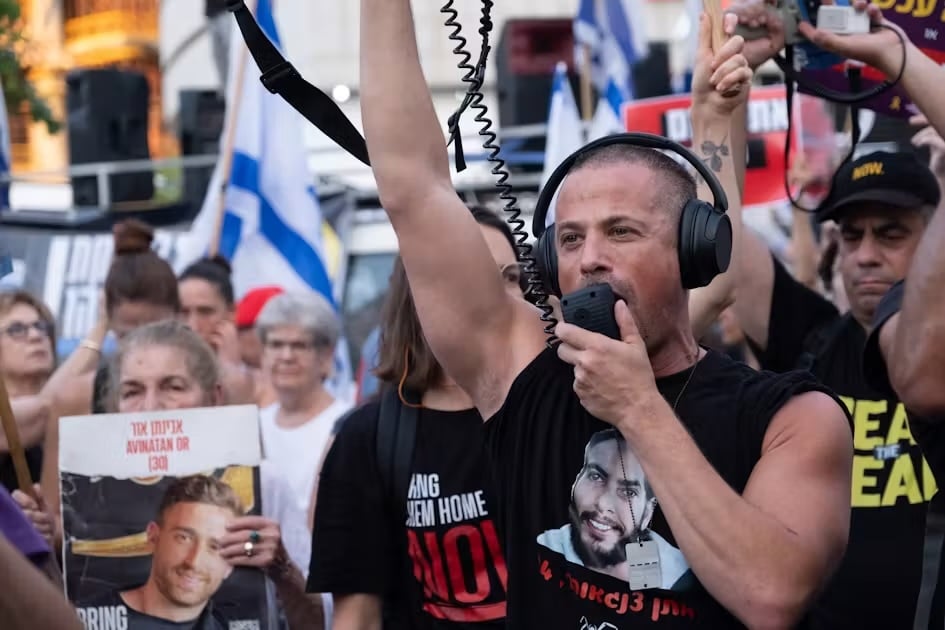
Two new English-language documentaries are turning their cameras on Israel’s mass protest movements, from the demonstrations against the government’s judicial overhaul to the weekly rallies demanding a hostage deal after the bloody Hamas invasion of October 7, 2023.
Together, the films present the protests as a defining feature of Israeli life for the last three and a half years, and as a symbol of the strength of the country’s civil society.
Paula Kweskin’s “In Protest” focuses on Israel’s women-led protest movement, which began before October 7 but took on new urgency after the Hamas onslaught and ensuing war in Gaza, as reports emerged of sexual violence perpetrated by terrorists during the attack and against hostages held in the Strip.
Kweskin is an American-born human rights lawyer turned documentary filmmaker who founded The 49%, a nonprofit that uses film and media to spotlight women’s rights issues.
For this film, she and filmmaking partner Carly Fogel already had begun looking at women-led protest movements worldwide when Kweskin realized that a similar movement was taking shape in Israel, including in her hometown of Ra’anana.
The 52-minute film ended up homing in on Moran Zer Katzenstein, best known as the founder of Bonot Alternativa, or “building an alternative,” a women-led protest movement that rose to prominence during the 2023 anti-government demonstrations.
The group drew particular attention for its “handmaid protests,” in which women wore red robes and white caps like the characters from Margaret Atwood’s dystopian novel “The Handmaid’s Tale,” to protest violence against women and attacks on women’s rights.
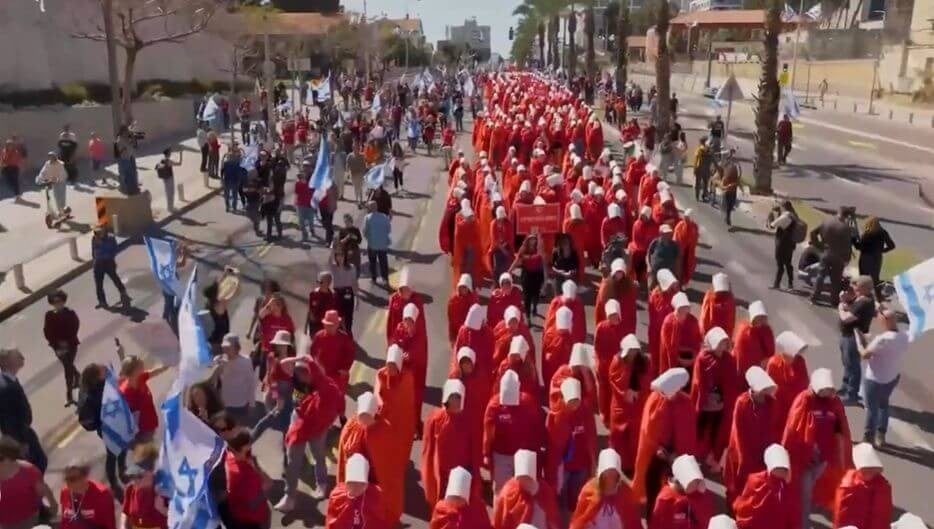
Zer Katzenstein and Bonot Alternativa later helped lead calls to recognize the sexual violence committed against Israeli women by Hamas on October 7, including by placing full-page ads in The New York Times.
Zer Katzenstein also presented evidence about the sexual violence at a special UN session in December 2023.
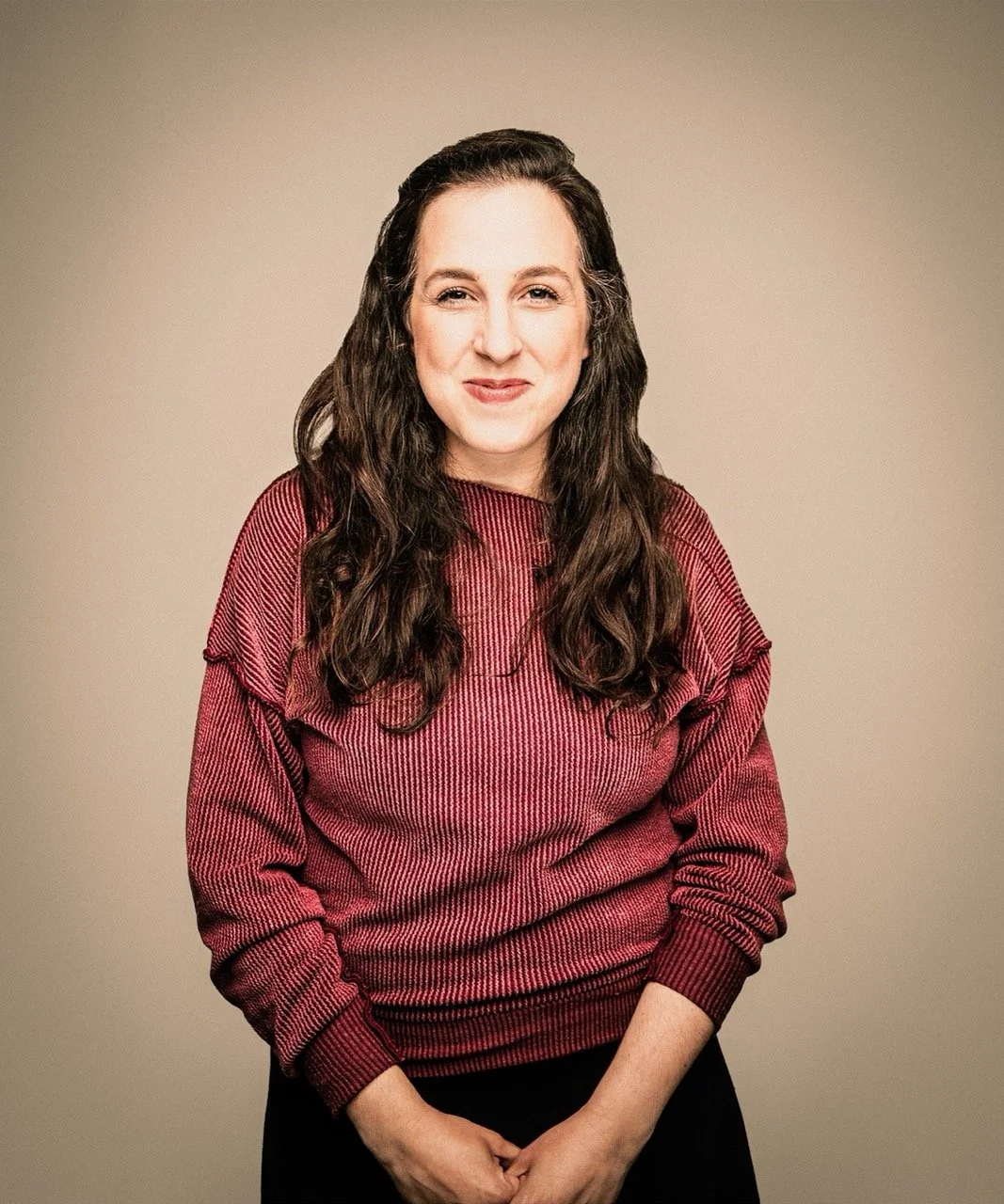
After Fogel filmed Zer Katzenstein speaking at the UN session, she told Kweskin, “We have a film, just keep filming her.”
The film became a story of a woman and protest, and a woman and war, and how activism changes in the face of total devastation, said Kweskin.
It was a painful film to make, said Kweskin, who often thought about quitting the project.
“You’re living through war and filming war; none of us knew if the hostages were coming home and we were writing a story without knowing the ending,” she said.
Still, as a feminist, she felt strongly that women’s voices are often left out of decisions about war and peace, and that a story about women, told by women, was needed.
The film was released earlier this year, and Zer Katzenstein is now running for Knesset with the left-wing The Democrats party led by Yair Golan.
As Kweskin sends the documentary to international festivals amid a soft cultural boycott against Israeli films, she has found herself emphasizing its universal themes about women’s activism, civil society and one woman’s path from street protests to public office.
“We desperately need more women in positions of power being part of the lawmaking apparatus,” she said. “I’m so very proud of this film in that it shows the trajectory of an ordinary person who is doing extraordinary things.”
Portraits of protests
Esther Takac’s “Rising: Voices of Protest and Hope” follows a similar path, focusing on the grassroots protests that began in 2023 with the government’s push to remake the judicial system and later morphed into rallies for the hostages.
Takac, an Australian psychologist who has spent months in Israel visiting family and working, came to the country with her husband, also a psychologist, in early 2024 to offer therapeutic help in the wake of October 7.
At the time, they were struck by the scale of the protest movement, as hundreds of thousands of Israelis took to the streets weekly to rally for the hostages as the country still reeled from the onslaught, which saw thousands of invading terrorists brutally murder some 1,200 people, most of them civilians, and abduct 251 to the Gaza Strip.
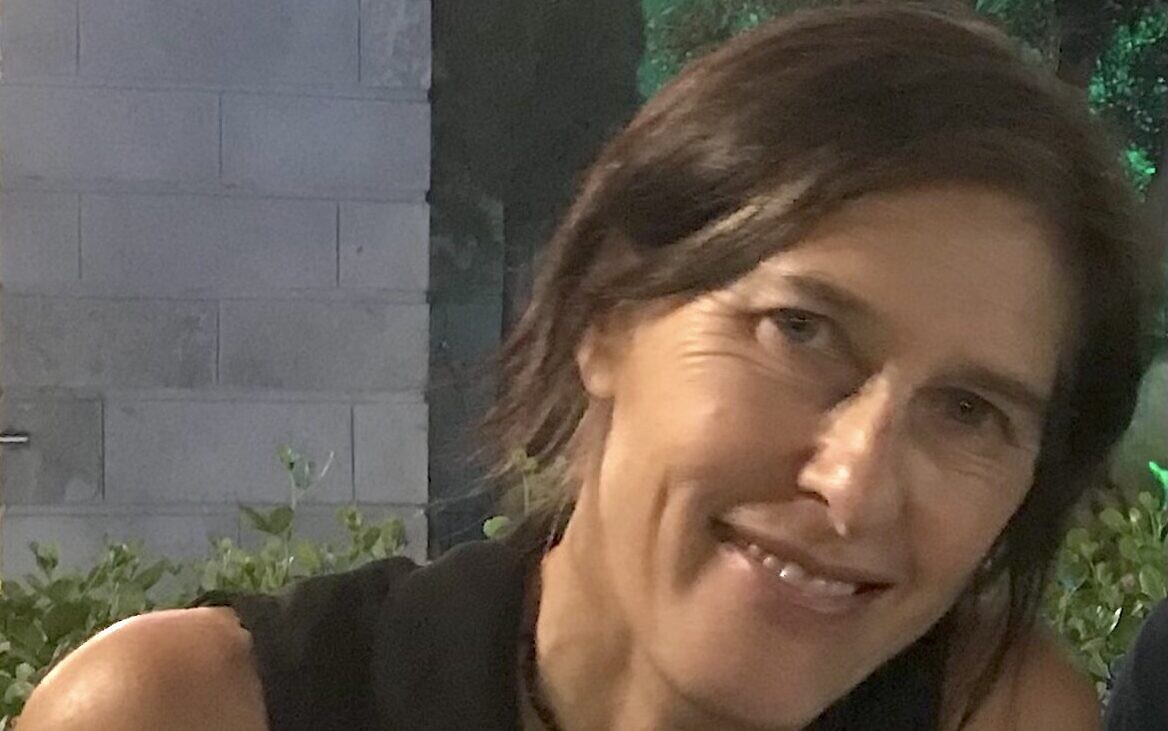
“It was an amazing phenomenon of people finding strength to rise and help each other, drawn by a sense of mutual responsibility,” said Takac.
“Rising” revolves around five Israelis, including two bereaved parents, a therapist who survived October 7, a crisis responder and a trauma psychologist.
Working on a shoestring budget, Takac said she filmed some subjects she knew beforehand and others she met on the spot, weaving their stories into a portrait of the protest movement.
Because Takac was editing the film while the protests were still taking place, she structured each chapter around emotional states rather than events.
Each chapter is organized around a verb reflecting a different emotional stage, as the documentary moves between five personal stories.
As an Australian, with her own country grappling with antisemitism and anti-Israel sentiment after the deadly Bondi Beach terror attack in December 2025, Takac hopes the film will reflect Israel’s diversity by telling a nuanced story of internal strife.
“There’s a split-screen reality of Australia and Israel,” said Takac. “I wanted to show the rest of the world that Israel is not just its extremist government.”
“‘Rising’ is a kind of historical document,” said Takac. “Ideally, I’d like it to be seen as a movie about the unraveling of democracy and how civil society can push back against it.”



The Times of Israel Community.