

WWII remains buried 74 years after ‘Bridge Too Far’ battle
Army Pfc. Willard “Bud” Jenkins identified using his sister’s DNA, laid to rest in his hometown of Scranton, Pennsylvania
 Add ToI as a Preferred Source on Google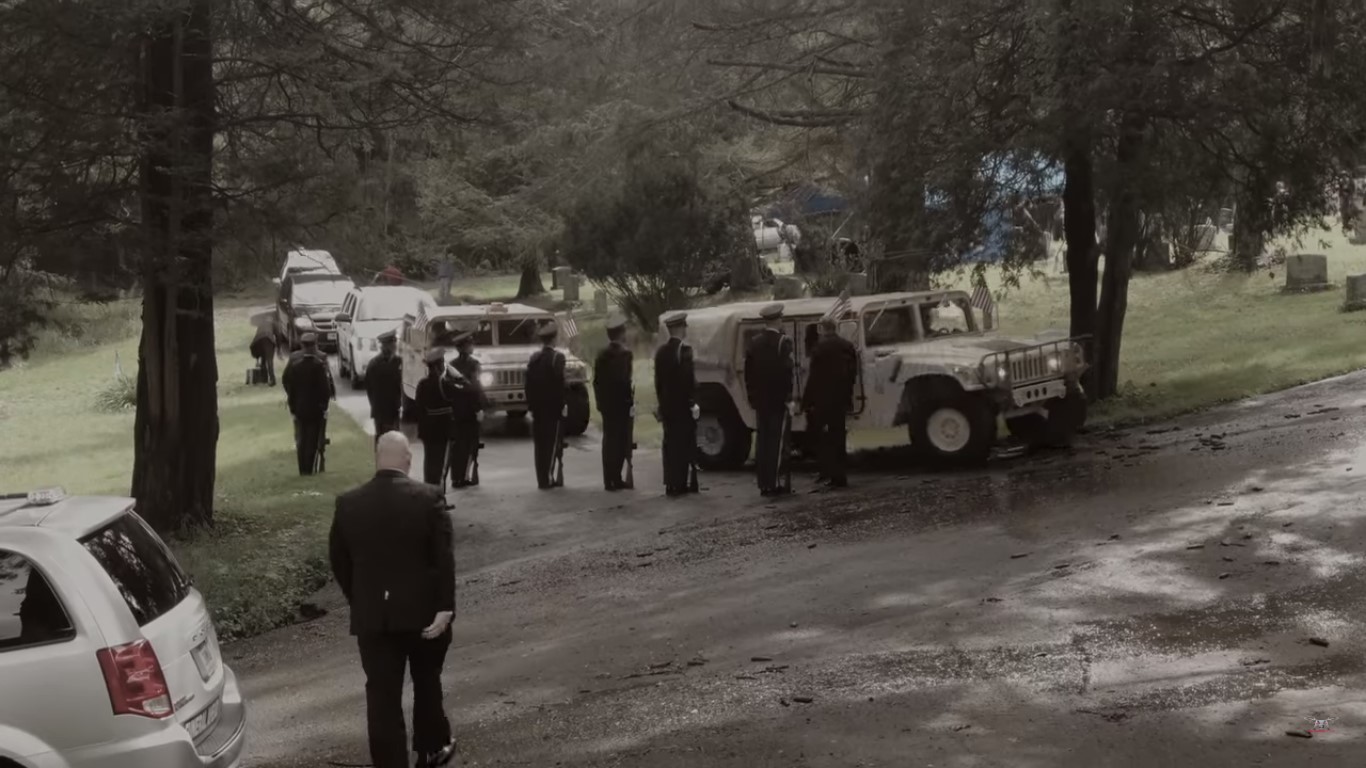
SCRANTON, Pennsylvania — The remains of a US Army paratrooper killed in World War II have been returned to his Pennsylvania hometown, 74 years after he died in the battle chronicled in the 1977 film “A Bridge Too Far.”
On September 20, 1944, Army Pfc. Willard “Bud” Jenkins was hit twice by enemy fire as he crossed the Waal River in the Dutch city of Nijmegen during the unsuccessful Allied effort called Operation Market Garden.
Jenkins, 27, fell from his canvas boat into the water. His body, which could not be identified, was buried as an “unknown” at an American cemetery in the Netherlands.
DNA testing over the summer helped identify the Scranton native.
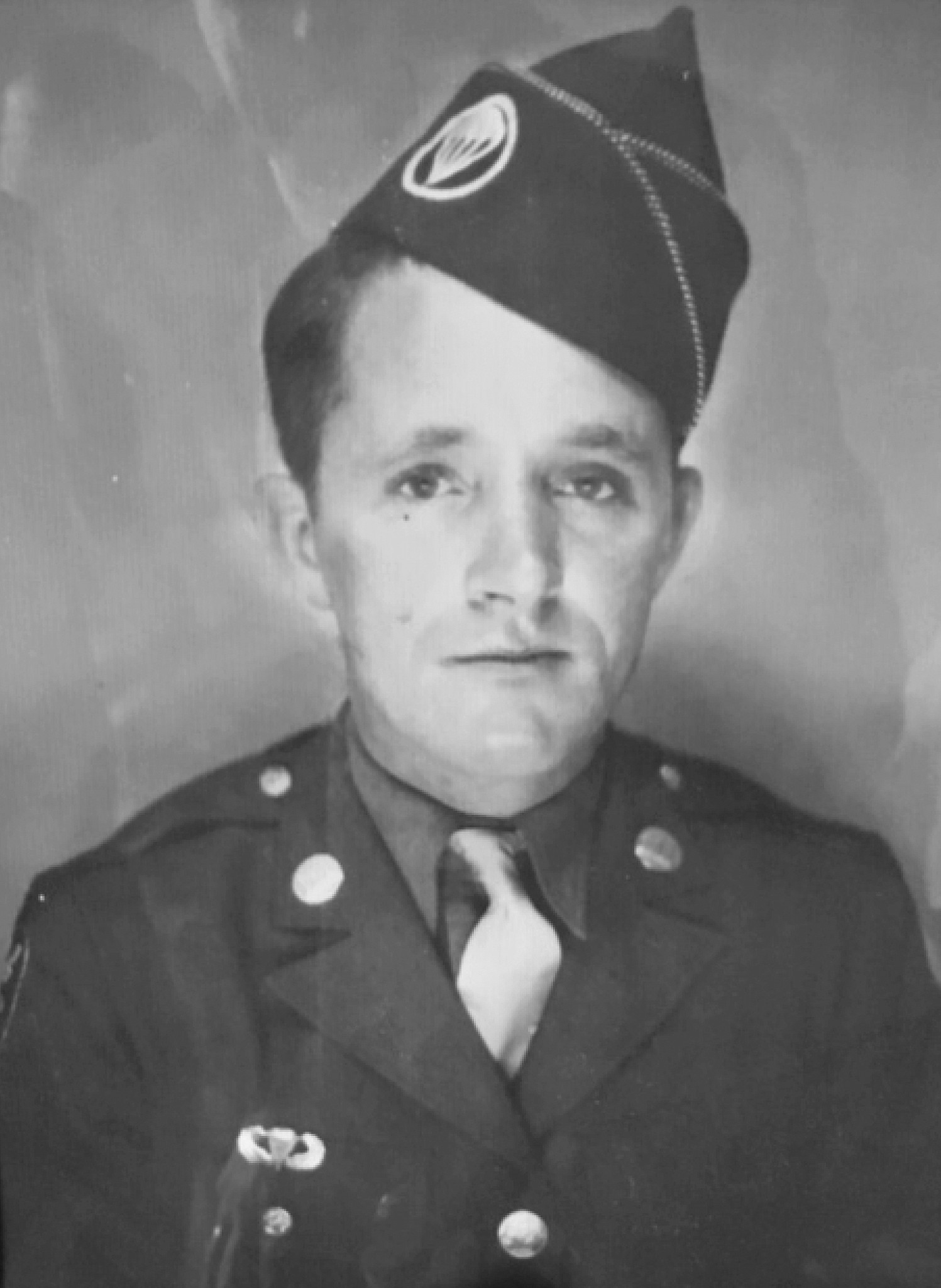
His remains returned to Scranton this month, and he was buried Wednesday.
His 83-year-old sister Edna Jenkins is the only surviving immediate family member, and her DNA was used to identify her brother. She tells The Times-Tribune she didn’t think this would ever happen, after so much time had passed.
“It was my twin sister and I that he fussed over all the time,” Jenkins said, recalling how Bud would carry her and her sister on his shoulders when they were girls. “I didn’t know if we could hope about this because it’s 74 years already.”
Army Maj. Gen. Anthony Carrelli, Pennsylvania’s adjutant-general, presented Edna Jenkins with a number of medals and awards her brother earned but never received. The first medal presented was the Purple Heart, which she clutched in her hands.
“It’s not only closure, but it’s gratification,” Jenkins’ great-nephew Craig Kujawski said. “They got him. That’s the point that needs to be stressed. They didn’t forget.”









The Times of Israel Community.