

Zamir unveils multi-year plan for reinvigorating IDF after two years of war
Five-year framework shaped by lessons of October 7, political guidance and a $111 billion budget focuses on war readiness, rehabilitation and future threats
 Add ToI as a Preferred Source on Google
Stav Levaton is a military reporter for The Times of Israel
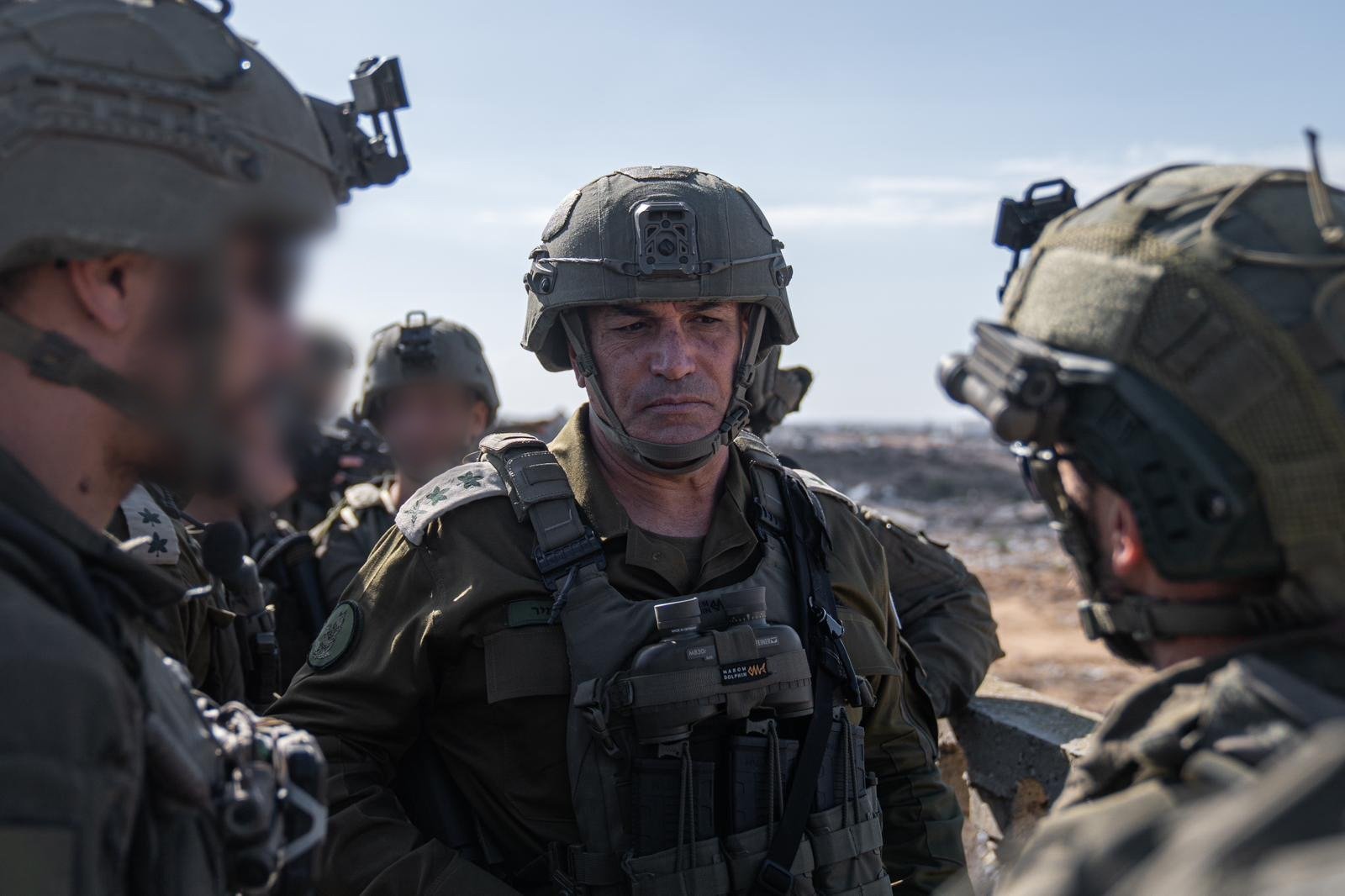
Israel Defense Forces Chief of Staff Lt. Gen. Eyal Zamir unveiled a new multi-year plan on Monday, intended to guide the military from 2026 through 2030, as it reinvigorates its combat capabilities following more than two years of war.
The plan, dubbed “Hoshen” — a High Priest’s breastplate — is designed to integrate the lessons from the October 7, 2023, Hamas-led attacks and subsequent war, alongside future-oriented efforts for Israel’s next war.
Zamir selected the name Hoshen because of its symbolism. The 12 stones on the breastplate represent the 12 tribes of Israel, reflecting unity, while wearing the breastplate close to the heart symbolizes the centrality of people in the IDF. The name also reflects rootedness and a return to foundational principles.
The chief of staff directed the military to pursue two parallel efforts over the coming year as part of the plan: the operational use of force across all fronts and a comprehensive force-building drive.
The plan is scheduled to be finalized by April 1, with implementation beginning after Passover, which ends on April 8, subject to the security situation.
The military based the Hoshen plan on six guiding inputs: a broad diagnosis of the post-war IDF, the lessons learned from October 7, ongoing war investigations, guidance from the political leadership, a resource framework for force-building, and command decisions by Zamir on the IDF’s future projections and strategy.
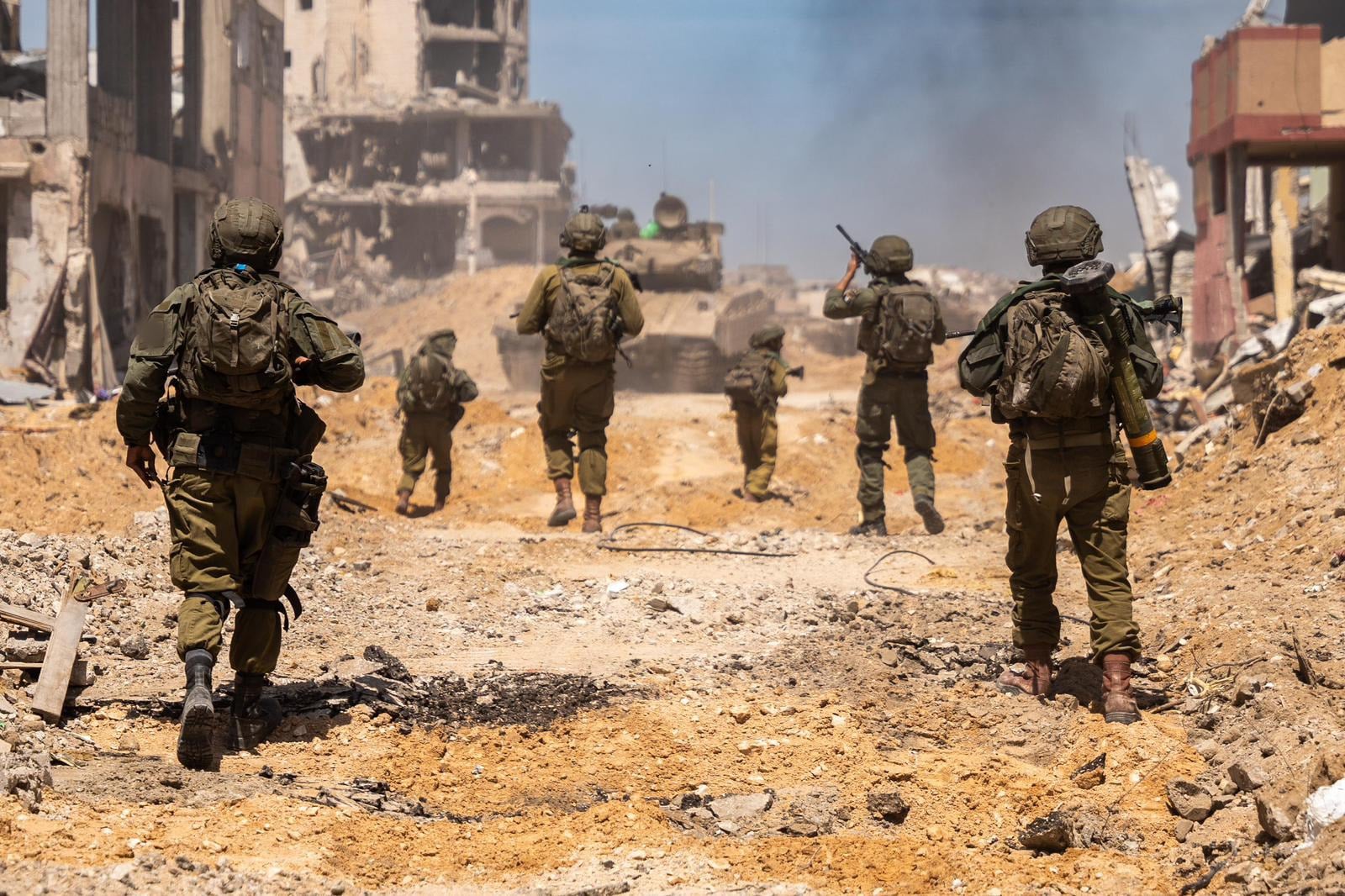
The political leadership has instructed the IDF to plan on a resource framework of NIS 350 billion ($111 billion) over the coming decade, with the possibility of additional funding depending on future arrangements with the United States.
The plan will remain adaptive, with a mechanism to update it once a year as additional war lessons are learned.
Three pillars and 12 core efforts
The multi-year plan rests on three pillars: readiness for war, return to fitness and force-building for future challenges.
Under those pillars, the IDF has defined 12 core efforts that will be led by teams headed by major generals, alongside inter-unit teams on efficiency, technological advancements and organizational culture.
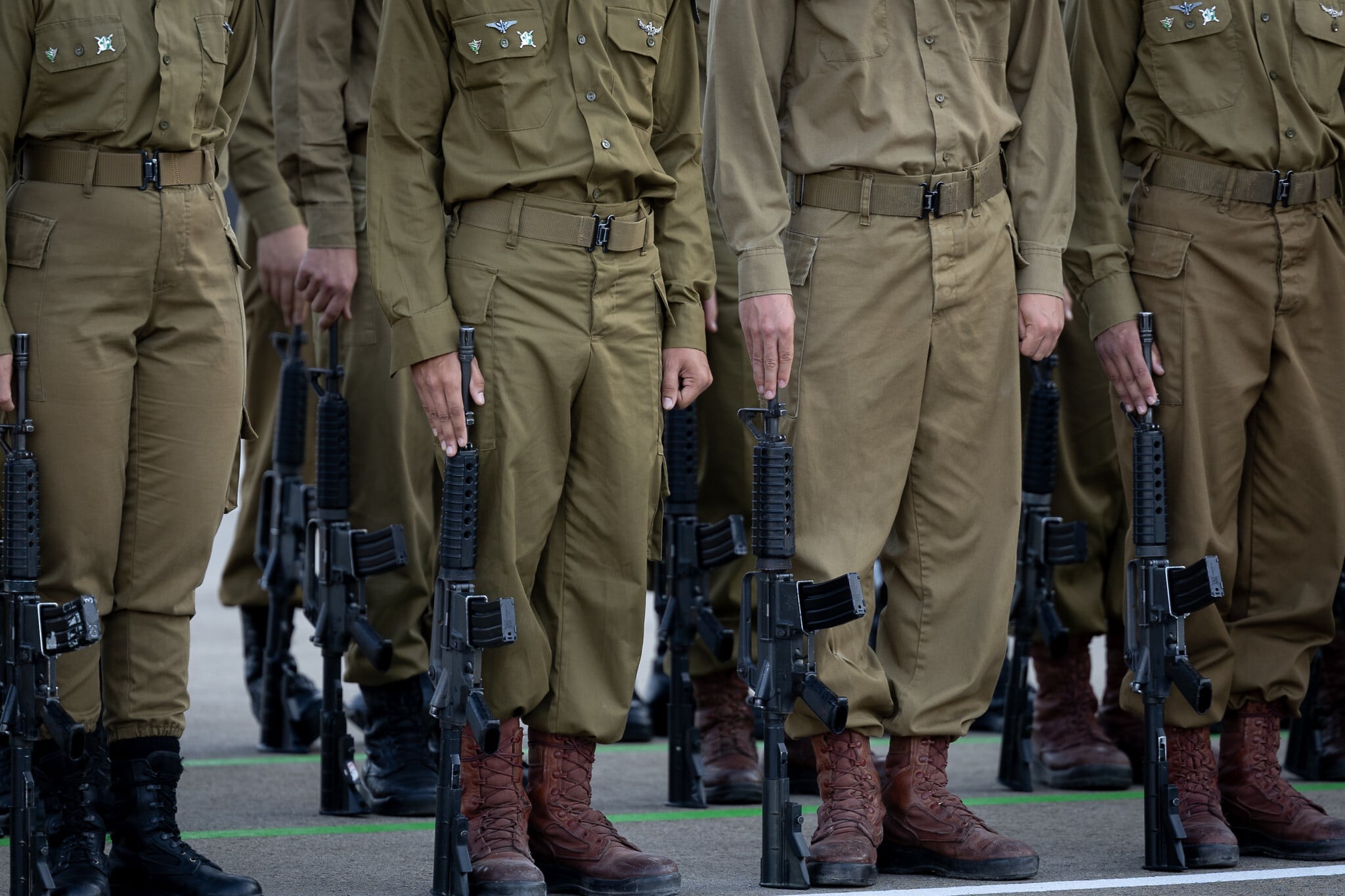
The efforts begin with a strong focus on people, emphasizing conscripts, career soldiers and reservists who have been worn down by over two years of sustained fighting, and the need to provide them with incentives.
The plan also emphasizes readiness for routine and surprise wars across all fronts, and the rehabilitation of platforms, munitions, stockpiles and infrastructure that were damaged or depleted throughout the war in order to return the army to full capabilities.
Other efforts focus on fortifying Israel’s borders to prevent enemy infiltrations, strengthening air defense against rockets and drones, and preparing for distant threats, with Iran defined as the central enemy.
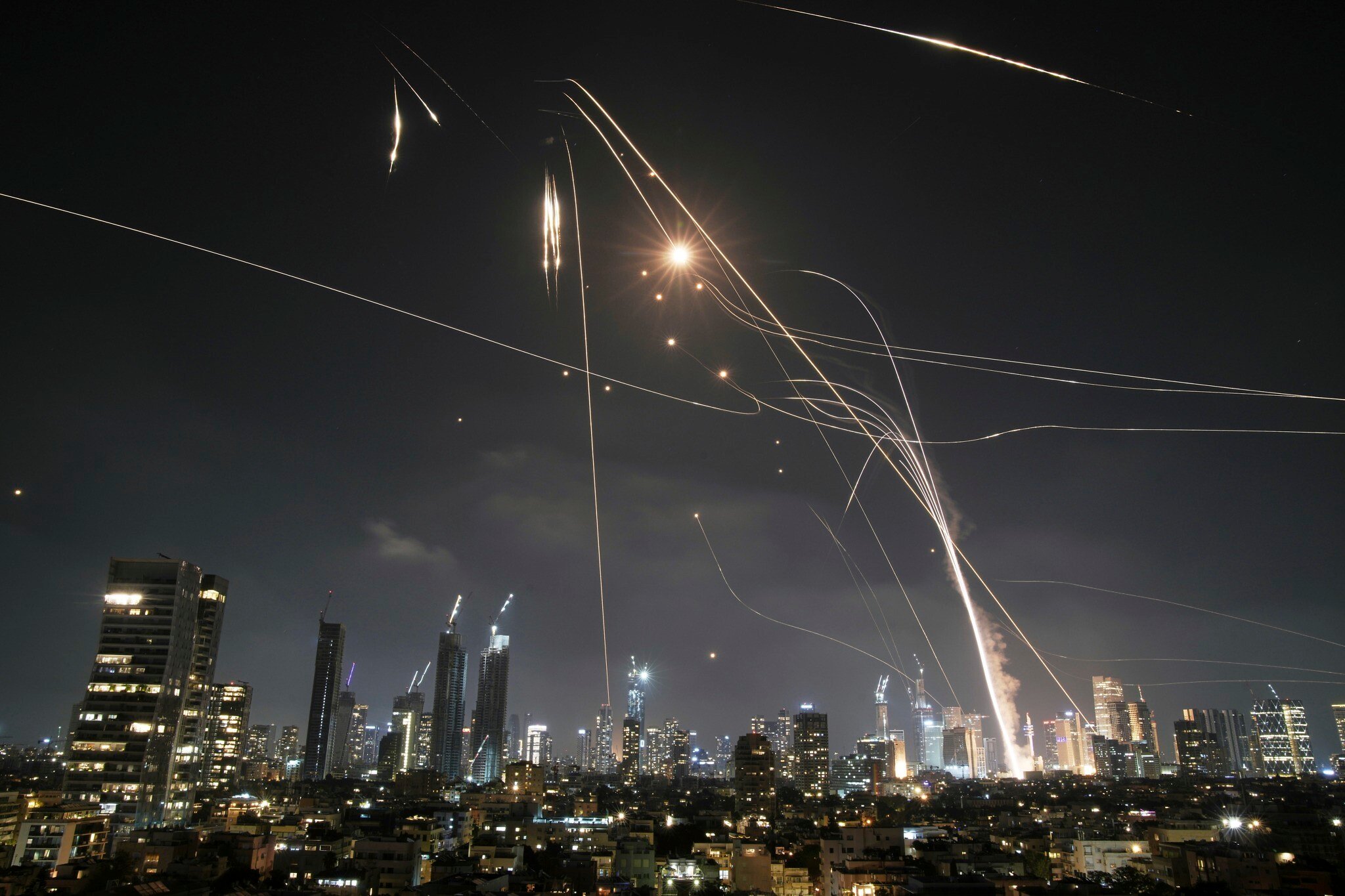
At the operational level, Hoshen prioritizes multi-domain operations, particularly by ground forces, alongside improving the IDF’s ability to operate under sustained, multi-front fire through stronger functional continuity. It also calls for expanding intelligence and collection capabilities to enable more effective operations.
Looking ahead, the plan prioritizes digital, data and AI capabilities as force multipliers, greater use of robotic and autonomous platforms, and the transformation of space from an operational arena into a combat domain.





The Times of Israel Community.