

EU diplomacy chief Ashton to visit Iran Saturday
Catherine Ashton and President Hassan Rouhani expected to discuss issues related to uranium enrichment
 Add ToI as a Preferred Source on Google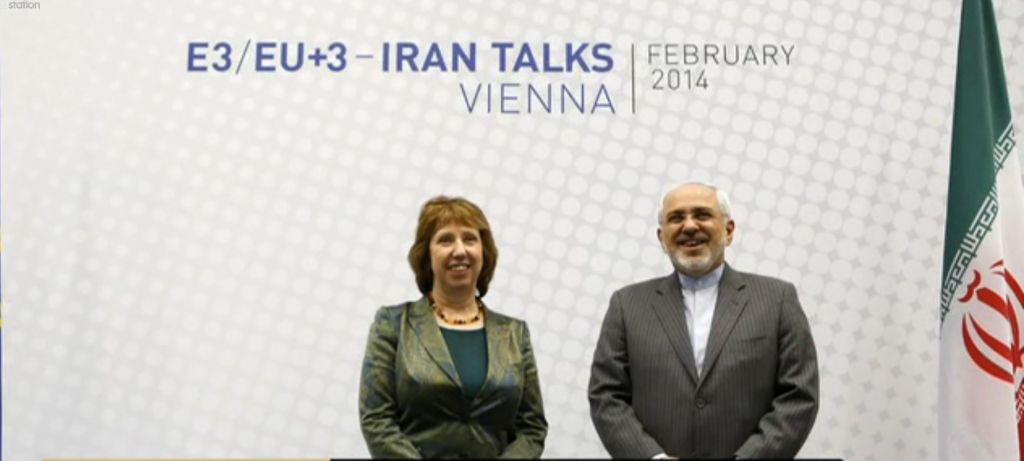
TEHRAN – EU foreign policy chief Catherine Ashton will visit Iran on Saturday, the official IRNA news agency quoted Iran’s deputy foreign minister as saying.
“Ms. Ashton will arrive in Tehran on Saturday night,” Abbas Araqchi said Tuesday, adding that during her visit she would meet with President Hassan Rouhani and Foreign Minister Mohammad Javad Zarif.
According to Iranian media, Ashton will meet Iranian officials on Sunday before travelling to Isfahan the next day.
The last visit of an EU foreign policy chief to Tehran took place in 2008.
Ashton is the lead negotiator for the P5+1 group of world powers, which is seeking a comprehensive agreement on Iran’s controversial nuclear program, and which plans to hold technical talks with Iran in Vienna on Wednesday.
“In this round of expert-level talks, we will review the issues related to (uranium) enrichment as well as tackling the concerns about the Arak heavy water reactor,” Araqchi said.
The Arak site is of concern to the West because Tehran could theoretically extract weapons-grade plutonium from its spent fuel if it also builds a reprocessing facility.
In February, Tehran and the P5+1 — the United States, Britain, France, China and Russia plus Germany — agreed on a timetable and framework for the negotiations for an accord that would allay Western concerns about Iran’s nuclear program in return for the lifting of crippling sanctions.
Negotiators hope to reach a final accord by July 20, when an interim agreement reached in November is due to expire.
Western nations and Israel have long suspected Iran of pursuing a nuclear weapons capability alongside its civilian program, charges denied by Tehran.
Under the interim deal, Iran agreed to curb parts of its nuclear program for six months in exchange for limited sanctions relief. The agreement came into effect on January 20.





The Times of Israel Community.