

Extended daylight savings a major gain to economy
Israel saved NIS 100 million (about $25 million) over past 2 years as result of lower electricty use
 Add ToI as a Preferred Source on Google
Lazar Berman is The Times of Israel's diplomatic reporter
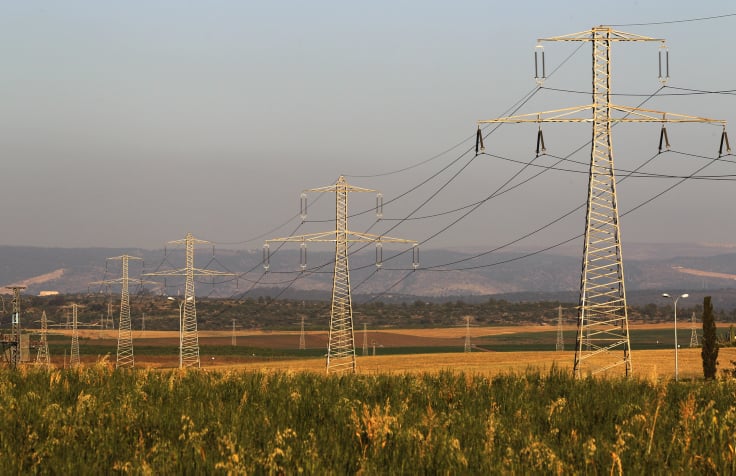
The Israeli economy has saved an estimated NIS 100 million (about $25 million) in the past two years as a result of the extension of daylight savings time in the corresponding period.
In 2013, the Knesset passed legislation extending daylight savings time from the last Sunday in March to the last Sunday in October. Before that, standard time would begin the Saturday night before Yom Kippur, so that the day’s fast, which is pegged to nightfall, would seemingly end an hour earlier.
According to a statement released Thursday by the Energy and Water Resources Ministry, the utilization of natural light in October significantly reduces energy expenditure.
“The dates of daylight savings time are now stable and the entire country enjoys a huge savings to the economy as well as the extension of daylight hours for the enjoyment all citizens,” Energy and Water Resources Minister Silvan Shalom said.
Daylight savings time will go into effect across Israel early Friday, turning 2 a.m. instantly into 3 a.m. The period of extended daylight hours will last until October 25, after the fall Jewish holidays have ended.
The Palestinian Authority will move its clocks forward on Saturday.
Jordan and Syria will usher in daylight savings time at midnight early Friday morning, two hours earlier than Israel.
Most European states, on the other hand, will do so only on March 29.
To preempt mix-ups, mobile phone companies sent users text messages days ahead of the clock change urging them to manually reset the time on their smartphones rather than rely on automatic updates.
In September 2013, confusion ensued after the state decided to substantially move back the end of daylight savings time.
Some phones and computers programmed to automatically move the clocks back stuck to the old schedule, changing the time more than a month before the change officially went into effect. The “phantom change” caused mass confusion among many as phones, computers and automatic scheduling applications went out of whack. A number of Israelis reported being late to work and their children late to school.
Because the Hebrew calendar is lunar, Yom Kippur can fall between mid-September and mid-October, which used to mean that Israelis returned to standard time as much as a month and a half before most other countries, where daylight savings time ends on November 1.
As a result, the issue of the seasonal time transition became contentious among Israelis, and was caught up in political tensions between religious and secular politicians.
Religious parties generally pushed for the early time change to ease the Yom Kippur fast, which lasts from sundown to sundown, and some secular activists protested that the change was unnecessarily inconvenient and expensive. They pointed to a relatively early loss of daylight hours and a resultant rise in electricity bills, as well as a greater number of car accidents as people who would otherwise drive home from work in daylight were forced to drive in darkness.
Adiv Sterman contributed to this report.






The Times of Israel Community.