

Iran nuclear deal powers to meet January 10
10 days before Trump inauguration, session will address complaint from Tehran about US renewing sanctions
 Add ToI as a Preferred Source on Google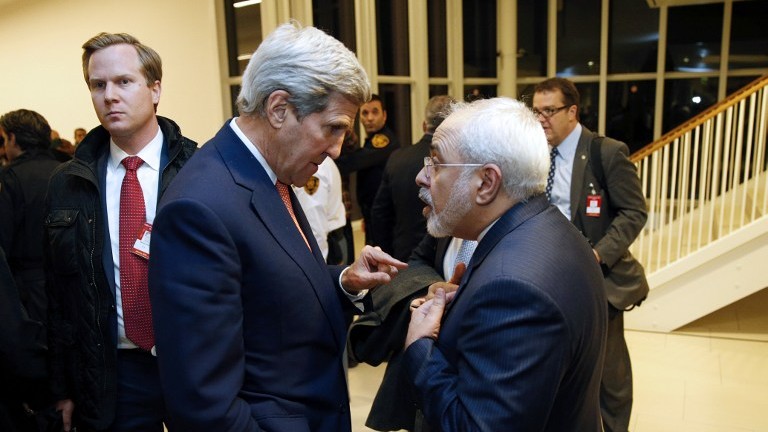
BRUSSELS, Belgium — A high-level commission that oversees Iran’s nuclear deal with world powers will meet in Vienna on January 10 to address a complaint by Tehran about the renewing of sanctions by the United States.
The meeting was called on Saturday by the European Union’s foreign policy chief Federica Mogherini, who coordinates follow-up of the nuclear deal for its signatories — Iran, the US, Britain, China, France, Germany and Russia.
“The meeting will review the implementation of the agreement and discuss the issues raised in the letter (Iranian) Foreign Minister Zarif addressed on 16 December to (Mogherini),” a short statement from the EU said.
The officials will meet 10 days before the inauguration of Donald Trump, who has promised to tear up the nuclear deal once in the White House.
Zarif formally requested the meeting after Washington on December 2 extended the Iran Sanctions Act — which mostly seeks to limit Iran’s oil and gas trade — for another decade.
Although it received overwhelming support from the US Congress, President Barack Obama argues the act is largely symbolic since its measures are suspended as long as the nuclear deal remains in place.
Iranian leaders, including supreme leader Ayatollah Ali Khamenei and President Hassan Rouhani, disagree, calling it a “clear violation”.
Another concern for Iran is a wider frustration that the nuclear deal has not produced many of the expected benefits due to the reluctance of international banks to do business in the country.
Zariff could use the meeting to complain that although hundreds of European companies are desperate to resume trading with Iran, major lenders are still refusing to facilitate big transactions.
This is because Washington still has a number of non-nuclear sanctions in place that prevent anyone doing business with a long list of Iranians it says are linked to terrorism, human rights abuses and its ballistic missile program
Despite the nuclear deal, a wrong move could result in gigantic penalties like the $9 billion fine slapped on French bank BNP Paribas in 2014.



The Times of Israel Community.