

Milhem is dead; questions remain
The death of a terrorist ends a weeklong manhunt, but leaves many strings untied
 Add ToI as a Preferred Source on Google
Ilan Ben Zion is an AFP reporter and a former news editor at The Times of Israel.
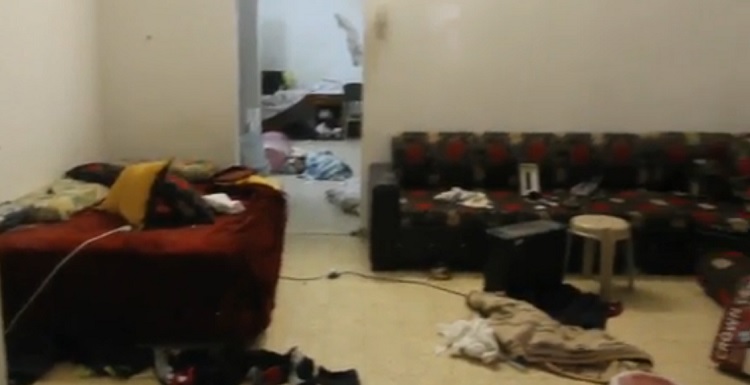
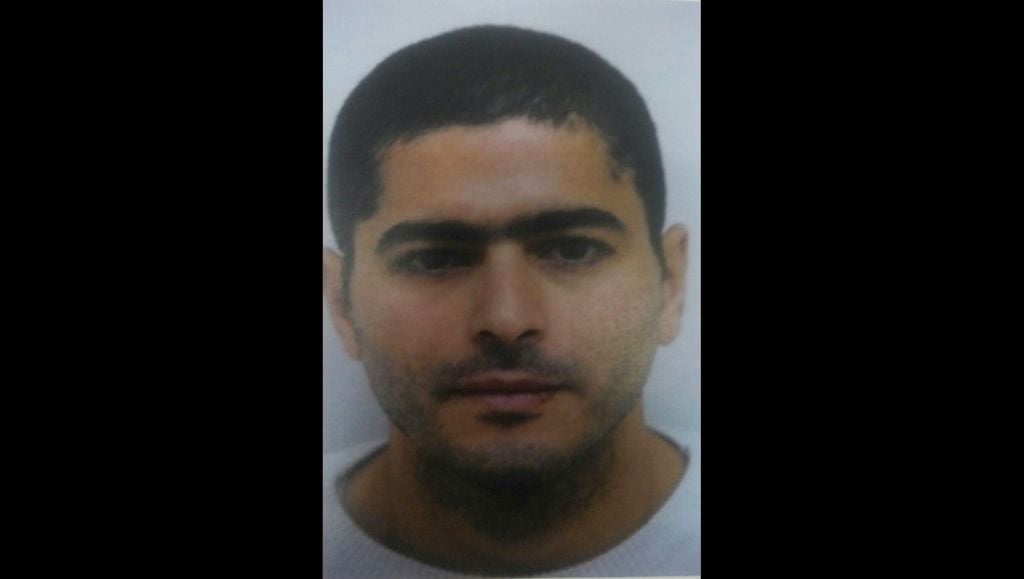
One man’s death is every paper’s preoccupation Sunday morning in the Hebrew press after the week-long manhunt for the Dizengoff Street gunman ended Friday afternoon in a shootout between Israeli security forces and Nashat Milhem. Each paper gives its play by play, describing how police got the tip from his family / excrement / cigarette butt that he was in his home village, and detailing that after he was surrounded he fired at officers, who shot him dead.
Even though the media had a couple of days to digest the events, there remain many questions concerning Milhem’s seven days on the run and in hiding in his home village in northern Israel.
The questions Israel Hayom asks right off the bat in its news coverage are “who helped him, how many were they, and essentially why they did this when they knew that the entirety of Israel was trying the catch the murderer?”
“It’s no secret that in order to survive a long time every terrorist on the run needs at least a few supporters and people who identify with him,” the paper says in opening its reporting, adopting an accusatory tone toward residents of the Arab village of Arara.
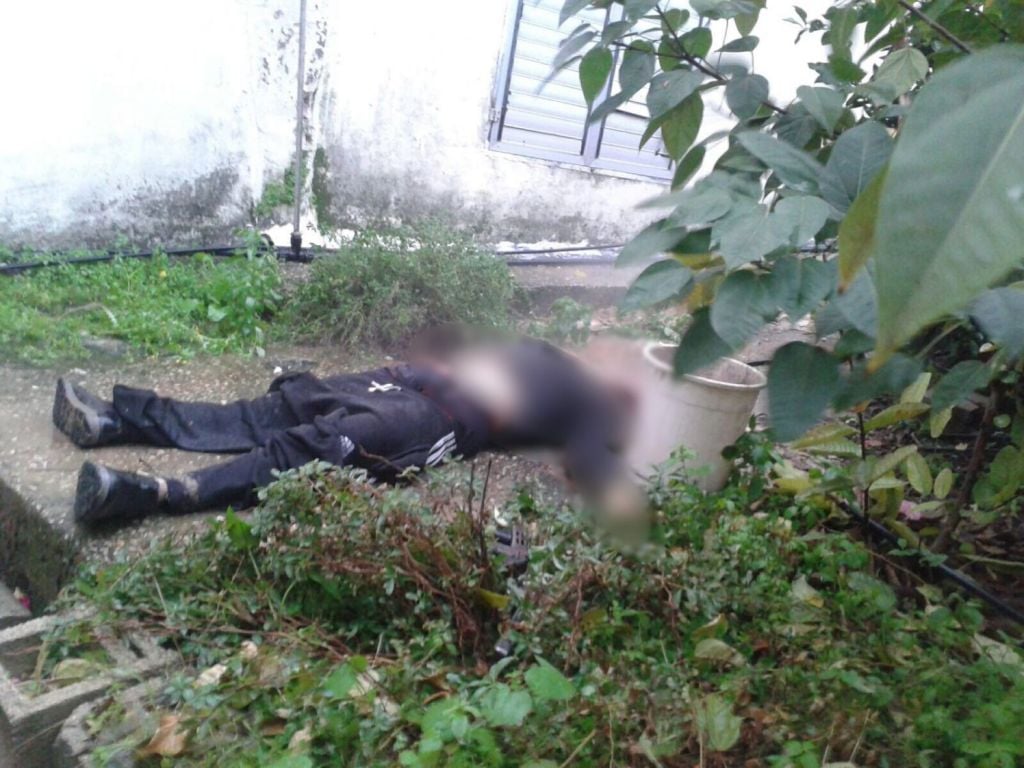
Senior police officials tell Haaretz, meanwhile, that because of the dense concentration of homes it’s not plausible that nobody in the neighborhood noticed that Milhem was hiding there.
The pundits, who were by and large silent while the manhunt continued for the suspect who killed three in Tel Aviv, also come to life.
Yossi Yehoshua writes in Yedioth Ahronoth that the Israeli public is left with a laundry list of questions after Milhem’s death. He posits that the Shin Bet must have known within 48 hours that Milhem was in his hometown, and that Arara was the first place they should have looked for him. He asks why it took so long to track down the Tel Aviv gunman. “Did the Shin Bet summon for interrogation the relevant people during this time? Where were the [Shin Bet] agents within the Arab population?” he asks, pointing to an intelligence failure.
In Haaretz, Amos Harel urges sangfroid and instructs readers not to celebrate the “unsurprising” death of Milhem at the hands of the Israeli authorities. He says that his death leaves major questions about Milhem’s motive, the way he got from Tel Aviv to Arara, but most importantly who assisted him during the week he was in hiding.
“It’s good that the chapter ended without Milhem succeeding in killing additional civilians,” Harel writes. “And yet, what that happened in this days apparently won’t be a source of particular pride for the security branches.”
In conclusion he warns that “it wasn’t a coincidence that the terrorist opened fire on Dizengoff and not in the center of Umm al-Fahm. Israel needs to recognize these facts — and plan as best it can for the possibility that Milhem wasn’t a one-time phenomenon.”
In Israel Hayom, Boaz Bismuth writes a rambling column about the week’s events, including his child’s visit to the hospital and friendship with an Arab boy, the media crucifying police chief Roni Alsheikh, and the error by “a senior pundit from a competing paper” who wrote that Milhem was hiding in the West Bank.
Bismuth’s great takeaway, however, is that the main question Israel is left with after the Milhem murders is: “Is the public entitled to isolate the actions of the individual and claim that it doesn’t bear any responsibility for them?” He says the Israeli left doesn’t hesitate to blame the right for nurturing the radical settlers who committed the Duma terror attack, but is reluctant to lay blame for Milhem on the Arab population of Israel.
In true hasbarista form, Bismuth says that while it’s easy to criticize Israel’s shortcomings, the eighth Paris terrorist from November is still not apprehended while Milhem is dead.
Residents of Arara, Milhem’s hometown where he was shot by police, just want things to go back to normal, Haaretz reports. The family set up a modest and low-key mourning tent for Nashat Milhem, and residents of the village kept almost entirely quiet about the matter. One man told the paper, however, that because of the shooting in Tel Aviv, the Israeli authorities “turned us all into suspects.” Another blamed Prime Minister Benjamin Netanyahu for besmirching the entire village in the wake of the attack.





The Times of Israel Community.