

2 Likud MKs say current hostage deal proposal would undermine government’s legitimacy
Doubling down on warning to PM, two lawmakers say they cannot be part of a coalition that fails to dismantle Hamas, removes troops from Gaza-Egypt border
 Add ToI as a Preferred Source on Google
Sam Sokol is a former political correspondent at The Times of Israel. He was previously a reporter for the Jerusalem Post, Jewish Telegraphic Agency and Haaretz. He is the author of "Putin’s Hybrid War and the Jews"
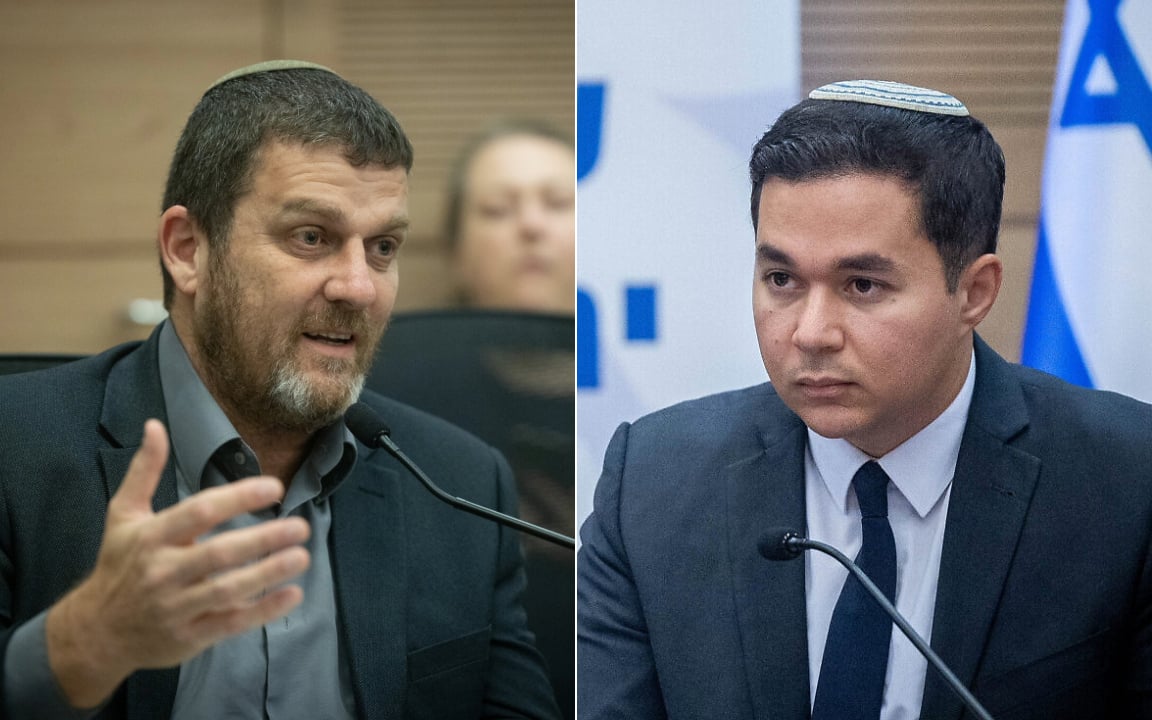
Two legislators from Prime Minister Benjamin Netanyahu’s ruling Likud party declared on Sunday that the government will lose its basic legitimacy if it approves a deal allowing Hamas to remain in power in Gaza.
Speaking with The Times of Israel on Sunday afternoon, Likud MK Dan Illouz insisted: “If the war ends with Hamas still in power, then that would be something that is an existential threat to Israel, and that’s not something I could be a part of.”
Illouz was one of eight Likud lawmakers who wrote to Netanyahu over the weekend stating that they would refuse to back the hostage deal being discussed by Israel and Hamas in indirect negotiations, unless significant changes are made to the proposal.
The lawmakers insisted that “any agreement that includes the withdrawal of our forces from their current positions in the Gaza Strip is a complete defeat” and warned against withdrawing from the so-called Philadelphi Corridor along Gaza’s border with Egypt.
In the letter, Likud MKs Amit Halevi, Hanoch Milwidsky, Dan Illouz, Moshe Saada, Ariel Kellner, Shalom Danino, Tally Gotliv, and Nisim Vaturi further demanded that all hostages be released at once, rather than in several stages, seeing this as likely leading to many not being released at all. And they warned that failing to abide by the principles they set out would “inevitably lead to the next massacre.”
Following the publication of the letter, Illouz told Israel’s Channel 12 that a government that fails to dismantle Hamas “has no right to exist.” Asked if that meant he would bolt the coalition if the government agreed to a deal with which he disagrees, Illouz told The Times of Israel that, while he would not comment on hypotheticals, he had made “a very clear statement.”
Likud MK Amit Halevi, who initiated the letter, said he agreed with Illouz’s statement regarding the government’s right to exist, asserting that Israel needs to establish full control over Gaza in order to prevent Hamas’s return to power.
“I will not be part of a coalition that takes our soldiers out of Philadelphi,” he said in a telephone interview on Sunday afternoon.
Asked if that meant he would quit Likud or try to topple the government if such an agreement were to materialize, he demurred, stating that he believed most party members and voters “think like me.”
“I think it would be horrible if our government, our coalition, lends a hand to the victory of this cruel enemy,” he stated, criticizing IDF Chief of Staff Lt. Gen. Herzi Halevi for reportedly advocating for the deal.
The entire leadership of the defense establishment has been widely reported to support the current proposal, including Likud’s Defense Minister Yoav Gallant and the heads of Mossad and the Shin Bet. Various Likud MKs and ministers have also come out in support of the deal, saying Israel has an obligation to bring back those it failed to protect on October 7.
MK Halevi said outside forces and technological means cannot replace boots on the ground, maintaining that “you cannot win if you don’t control the population and the land.”
Despite their harsh comments, both Illouz and Halevi emphasized that their letter was not meant as a threat or ultimatum, but was intended to “strengthen” Netanyahu against internal and external pressures over the deal.
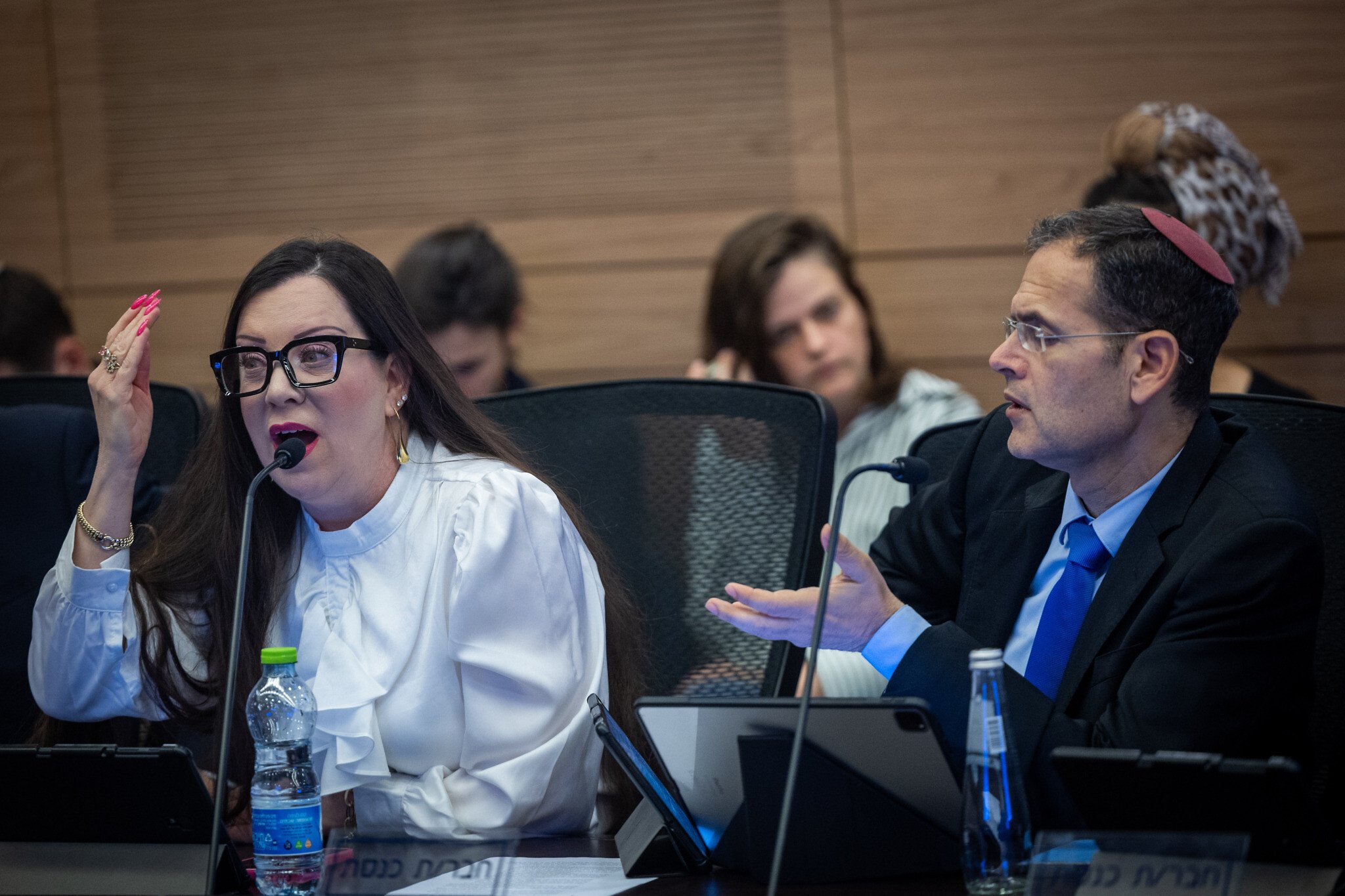
Likewise, Likud MK Tally Gotliv declared that she had “no intention of leaving the coalition.”
“At the same time, I will pressure the leadership to act on a deal that will return all the hostages in the first stage, because after that we will no longer have levers of pressure on the murderous Hamas,” she wrote in a WhatsApp message.
‘Non-negotiable’ demands
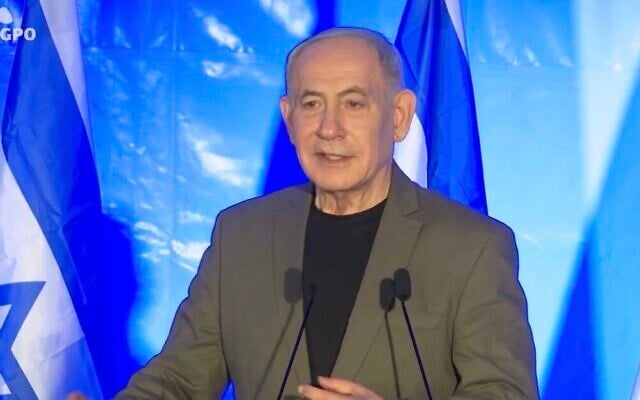
Netanyahu himself earlier this month added several “non-negotiable” demands to the hostage deal proposal, leading the negotiating team to reportedly temporarily pause talks until new clauses are drawn up. Netanyahu on Sunday announced that Israel’s negotiating team will return to the talks with Arab mediators on Thursday.
He has also pushed back against a Reuters report that Israel is considering the option of withdrawing from the Gaza-Egypt border as part of a potential ceasefire deal, calling it “complete fake news.”
Netanyahu also seemed to indicate that the IDF will maintain control of the so-called Netzarim Corridor, which currently splits the Strip in two and prevents the return of gunmen to its north.
The Netzarim and Philadelphi corridors are not specified as locations where Israeli troops will be allowed to remain, according to the text of the Israeli proposal from May recently published in full by The Times of Israel.
In fact, the document calls for the “withdrawal of Israeli forces eastwards away from densely populated areas along the borders in all areas of the Gaza Strip including Gaza Valley (Netzarim axis and Kuwait roundabout).”
Bucking the prime minister
While Likud lawmakers have not overtly threatened to bring down the government over the deal — contrary to the leaders of the far-right Religious Zionism and Otzma Yehudit parties — their willingness to confront the prime minister may be another sign that his control over his own party is weakening, even if defections still appear unlikely.
Likud MKs Gotliv and Saada recently tanked a government-backed Rabbis Bill in the Knesset Constitution, Law and Justice Committee.
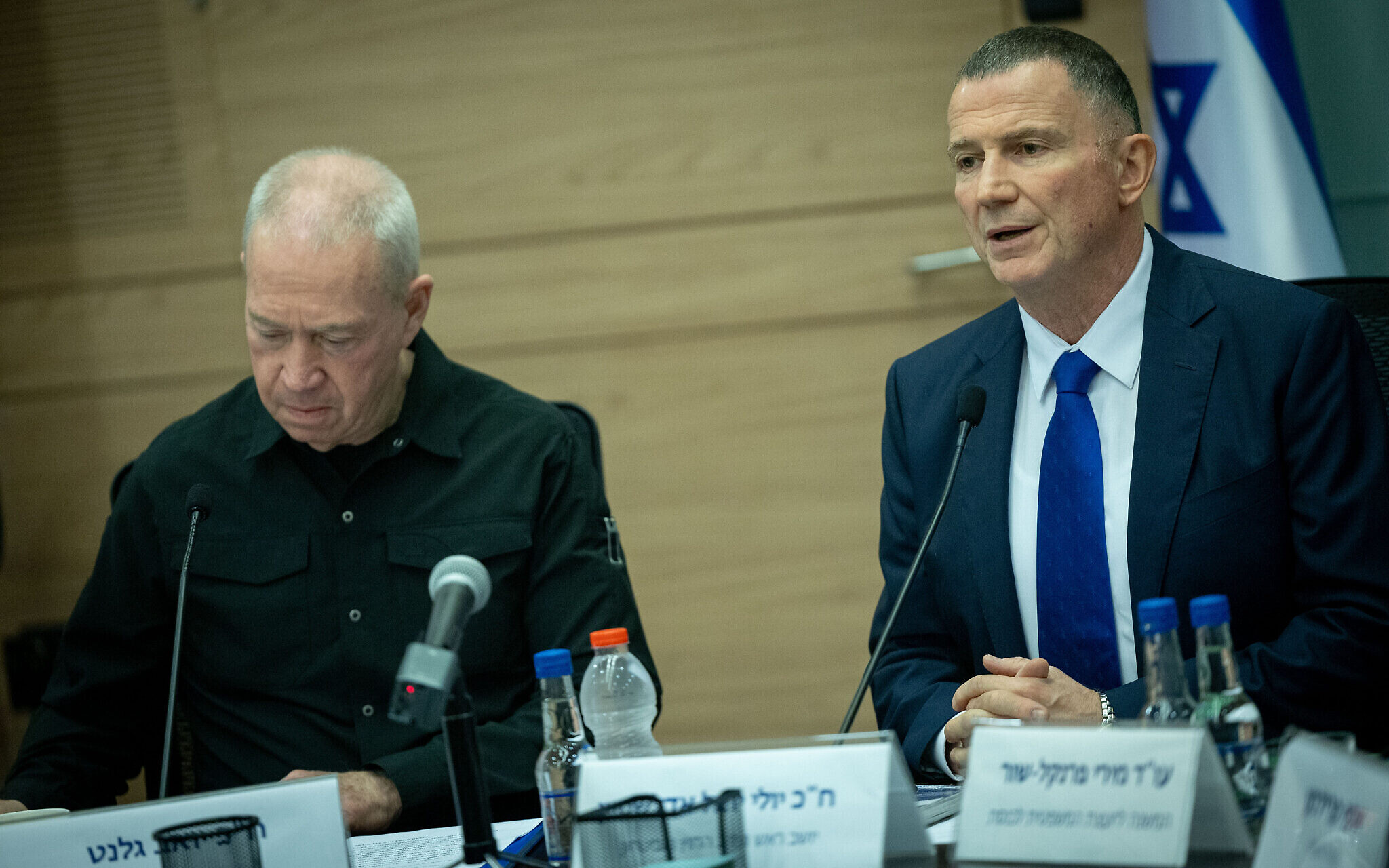
It was this breach of coalition discipline that led one United Torah Judaism lawmaker to tell The Times of Israel that his ultra-Orthodox party, a longtime ally of the prime minister, had “lost its trust and its will to be a part of this coalition.”
Likud lawmakers have also gone against Netanyahu’s stated preferences regarding the ultra-Orthodox Enlistment Law currently being debated in the Knesset.
In a joint letter to Netanyahu last month, Illouz and Saada, along with Diaspora Minister Amichai Chikli, stated that they would not support the bill in its final readings without “significant changes,” as they believe it does not sufficiently guarantee significant Haredi enlistment.
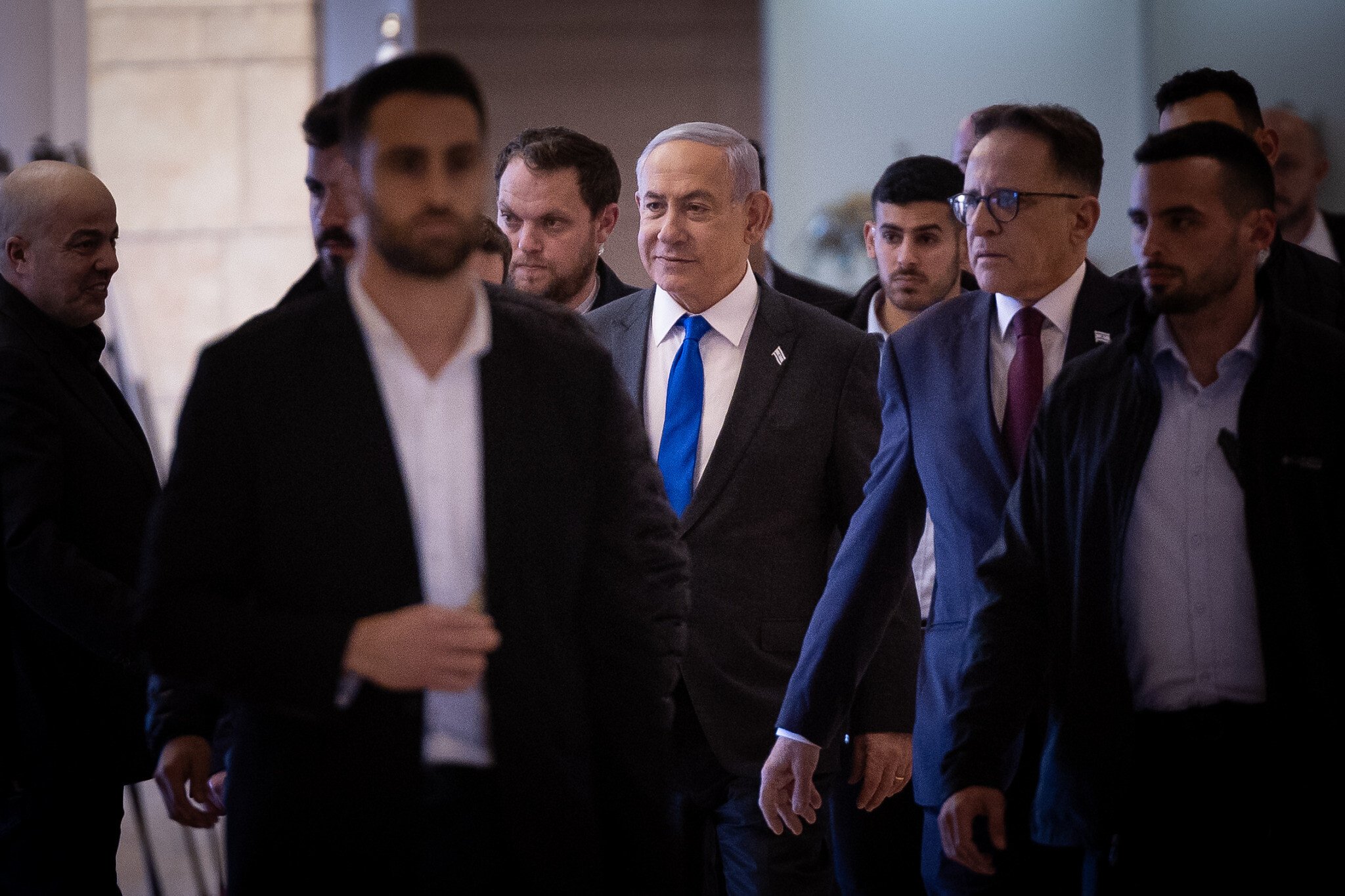
Economy Minister Nir Barkat and Gallant have also come out against that legislation as written — while Knesset Foreign Affairs and Defense Committee chairman Yuli Edelstein has angered Netanyahu’s ultra-Orthodox allies by stating that he would not allow the bill out of committee without what he termed “broad agreement.”
“I think we’re seeing a very dynamic, democratic party with different perspectives,” Illouz said when asked why members of his party were taking stances in direct opposition to Netanyahu’s wishes.
“As long as there will be a way for us to push forward our values as a rightwing party — conservative and free market-oriented and everything that has to do with these things — then we will see Likud sticking to its values and the coalition thriving,” he said. “And this is what I’m aiming for, to give a voice to the values [of] the voters.”






The Times of Israel Community.