

After vote torpedoed, Knesset to fill second MK spot on judicial panel on July 12
Election scheduled for almost the maximum 30 days after failed June 14 vote; far-right MK Kroizer expected to nab coalition seat, but unclear if Levin will even convene committee
 Add ToI as a Preferred Source on Google
Carrie Keller-Lynn is a former political and legal correspondent for The Times of Israel
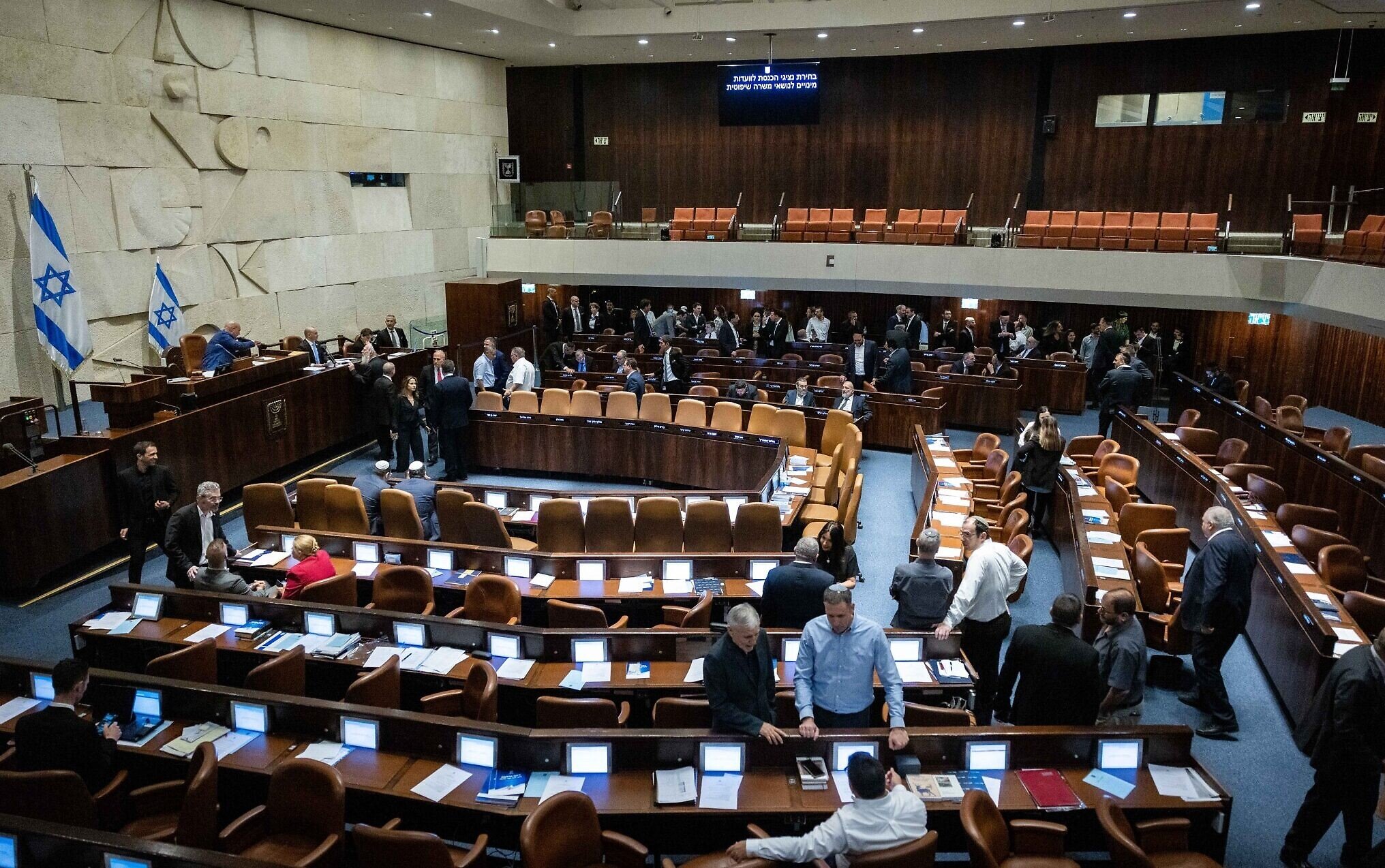
The Knesset is set to elect its final representative to sit on the Judicial Selection Committee on July 12, according to a letter sent Tuesday from Knesset Secretary Dan Marzouk to lawmakers.
MK Yitzhak Kroizer of the coalition’s far-right Otzma Yehudit party is expected to be elected to join the opposition’s Karine Elharrar (Yesh Atid) on the panel.
Elharrar was the sole lawmaker chosen earlier this month, in an upset vote that highlighted discord within Prime Minister Benjamin Netanyahu’s Likud party.
The torpedoed election was on June 14, meaning the coalition is utilizing close to its full 30-day allocation to delay the vote to select a second lawmaker.
Opposition politicians have demanded that the coalition work to fully staff and convene the committee immediately, as one of their conditions for resuming compromise negotiations at the President’s Residence on reforming the judiciary.
Many in the opposition believe that Justice Minister Yariv Levin has no intention of convening the panel at all, after reported leaks of closed-door conversations between Levin and associates about such a plan. Levin has publicly decried the current judicial appointment method — which forces power sharing between political and professional representatives — as “invalid” for a democracy. Radically altering the committee’s makeup, in order to exert greater political control, is a central element of his plan to reduce judicial checks on political power.
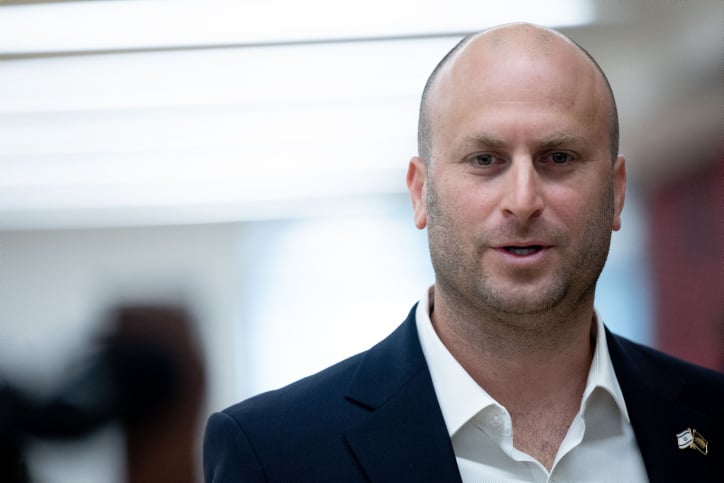
The election last week of Amit Becher to lead the Israel Bar Association is thought to have increased the likelihood that Levin will not convene the panel, as Becher is an outspoken critic of Levin’s vision to overhaul the judiciary.
The Bar Association’s National Council will choose two representatives to sit on the Judicial Selection Committee, and Becher is expected to have considerable influence over the decision.
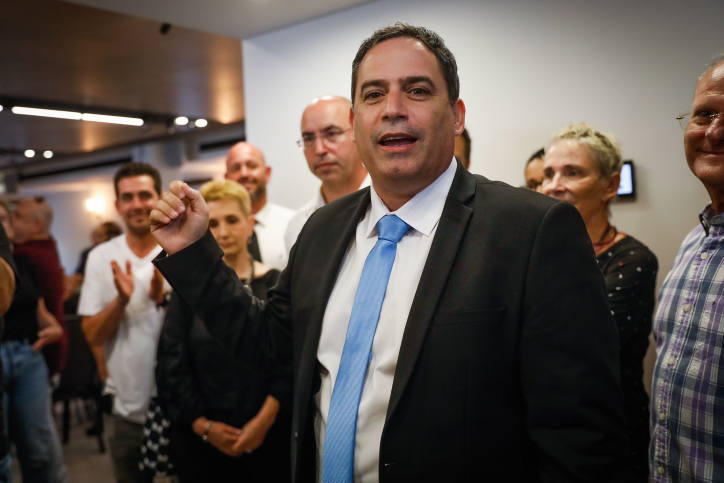
In addition to the missing lawmaker and Bar representatives, the coalition also needs to tap a second minister to join Levin on the panel, rounding out the four political members of the authority. Three judges will join them, bringing the panel to nine members. A supermajority of seven is necessary to appoint Supreme Court justices, and Israel is set two have two High Court vacancies this fall. Lower court judges, and the Supreme Court’s new president, can be picked with a simple majority of five.
When the Knesset held a vote on June 14 to elect the two MKs who sit on the panel, a series of political maneuvers and unexpected twists in the secret ballot led to only one seat being filled, by opposition MK Elharrar.
Coalition figures had sparred in the days leading up to the vote about their desire to appoint two government-backed MKs to the panel, instead of sticking to the tradition of appointing one from the coalition and one from the opposition. Failing to reach a decision before the day of the vote, Netanyahu sought instead to torpedo the entire vote by forcing all the candidates to drop out, and demanding that coalition MKs vote against any candidates, which would have necessitated a repeat election for both seats.
But renegade Likud MK Tally Gotliv refused to drop out of contention for the position, despite Netanyahu’s demand. Nevertheless, the prime minister instructed coalition lawmakers to vote against both candidates. However, the results of the secret ballot revealed that several MKs in the government had crossed the aisle to vote for Elharrar, leading to her appointment to the panel, but the second seat was left empty after Gotliv’s candidacy failed.
The attempted political maneuvering and the further delay in even the possibility of convening the Judicial Selection Committee led to the opposition freezing the overhaul compromise talks. In turn, the government announced it would move ahead unilaterally with some of the legislation in the current Knesset session, with other elements of the judicial shakeup slated to be raised following the summer break.
Times of Israel staff contributed to this report.







The Times of Israel Community.