

Amid threats of fresh bout with Iran, experts warn missile defenses may not be ready
With Tehran rebuilding its arsenal and US interceptor supplies depleted and slow to replenish, analysts say another war may prove more of a challenge to Israel’s home front

 Add ToI as a Preferred Source on Google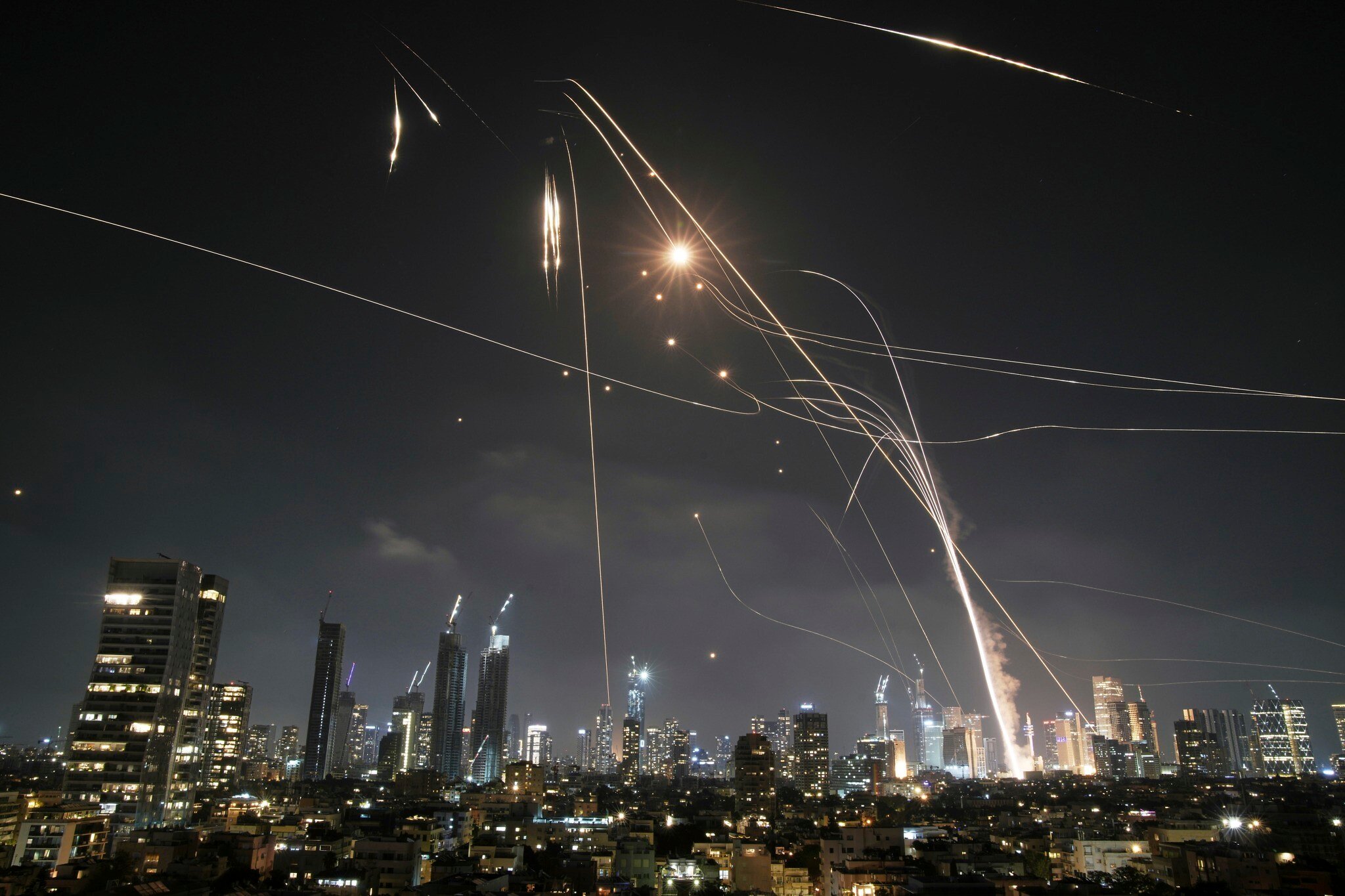
As reports pile up of intelligence pointing to renewed Iranian missile production since the June war with Israel, analysts increasingly believe that a fresh confrontation with Iran may be approaching.
But a new war may find Israel less equipped to defend itself against Tehran’s still-potent missile threat than it was in the 12-day round of fighting in the spring.
The June conflict exposed not just the scale of Iran’s missile threat, but the limits of the defenses arrayed against it. While Tehran has moved to rebuild and adjust its missile operations, Israel and the United States remain constrained by depleted interceptor stockpiles and long production timelines — a dynamic that experts say could fundamentally alter the next bout.
Prime Minister Benjamin Netanyahu was widely expected to raise concerns in his meeting with US President Donald Trump on Monday about Iran’s efforts to rearm itself, which have mounted in recent months.
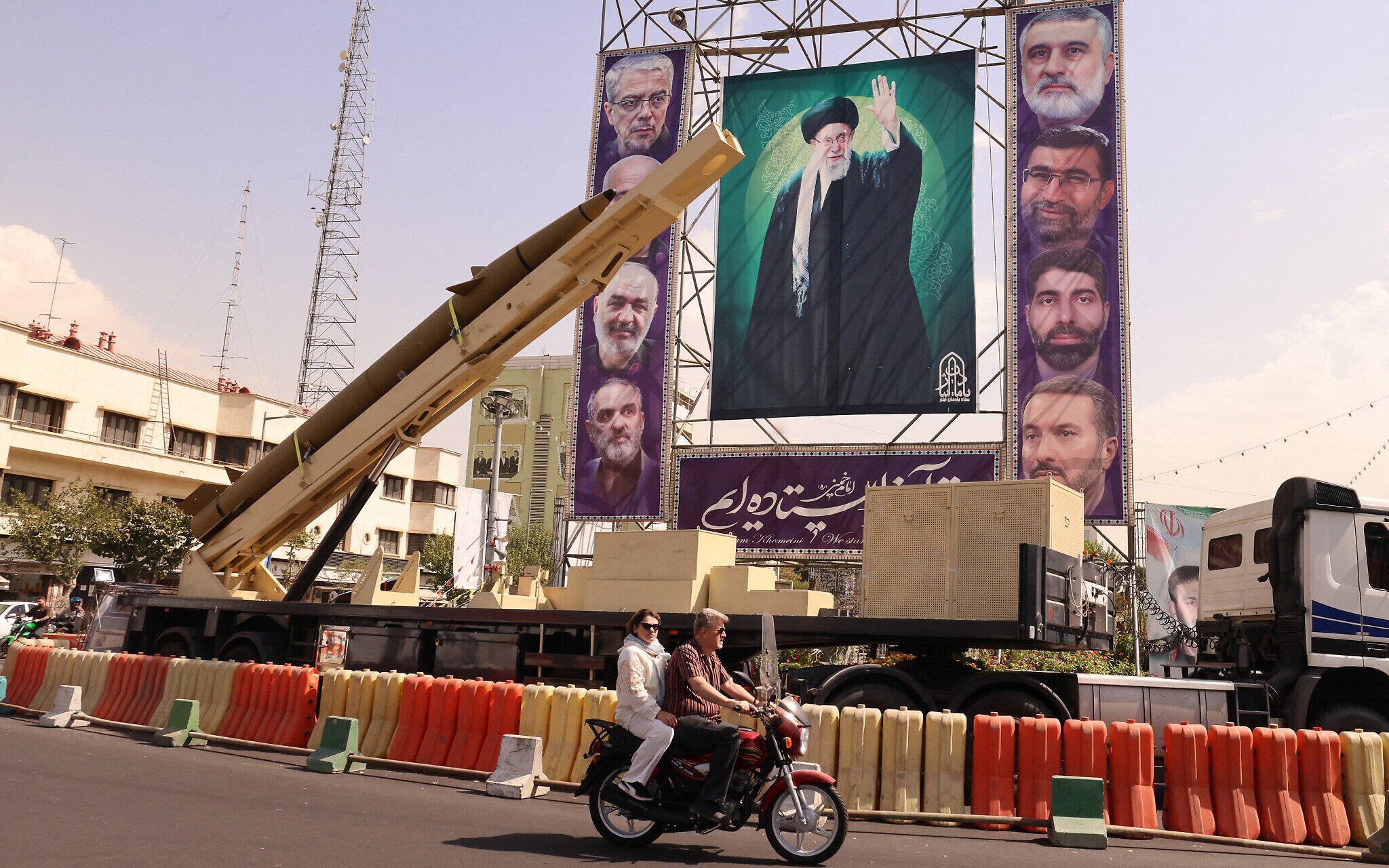
According to an October CNN report citing European intelligence sources, multiple shipments of sodium perchlorate — a key ingredient used to produce the solid propellant for Iran’s mid-range conventional missiles — arrived from China at the Iranian port of Bandar Abbas beginning in late September.
More recently, NBC reported that Israeli officials were concerned with Iran’s growing ballistic missile program, with one undisclosed source warning that, left unchecked, the country’s production could climb to as many as 3,000 missiles per year.
Another report has suggested that Israel believes Iran currently possesses some 2,000 ballistic missiles, roughly the same number it had on the eve of the 12-day war. Analysts are said to have concluded that the damage Israel inflicted on Iran’s ballistic missile program during the conflict with the Islamic Republic was “less severe” than initially assessed.
Iran itself has sent mixed signals about the state of its missile program. A news outlet affiliated with the Islamic Revolutionary Guard Corps — which oversees the country’s ballistic missile development — reported last week that missile tests had been conducted nationwide, only for Iran’s state broadcaster to swiftly deny that any tests had taken place.
Iran on Monday denounced the reports as a “psychological operation” against Tehran, emphasizing it was fully prepared to defend itself, and warning renewed aggression would “result in harsher consequences” for Israel.
Yet while attention has centered on Iran’s missile production, experts warn the more consequential imbalance may be on the defensive side of the equation.
In particular, the availability of American missile defenses — especially US-operated Terminal High Altitude Area Defense (THAAD) interceptors — has emerged as a potentially critical limitation. During the last Israel-Iran exchange, US interceptor stockpiles played an outsized role in knocking down projectiles and were significantly depleted, raising doubts about whether Israel could again rely on the same level of American air-defense support.
“It’s a very real concern,” said Ari Cicurel, associate director of foreign policy at the Jewish Institute for National Security Affairs (JINSA). “Both Israel and the US used an immense amount of their interceptor stockpiles… we are still very far behind in replenishing to get back to what we had before.”
America’s thinning shield
According to reports published several weeks after the war, American forces were said to have fired between 100 and 150 THAAD missiles — each costing an estimated $12.7 million — while helping to shoot down some 500 missiles fired by Iran.
The total reportedly expended roughly a quarter of the US THAAD interceptor stockpile over the course of the 12-day conflict.
JINSA estimated that US THAAD interceptions accounted for roughly half of all missiles shot down during the war. In addition to THAAD, US forces were also reported to have fired around 80 ship-based RIM-161 Standard Missile-3 interceptors, meaning more that half of all interceptions were seemingly thanks to Uncle Sam.
The precise balance between US and Israeli interceptions cannot be verified, as Israel has not released official interceptor expenditure figures.
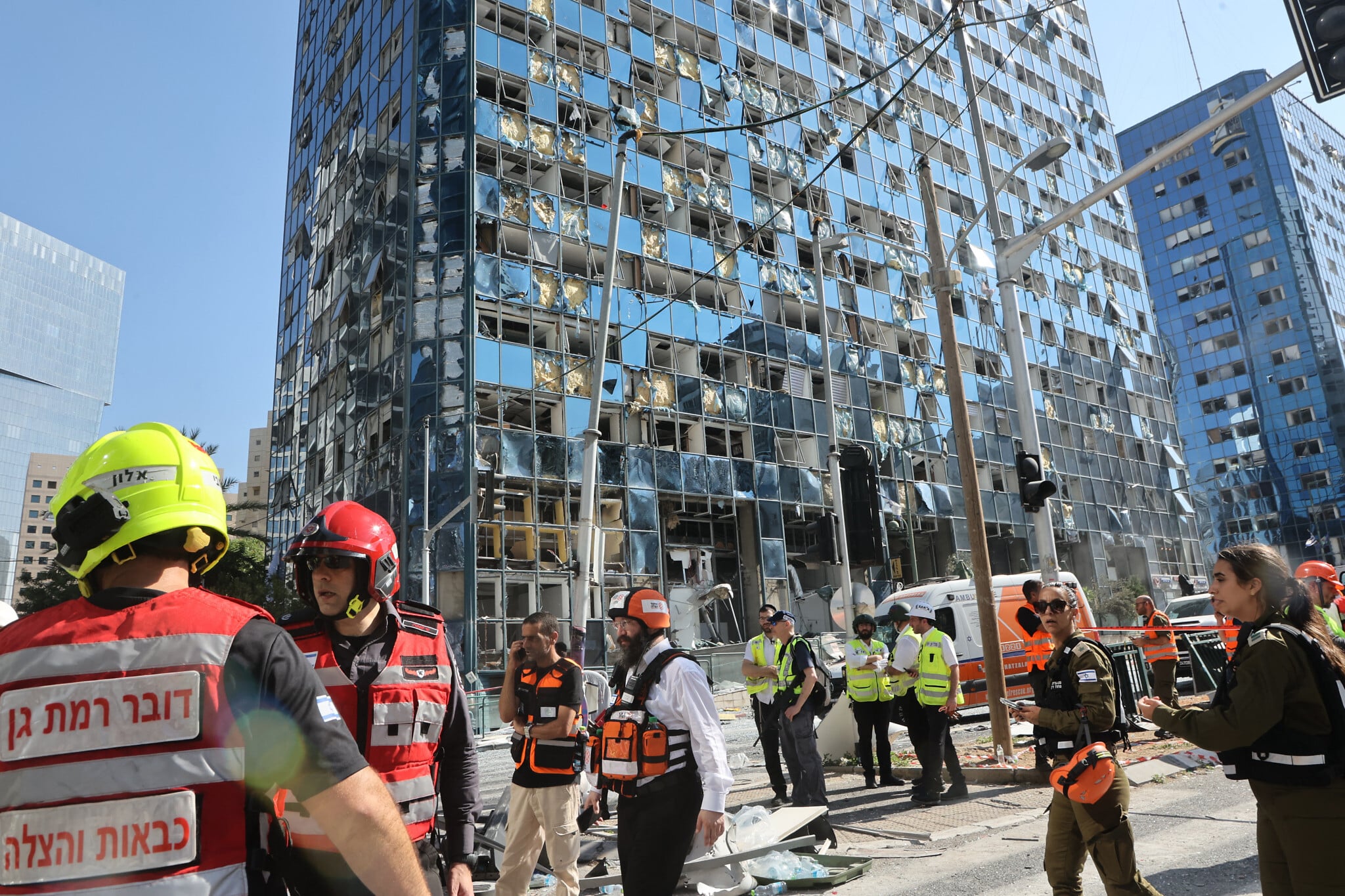
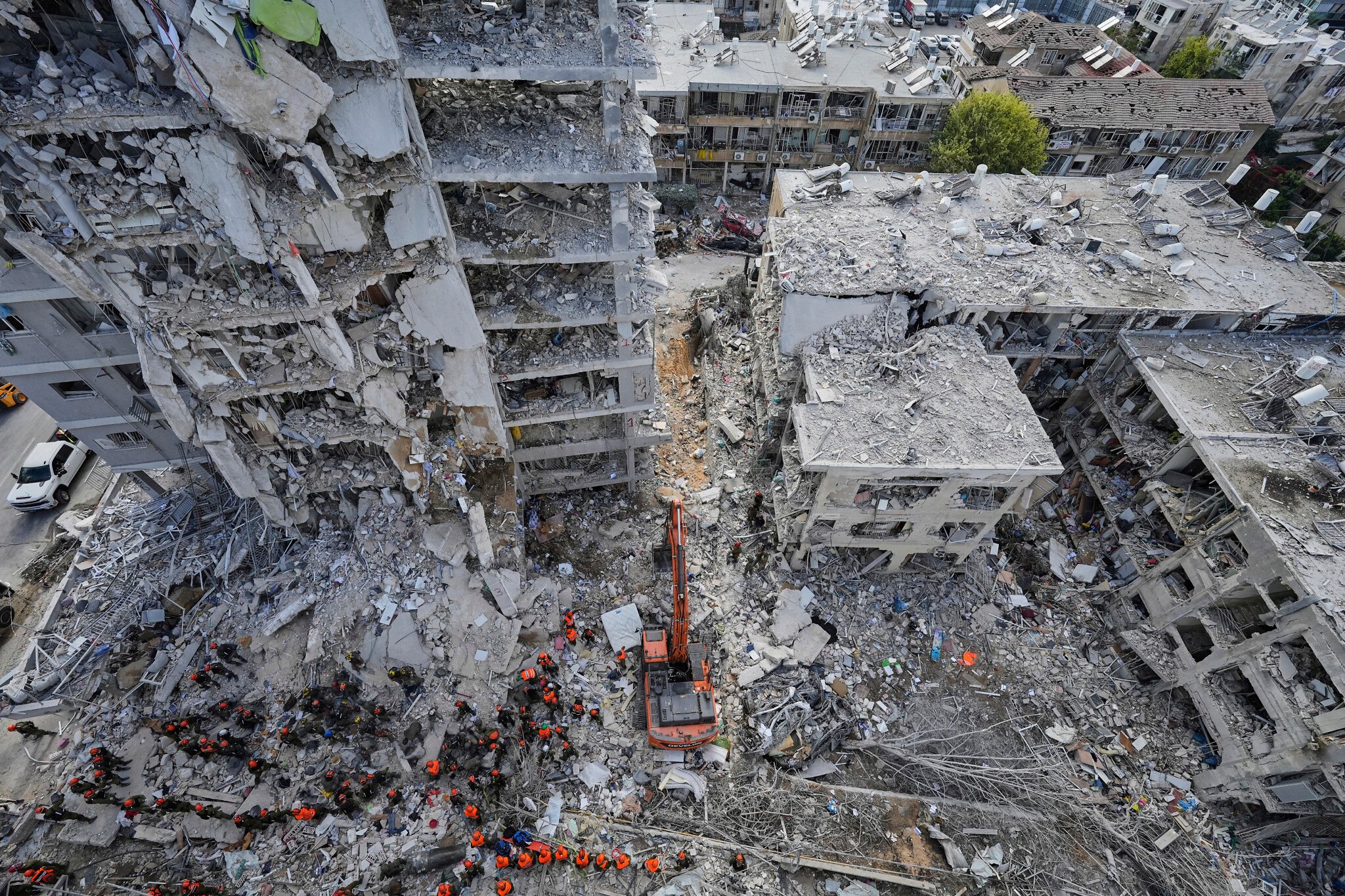
Nonetheless, at least 36 missiles made it through the defense array and hit populated areas, killing 32 people and wounding over 3,000, according to health officials and hospitals.
The missiles, along with one successful drone strike, caused damage to 2,305 homes in 240 buildings, along with two universities and a hospital, leaving over 13,000 Israelis displaced.
According to Cicurel, the fighting underscored a hard lesson for both Israel and its allies: “What we had before isn’t enough — that baseline is not sufficient.”
The sheer volume of interceptors required, he said, exposed the limits of existing missile-defense assumptions in the face of sustained, high-intensity missile attacks.
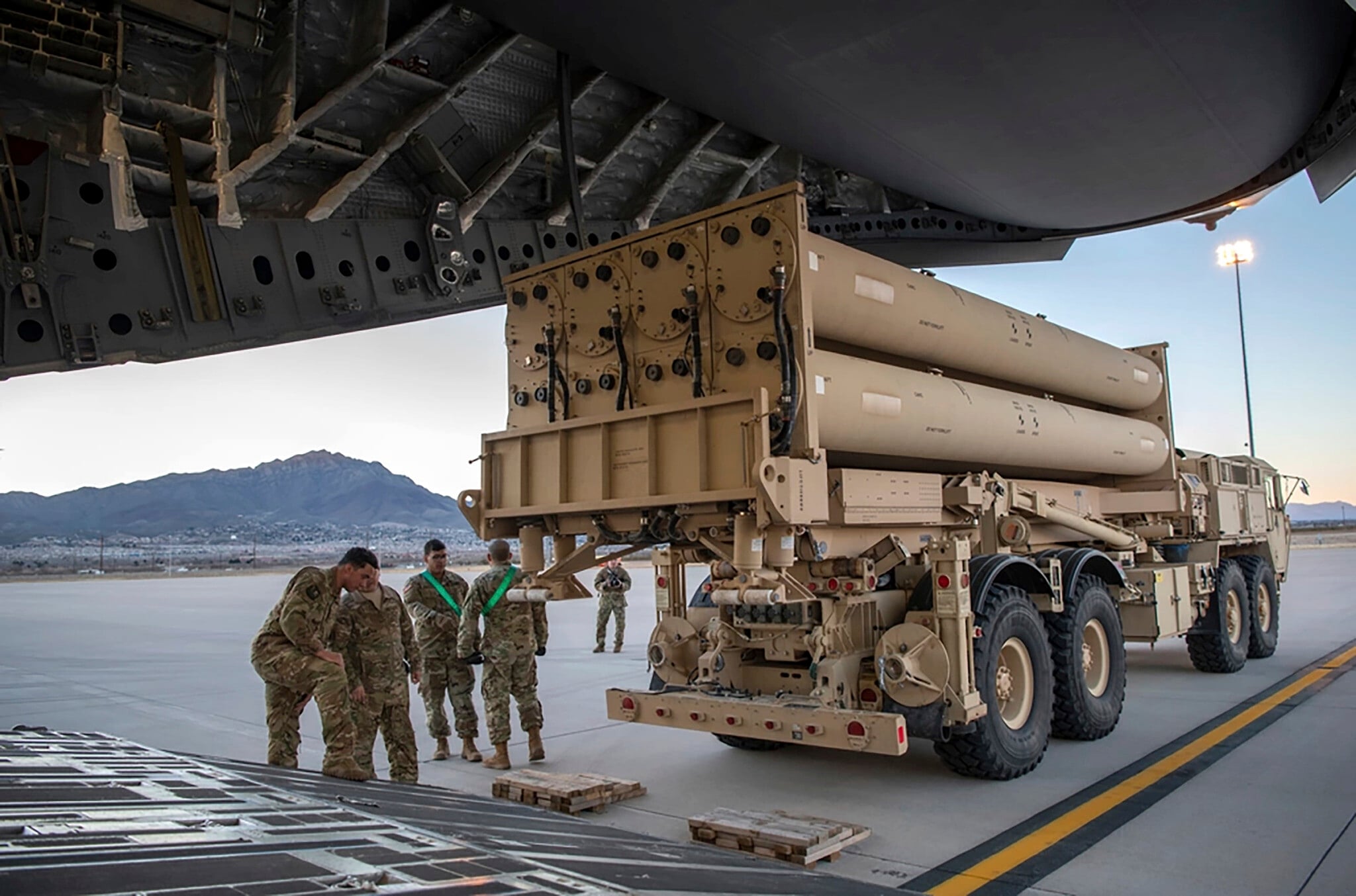
The strain on US inventories has since forced Washington to accelerate efforts to rebuild its missile stockpiles. In recent months, the US launched the Munitions Acceleration Council, which the Defense Department said “has begun pursuing increased production,” reflecting growing concern that current production rates are ill-suited to modern, missile-heavy conflicts.
Those concerns were echoed in September, when The Wall Street Journal reported that the Pentagon was pressing missile manufacturers to ramp up output at an unprecedented pace, urging them to double or even quadruple their production.
Yet, even if the United States were able to significantly replenish its THAAD interceptor inventory before the next Israel-Iran clash — a prospect widely viewed as unlikely given the lengthy gap between procurement decisions and delivery timelines — Israel may not be able to assume the same level of American support if US forces are focused elsewhere.
“You’re seeing an increasing [American] deprioritization of Europe and of the Middle East that is definitely concerning, considering the immense threats that still endure with Russia and Iran,” Cicurel told The Times of Israel.
According to him, US President Donald Trump and his administration have increasingly focused American strategic attention elsewhere, particularly on China and Venezuela.

“What has continued is that the Trump administration… [still sees] Israel as a strategic partner to the United States,” Cicurel added.
But securing American backing in a future conflict with Iran, he warned, may require more than long-standing ties alone, stressing that “we need to further expand that [partnership] going forward as the United States is increasingly looking to other regions.”
Assessing Iran’s readiness
According to Cicurel, Iran is “leveraging the pause” in hostilities with Israel to replenish its missile arsenal.
However, Tal Inbar, a veteran expert in aviation policy, space, and missile issues, expressed skepticism over recent reports of a resurgence in Iran’s missile production, including the NBC report claiming that the Islamic Republic could soon reach missile production rates of 3,000 per year.
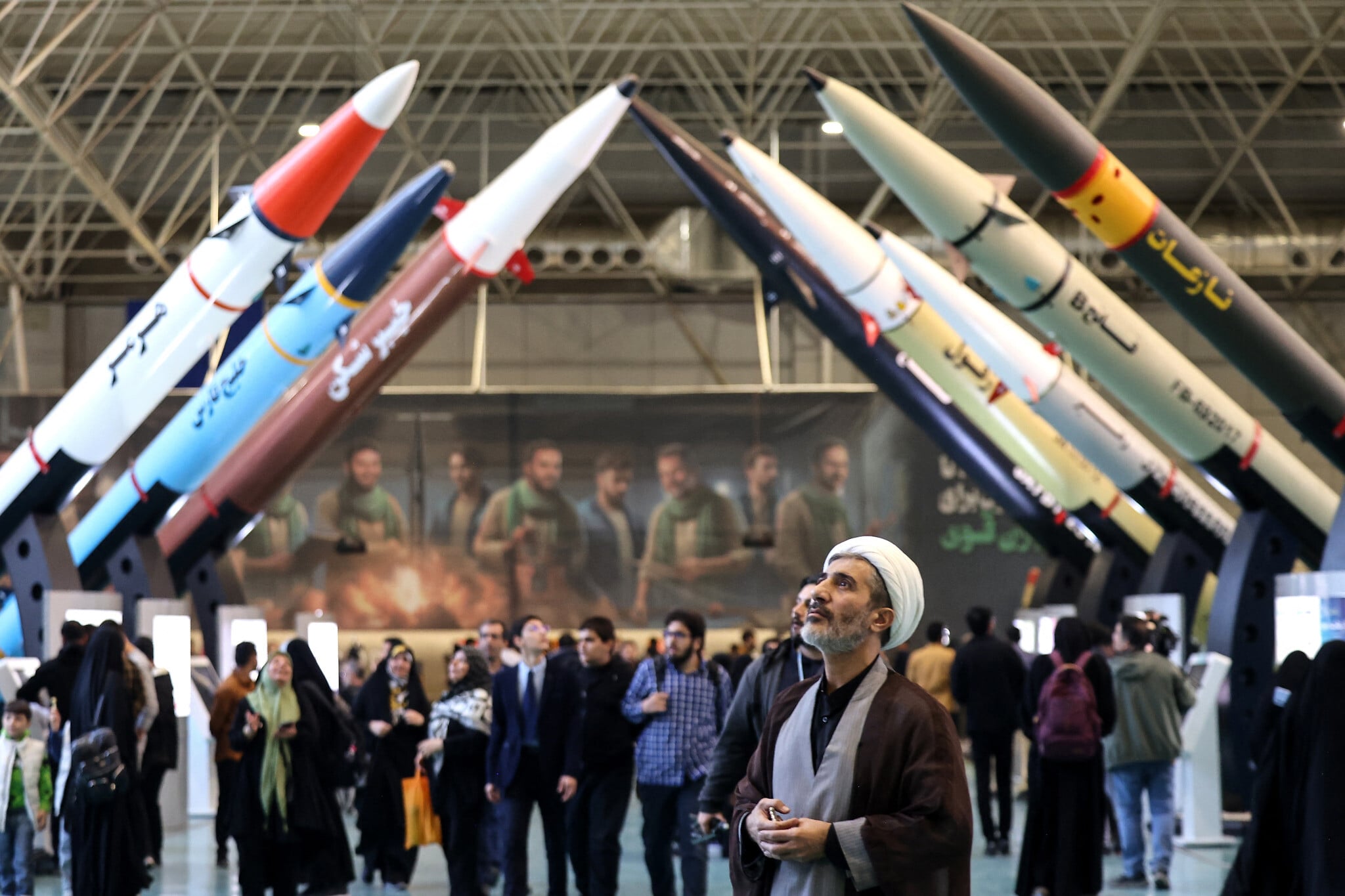
“Those… numbers are way too high for any country, not just for Iran,” Inbar said.
He argued that even the world’s most advanced defense industries are not structured to sustain prolonged missile production at such rates.
But ballistic missiles can still be manufactured relatively quickly and at scale, far outpacing production of THAAD interceptors, which involve prolonged assembly and testing cycles, sharply limiting how fast inventories can be rebuilt after heavy use.
“The pace of producing THAAD interceptors in Lockheed Martin is less than 20 a year — and that’s Lockheed Martin,” said Inbar.
Pentagon procurement plans currently call for the purchase of just 37 THAAD interceptors in 2026 — a fraction of the number expended in defense of Israel during the 12-day conflict.
Despite lingering questions over the pace of the Islamic Regime’s missile production, Inbar stressed that “Iran is, of course, continuing to produce ballistic missiles,” pointing to satellite imagery indicating that damaged missile-production facilities have begun to be rebuilt.

“If the question is ‘does Iran have the capability to conduct a massive strike of ballistic missiles on Israel?’ The short answer is yes,” Inbar said, stressing that such assessments should still be treated carefully amid what he described as exaggerated media reporting.
At the same time, Inbar cautioned that Iran’s true capabilities cannot be assessed solely by production figures, pointing to the types of weapons Tehran has so far chosen not to employ.
He noted that Iran has refrained from using its most sophisticated missile systems — including hypersonic missiles — in its attacks against Israel, both during the June conflict and in earlier exchanges in April and October of last year.
Hypersonic missiles, broadly defined, are weapons that travel at speeds exceeding five times the speed of sound, or Mach 5. The category encompasses both certain advanced ballistic missiles and hypersonic glide vehicles, which maneuver within the atmosphere at extreme speeds rather than following the predictable ballistic arcs of traditional missiles, making them more difficult to track and intercept.
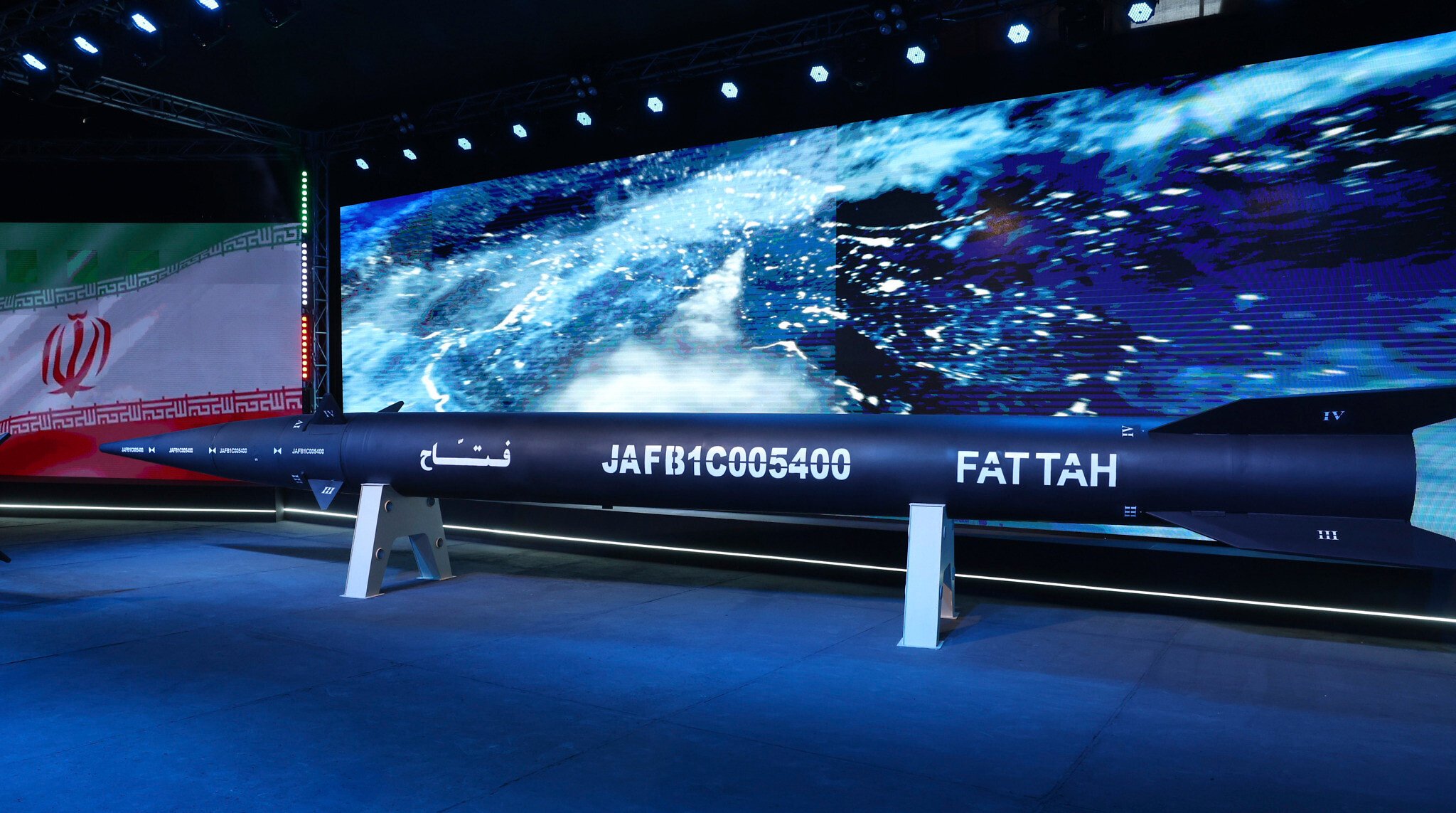
Still, Inbar stressed that such missiles are not a “miracle weapon.” While he believes Iran could choose to deploy hypersonic missiles in a future conflict, he emphasized that they could still be downed by Israel’s missile-defense systems.
Lessons from the last war
Israel launched the war on June 13 with a sweeping surprise assault on Iran’s top military leaders, nuclear scientists, uranium enrichment sites and ballistic missile program, framing it as necessary to prevent the Islamic Republic from realizing its avowed plan to destroy the Jewish state by developing nuclear arms.
Over the course of 12 days, Israel took control of Iran’s skies, rendering its air defense systems practically non-existent, while continuing to take out missile caches and production sites.
The 12-day conflict came to an abrupt conclusion with a ceasefire announced by Trump, following US strikes on Iran’s nuclear program.
“The last war, Israel had an immense advantage by launching this surprise attack,” Cicurel explained. “If that isn’t the case in the next war, either because Iran is able to repair its air defenses, it’s more prepared or because it chooses to preempt instead — which is a very real possibility — the early course of the war could drag out.”
Cicurel was referring to Iran’s decision to open the previous conflict with large, coordinated missile salvos, beginning with a wave of roughly 100 ballistic missiles launched simultaneously. While those barrages eventually slackened in size and frequency, analysts caution that Iran has since had time to assess its performance, repair damage and refine its operational approach.
It may also be repairing and improving its air defenses.
The Iranian Students’ News Agency quoted Chief of Staff of the Iranian Armed Forces Maj. Gen. Abdolrahim Mousavi in mid-December as saying, “The continuous enhancement of air defense capabilities is progressing successfully as a result of round-the-clock and uninterrupted efforts of our colleagues in the air defense units,” though the extent of that recovery remains unclear.
In a future confrontation, Cicurel said, Iran may be better positioned to launch repeated salvos over a longer period, especially if Israel lacks the element of surprise. That shift could transform the opening phase from a rapid Israeli advantage into a prolonged and more evenly matched exchange that is drawn out well beyond 12 days, with disastrous consequences for both sides.
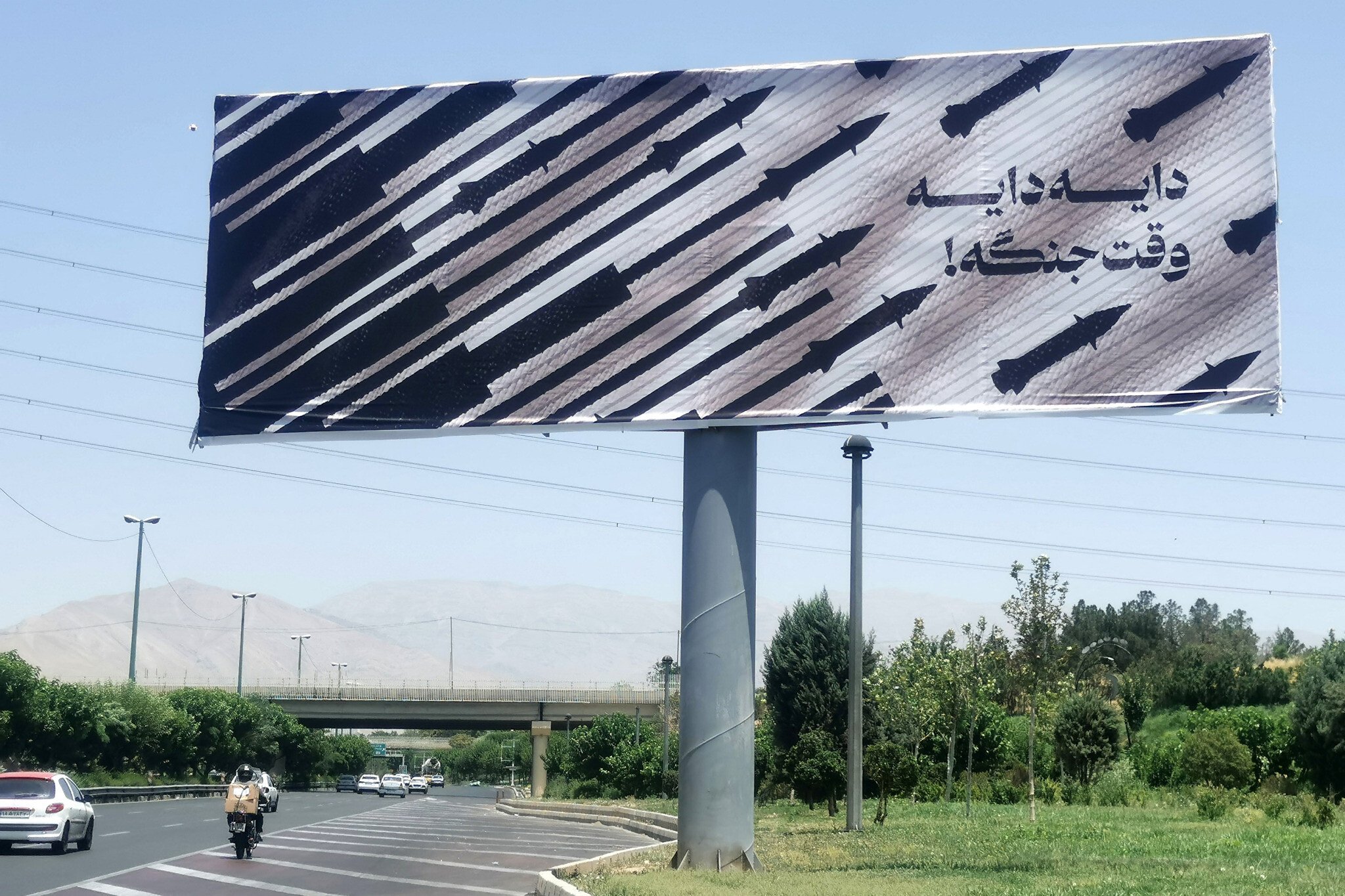
“In that environment, the length of the war — the intensity of the attacks on both sides — could possibly increase,” Cicurel said.
According to Inbar, Iran launching 100 missiles a day over the span of a few days would be “a challenge to intercept.”
While Israel’s arsenal includes locally made systems able to complement the THAAD, it would still struggle to deal with repeated large salvos.
The difficulty, according to Inbar, lies in the inherent limits of any missile defense system when faced with sustained, high-volume attacks designed to tax both interceptor inventories and response capacity.
“Nobody can intercept all of the incoming missiles… There is no 100% missile defense [system], but… it will cause more obstacles to defend a country when you have a large quantity of incoming missiles,” he said.
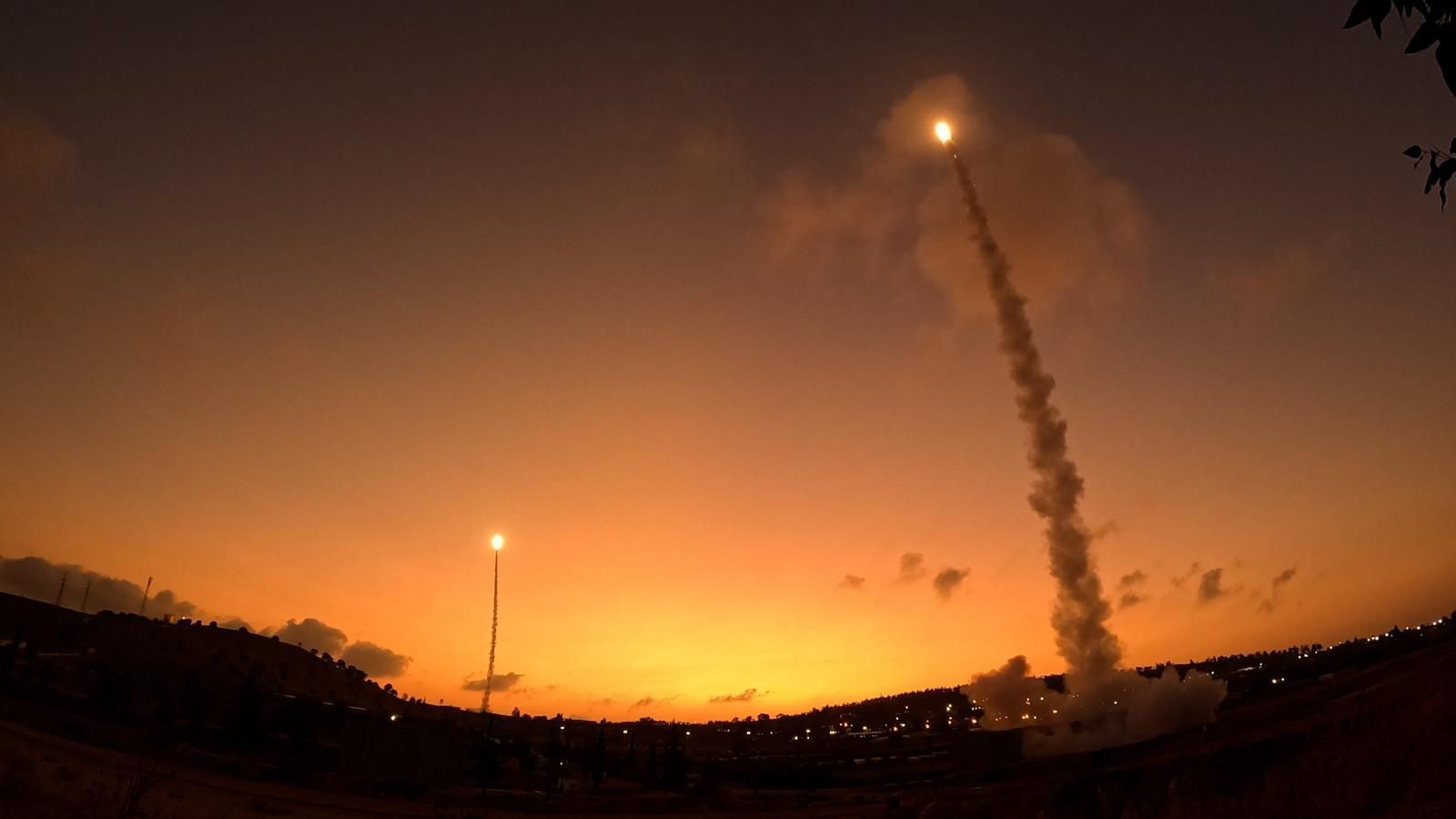
According to Defense Ministry figures, Israel’s multi-layered air defense system maintained a success rate of approximately 86% against ballistic missiles launched from Iran in the June conflict.
Cicurel highlighted the continued presence of Iran’s regional proxies as another key concern.
“Obviously, Israel is fighting Hezbollah still,” he said, noting the recent rise in Israeli strikes in Lebanon aimed at keeping the Iran-backed proxy from rearming. And there is also an ongoing threat from Yemen, where Houthi rebels have shown the ability to launch limited salvos of long-range missiles at Israel.
“The Houthis are building a ballistic missile threat that may even surpass Iran’s soon,” he warned.
As analysts sift through a swirl of contradictory and, at times, unverifiable reports, predicting the trajectory of Israel’s next confrontation with Iran has become increasingly difficult. What is clear, Inbar warned, is this: “It won’t be the same.”








The Times of Israel Community.