

Australia to form royal commission into antisemitism after Bondi terror shooting
Prime Minister Albanese says probe, country’s most powerful form of government inquiry, will look at what drives antisemitism as well as circumstances surrounding deadly attack
 Add ToI as a Preferred Source on Google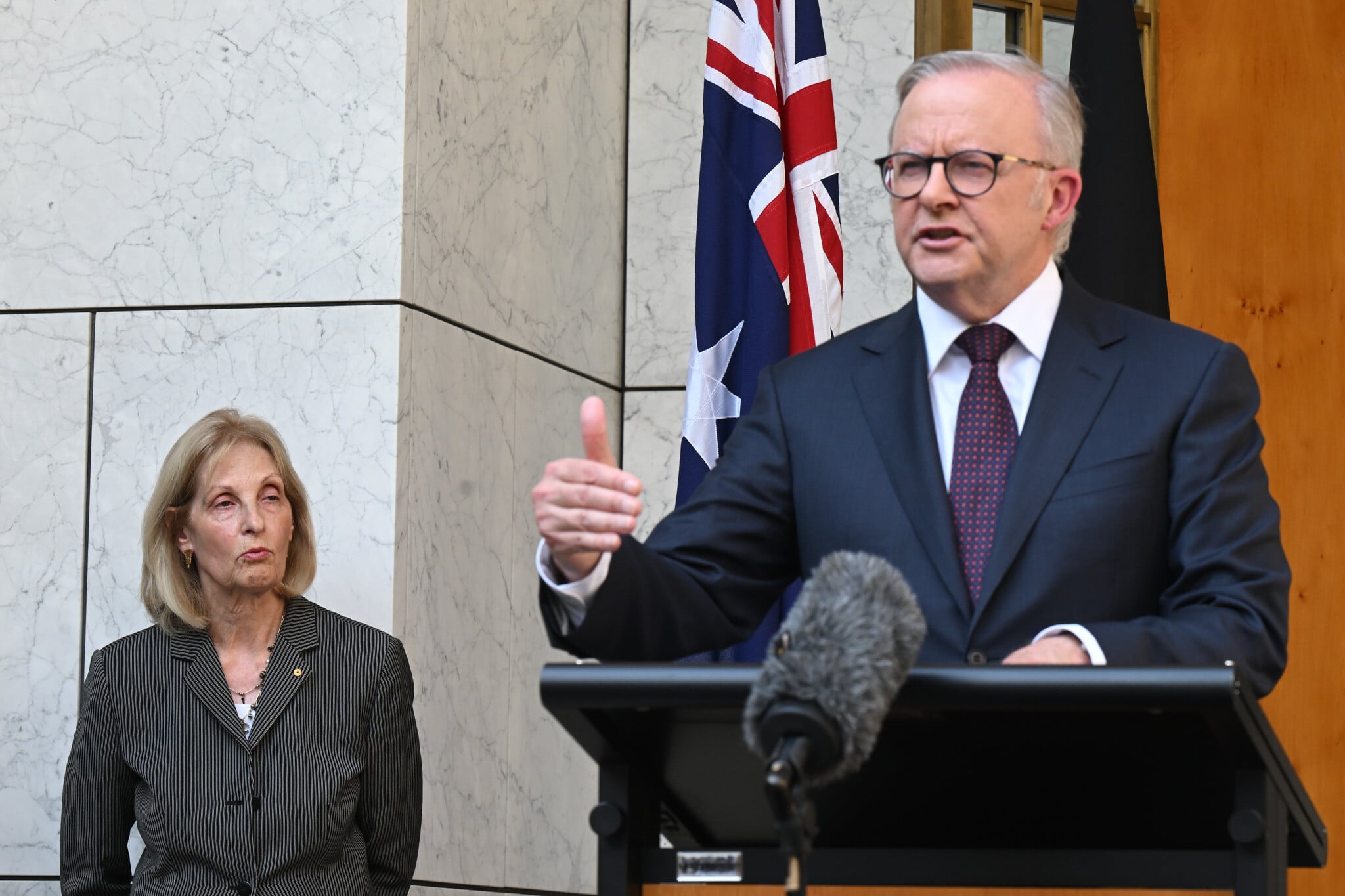
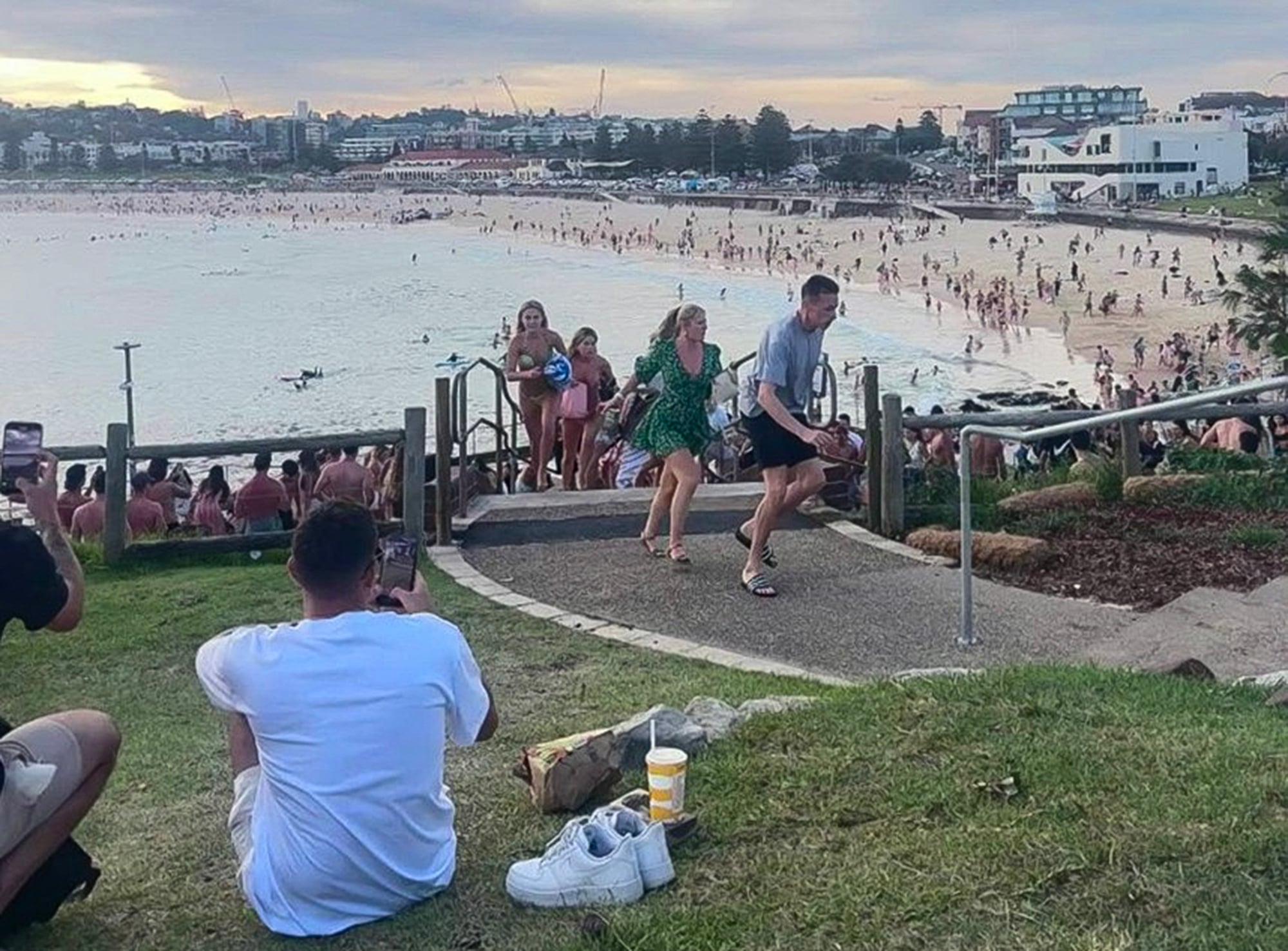
SYDNEY — Australia will form a royal commission to investigate the mass terror shooting that killed 15 people at Bondi Beach during a Hanukkah celebration, Prime Minister Anthony Albanese said Thursday, as he faced public demands for answers.
The commission will investigate the nature, prevalence, and drivers of antisemitism in general, as well as the circumstances of the Bondi mass shooting, Albanese told reporters in Canberra on Thursday. It will also make recommendations regarding law enforcement, strengthening social cohesion and countering the spread of extremism.
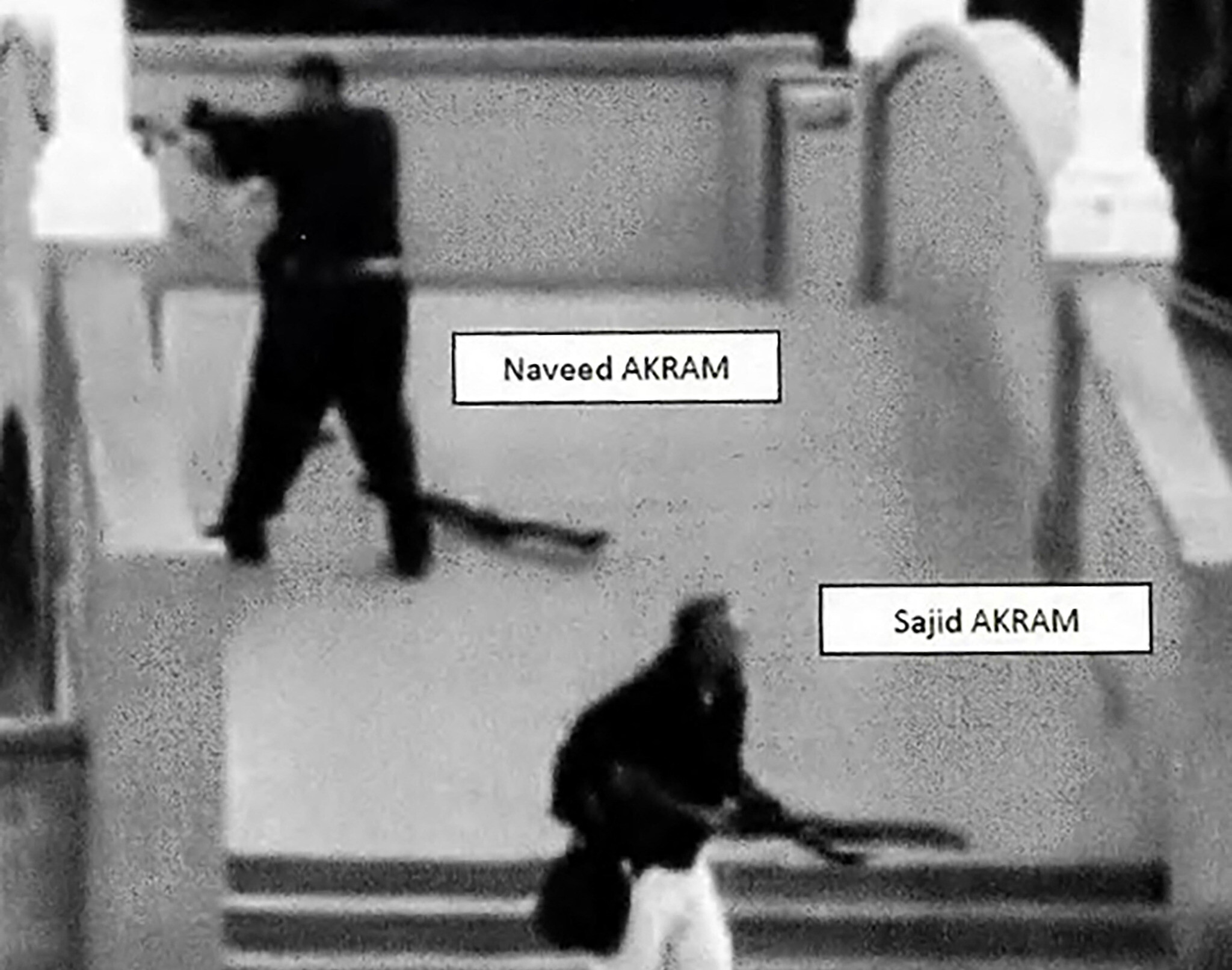
Sajid Akram and his son Naveed targeted Jews attending the Hanukkah event in an ISIS-inspired attack on December 14, the nation’s worst mass shooting in 30 years and the worst antisemitic attack outside Israel in decades. Sajid was killed by police during the attack, while Naveed was shot but survived.
A royal commission, which is the most powerful form of government-commissioned inquiry that can be held in Australia, has the power to summon witnesses and request documents as evidence. It will be led by former High Court judge Virginia Bell, Albanese said.
A report is due by December 14, which will be a year to the day since the shooting.
“This was an antisemitic terrorist attack, aimed at Jewish Australians, inspired by ISIS, the deadliest that has ever occurred on Australian soil,” said Albanese. The surviving suspect, Naveed Akram, 24, faces dozens of criminal charges, including murder and terrorism. He has yet to enter a plea.
The announcement followed weeks of growing calls from lawmakers across the political spectrum, some Jewish leaders and other public figures such as prominent sportspeople, for a national royal commission to be convened, instead of merely a statewide inquiry in New South Wales, where the shooting happened. Albanese had at first suggested such a wide-ranging inquiry might take too long, but on Thursday rejected the suggestion that he had been pressured to change his mind.
“I have listened,” he said. “In a democracy, that’s a good thing.”
The government’s special envoy to combat antisemitism, Jillian Segal, said anti-Jewish prejudice had been seeping through Australia for years.
“I think it’s important the government has listened to all who have advocated for such a commission,” she said.
“It does reflect the seriousness of the growth in antisemitism and its impact on our country and on our democracy.”
Australia’s 120,000-strong Jewish community has long complained that Albanese hasn’t done enough to protect them from rising antisemitism following the October 7, 2023, Hamas attack on Israel, and that his critical position on Israel has emboldened pro-Palestinian activists to target Jewish institutions. Albanese’s occasional statements of support for the community after the many attacks on Jews in the past two years have frequently been met with cynicism.
This time, the Executive Council of Australian Jewry (ECAJ) said the government had made “the right decision.”
“On behalf of the Australian Jewish community, we welcome the prime minister’s announcement,” ECAJ president Daniel Aghion KC said in a statement. He added that ECAJ intends to cooperate with the commission, and that he hopes it will provide “an honest examination of government policies and the conduct and policies of key institutions and figures in major sectors of our society” in allowing antisemitism to thrive over the past two years.
The mass shooting has sparked national soul-searching about antisemitism, anger over the failure to shield Jewish Australians from harm, and promises to stiffen gun laws.
Police and intelligence agencies are facing difficult questions about whether they could have acted earlier.
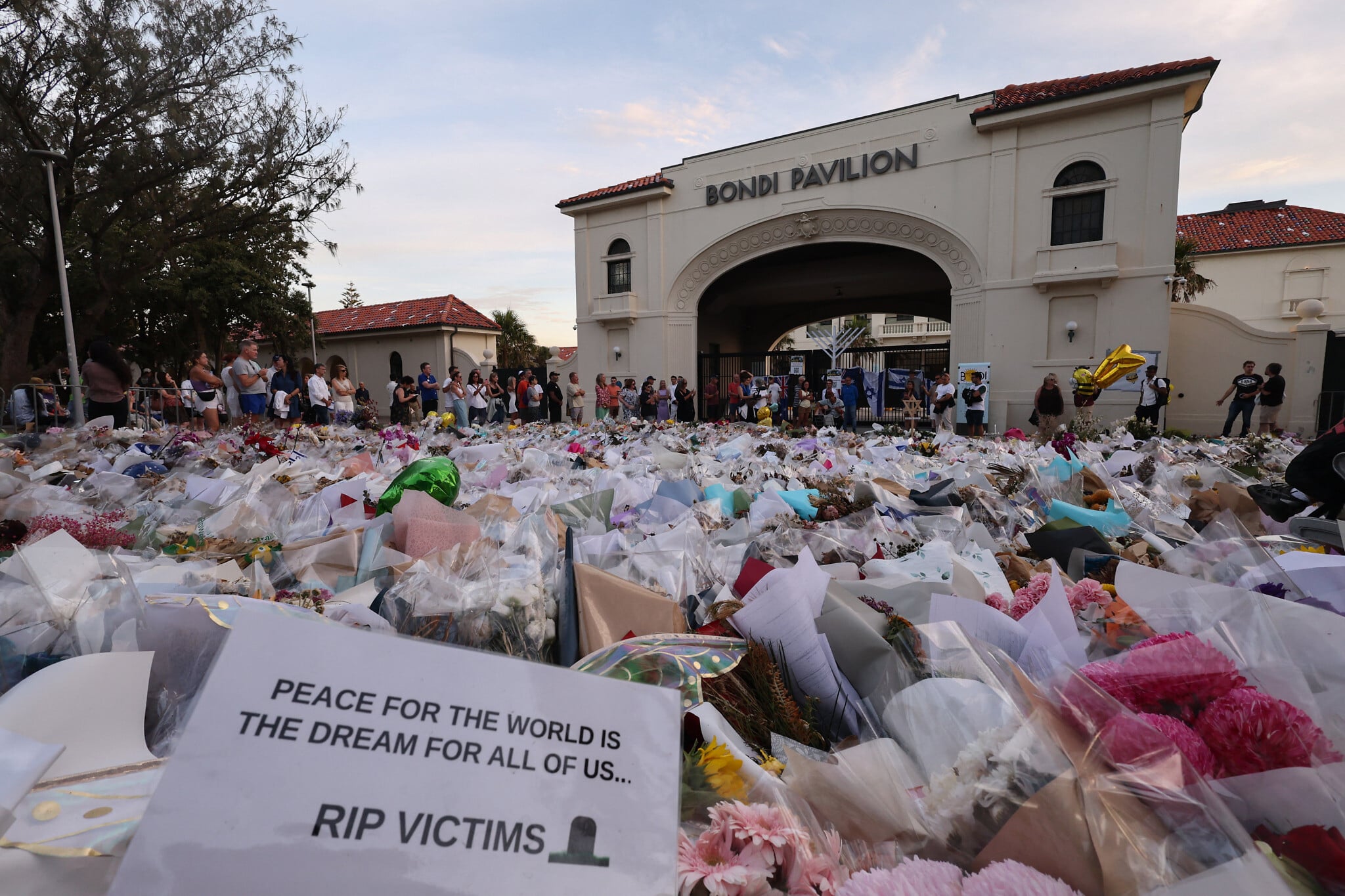
Victims’ families penned an open letter in December urging Albanese to “immediately establish a Commonwealth Royal Commission into the rapid rise of antisemitism in Australia.”
“We demand answers and solutions,” they wrote.
“We need to know why clear warning signs were ignored, how antisemitic hatred and Islamic extremism were allowed to dangerously grow unchecked, and what changes must be made to protect all Australians going forward.”
Albanese had launched a more limited investigation into Australia’s security and law enforcement agencies following the shooting, which he has now said will become part of the royal commission. He also plans to enact a legislative agenda in response to the attack that includes tightening Australia’s already stringent gun laws and criminalizing the words of so-called hate preachers, which his government has said frequently fall below the bar for prosecution.
Many in Australia’s Jewish community say the government, and Albanese in particular, “abandoned” them, arguing that clear warning signs were ignored in the lead-up to the Bondi massacre.
Since Hamas attacked Israel on October 7, 2023, sparking the Gaza war and setting off a tidal wave of antisemitism across the globe, Australia’s Jewish community has been among the hardest hit. The country has seen successive marches and protests that have included antisemitic rhetoric, as well as attacks on synagogues, schools and homes. In one instance, two nurses threatened to kill Jewish patients at their hospital. In another, law enforcement discovered a trailer filled with explosives, said to have been intended to cause a mass-casualty event at a Sydney synagogue.






The Times of Israel Community.