

Central Elections Committee taps acting director-general following shock resignation
CEC chairman Noam Sohlberg says Dean Livne, body’s recently retired legal adviser, will replace Orly Adas through the upcoming election, until a long-term replacement can be found
 Add ToI as a Preferred Source on Google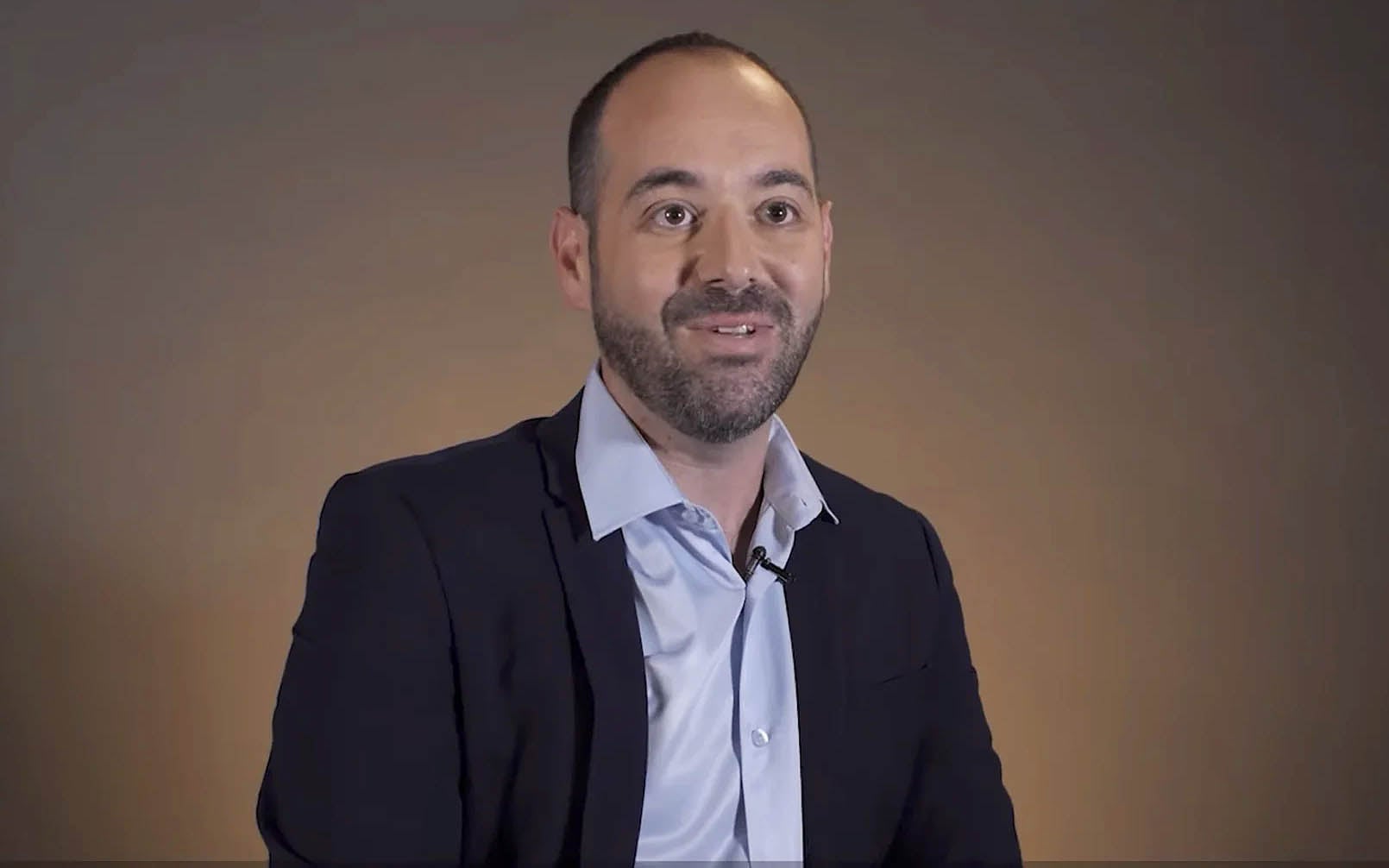
The Central Elections Committee tapped an acting director-general on Sunday to replace the panel’s outgoing chief, who announced her resignation earlier this month amid a political pressure campaign.
The CEC chairman, Deputy Supreme Court President Noam Sohlberg, said Sunday that the committee’s recently retired legal adviser, Dean Livne, will serve as its acting director-general following the resignation of veteran election czar Orly Adas, who will leave the role in July after 15 years on the job.
Sohlberg said he selected Livne to temporarily fill the post because Adas’s announcement earlier this month that she will resign just months before a national election meant he was required to “ensure that an experienced person, possessing the knowledge and familiarity required to perform the task, serves in the position immediately,” in order to ensure “functional continuity.”
The date of the next national election has not yet been set, but by law it must be held by the end of October 2026.
Sohlberg, who is considered a conservative Supreme Court justice, said Sunday that there was no time to organize a search committee, and his first choice from within the Central Elections Committee staff declined to take on the job, so he turned to Livne, who served as the committee’s legal adviser for more than a decade until his resignation only three months ago.
Sohlberg cited Livne’s “extensive experience, familiarity with election laws,” and other qualifications, adding that a search committee for a full-time replacement will be convened following the election.
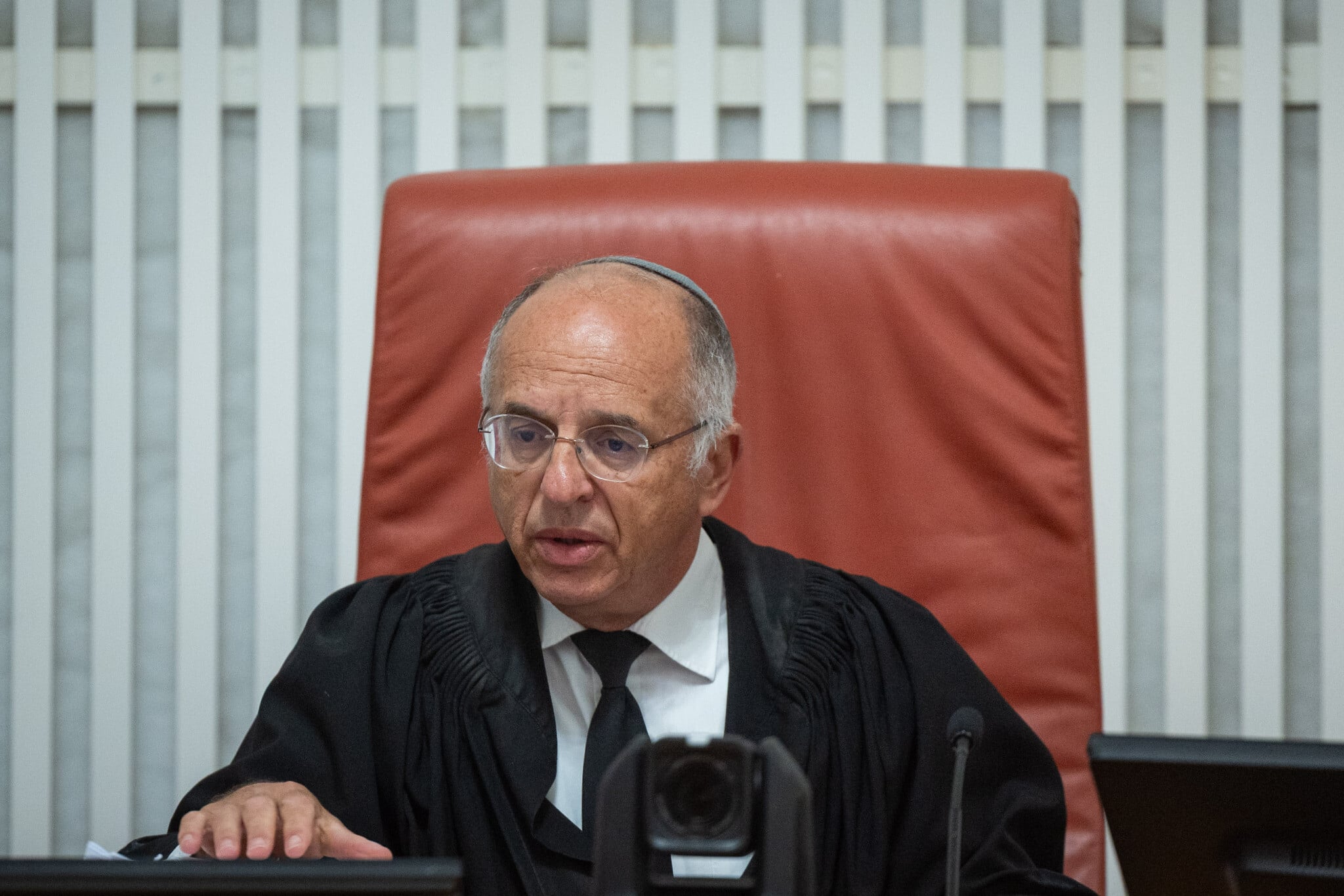
The committee is an independent state body responsible for managing parliamentary elections and protecting their integrity. It is chaired by a Supreme Court justice, currently Sohlberg, and comprises representatives of the various factions in the Knesset. It is responsible for tallying votes and has the power to disqualify parties ahead of elections.
In an interview last month with the Kan public broadcaster, Livne said that he had concerns over the integrity of the upcoming election. “This election will be critical for the country,” he said. “Its results will likely determine the fate of the country for many years to come.”
“There are a number of dangers” facing the upcoming vote, Livne added. “We’ve seen that one of the players — one or more — are trying to cast doubt on the results even before there are results,” he said, in remarks that some commentators have interpreted as referring to Prime Minister Benjamin Netanyahu.
Diaspora Affairs Minister Amichai Chikli, a Likud member, slammed Sohlberg’s decision to tap Livne on Sunday, citing in part his comments in the interview.
“Do you think it is reasonable that the person who is supposed to oversee the integrity of the vote count, disqualifications, and the declaration of the winner is already attributing malicious intent to half the electorate?!” wrote Chikli on X. “This is a scandalous political appointment that casts a heavy shadow over the integrity of Israel’s upcoming election.”
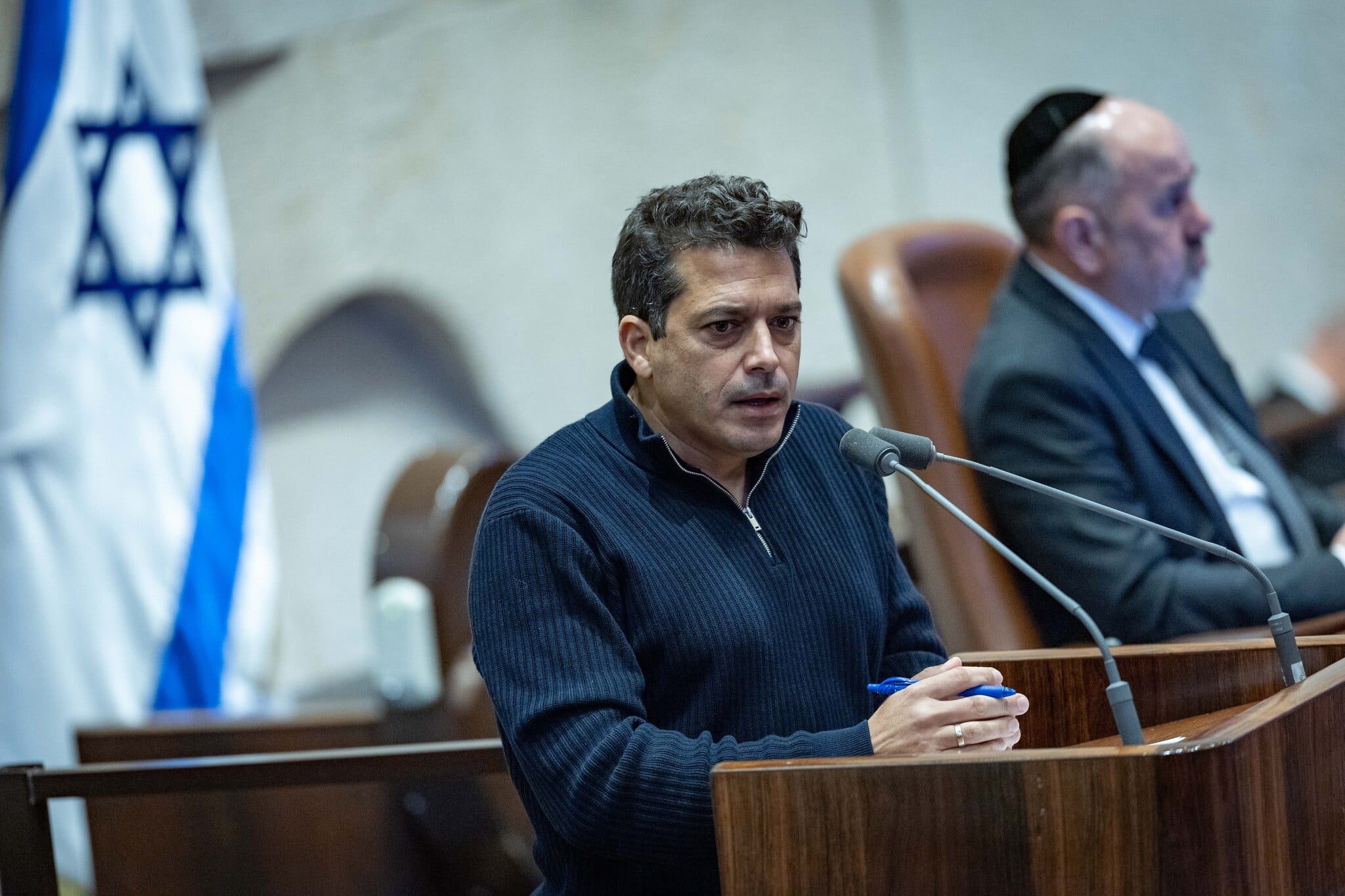
Likud MK Avichay Buaron also criticized the appointment, calling it “worrying and invalid.”
“The man is clearly politically biased,” added Buaron in a post on X. “Livne, who is identified with the left, recently went around warning about election fraud and refusal to recognize election results, and is now supposed to be the person managing the very system he cast doubt upon.”
Yashar party chief MK Gadi Eisenkot, meanwhile, welcomed the appointment of Livne, calling him an “experienced, principled, and responsible professional.”
“The upcoming election is critical to the future of the State of Israel and requires a professional, steady, and statesmanlike hand that knows how to lead the system responsibly and with sound judgment,” added Eisenkot. “I have no doubt that Dean Livne is among those best suited for this important mission.”
Adas announced on May 1 that she would resign, amid heightened tensions between the CEC and Netanyahu’s Likud party, which is unhappy with recent additions to the body tasked with overseeing the voting process.
Sohlberg said at the time that he had attempted unsuccessfully to persuade Adas to change her mind about resigning from the committee.

The Haaretz newspaper reported last month, citing sources close to Adas, that she resigned amid fears that attacks on her by right-wing politicians would harm public faith in the election process.
A number of coalition lawmakers celebrated Adas’s resignation, which came after an attorney who represents both the party and Netanyahu had sent letters to Sohlberg demanding to know why and how Adas’s tenure had been extended.
Likud officials had also clashed with the CEC over the appointment in March of Intel executive Yifat Siminovski to serve as the body’s legal adviser, replacing Livne.
Netanyahu’s attorney had asserted that Siminovski was not qualified for the position and was selected as part of a defective process. Sohlberg strongly rejected the accusations, maintaining that they were “baseless claims.”
In recent years, Netanyahu and his party have made efforts to gain greater control over both government legal advisers and the electoral system. In March 2023, Likud MK Eliyahu Revivo filed, and quickly withdrew, a bill to allow the Knesset speaker to appoint the committee chairman.










The Times of Israel Community.