

Citing security, IDF appears to sharply accelerate uprooting of West Bank olive trees
Palestinians and activists say the military is razing trees on private land at an unprecedented pace, questioning whether claims they provide cover for attacks justify the widespread campaign
 Add ToI as a Preferred Source on Google
Nurit Yohanan is The Times of Israel's Palestinian and Arab world correspondent
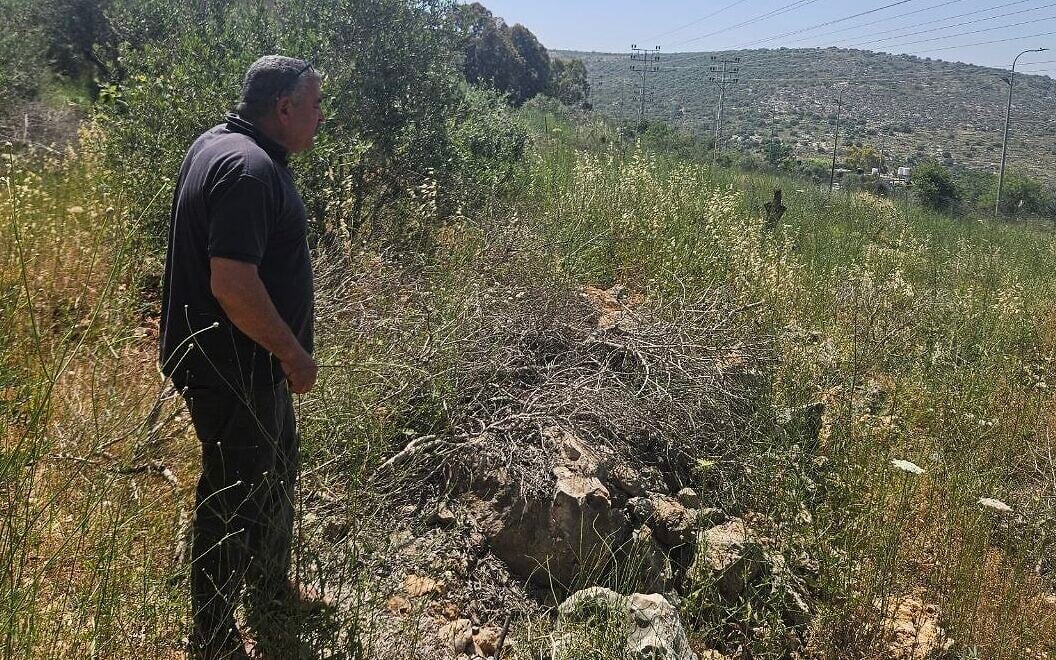
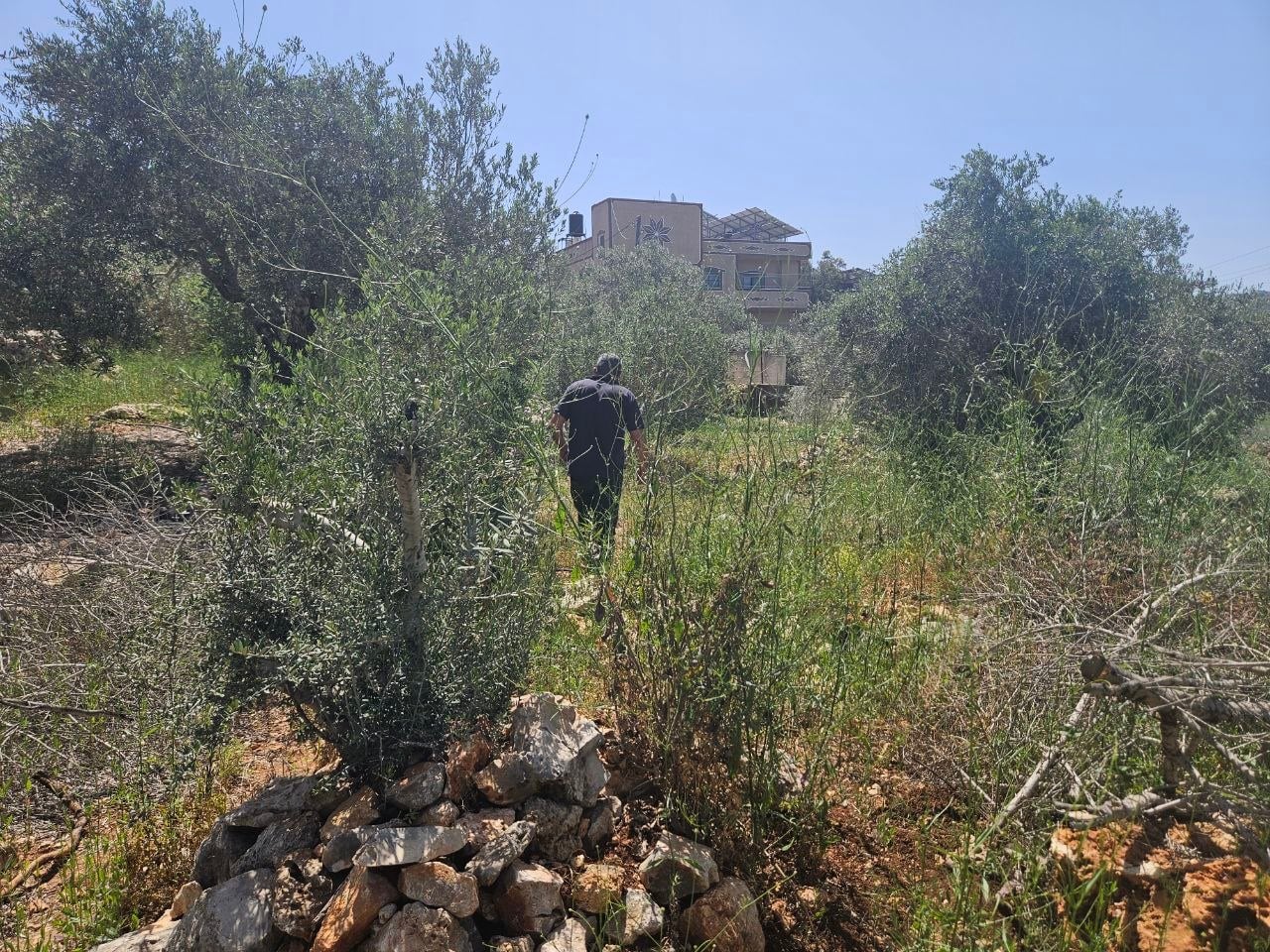
Every year, Khaled Shamlawi harvests olives from his small grove of dozens of trees a few hundred meters from his home in the West Bank village of Haris, near the city-settlement of Ariel south of Nablus.
The sale of the fruit typically earns him around NIS 5,000 ($1,700) annually, he estimated, a modest but not inconsequential supplement to his income in a place where the average monthly wage is around NIS 3,100 ($1,000).
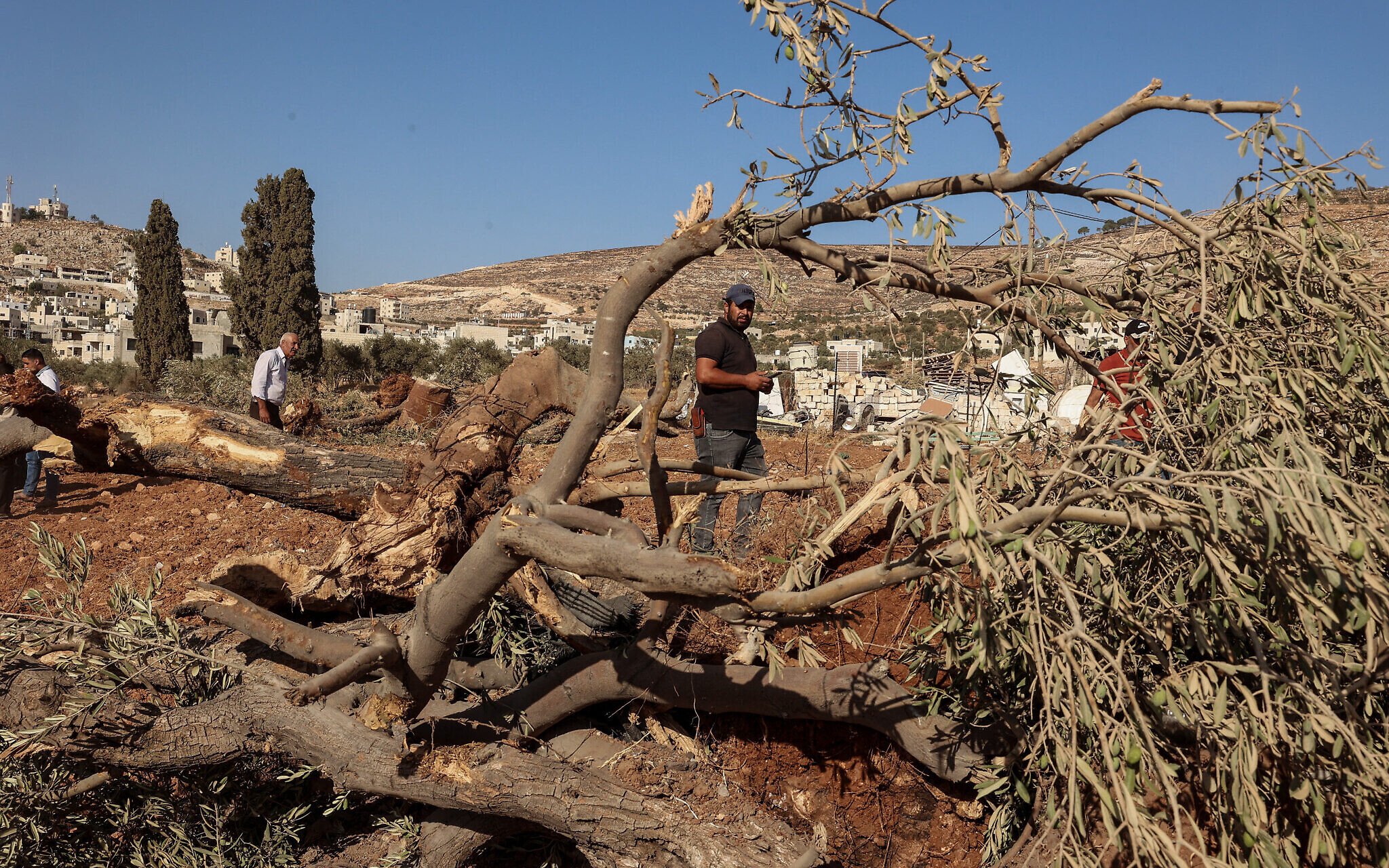
But about a month and a half ago, soldiers from the Israel Defense Forces uprooted around 20 of his trees, some of them centuries old, which were situated near a road. The move destroyed a significant part of his grove.
Several weeks earlier, a Defense Ministry representative had visited Shamlawi to let him know the trees would be removed. The reason: stones had been thrown at cars on the road, which is used by both Israelis and Palestinians. The trees had provided the assailants with cover, the Israeli charged.
“I told him that wasn’t true, that this is our land — we don’t allow anyone to come there and cause trouble,” said Shamlawi. “He wasn’t convinced.”
Shamlawi’s trees are already separated from the road by a fence installed by the IDF some 20 years ago, he said. He suggested to the man that another fence be built instead of pulling out the trees, but to no avail.
Across the West Bank, according to Palestinians and human rights organizations assisting them, similar uprootings are taking place, part of what appears to be a growing trend of the IDF removing Palestinians’ trees on security grounds, though critics say these are often unjustified.
“There has never been anything like this before. It’s a bonkers increase,” said activist Dror Etkes of the Israeli NGO Kerem Navot, which researches Israeli land policy in the West Bank.
He told The Times of Israel he had collected dozens of orders mandating tree uprootings under security grounds since the end of 2025.
According to Etkes, the practice was used only sparingly in past years.
The removals come on top of similar actions undertaken for years by the Civil Administration, the Defense Ministry unit that manages civilian affairs for the West Bank, which has removed thousands of trees to clear the way for settlement expansions or roads.
However, the Civil Administration only uproots trees on state lands, while the IDF’s campaign has also targeted groves on private Palestinian property.
The IDF declined to answer questions from The Times of Israel regarding how many orders it had issued to clear away trees in recent years and whether there has indeed been an increase in their number. Palestinians and activists claim the rise has been dramatic.
Aviv Tatarsky, an activist with the dovish Ir Amim organization who assists Palestinians in the West Bank, told The Times of Israel that he estimates that in recent months, more than 1,000 trees belonging to residents of Haris and neighboring Kifl Haris and Deir Istiya have been uprooted, apparently by the IDF.
Shamlawi said he was one of about 30 residents of Haris who received similar notices in March, warning that trees near the road would be uprooted.
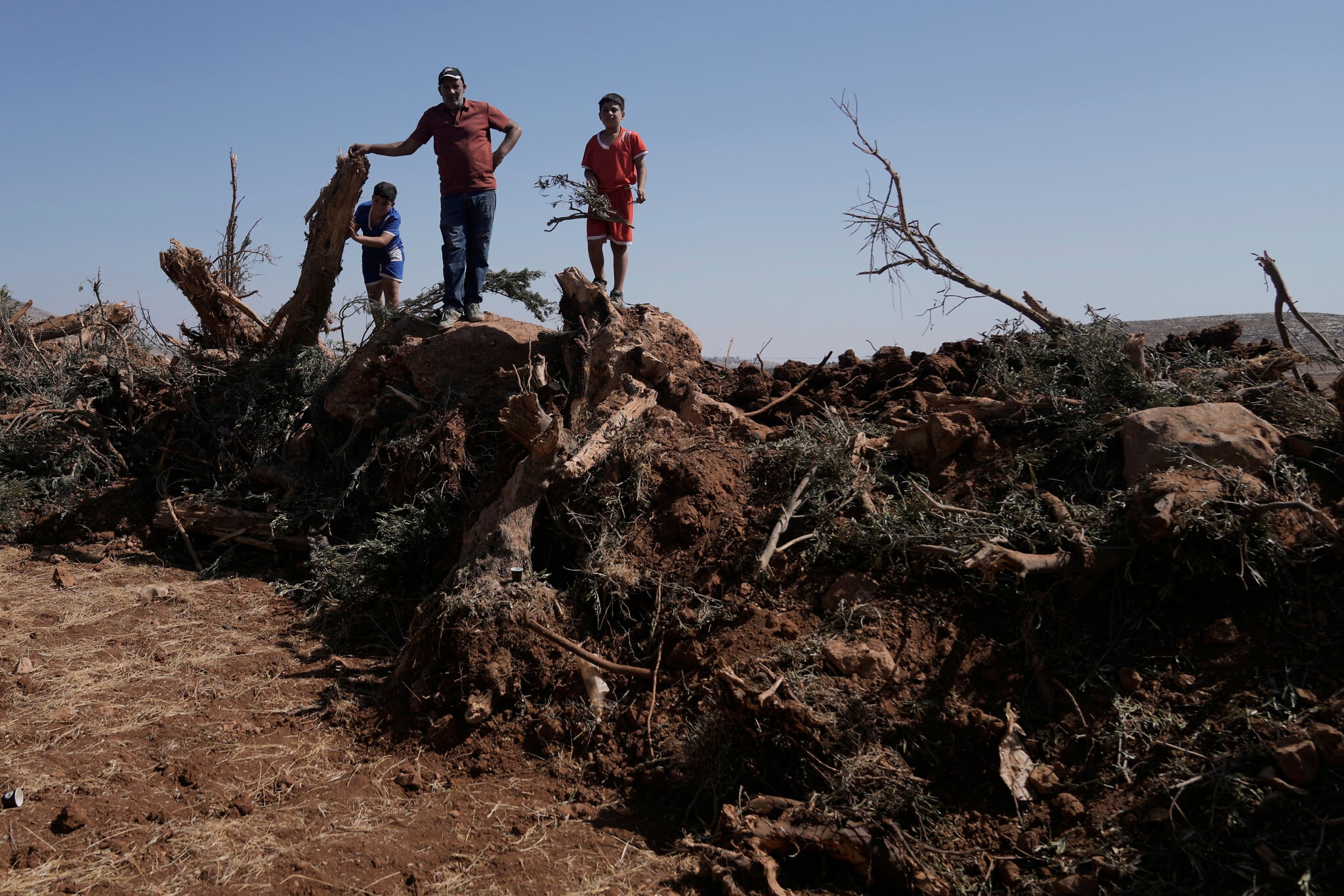
A resident of Deir Istiya, who asked not to be named for fear of reprisals, told The Times of Israel that on May 7 the army uprooted 30 olive trees from land he owns near a road.
According to him, two weeks before the uprooting, representatives of the IDF and the Civil Administration informed him that trees from his plot adjacent to the main road leading to the village would be removed.
Residents are not told when the removals will take place; Shamlawi said he only learned the work had begun when he saw bulldozers uprooting his olive trees.
While he and others were approached about the planned uprootings ahead of time, not all landowners are. Because the IDF actions are carried out via military order, there are fewer requirements regarding informing landowners.
Notices are not published publicly, but instead placed on the plot itself and at the Civil Administration’s District Coordination and Liaison offices, bureaucratic centers located outside Palestinian villages with limited operating hours.
In March 2026, the Israeli rights group Yesh Din, which provides legal assistance to Palestinians, collected at least 16 separate IDF orders for trees to be uprooted issued in different parts of the West Bank during that month alone.
The orders covered roughly 820 dunams (200 acres), across various plots, at least some of which were on private Palestinian land.
It is unclear how many of the orders have already been carried out.
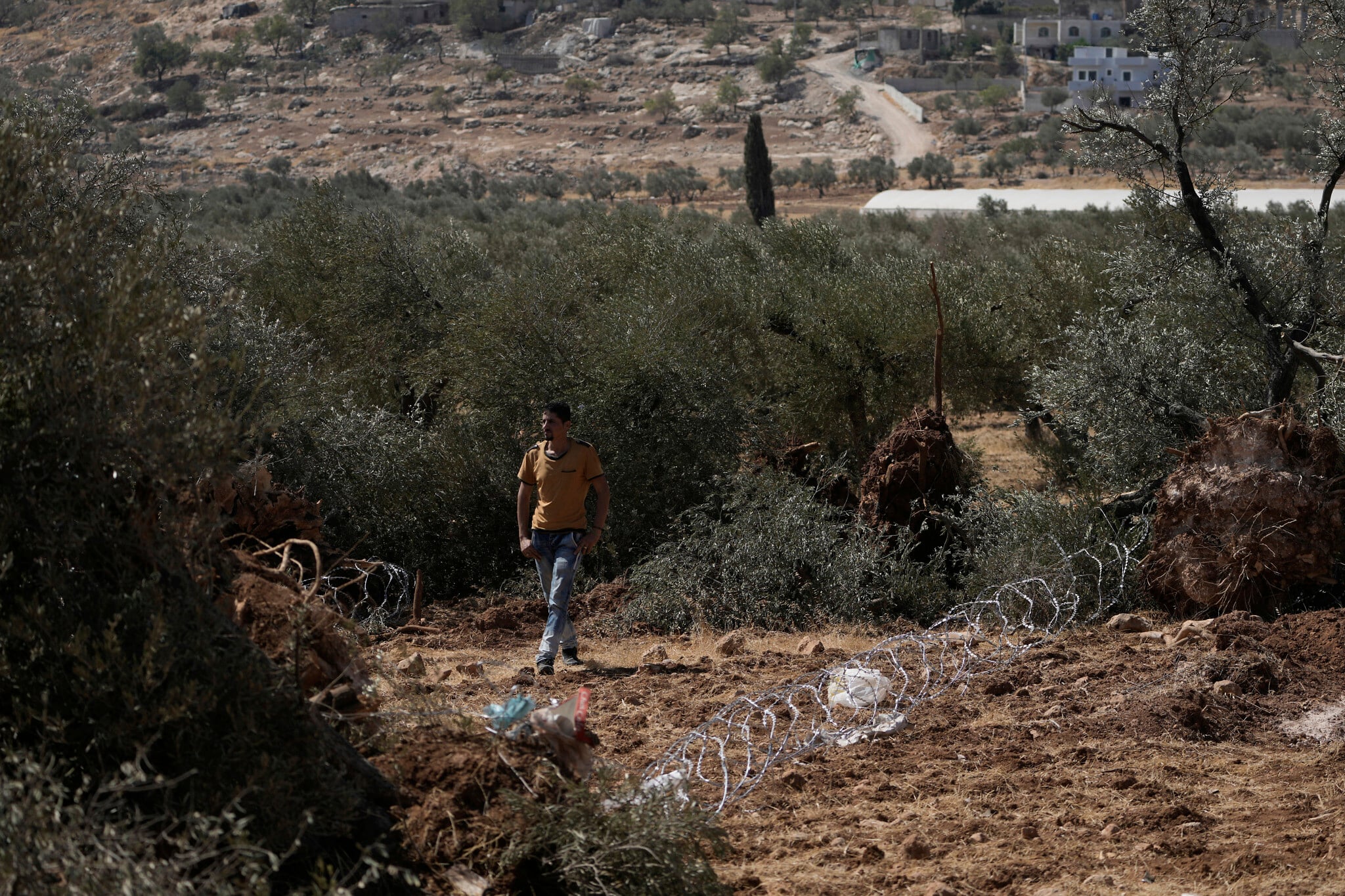
The IDF orders, classified as “security measures,” allow for the trees to be removed or relocated. However, in all the cases described in this article, the trees were simply uprooted and not replanted elsewhere.
The IDF did not respond to questions from The Times of Israel regarding why the trees were not replanted.
Pulling up trees for replanting elsewhere can be more complicated and time-consuming than simply removing them entirely, so the army is liable to opt for the easier option, even if it harms landowners not accused of any wrongdoing, according to lawyers who represented Palestinians whose trees were uprooted.
Earlier this year, the IDF expressed regret over the decision not to relocate 588 trees belonging to residents of Ya’bad it uprooted at the end of 2025, in response to a High Court petition filed on behalf of the residents.
Relocating olive trees is a complicated process requiring specialized equipment and significant time, particularly when dealing with plots containing hundreds of trees.
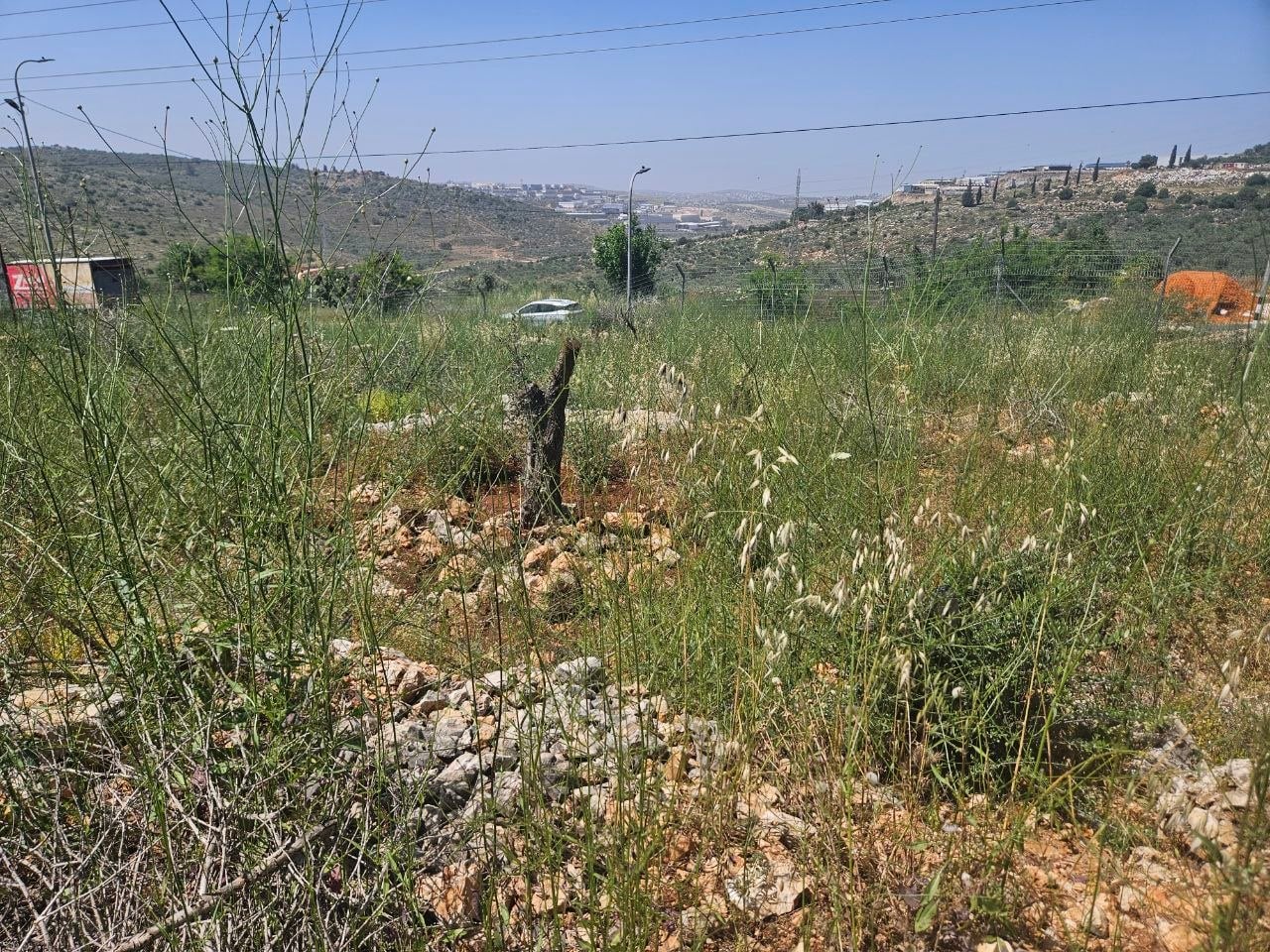
In a petition submitted to the High Court of Justice following the uprooting of the trees, the IDF acknowledged that the residents’ trees had been uprooted rather than relocated as they should have been, and expressed regret over the matter. The petition against it is still ongoing.
“This is the property of people against whom there is no claim that they did anything wrong,” attorney Alon Sapir, who is representing the residents of Ya’bad, told The Times of Israel. “The [state’s] argument is that these trees could provide cover for people who want to carry out attacks on the road. The judges expressed discomfort with the way this is being handled.”
The case is ongoing.
Shaping a new reality
The orders to uproot trees on security grounds are issued based on operational considerations on the ground, and must be okayed by the head of the IDF’s Central Command.
However, the army does not typically publicize its reasoning for why the trees must be removed or what threat they pose.
The army does not detail those considerations in the orders it issues. Former Central Command chief Gadi Shamni told The Times of Israel that for someone outside the military, without access to concrete intelligence regarding attempted attacks, it is very difficult to determine whether individual uprootings are truly necessary and justified.
“I’m not familiar with the considerations — whether it’s justified or unjustified, what the level of risk is, how many trees need to be removed. It’s tactical,” he said.
Yesh Din attorney Roni Pelli said the sharp increase in tree uprootings on security grounds began in August following an attempted attack near the village of Al-Mughayyir, northeast of Ramallah.
On August 21, a gunman who had been hiding among trees near the road opened fire at Israeli civilians leaving a nearby outpost, according to the IDF. After the shooting, which failed to cause any casualties, clashes broke out and the gunman assaulted a 20-year-old Israeli shepherd, lightly wounding him. The attacker eventually fled into al-Mughayyir, setting off IDF raids into the village.
The suspect, a resident of the village, was arrested roughly a day later. Over the next several days, IDF bulldozers uprooted 3,100 olive trees on lands surrounding the village.
Speaking a day after the attack, IDF Central Command, Maj. Gen. Avi Bluth indicated that IDF actions were also meant as a punitive deterrent. “Every village and every enemy needs to know that if they carry out attacks against residents, they will pay a heavy price,” said Bluth. “They will experience curfews, closures, and shaping operations.”
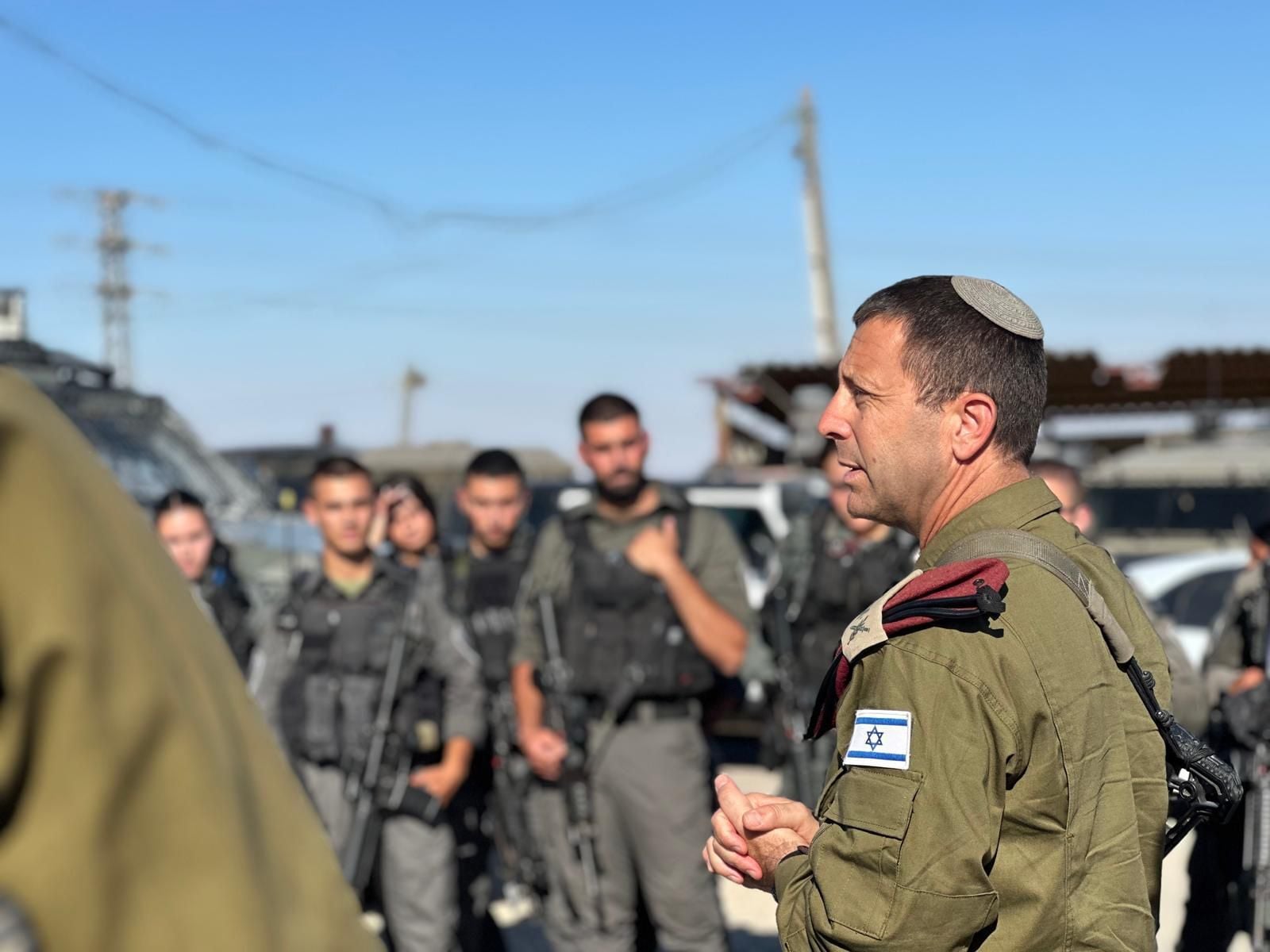
“Shaping operations” is a military term for the creation or preservation of ground conditions advantageous to the army, including measures like terrain sculpting and the removal of vegetation like trees.
On May 1, Bluth told settlers that improved security in the West Bank was thanks to such operations, undertaken as part of a strategic shift he had led since taking over the position.
“The security reality in Central Command has improved beyond recognition thanks to an offensive strategy,” he said. “It was formulated and written when I entered the role in July 2024. Shaping the area and shaping operations are changing the situation.”
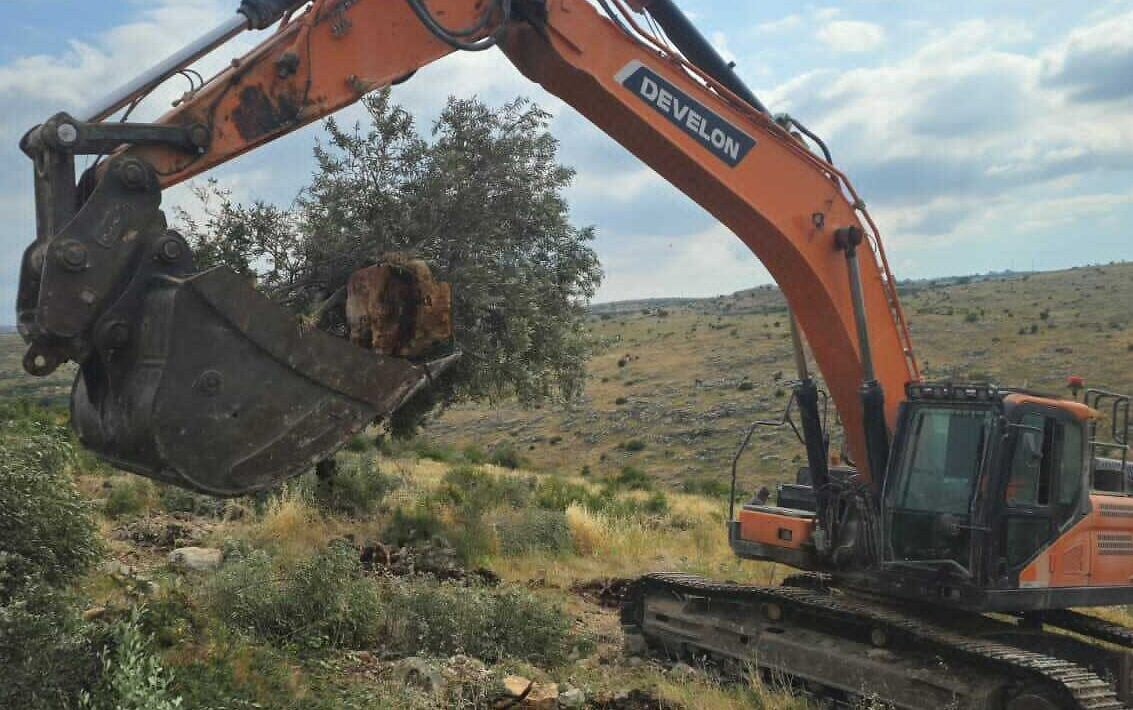
According to Pelli, the trend of large-scale uprooting has continued since the actions in al-Mughayyir.
“If a Palestinian is unlucky and his land is near a section of road with poor visibility — they’ll uproot [the trees],” she said.
She criticized the policy as unjustified by how much benefit it brought.
“A military commander is allowed to take various actions for security needs, but it has to be proportional,” Pelli said.
Since the August attack, the IDF has seized large areas surrounding al-Mughayyir under military orders issued on security grounds, preventing Palestinian landowners from accessing their land.
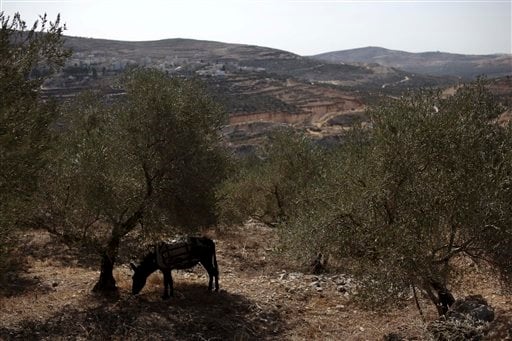
Responding to a petition filed with the High Court by Yesh Din, the IDF argued that the trees near al-Mughayyir had been uprooted because they constituted “a security weak point” that had been exploited to harm civilians and security forces.
At the same time, the military acknowledged that it had mistakenly uprooted trees beyond the area covered by the order — exceeding the designated area by 19 percent.
“The Central Command commander viewed this deviation with great severity and ordered an investigation and steps to be taken according to its findings,” the IDF said in its response to the High Court.
Despite the cases, Shamni noted that there was little in the way of the Central Command chief doing what he saw fit, noting that the role holds “almost unlimited power” as the sovereign authority in the West Bank.
“In any place where he signs an order on security grounds, you can almost do anything. I never encountered a situation where the High Court prevented me from carrying out actions, even when petitions were filed,” he said. “When the Central Command commander signs something and says it is a security necessity, I never encountered the judicial system saying not to do it.”

“All that’s left is to trust him that his considerations are indeed professional security concerns,” he added.
As the West Bank’s de facto ruler, the central Command chief is supposed to consider not only security but also the lives of those under the IDF’s control. Assessments involve input from both the military and other bodies like the Civil Administration, which is supposed to convey the concerns of Palestinian civilians, according to Shamni.
“At the end of the day, there’s a lot of common sense and experience involved, and the Central Command chief has to make the right decisions in a way that creates some kind of security and civilian stability,” he said.
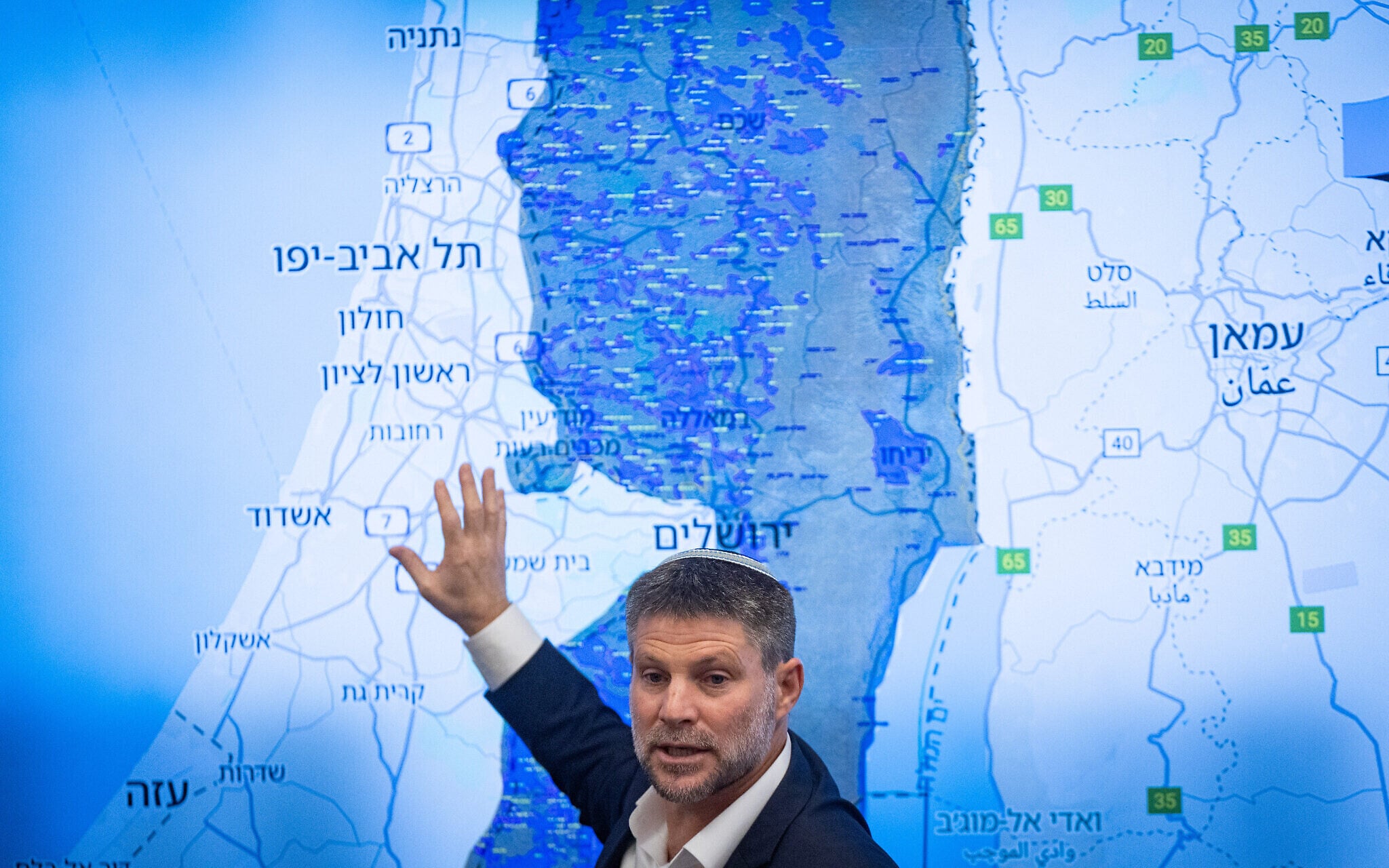
While the Civil Administration is part of the Defense Ministry, under the current government, responsibility for the body has gone to far-right Finance Minister Bezalel Smotrich, who also holds a junior ministerial position in the Defense Ministry, giving him wide influence over the West Bank.
Smotrich has replaced numerous senior officials in the Civil Administration since taking office and has publicly stated that the administration’s activities are intended to encourage settlement expansion.
Lost livelihoods
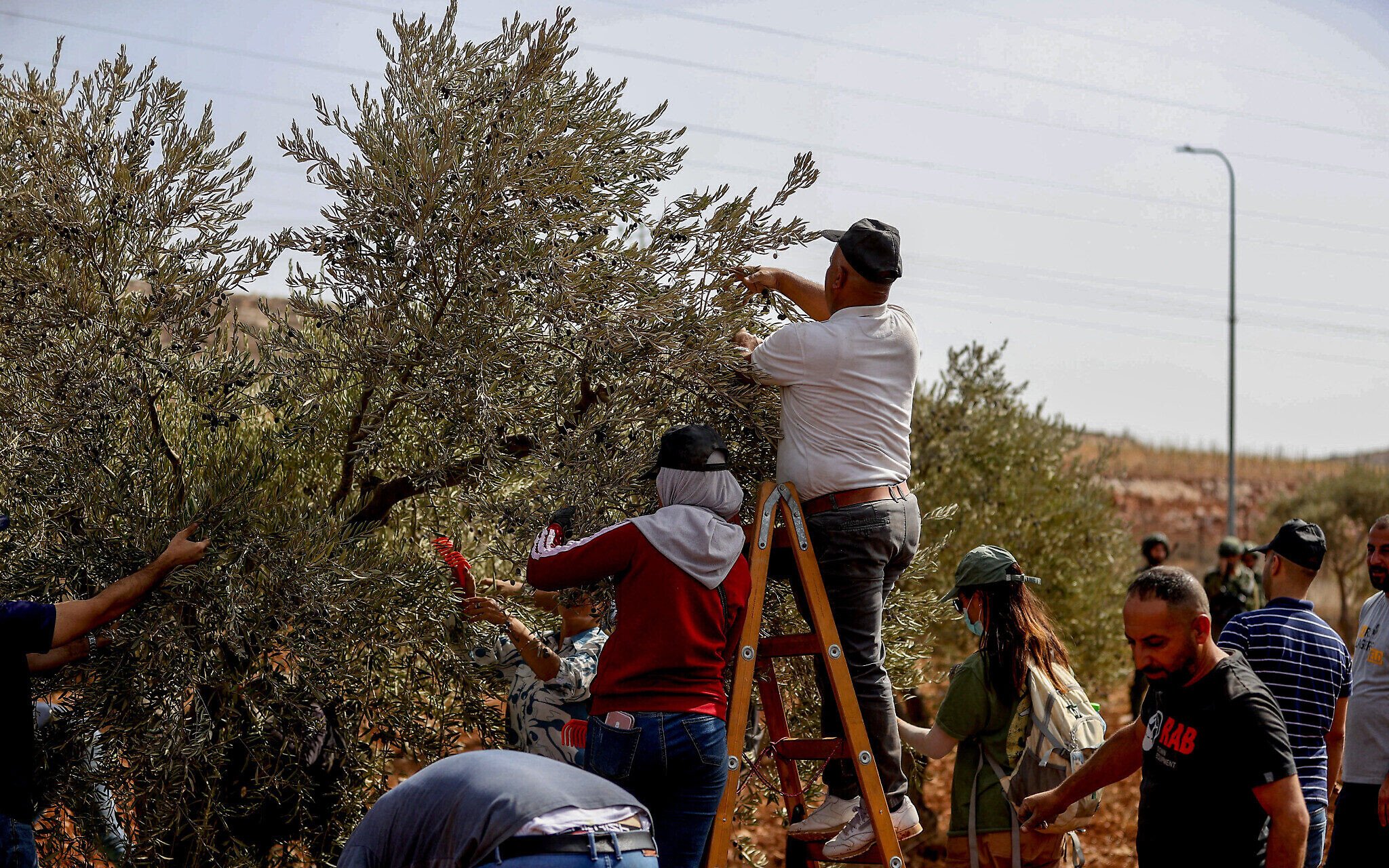
The destruction of olive groves comes after years of settler attacks that have damaged thousands of trees, harming a source of livelihood for many Palestinians.
In 2019, the UN reported that 80,000 to 100,000 Palestinians families rely primarily or partially on income from some 10 million olive trees across the West Bank, based on official Palestinian Authority data. It is estimated that the sector was worth up to $191 million in good years.
A 2018 World Bank report estimated that olives and related products accounted for 4.6 percent of gross domestic production in the West Bank and Gaza.
According to Yesh Din data, during the most recent olive harvest season between October and December 2025, settlers damaged 6,000 olive trees, compared to 3,700 the previous year.
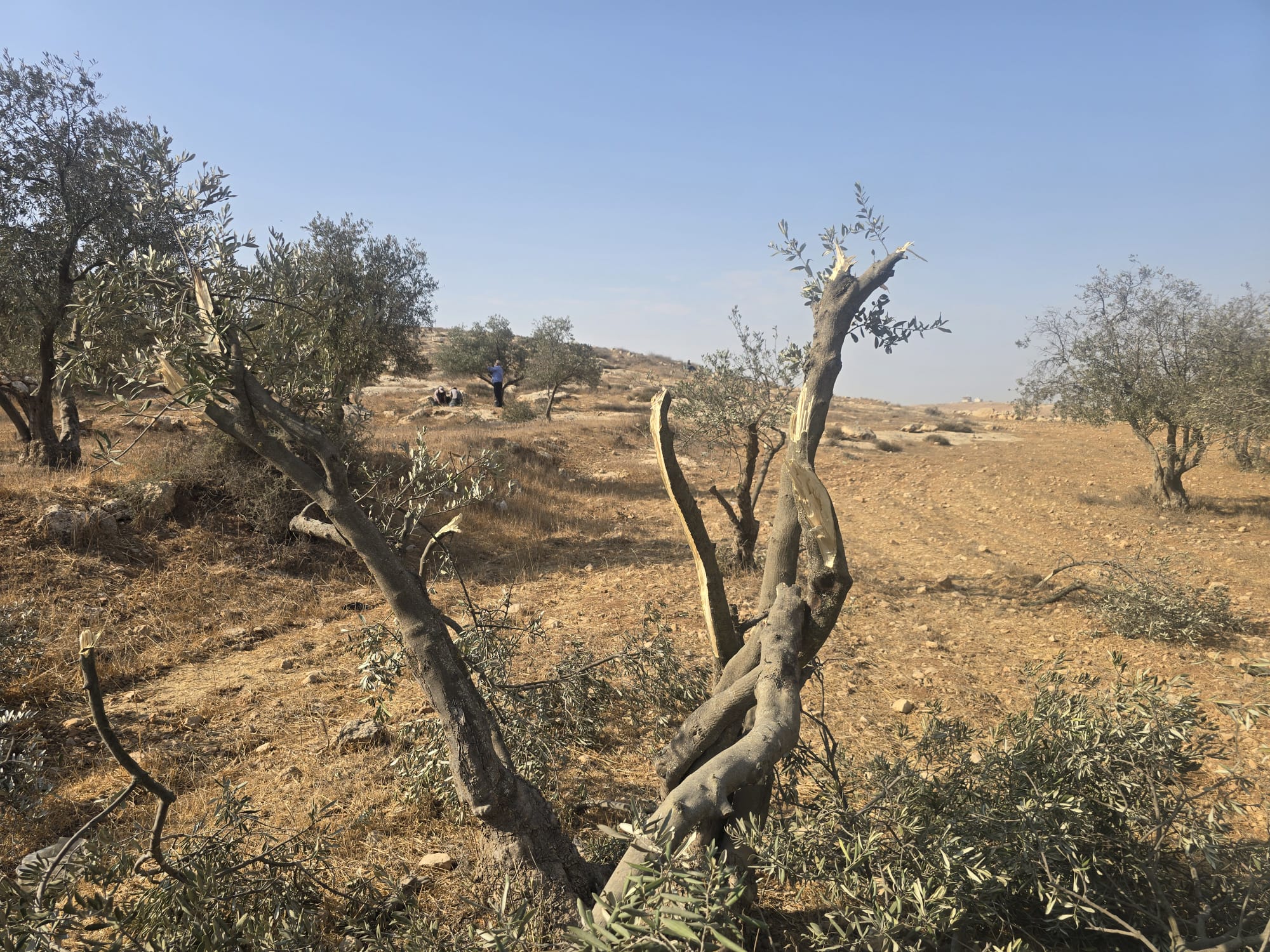
Human rights organizations assisting Palestinians fear that the increased military actions against trees will embolden settlers to step up attacks. In December, according to Yesh Din, bulldozers were used to uproot trees in the village of a-Sawiya. The army denied carrying out any work there, raising suspicions that settlers had brazenly razed the trees.
The Samaria Regional Council did not respond to requests for comment from The Times of Israel.
In the High Court petition filed by landowners from Ya’bad, three of the nine petitioners whose trees were pulled out said they relied exclusively on harvesting olives and other fruits for their livelihood.
In Haris, Shamlawi managed to salvage some of his trees, which he is now hoping to replant. Getting the ancient gnarled trees to take root in a new plot requires intense work tending them closely for years, but by moving them further from the road, he’s hoping they will at least have a shot at re-rooting into the land and becoming productive again.
“In my feeling, lately they’ve gone crazy,” he said of those behind the increased uprootings. “I don’t know what happened to them, why they are doing these things.”







The Times of Israel Community.