

Court says Netanyahu to testify 3 times per week from November to speed up trial
Judges also weigh holding future hearings at Beit Shemesh courthouse instead of Tel Aviv, where they have been held until now due to lack of proper shelter in Jerusalem court
 Add ToI as a Preferred Source on Google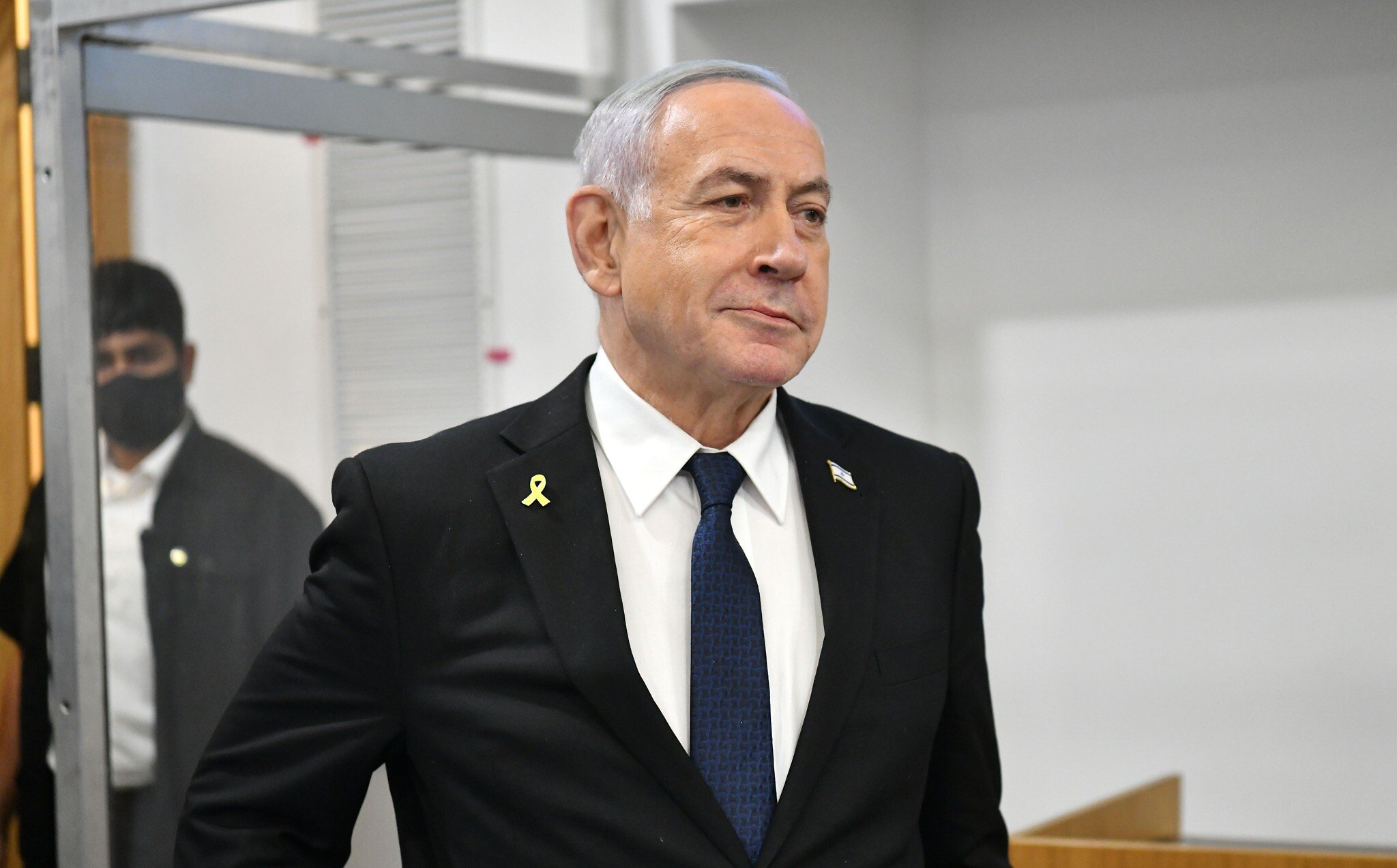
Prime Minister Benjamin Netanyahu will be required to testify three times a week in his corruption trial starting in November, the judges overseeing the case announced Tuesday, citing the need to speed up the process.
The trial has been going on since 2020, and Netanyahu has been testifying twice a week since December, with countless of these hearings canceled or cut short for various reasons related to the premier’s responsibilities and to his fatigue and illnesses.
The Jerusalem District Court judges said that four hearings per week will be held starting in November, and Netanyahu will testify in three of them until the end of his cross-examination, “in light of the current need to advance the trial.”
The court system is currently on recess, and the next hearings are scheduled for September. Netanyahu missed the last scheduled hearings in July ahead of the recess due to food poisoning.
The judges also ordered an examination of the idea of holding future hearings at a courthouse in Beit Shemesh, rather than at the Tel Aviv District Court, where they have been held until now. The hearings can’t be held at the Jerusalem District Court building during the war since it lacks an adequate bomb shelter.
Netanyahu is on trial in three corruption cases. He faces charges of fraud and breach of trust in Case 1000 and Case 2000, and charges of bribery, as well as fraud and breach of trust in Case 4000.
In Case 2000, the prime minister is accused of fraud and breach of trust over his alleged attempt to reach a quid pro quo agreement with the publisher of the Yedioth Ahronoth newspaper, Arnon (Noni) Mozes, whereby Yedioth would give the prime minister more positive media coverage in exchange for legislation weakening its key rival, the Israel Hayom free paper.
Case 4000, also known as the Bezeq-Walla case, is the most serious case the prime minister faces, in which he is accused of authorizing regulatory decisions that financially benefited Bezeq telecommunications giant shareholder Shaul Elovitch by hundreds of millions of shekels. In return, Netanyahu allegedly received favorable media coverage from the Walla news site, which Elovitch also owned.
Netanyahu denies any wrongdoing and says all the charges were fabricated in a political coup led by the police and state prosecution.
In June, US President Donald Trump explicitly demanded an end to the trial, describing it as a “witch hunt.” The comments drew widespread complaints from critics on both sides of the aisle in Israel who said the US president was interfering in Israel’s internal politics.
Jeremy Sharon contributed to this report.










The Times of Israel Community.