

Despite landmark deal, some disabled activists vow to continue protests
Rights group says agreement reached with treasury ‘full of holes,’ notes ‘complete lack of confidence in the Israeli government’
 Add ToI as a Preferred Source on Google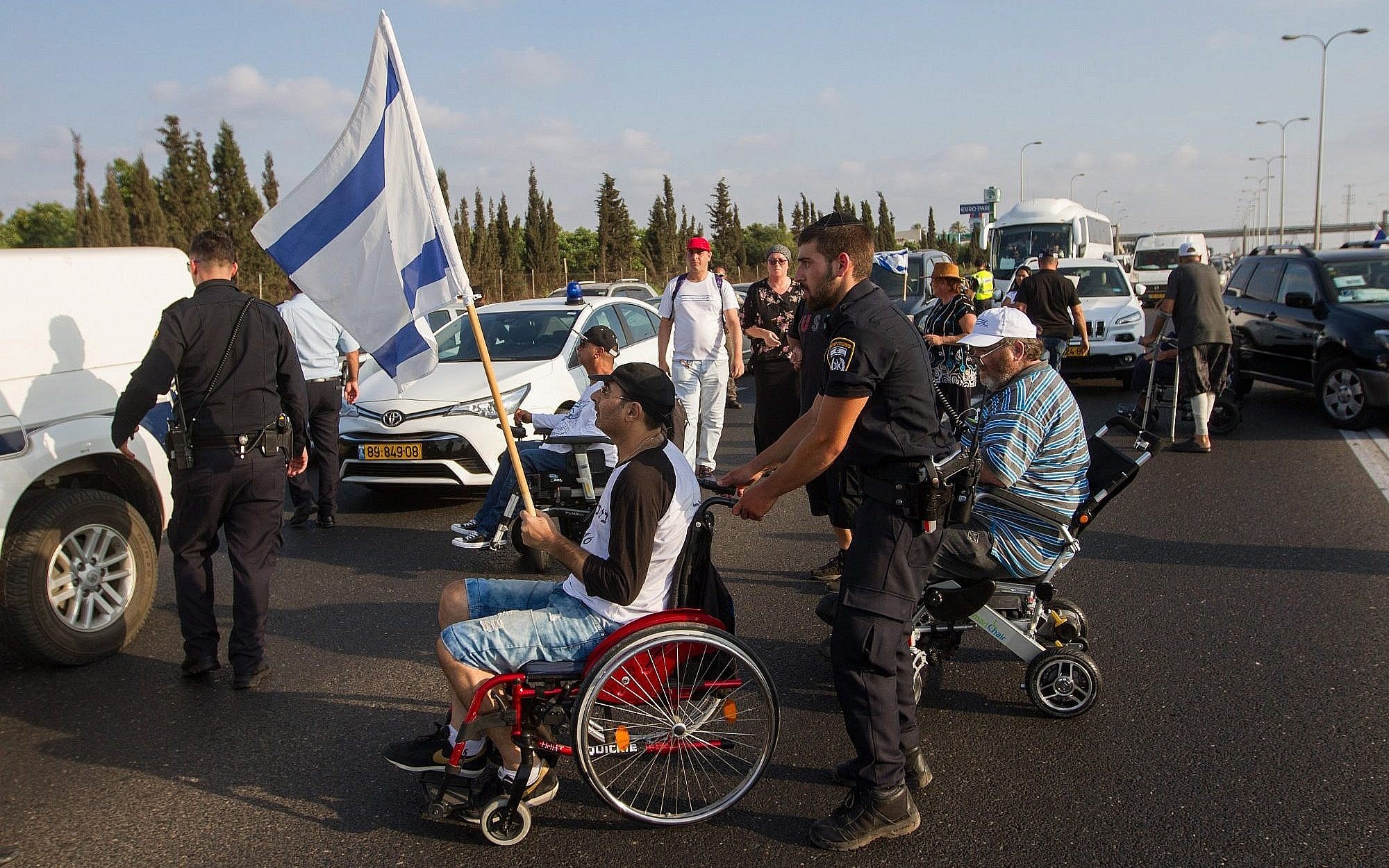
While the landmark deal to increase state benefits for disabled Israelis reached early Friday morning after a two and a half year struggle was hailed as an ‘historic’ achievement by many, some activists have rejected the deal and vowed to continue their struggle.
Just before 4 a.m. Friday, the Histadrut labor federation announced that a compromise agreement had reached between activists and treasury officials that will see disability benefits raised to up to NIS 4,500 ($1,270) a month.
But not all of the activists involved in the traffic-blocking protests are satisfied with the deal. The organization “Disabled Panthers” on Friday expressed their disappointment at the agreement, and vowed to continue their campaign.
“To the best of our knowledge, the agreement is full of holes and does not provide a full and genuine response to the distress of the disabled,” the group said in a statement according to Channel 2. The Disabled Panthers also noted their “complete lack of confidence in the Israeli government,” and said their protests would continue.
In contrast, Alex Friedman, the main organizer of the demonstrations and head of a disabled rights organization, praised the agreement on Friday, saying it was “a joyous day for Israeli society, a day in which the society became more equal and healthier.”
Other disability rights activists also welcomed the agreement, calling it “historic.”
“The is a social agreement of the utmost importance,” a statement on their behalf read, according to the Walla news website.
Histadrut head Avi Nissenkorn echoed the sentiment, saying the agreement “made history for the state of Israel,” according to the Haaretz daily. “We dramatically improved the situation of the disabled population.”
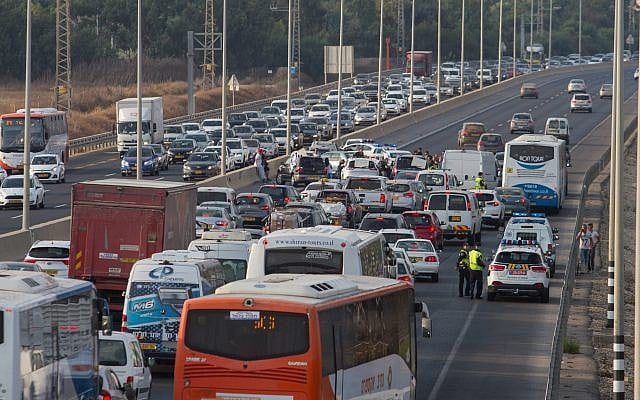
The deal comes after months of actions by disabled protesters to draw attention to their plight by blocking main highways, often tying up traffic for hours and putting pressure on the government to find a way to end the demonstrations.
Demonstrators had said the current benefits level of NIS 2,342 ($660) was not enough to live on, and needed to be raised and linked to the minimum wage, which is raised periodically through Knesset legislation.
Representatives of the union, which recently said it would back the protesters, disabled rights activists and Finance Ministry officials met for over 14 hours starting Thursday afternoon, the first such meeting since the protests began over the summer.
According to the agreement, the most severely disabled who need constant medical care will get NIS 4,500 a month, with others getting between NIS 2,100 ($593) and NIS 4,050 ($1,143) depending on the severity of their disability and how much they can work.
Those making under NIS 4,300 ($1,213) a month will be eligible for the stipend, up from a cut-off of NIS 2,800 ($790) under current regulations.
The increase, which will be linked to the average wage, is set to take effect next year.
The agreement also earmarks NIS 150 million ($42 million) for disabled children, NIS 300 million ($84 million) for elderly disabled, and NIS 75 million ($21 million) for bolstering work opportunities for the disabled. It was not immediately clear if the figures were annual or one-time budget items.
The proposal was a compromise between the demands of disability activists, including MK Ilan Gilon of Meretz, to set the stipend at the minimum wage, or NIS 5,000 ($1,400) per month, and those of a committee appointed by Prime Minister Benjamin Netanyahu that recommended a more modest increase to NIS 3,200 ($900) and would limit the increase to those with very severe disabilities and no family.
The agreement came after demonstrators stepped up their protests in recent weeks, often blocking multiple highways a day and managing to place the issue at the center of the national agenda.
Earlier this week police had begun trying to crack down on the protests by handing out fines, though it appeared to have little effect.
On Wednesday, protesters blocked main arteries in Tel Aviv and Haifa.






The Times of Israel Community.