

Ex-hostage Matan Angrest reveals Hamas terrorists electrocuted him in captivity
Soldier abducted from his tank on Oct. 7 says he was made to sleep with his right leg in the air, bound to a gas canister; describes withholding army secrets despite beatings
 Add ToI as a Preferred Source on Google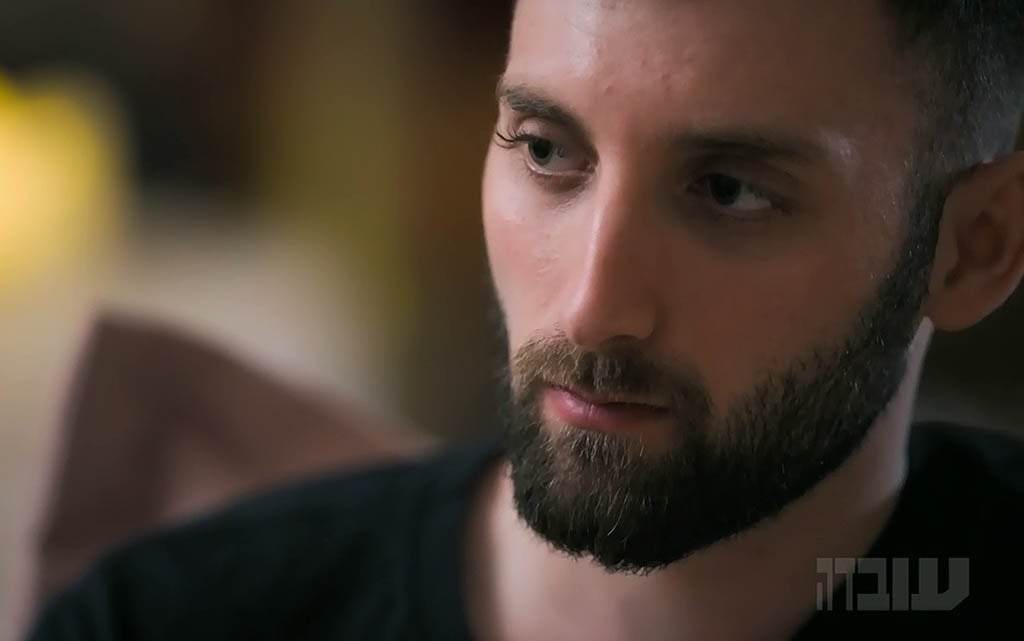
Former hostage Matan Angrest, a soldier who was abducted from his tank while battling terrorists on October 7, 2023, said his Hamas captors tortured and electrocuted him during his two years being held in Gaza, in his first lengthy interview since being released in October under the current ceasefire.
The interview, which aired on Thursday on Channel 12’s “Uvda” program, included footage and recordings that were kept from public view throughout Angrest’s captivity.
He and the three other soldiers in his tank — Staff Sgt. Itay Chen, Sgt. Tomer Leibovitz, and Cpt. Daniel Perez – fought for hours during the Hamas-led onslaught. Amid the combat, the soldiers waited for help from the army, but it never came.
“Where is everyone? Where’s all the help?” he recalled thinking. “Everyone says we have it all, advanced technology, the best people, but – where were they?”
When the tank was hit, the three other soldiers were killed, and Angrest was wounded. Hamas operatives abducted him to Gaza — an event captured on camera — along with the bodies of Chen and Leibovitz.
Shortly after he woke up in Gaza, Angrest recalled, “someone came to me with two cables and put them on my wound and just turned [a machine] on. I could feel myself being electrocuted. I screamed in a pain that is impossible to describe. And then he did it again, and again.”

Angrest said his first memory following the attack was earlier, waking up in the Strip, wounded and bound by his arms and legs, with around eight Palestinians sitting in front of him.
They began asking him questions in Arabic, which he didn’t understand. When he failed to provide the information, they grew agitated, beat him and electrocuted him.
“They thought, the terrorists, that I maybe had some GPS or something, built into my body, that the IDF knew my location,” he explained.
“In the first days, they brought me a ‘doctor,’” Angrest said, but recalled that the person was probably “a veterinarian or something, he didn’t seem especially professional to me.”
“He passed a knife through the whole shape of the wound, and the wound itself,” he said regarding his battle injury. “They put some bandage in my mouth, so I wouldn’t scream, and the people nearby wouldn’t hear me. And they just started to peel away, peel away. They put a bucket under my arm, and as they cleaned [the wound], tons of blood came down off my arm.”
Angrest said the doctor worked on him for about four hours, and that this was his daily routine for months.
⚠️ Trigger Warning ⚠️
Matan Angrest reveals new information about the torture he endured, at the hands of Hamas terrorists, during his captivity in Gaza.
More than TWO years of torture. No one deserves to go through such horrors. Matan, we stand with you.
????: @Uvda_tweet… pic.twitter.com/g79RQxUeLs
— Embassy of Israel to the USA (@IsraelinUSA) February 26, 2026
For the first few weeks, Angrest was otherwise alone, he said. For a few minutes at a time, his captors would untie him, but even then he had trouble moving.
“They told me, ‘We’re afraid you’ll do something, you’ll run away, you’ll steal a weapon.’ I told them, ‘I’m wounded. How would I?’ They told me, ‘You don’t want your arms tied? Okay, go to sleep, with the shackles on your legs,” he recalled.
The captors attached Angrest’s right leg to a large gas canister in the kitchen of the house where he was being held, he recalled. “Every night you sleep with your right leg in the air.”
‘They have the power. But they need me, too.’
Angrest told Channel 12 that, amid his captivity, he understood: “They have the power. But at the same time, they need me, too.” He added that his captors once told him, “You’re a soldier. You’re worth a lot of terrorists.”
Over the course of dozens of interrogations — mostly in Hebrew — Angrest grappled with uncertainty about what his captors did or did not already know. But, he said, they didn’t seem to recognize that he’d actively fought the invaders on October 7.
“I didn’t know how they’d take it, that I killed their comrades,” he said. “So I had a cover story, I said we went out from the base 10 minutes [after the attack started], they shot at us, and that was it. They abducted me.” He recalled having to be consistent with the story, repetition over repetition, as they tried to catch him in a lie.

Angrest recognized the need to conceal sensitive information, while also cooperating to some extent with the hours-long interrogations.
“There are things that I knew they already knew, from the internet: ‘How fast does the tank go?’ If I tell them, it’s fine, I’m playing ball, it’s not the end of the world.”
But, he said, the tank also contained classified systems, which he knew he couldn’t reveal, forcing him to feign ignorance about parts of the process.
“There is a level [of classified information] — ‘Die and don’t tell,’” Angrest told the interviewer.
Angrest was held with Gali Berman for most of his captivity
After weeks of being held alone, Angrest was placed together with fellow hostage Gali Berman. The two were held together for the rest of their captivity.

Berman helped Angrest deal with the mental toll of the interrogations, he said, which were uniquely intense for him, because of his role as a soldier. But, he noted, he also had to conceal information from Berman lest his fellow hostage reveal it by accident or under pressure.
Angrest learned fate of comrades by chance, over radio
Angrest himself only learned what had happened to his fellow soldiers in the tank by chance, when one of his captors turned on a Hebrew radio station.
The broadcast was playing a song dedicated to Tomer Leibovitz, who, the anchor explained, had fallen in battle along with the remaining two members of the crew.
Before that, Angrest’s captors had told him that the other soldiers were also abducted.
“There are times that I tell myself, ‘Maybe I could have done something different? Maybe I could have saved them? Maybe I didn’t do the right things. But I think the healthiest thing, for me personally, is to be at peace with myself and to know that I did the best I could,” he said.
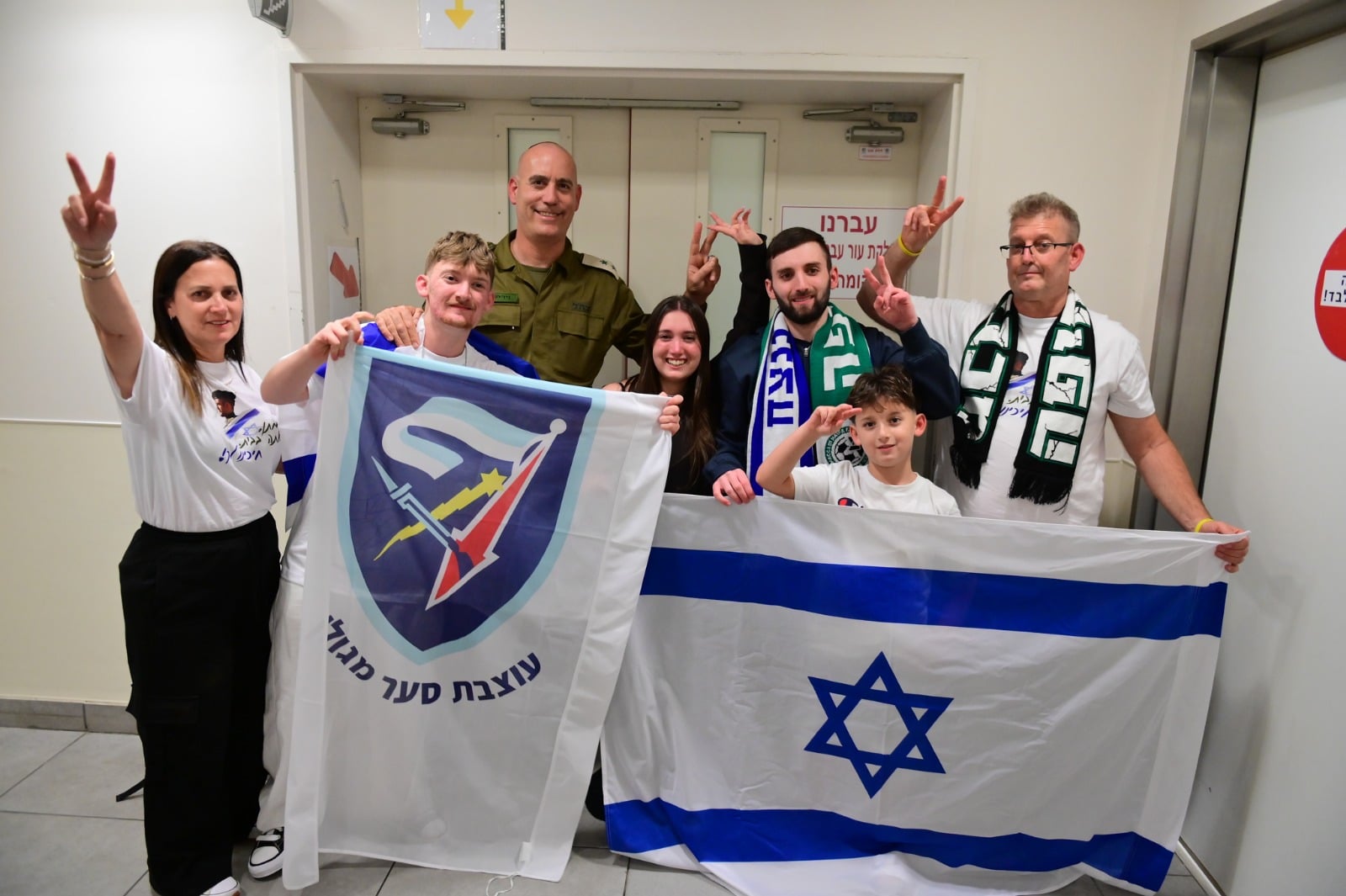
Freedom, Angrest recalled, came suddenly.
He and Berman were blindfolded and then placed together with Alon Ohel and Guy Gilboa-Dalal. “Then, one of the senior [Hamas] guys came, and said: ‘You four, you’re going out tomorrow.’
“At once, like magic, it all goes away. Good defeats evil, just like that,” he said.
When he saw soldiers waiting for him upon his release, he said, “I had goosebumps all over my body, I felt like I would explode from happiness.”
Angrest was one of the last 20 living hostages to be returned together on October 13, 2025, as part of a US-brokered hostage-ceasefire deal. The bodies of the remaining slain hostages were also gradually returned.
Previous agreements had seen the release of other hostages during truces. In exchange, Israel freed some 4,000 jailed Palestinian terrorists, security prisoners, and Gazan terror suspects detained during the war, along with the bodies of Palestinian terrorists.
Eight hostages were rescued from captivity by troops alive, and the bodies of 52 were also recovered.
In total, 251 hostages were taken on October 7, including elderly people, children, and a baby. Almost all were alive at the time, but some bodies of people killed in the attack were also included. Thirty-eight people were abducted alive and killed in captivity, with some being murdered by their captors and others dying as a result of the fighting.







The Times of Israel Community.