

Film offers elegant, intimate look at architect who designed Israel’s Supreme Court
Filmmaker Yael Melamede examines the work and life of her mother, Ada Karmi-Melamede, in ‘Ada: My Mother the Architect’; decries ‘loud, silent boycott of Israeli films right now’
 Add ToI as a Preferred Source on Google
Jessica Steinberg, The Times of Israel's culture and lifestyles editor, covers the Sabra scene from south to north and back to the center
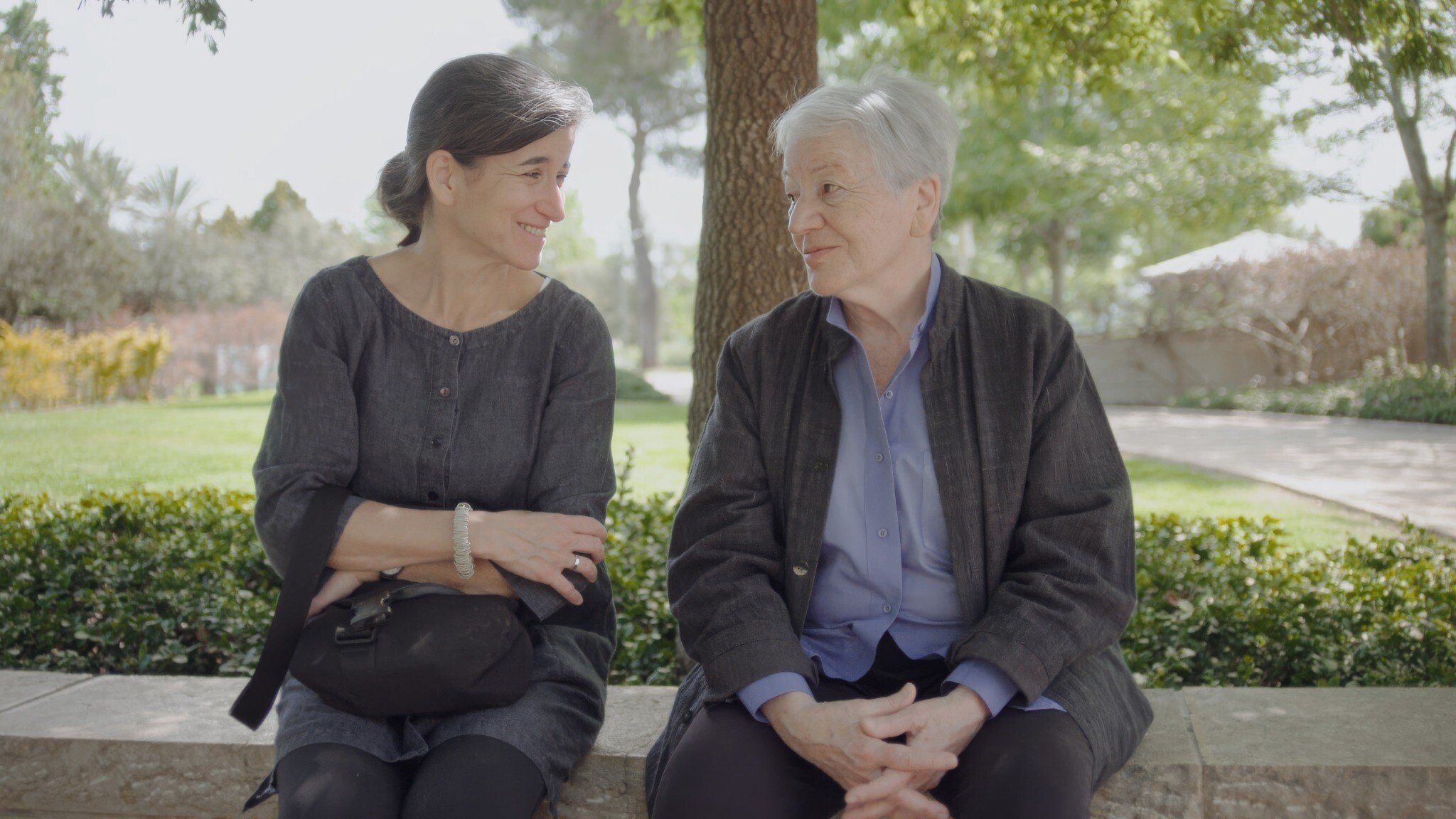
In the quietly elegant documentary film “Ada: My Mother the Architect,” currently being screened in New York and Los Angeles, filmmaker Yael Melamede, daughter of renowned architect Ada Karmi-Melamede, examines the intersection between motherhood, career and ambition.
It’s a film that delves into Karmi-Melamede’s illustrious career, looking at the 88-year-old careerist who was the daughter, wife and sister of prominent Israeli architects.
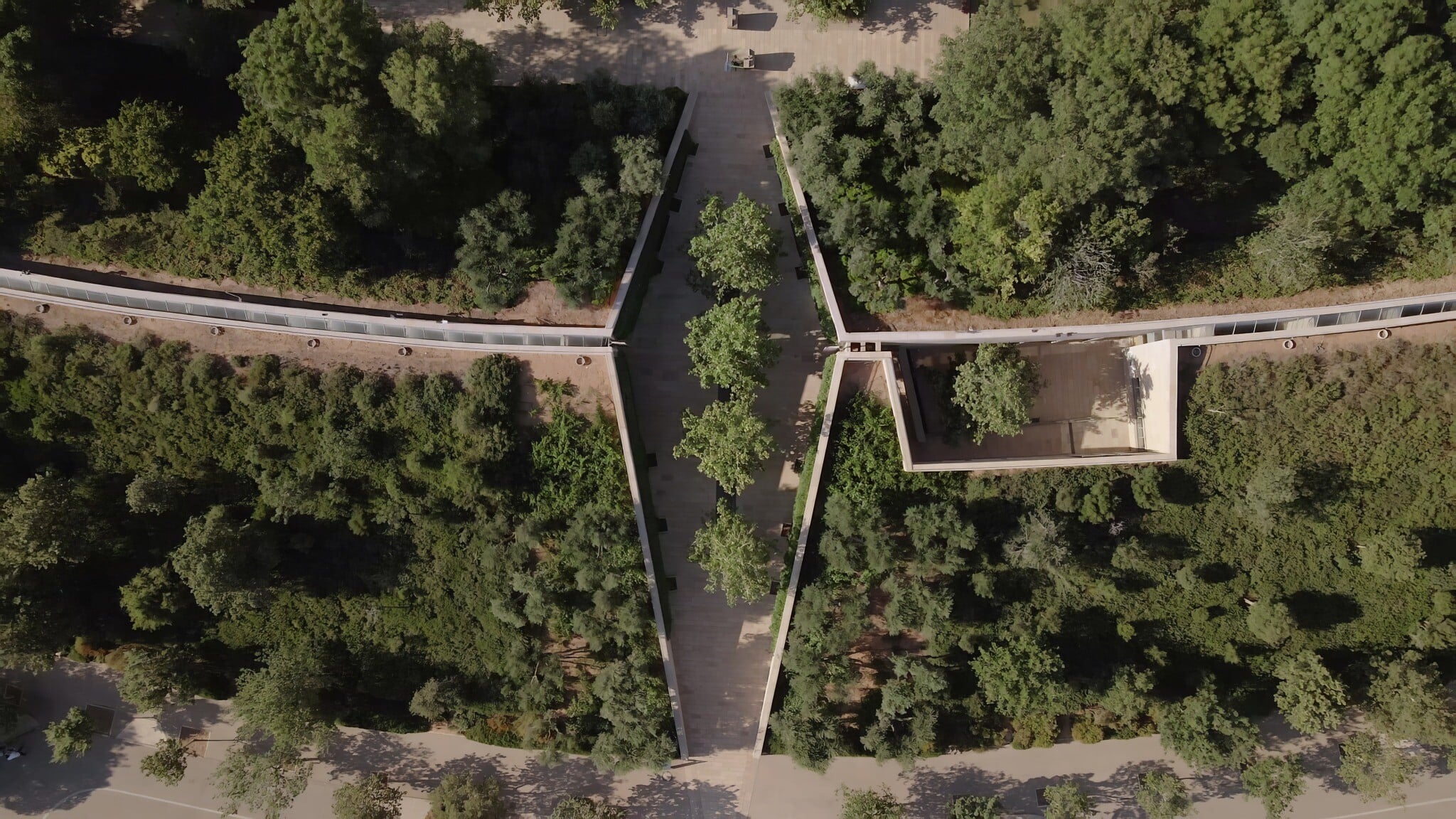
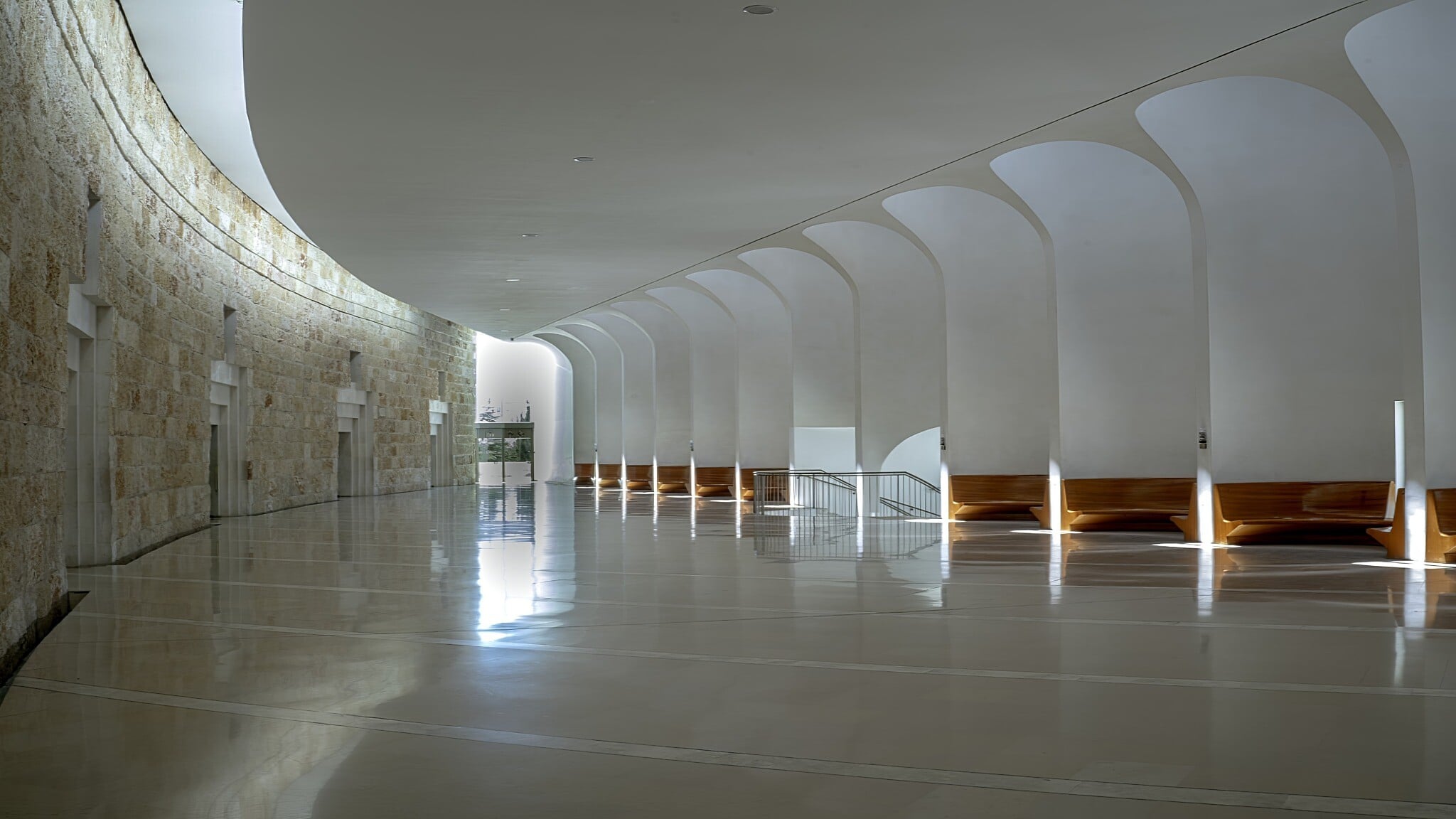
Ada Karmi-Melamede is also the architect who designed Israel’s Supreme Court with her brother, Ram Karmi, and went on to design Ben Gurion International Airport, the Ramat Hanadiv Nature Park Visitor’s Center and other civic buildings.
She continues to head her own firm to this day.
The documentary also looks at Karmi-Melamede’s personal life with her daughter’s careful prodding.
In the 1980s, Karmi-Melamede left the US, where she had been living with her husband, architect Amos Melamede, and their three school-age children, and headed back to Israel alone to pursue her own career.
Melamede, 57, is the youngest of her mother’s children.
“I didn’t start out intending this to be about us,” said Yael Melamede, speaking from her New York City home. “I didn’t intend to be in the film, I didn’t think she would be in the film, I thought she’d be revealed through others, but she has so much quiet power.”
Instead, in the 81-minute film, the mother and daughter are often shown together.
Melamede, who trained as an architect but only worked briefly in the field before turning to filmmaking, walks through Karmi-Melamede’s buildings with her mother, sits with her as she sketches in pencil on bond paper and and has quiet, revealing conversations about the trials and tribulations of her mother’s career and their own relationship.
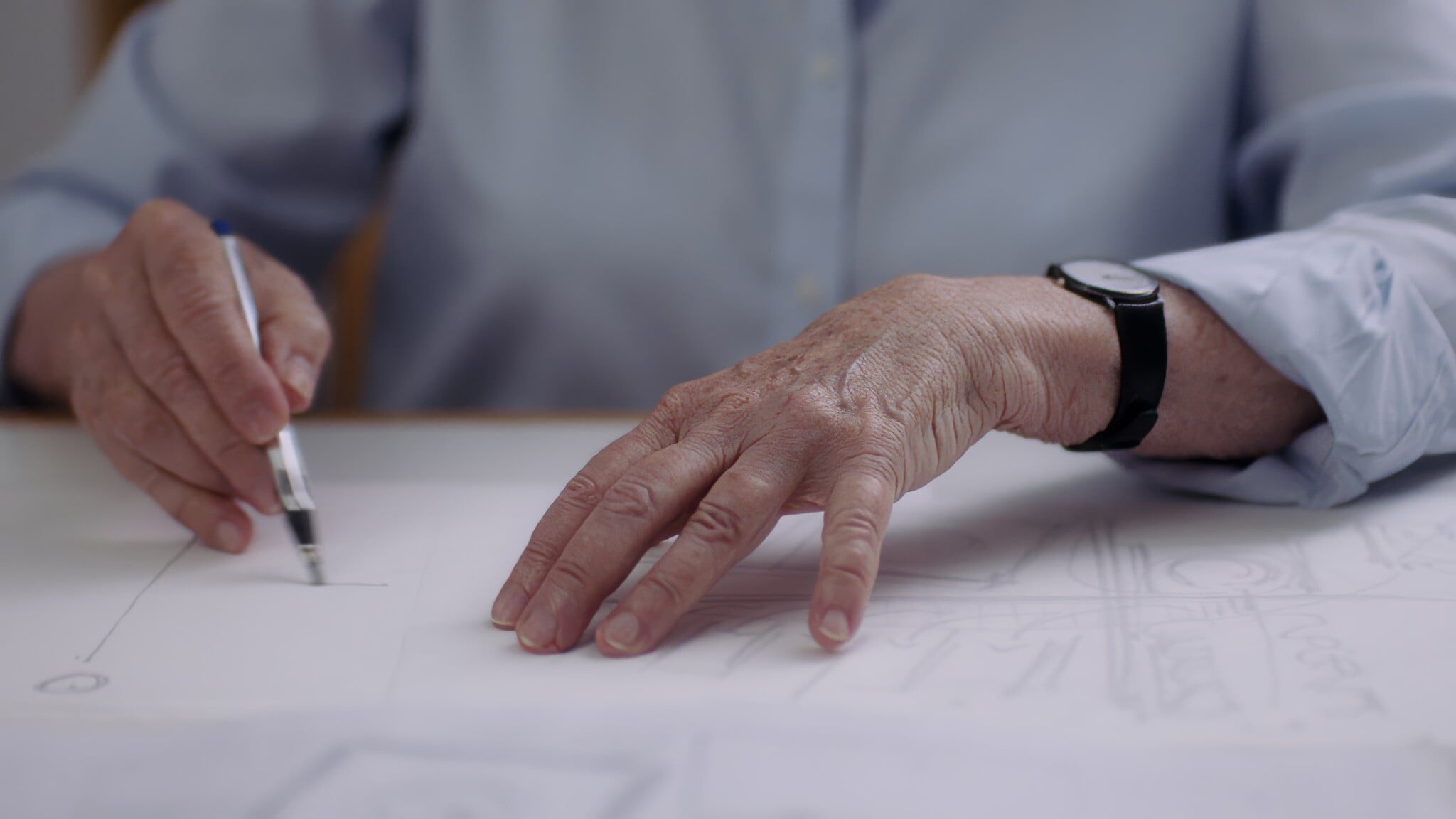
Melamede filmed “Ada” for three and a half years and gently leads her mother and the audience through both the professional and personal sides of Ada’s story.
Karmi-Melamade and her husband moved to New York in the 1960s for his work. She spent 15 years balancing a successful career in architecture and academia, including work on projects like the Con Edison master plan and a study for the proposed Second Avenue Subway.
When she wasn’t offered tenure, Karmi-Melamade decided to return to Israel, where she and her brother, renowned architect Ram Karmi, collaborated and won the international competition to design Israel’s Supreme Court building in Jerusalem.
This commitment required Karmi-Melamade to relocate to Israel, leaving her family in the US.
Melamede didn’t initially intend for the film to also look at their relationship.
In fact, “Ada” was begun gingerly, as a kind of experiment, said Melamede.
“I didn’t know what it would be like to film someone who’s so interior,” she said of her mother. “I thought she’d be revealed through others, but there’s so much quiet power in her.”
In fact, Melamede’s editor commented at one point that she may not even need any other commentators in the film, although architect Moshe Safdie and former Supreme Court president Aharon Barak, among others, speak at length about Karmi-Melamede and her work.
Melamede felt she needed the others for context, but she also found herself getting roped into the film as a way of understanding her mother’s character and being with her in Israel.
“It was unintended but wonderful,” she said.
Melamede, an Academy Award-winning producer, organized the film into five chapters based on the themes important to her mother and which relate to life.
The filmmaker and her team also employed a highly architectural cinematic language, flipping their cameras by 90 degrees to create narrow, vertical images onscreen. The intention was to simultaneously show Ada’s interviews in two frames, mirroring the language of architectural reflections.
A portion of the film dives into the process of designing the courthouse, how Ram Karmi read the bible for inspiration, while his sister read works by Barak.
The film also touches on the current government’s controversial judicial overhaul process that began in 2022, with scenes of Karmi-Melamede sitting outside during a Tel Aviv protest.
She also speaks about what Israel means to her as someone born decades earlier, and how the country is in a different state than it was during her childhood and upbringing.
“I’m connected to what was here before, things that don’t exist now,” says Karmi-Melamede in the film.
Melamede commented that perhaps her mother felt she owed her this film if her daughter wanted it, given her mother’s own chronic modesty and tendency to be shy of publicity.
It’s been a complicated time to release a film about an Israeli architect, said Melamede, given the “loud, silent boycott of Israeli films right now.”
“Ada” hasn’t been accepted at a single festival in Europe and it’s difficult to make headway in the US, said Melamede.
“Films are a kind of entree, they offer an opportunity to see things differently,” she said. “A protest after seeing the film would be fine. But this is hatred without knowing, it just offends my belief in what art can do, in what culture should do.”
Still, said Melamede, she wanted to complete and release this film while her mother was still alive, and could still see it.
When Ada finally saw the film, Melamede asked her what she thought.
“There was a long pause, and her eyes went wide and she said, ‘I can’t believe it’s not boring!'” said Melamede.







The Times of Israel Community.