

Germany’s president dissolves parliament, national election set for February 23
Polls show conservative Union bloc outpacing Chancellor Olaf Scholz’s center-left SDP party, while far-right AfD performing strongly despite ostracism by other parties
 Add ToI as a Preferred Source on Google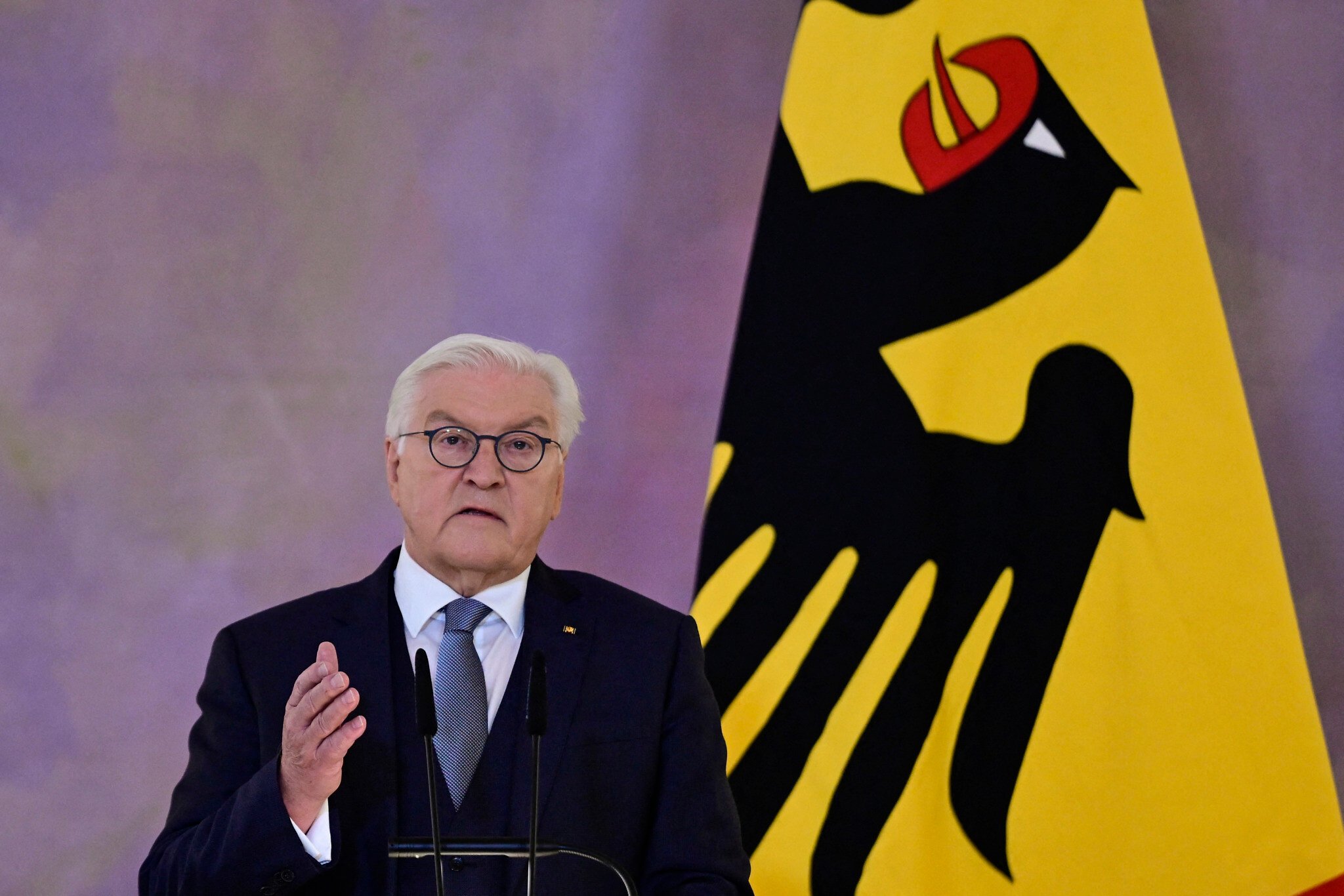
FRANKFURT, Germany (AP) — German President Frank-Walter Steinmeier on Friday ordered parliament dissolved and set new elections for February 23 in the wake of the collapse of Chancellor Olaf Scholz’s governing coalition.
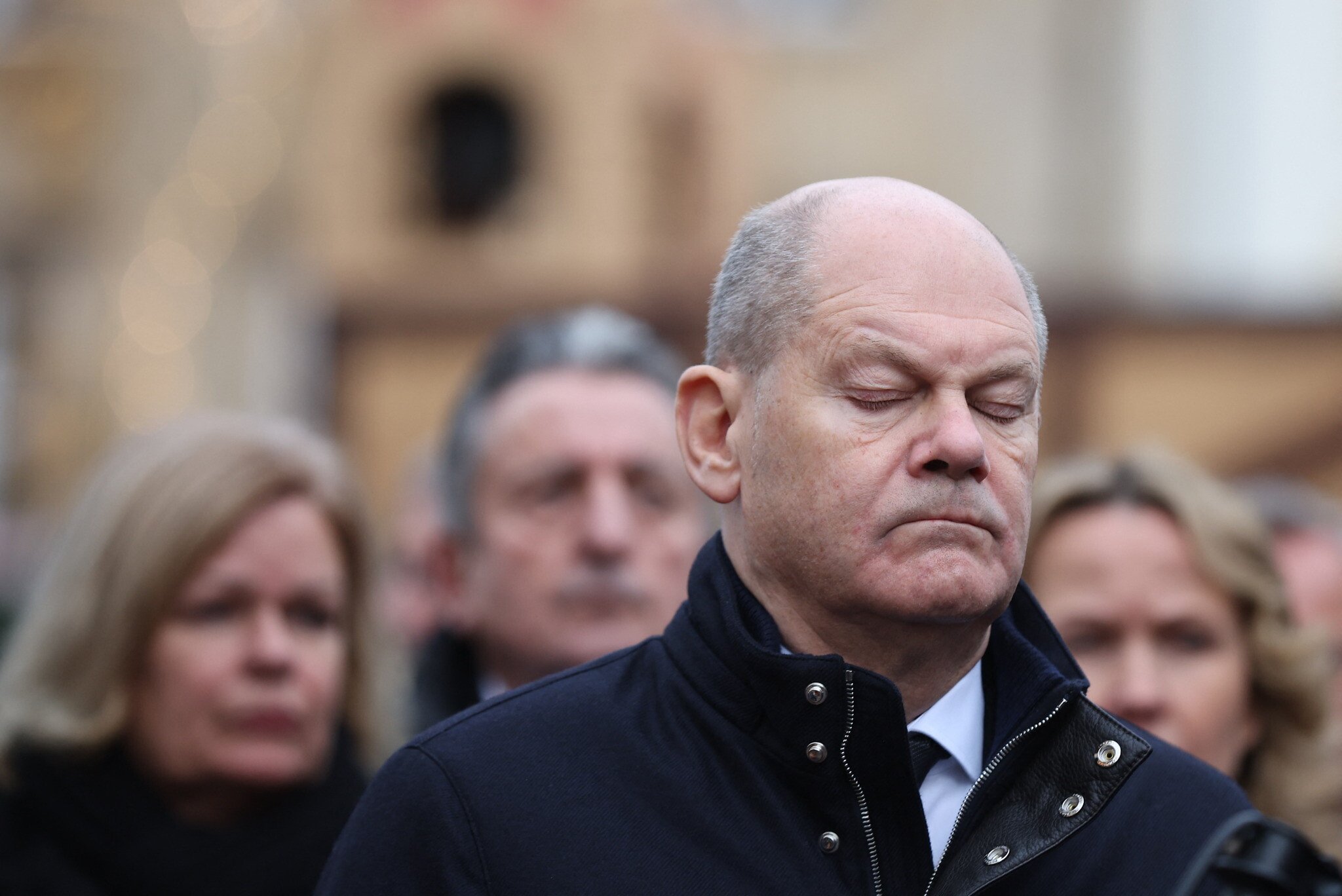
Scholz lost a confidence vote on December 16 and leads a minority government after his unpopular and notoriously rancorous three-party coalition collapsed on November 6 when he fired his finance minister in a dispute over how to revitalize Germany’s stagnant economy.
Leaders of several major parties then agreed that a parliamentary election should be held on February 23, seven months earlier than originally planned.
Since the post-World War II constitution does not allow the Bundestag to dissolve itself, it was up to Steinmeier to decide whether to dissolve parliament and call an election. He had 21 days to make that decision. Once parliament is dissolved, the election must be held within 60 days.
In practice, the campaign is already well underway. Polls show Scholz’s party trailing the conservative opposition Union bloc led by Friedrich Merz. Vice Chancellor Robert Habeck of the environmentalist Greens, the remaining partner in Scholz’s government, is also bidding for the top job — though his party is further back.
If recent polls hold up, the likely next government would be led by Merz as chancellor in coalition with at least one other party.
Key issues include immigration, how to get the sluggish economy going, and how best to aid Ukraine in its struggle against Russia.
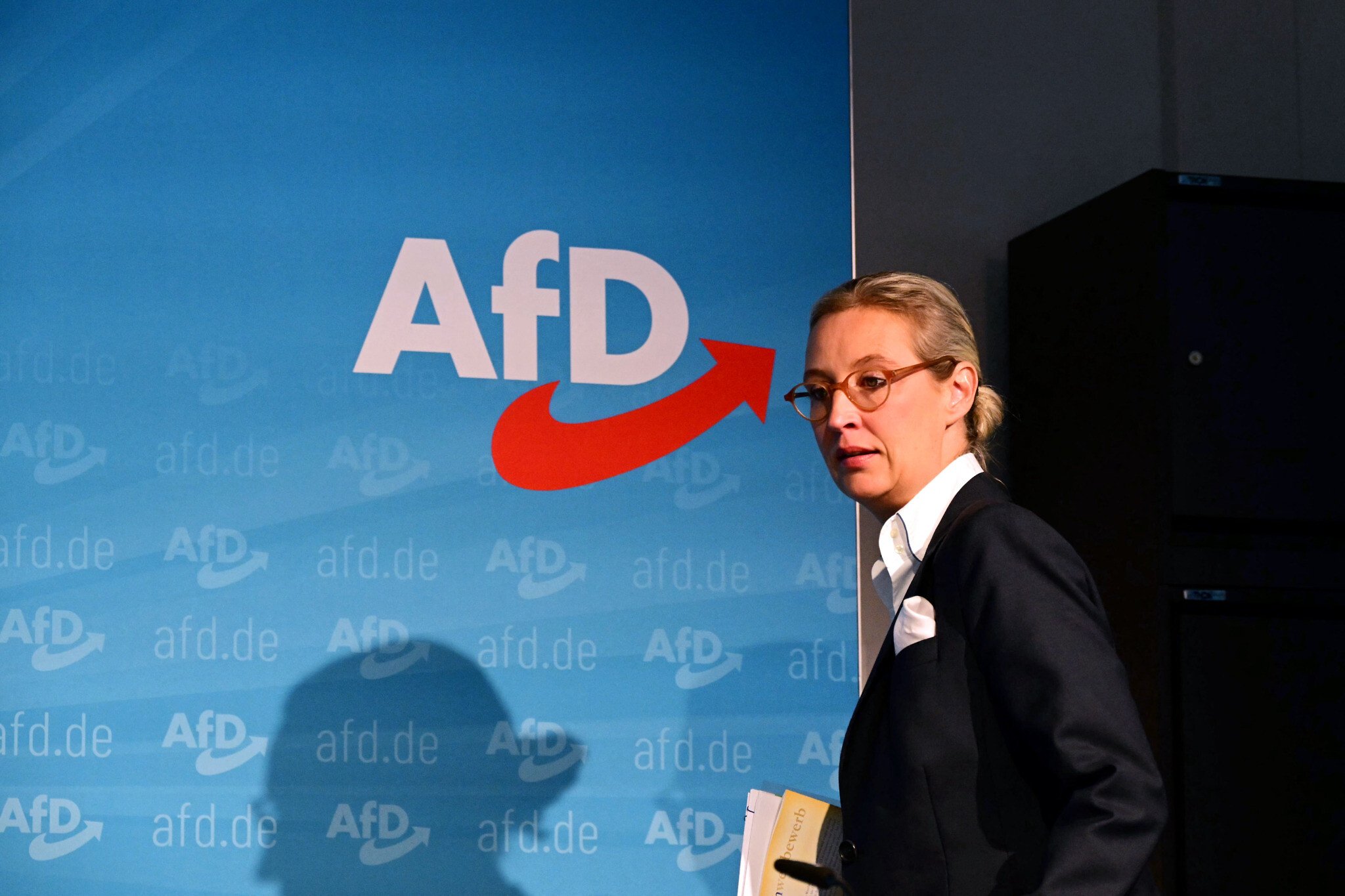
The populist, anti-immigration Alternative for Germany, or AfD, which is polling strongly, has nominated Alice Weidel as its candidate for chancellor but has no chance of taking the job because other parties refuse to work with it.
Germany’s electoral system traditionally produces coalitions, and polls show no party anywhere near an absolute majority on its own. The election is expected to be followed by weeks of negotiations to form a new government.
It’s only the fourth time that the Bundestag has been dissolved ahead of schedule under Germany’s post-World War II constitution.
It happened under Chancellor Willy Brandt in 1972, Helmut Kohl in 1982 and Gerhard Schroeder in 2005. Schroeder used the confidence vote to engineer an early election narrowly won by center-right challenger Angela Merkel.







The Times of Israel Community.