

Hadassah parents end hunger strike amid ongoing mediation
Mediator Elyakim Rubinstein hopes move will help sides resolve crisis over children’s cancer ward
 Add ToI as a Preferred Source on Google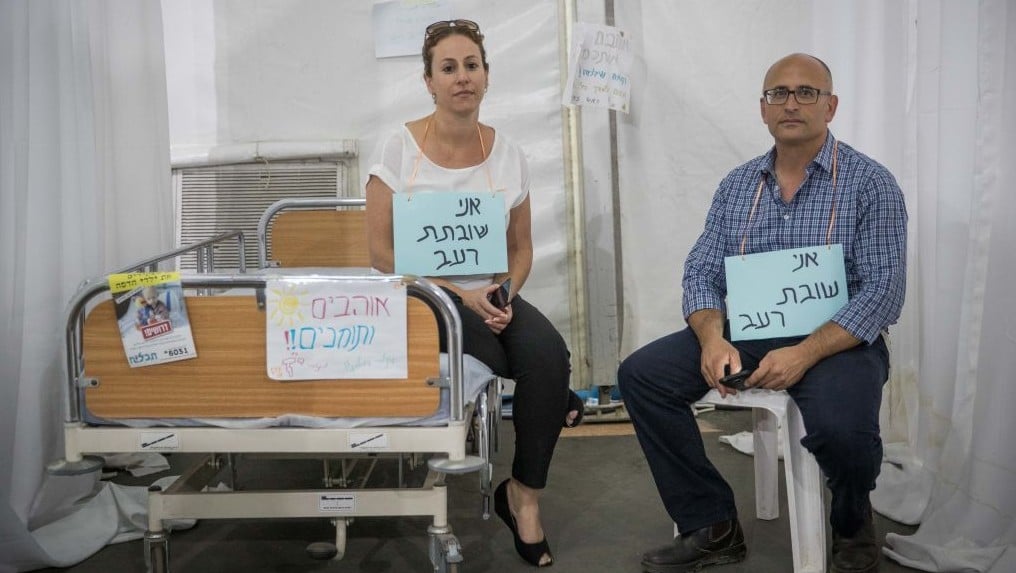
The parents of patients at Hadassah Hospital’s children’s cancer ward called off their hunger strike in support of the medical staff on Wednesday night, amid an ongoing crisis between doctors and management.
At the request of the court-appointed mediator, former supreme court justice Elyakim Rubinstein, the parents ended their strike in the hope that it will encourage the sides to reach a solution.
The parents announced the hunger strike plan on Sunday in the tent they recently set up as a makeshift field hospital in Jerusalem’s Sacher Park, despite objections from the doctors at the center of the ongoing crisis.
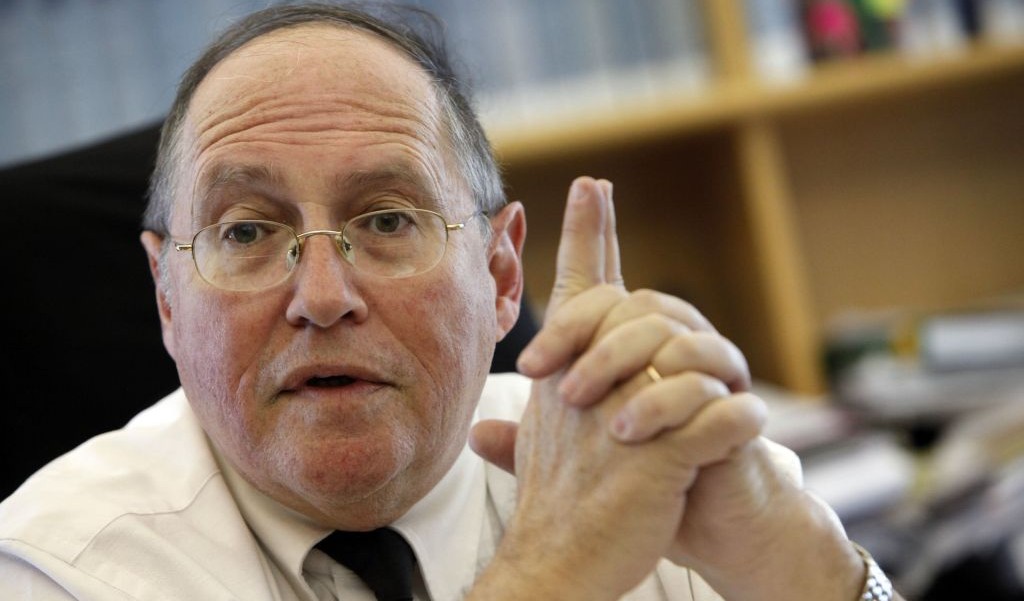
Six doctors, including Prof. Michael Weintraub, former director of the hemato-oncological department in March, and three interns resigned from Hadassah Ein Kerem in March, with their resignations taking effect this month, over a management decision which they thought was medically unacceptable.
Since then, the doctors, management and parents have been trading accusations and counter-accusations.
The parents have petitioned the High Court of Justice demanding the court approve the opening of a new department at Shaare Zedek, fire director-general Zeev Rotstein, and open legal proceedings against Rotstein and Health Minister Yaakov Litzman.
The state responded on Sunday to the court petition saying that it would not channel public funds into opening another cancer department in Jerusalem because the infrastructure already exists at Hadassah. The state further said that the solution was to immediately hold negotiations between the two sides, during which the doctors who resigned would resume work at Hadassah.
The crisis was set off by a management plan that emerged last fall to transfer a child bone marrow transplant expert, Dr. Paulina Stefansky, from the unit without consulting Prof. Weintraub — who previously headed the unit before resigning in March —to an adult transplant unit in another building.
The idea was to use available beds in the adult unit to treat non-Israeli child “medical tourists” from the West Bank and East Jerusalem and countries from the former Soviet Union — who would pay high fees for transplants that would help replenish Hadassah’s depleted coffers — and have the already overstretched team from the children’s unit care for them, along with their Israeli patients in the children’s department.
Before the doctors’ resignation, the children’s department had six doctors and three interns caring for 160 new child cancer cases a year – the same size team that was caring for 120 children four years ago. The figures, according to a Channel 10 investigation, compared with 13 doctors and four trainees for 170 new cases annually in the child cancer department at Sheba Hospital, outside Tel Aviv, and 15 doctors and 5 interns for 160 new cases a year at the Schneider Children’s Hospital in Petah Tikva.
Most of the children who were being treated at the unit before the crisis erupted have moved to other hospitals in other cities at the recommendation of the doctors who resigned.
Sue Surkes contributed to this report.





The Times of Israel Community.