

Parents threaten hunger strike as PM urges quick end to cancer ward crisis
Parents of Hadassah pediatric cancer patients set up field hospital protest tent in Jerusalem park; state adamant it won’t open another treatment center in Jerusalem
 Add ToI as a Preferred Source on Google
Stuart Winer is a breaking news editor at The Times of Israel.
Prime Minister Benjamin Netanyahu on Sunday urged all involved sides to swiftly end an ongoing crisis over services at a Jerusalem children’s cancer ward, as parents of patients threatened to begin a hunger strike if the dispute continues.
In March, six doctors and three interns resigned en masse from Hadassah Hospital Ein Kerem’s hemato-oncology unit for children, the only such unit in the city, with their resignations taking effect earlier this month.
The crisis was set off by a management plan that emerged last fall to take a child bone marrow transplant expert, Dr. Paulina Stefansky, from the unit without consulting the department’s director, Prof. Michael Weintraub, and to put her in charge of an adult transplant unit in another building.
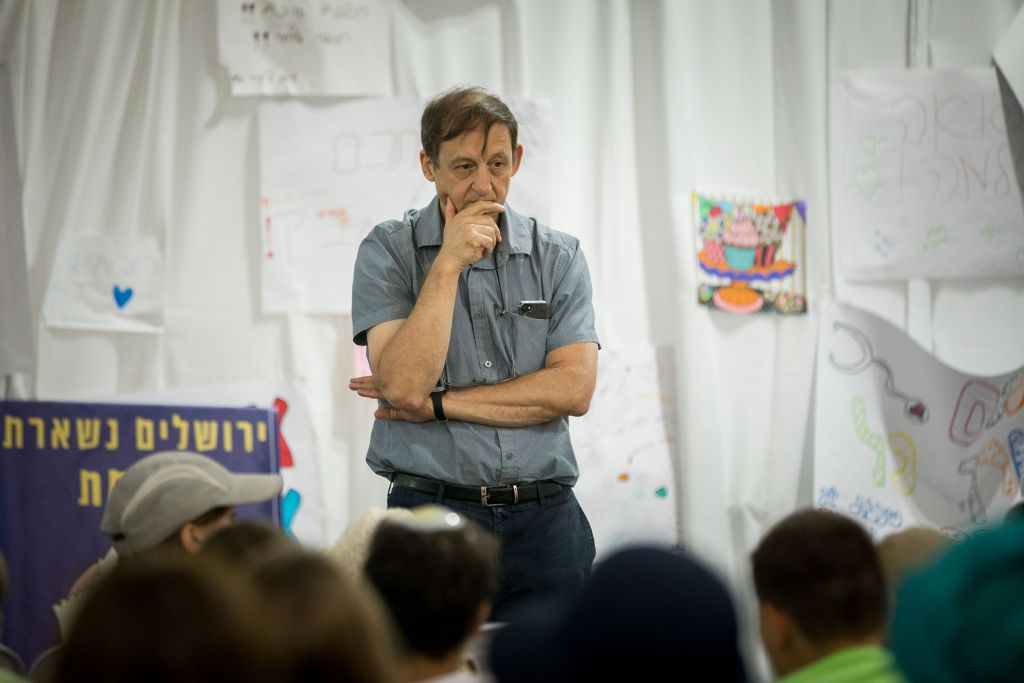
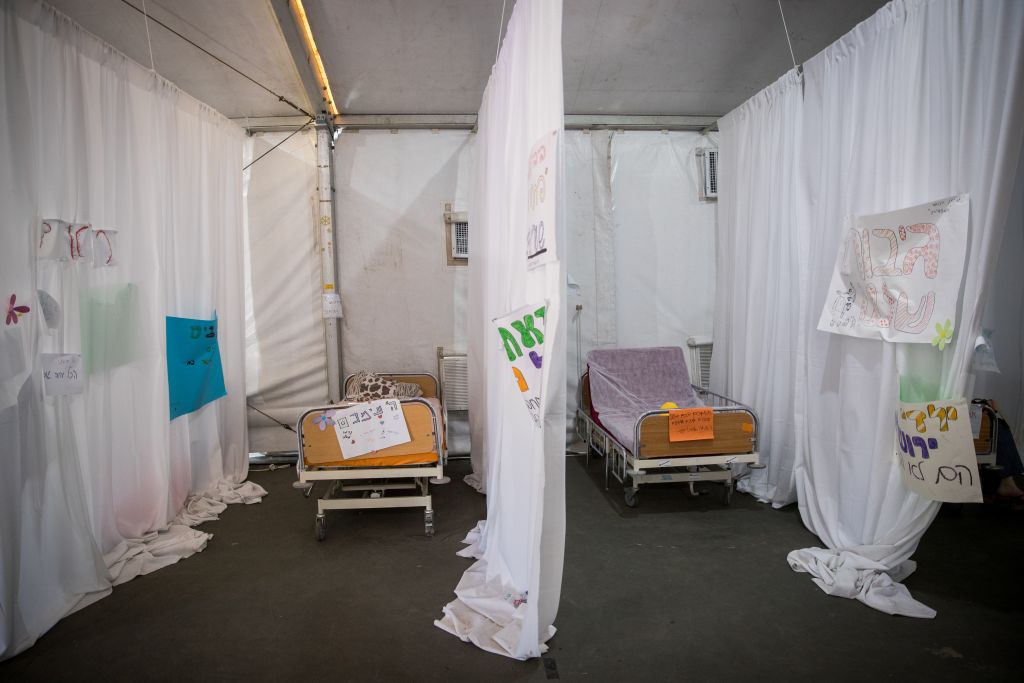
Desperate parents who set up a protest tent in a Jerusalem park, complete with beds for their sick children, have petitioned the High Court of Justice demanding the court approve the opening of a new department in Jerusalem’s Shaare Zedek Medical Center, fire Zeev Rotstein, CEO of Hadassah Hospital, and open legal proceedings against Rotstein and Health Minister Yaakov Litzman.

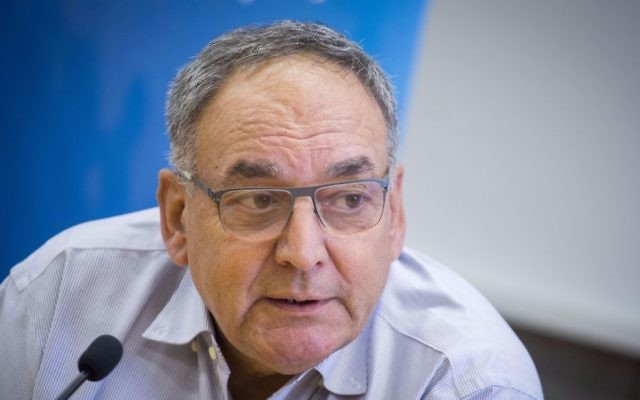
The state responded on Sunday to the court petition saying that it would not channel public funds into opening another cancer department in Jerusalem because the infrastructure already exists in Hadassah. The state further said that the solution was to immediately hold negotiations between the two sides, during which the doctors who resigned would resume work at Hadassah.
Speaking before the weekly cabinet meeting Netanyahu said the crisis had gone on for too long.
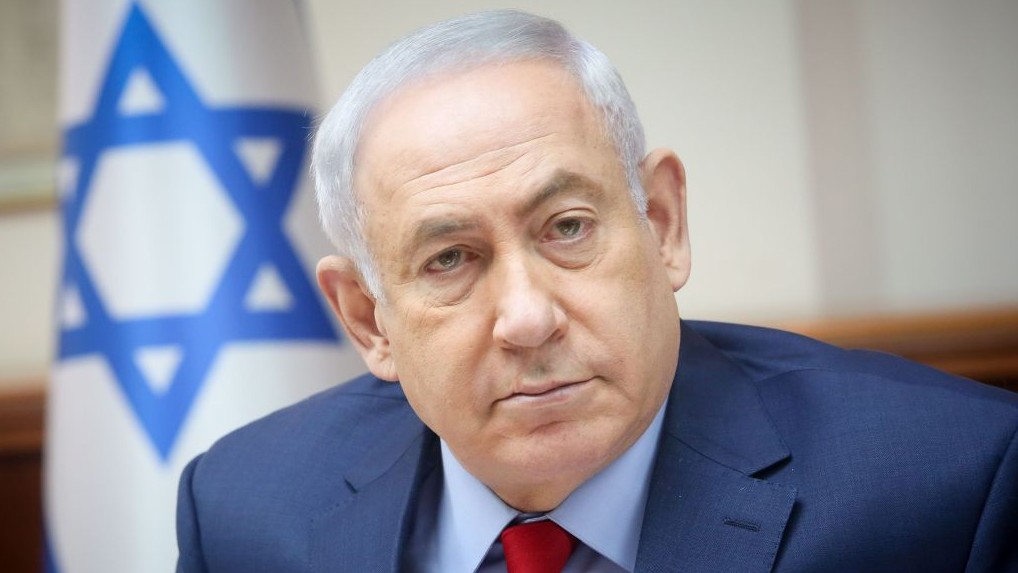
“Efforts were made, also by me, by way of the health minister who acted tirelessly in the matter, and also by the president and others, to reach a solution to the problem,” the prime minister said. These efforts did not succeed. A petition was filed to the High Court of Justice, which will convene on Wednesday, and we are all waiting for the debate.”
“I ask the sides to make a last effort to return the situation to the way it was before and then to allow a period of six months, or even a year, to review things… in order that these exhausted, unfortunate, sick children won’t continue to suffer.”
Netanyahu said he has asked the court, if no solution is forthcoming, to bring forward the debate to Monday.
“There is no reason to wait another two days and cause unnecessary suffering to the children.”
Some of the parents announced that from Sunday evening they intend to launch a hunger strike in the tent, set up as a makeshift field hospital, in the capital’s Sacher Park.
“We feel that all of the authorities aren’t telling the truth, they engaging in politics at our expense and are not really trying to solve the problem,” the parents said in a statement.
“We are beginning a hunger strike because we have completely lost our belief in the health system — the health minister, director general of the Health Ministry, and of course the director of Hadassah, Prof. Rotstein,” said Shlomo Ben Dor, father of a six-year-old boy who was receiving treatment in the strife-ridden children’s department.
According to a report from Hebrew daily Yedioth Ahronoth last Wednesday, the Health Ministry has pinned a large part of the blame on the director of Hadassah’s rival hospital in Jerusalem, Shaare Zedek, for discussing the establishment of a new child cancer unit within his hospital, and accused him of “a lack of loyalty and good faith.”
The crisis came to a head as Stefansky, the marrow transplant expert, was moved, underscoring differences in how Weintraub and Rotstein saw the future of the department.
Weintraub and his doctors had been planning to grow the children’s ward gradually, by adding rooms and training additional staff, before receiving additional patients, according to a Channel 10 investigative report earlier this month.
The report said that Rotstein, CEO of Hadassah Hospital, had a different idea — to bring the fee-paying children in first, and have the existing team care for them in the meantime without hiring new doctors and moving others elsewhere in the medical center.
Until the doctors’ resignation, the children’s department had six doctors and three interns caring for 160 new child cancer cases a year. This, according to Channel 10, compared with 13 doctors and four trainees for 170 new cases annually in the child cancer department at Sheba Hospital, outside Tel Aviv, and 15 doctors and 5 interns for 160 new cases a year at the Schneider Children’s Hospital in Petah Tikva.
Sue Surkes contributed to this report.







The Times of Israel Community.