

Health minister accuses Jerusalem kids’ cancer doctors of ‘putsch’
Oncologists insist Hadassah Hospital management responsible for ongoing saga ‘of cynical, cruel, dangerous use of seriously sick children’
 Add ToI as a Preferred Source on Google
Sue Surkes is The Times of Israel's environment reporter
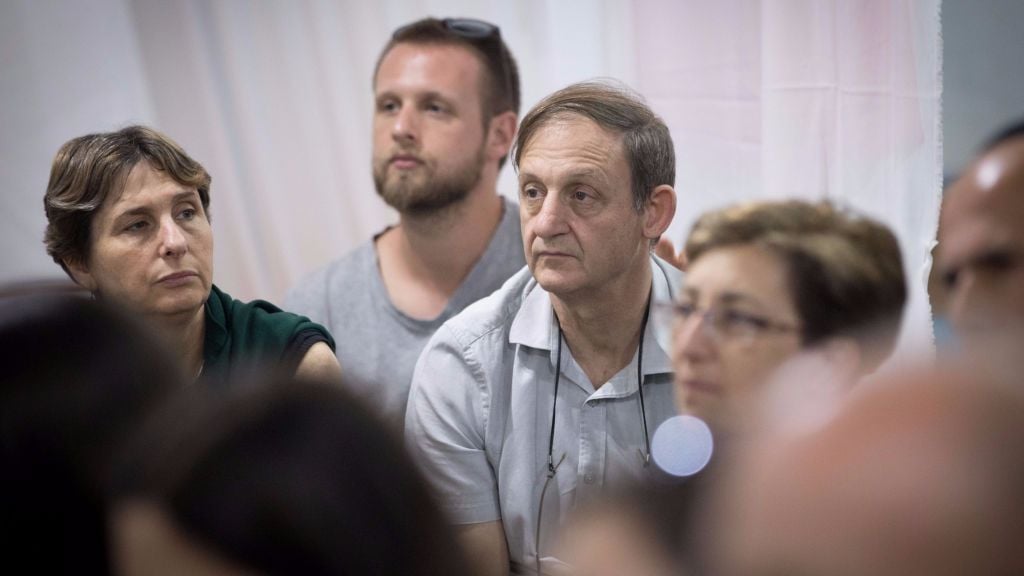
A vicious war of words broke out Wednesday as the crisis over Jerusalem’s only children’s cancer ward intensified.
It began with a front-page opinion piece in the mass-circulation daily Yedioth Ahronoth, which accused doctors who resigned from Hadassah Ein Kerem Hospital over a disagreement with management of being responsible for “long months of cynical, cruel, dangerous and unprecedented use of seriously sick children and their families.”
The Health Ministry, according to the report, was pinning a large part of the blame on the director of Hadassah’s rival hospital in Jerusalem, Shaare Zedek, for discussing the establishment of a child cancer unit within his hospital and accusing him of “a lack of loyalty and good faith.”
The doctors, meanwhile, announced that they would have no further contact with Hadassah or the health authorities until the High Court rules on a petition in their case on June 28.
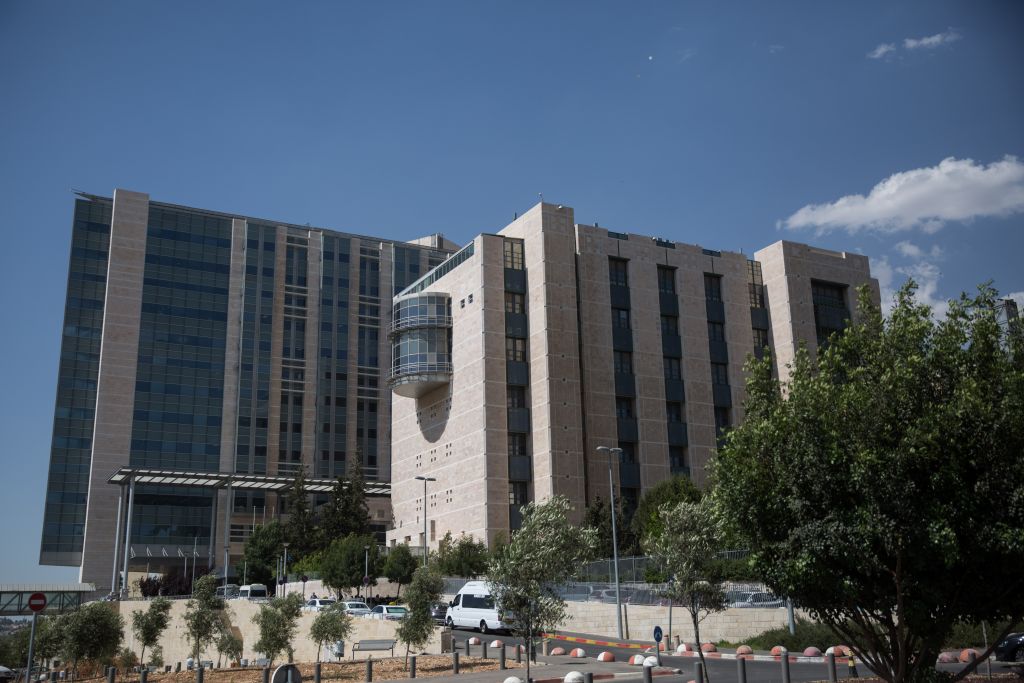
In March, six doctors and three interns resigned en masse from Hadassah’s hemato-oncology unit for children, with their resignations taking effect earlier this month.
The crisis was set off by a management plan that emerged last fall to take a child bone marrow transplant expert, Dr. Paulina Stefansky, from the unit without consulting the department’s director, Prof. Michael Weintraub, and to put her in charge of an adult transplant unit in another building.
The idea was to use available beds in the adult unit to treat non-Israeli child “medical tourists” — who would pay high fees for transplants that would help replenish Hadassah’s depleted coffers — and have the existing team from the children’s unit care for them, along with the Israeli patients in the children’s department.
Weintraub and his doctors had been planning to grow the children’s ward gradually, by adding rooms and training additional staff, before receiving additional patients, according to a Channel 10 investigative report earlier this month.
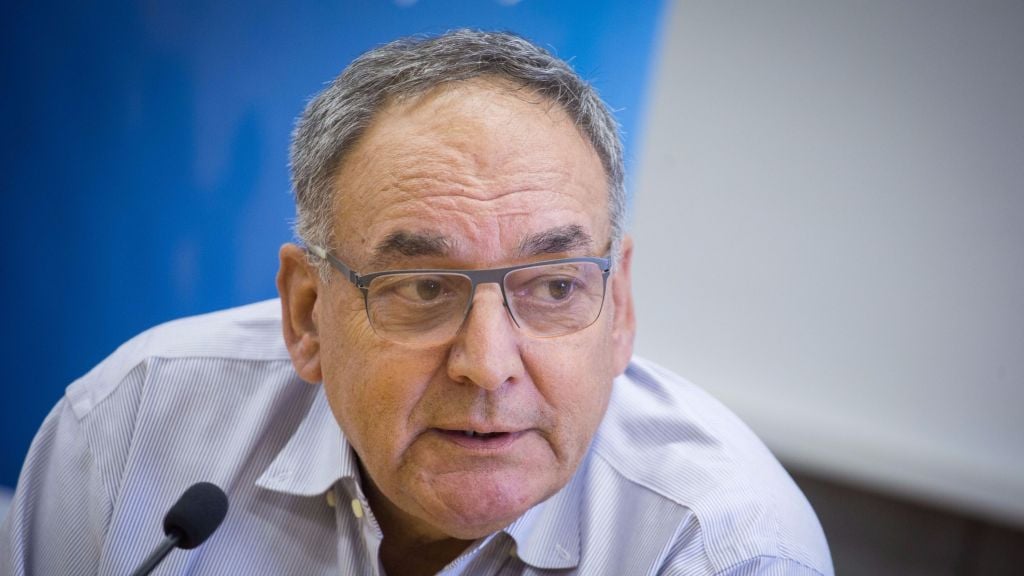
The report said that Prof. Zeev Rotstein, CEO of Hadassah Hospital, had a different idea — to bring the fee-paying children in first, and have the existing team care for them in the meantime.
Until the doctors’ resignation, the children’s department had six doctors and three interns caring for 160 new child cancer cases a year. This, according to Channel 10, compared with 13 doctors and four trainees for 170 new cases annually in the child cancer department at Sheba Hospital, outside Tel Aviv, and 15 doctors and 5 interns for 160 new cases a year at the Schneider Children’s Hospital in Petah Tikva.
“There’s no way for six doctors to provide responsible treatment,” one of the Hadassah doctors, Dr. Tal Ben-Ami, told Channel 10. “Every moment, right or left, is significant to the extent it can end in death.”
Staunchly opposed to the introduction of children into the adult department, for medical as well as staffing and logistical reasons, Weintraub turned on November 1 to the director of the rival Shaare Zedek Hospital, Dr. Yonatan Halevy, to explore the possibility of a new department being established there for the six doctors and three interns.
“Naively, I said that if there isn’t going to be a department at Hadassah, a department will open at Shaare Zedek,” Halevy told Channel 10. But he denied having given the Hadassah doctors any promises, and both he and the doctors maintained that the meetings on the matter had been very general.

Later that month, the doctors informed Rotstein that they had looked into the possibility of opening a department at Shaare Zedek. Rotstein, according to Channel 10, told them they were “traitors” and that the conversation was over unless they promised to sever contact with the rival hospital.
In March, Rotstein wrote a poem to mark the Jewish festival of Purim in which he likened the doctors to the ancient Persians, who, the story has it, wanted to annihilate the Jews.
“The moment we expressed professional opposition, the driving force started to be a power struggle in which [Rotstein’s] aim was to show that whoever opposes a decision of management will be crushed,” Dr. Iris Fried, one of the doctors who resigned, told Channel 10.
This week, the proverbial knives came out.
On Tuesday, Channel 2 laid the blame at Shaare Zedek’s door, quoting an unnamed senior Health Ministry official as saying there was “an element that has been pulling the strings behind the crisis for a long time and that’s Yonatan Halevy, who saw this case as another opportunity to expand his hospital at the expense of Hadassah.”
In Wednesday’s Yedioth Ahronoth piece, entitled “The Truth is Out,” the paper wrote, “Today we can say that the doctors who resigned are the main guilty party in the crazy chaos engulfing the hemato-oncology unit at Hadassah.”
“After long months of cynical, cruel, dangerous and unprecedented use of seriously sick children and their families, the cat is out of the bag.”
The paper repeated that the Health Ministry largely blamed Halevy for the crisis, quoting unnamed sources as saying, “They took a carefully planned step out of a desire to destroy the unit at Hadassah and create a new unit at Shaare Zedek… This was an attempt at a putsch.”
“All the talk that [Halevy] had no intention of taking sides in the crisis turns out to be a lie.”
Yedioth quoted from emails sent in November, which it said showed that talks between Weintraub and Halevy had reached a far more advanced stage than Halevy had led the public to believe.
In one, dated November 15, 2016, Shaarei Zedek’s deputy director of finances, Ruth Ralbag, wrote to Weintraub that the the new unit would probably be allocated 1,000 square meters (10,765 square feet).
In another email, Weintraub sent Halevy and Ralbag a letter he had received from Rotstein, to which Ralbag responded, “[Rotstein] certainly doesn’t express any interest in discussing the decision about Paulina (Stefansky). It’s a done deal from his point of view.”
At the end of January, Halevy wrote to Weintraub, “I also think the saga is reaching its climax and I hope it will end as we want it to.”
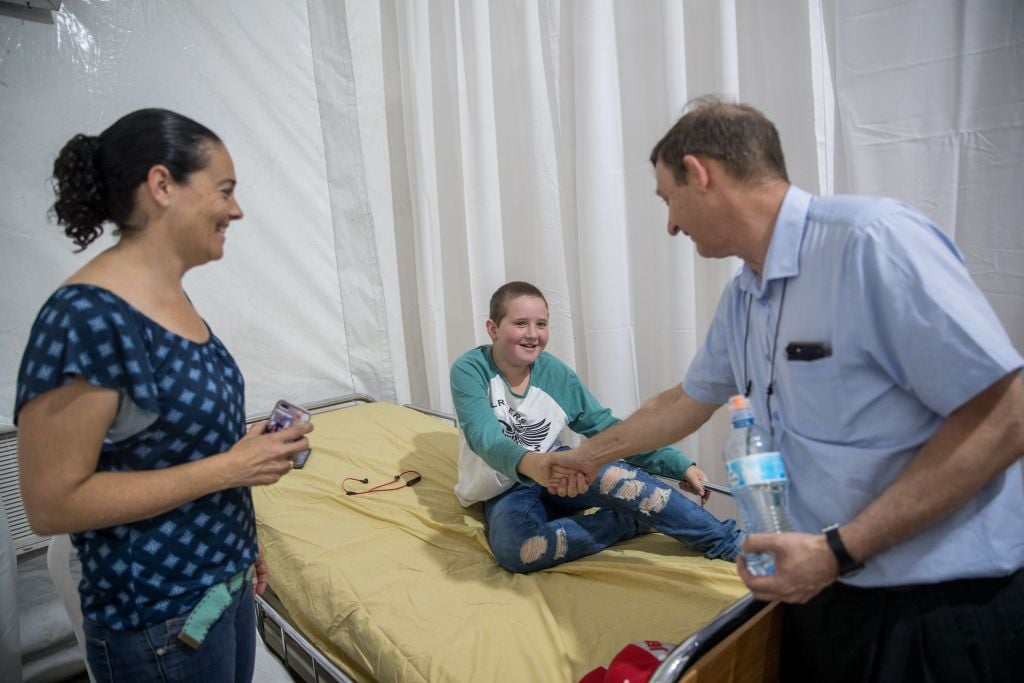
Health Minister Yaakov Litzman weighed in on the Yedioth article on Wednesday, telling Channel 10, “Personally, I’m shocked by what I read this morning. It’s hard for me to believe that senior doctors would try to orchestrate a putsch on a hospital in the dead of night.”
He added, “I emphasize once again that there will not be a department at Shaare Zedek — that’s the professional determination of the Health Ministry and not of mine as health minister.”
Litzman said he had instructed Rotstein to give the doctors whatever they asked for and that Rotstein had accepted the order, but “to my regret, the doctors did not.” He said the doctors had also rejected mediation.
Shaare Zedek said Wednesday in a statement, “We never denied that Prof. Weintraub asked Prof. Halevy in November 2016 to consider opening a department in light of his intention and that of his doctors to resign from Hadassah. And so at that time, the option of a department at Shaare Zedek was looked at from the point of view of physical infrastructure.
“But at a very early stage, in February 2017, before the doctors resigned, and after the Health Ministry decided that it would not allow such a department at Shaare Zedek, Prof. Halevy tried to convince the doctors to stay at Hadassah, and any communication between him and them was on that level.”
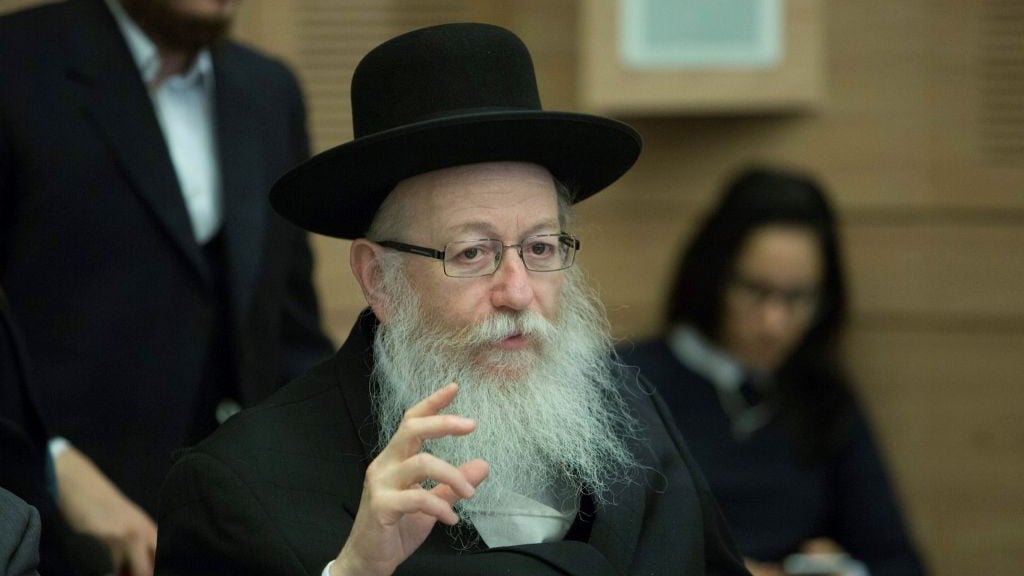
A statement from Orna Lynn, a lawyer representing Weintraub, described Rotstein’s plans to carry out children’s bone marrow transplants in the adult transplant department as a decision that was “mistaken professionally, medically and ethically,” and that the doctors felt they were unable to cooperate with it.
That was why, the statement said, “from November onward, the possibility of moving to Shaare Zedek was examined, and Prof. Rotstein was informed of the contacts as early as November 14.
“In January 2017, the health minister asked the doctors what they would do if a department was not established at Shaare Zedek and they said, ‘We’re going to resign anyway.'”
The doctors’ decision to resign stemmed for a crisis of personal and professional confidence in Hadassah’s director, said Lynn, and had nothing to do with the prospect of a new department at Shaare Zedek.
Lynn accused Rotstein of leaking emails taken off Weintraub’s computer to the media, and said the issue would be dealt with legally.
In a separate report, Yedioth said that the Health Ministry had not heard back from the doctors since a meeting Thursday at which the two sides agreed to submit names of potential mediators.
Echoing Litzman’s words, the Health Ministry said it had offered to turn the clock back and restore conditions at Hadassah to what they were before the crisis erupted, but that the doctors would still not cooperate.
On Tuesday, Yedioth’s Ynet news site reported that Health Ministry Director General Moshe Bar Siman Tov had written to the doctors’ lawyers on Monday, saying, “During the discussion, we expressed our willingness to act to return the situation in the department to what it was before the crisis and to improve treatment conditions by adding beds, resources and staff.
“I asked, and I ask again, that you write down your professional demands for the way the department should be run so that we can ensure the best treatment. Even though you refused, my suggestions still stand. During the discussions, you suggested we initiate a process of mediation. As I told you in a conversation, we’re open to that. My efforts to communicate with you over the last day have failed,” Bar Siman Tov wrote.
The doctors hit back Wednesday. “Rotstein and the Health Ministry are hiding the fact that they have no plan for managing the department, while for the past half year, Hadassah has been putting lives in danger with the support of the ministry,” they said in a statement.
The doctors said any mediation or discussions about alternative solutions would henceforth only take place under the auspices of the Supreme Court.
The doctors told Bar Siman Tov that there was “no point in further direct contact. You reject the suggestions that the doctors make and don’t advance suggestions that the doctors have agreed upon. You don’t make any real proposals. Furthermore, all contacts between us are leaked to the media in a distorted way as one big spin.”
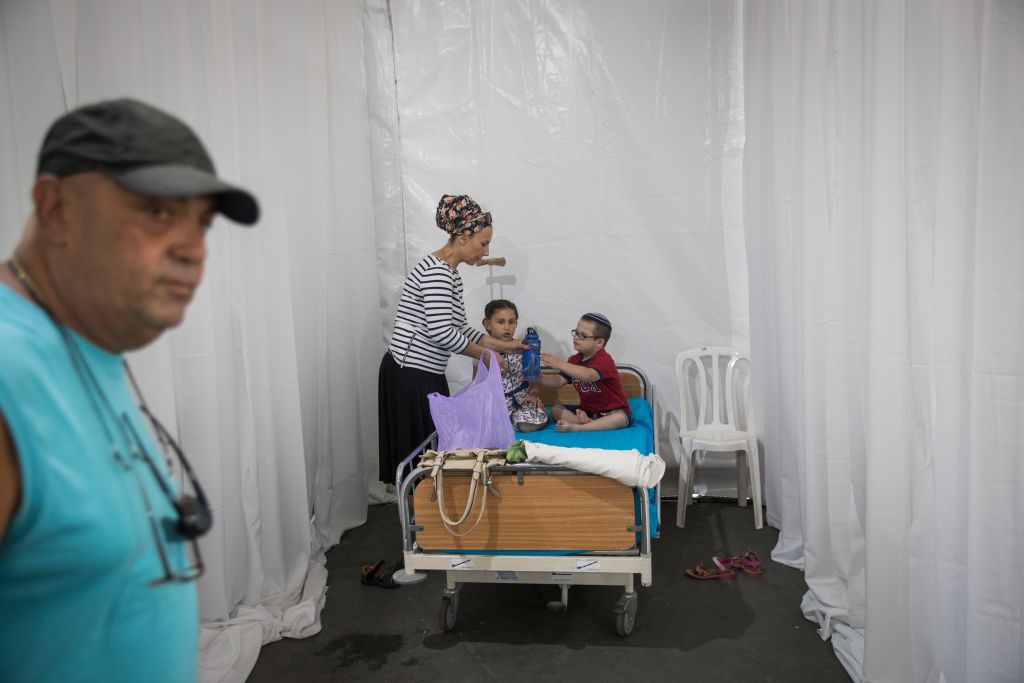
The children’s cancer unit is still operating with a staff of the original nurses and a handful of replacement doctors, although parents have largely sided with the original medical team and have been ferrying their children to other hospitals for treatment until a solution in Jerusalem is found.
One nurse told The Times of Israel earlier this month that mistakes were being made in the ward frequently and that she feared that sooner or later one of those mistakes could seriously harm a child.






The Times of Israel Community.