

High Court hears petition from parents of autistic Palestinian shot dead by border cop
Family of Iyad Halak, who was killed in Jerusalem in 2020, urges justices to compel state attorney to appeal exoneration of officer, who was acquitted for ‘honest mistake’
 Add ToI as a Preferred Source on Google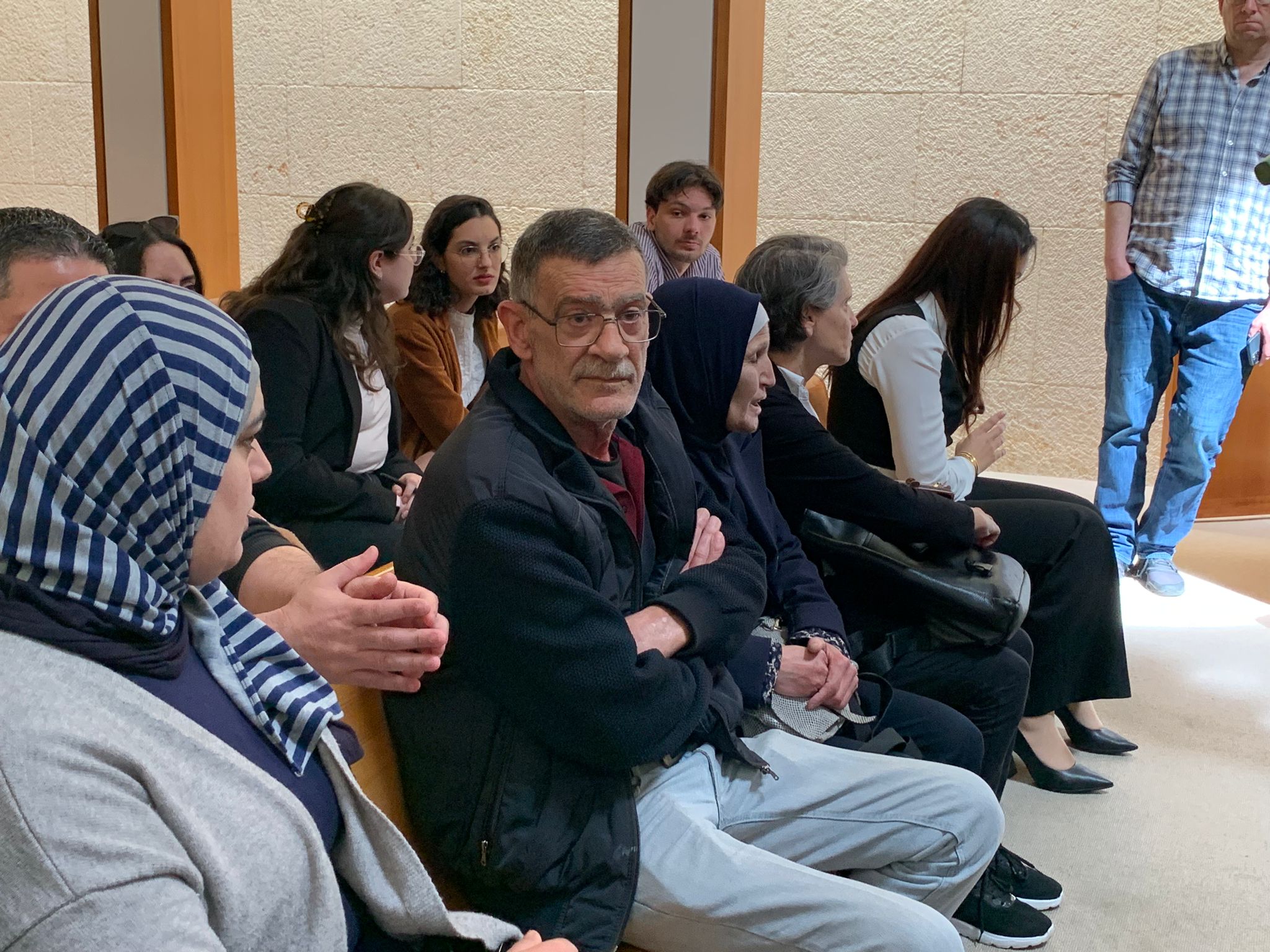
The High Court of Justice heard a petition on Thursday from the parents of an autistic East Jerusalem man who was shot to death by a police officer several years ago, calling to overturn the decision to clear the officer of any wrongdoing.
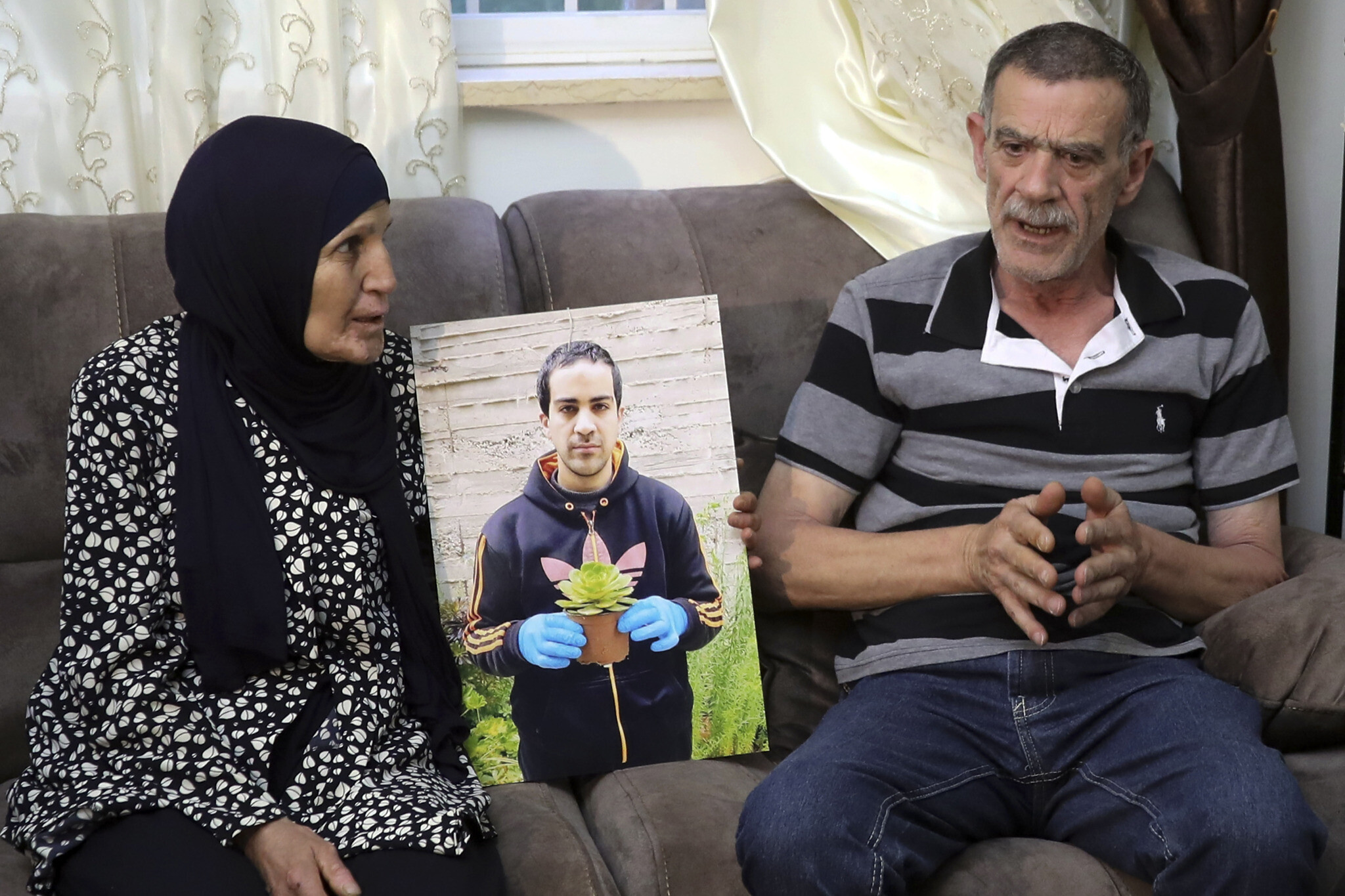
Iyad Halak, a 32-year-old Palestinian on the autism spectrum, was fatally shot in May 2020 by a Border Police officer after he was allegedly mistaken for an armed terrorist while on his way to a special education school.
Halak’s parents, Khairi and Rana, have asked the court to compel the State Attorney to appeal the officer’s exoneration. The petition faces slim odds, as the High Court rarely interferes with State Attorney decisions, especially when asked to appeal a judicial ruling.
The Halak family filed the petition a few months ago — before Hamas’s October 7 attack, which launched the ongoing war in Gaza — against the Department of Internal Police Investigations (DIPI) and State Attorney’s Office, who declined to appeal the decision of the Jerusalem District Court last summer to clear the officer of any wrongdoing.
“Today we were in front of the court, and we explained to the court how much their decision not to appeal on this verdict is wrong. It’s legally wrong and a wrong to the rights of the family of the victim, Iyad Halak,” said Khaled Zabarqa, one of the lawyers representing the family, in a statement following the hearing.
The policeman, whose name is barred from publication, was charged with reckless manslaughter after killing Halak in the Old City as he was on his way to a special education school. He claimed to have mistaken Halak for an armed terrorist, and the phone in his hand for a gun.
After Halak, confused and frightened by the officer’s order not to move, tried to run away from him, two police officers chased him through the Old City’s Muslim Quarter, shooting him in the leg, and then cornered him in a garbage room inside Lion’s Gate.
Halak’s caregiver, who was escorting him to school at the time and was witness to the event, told Channel 13 in 2020 that despite her shouting to the police officers in Hebrew and Arabic that her 32-year-old ward was disabled, the accused officer shot Halak three times in the chest while he lay wounded on the ground.
When the case was brought to the Jerusalem District Court, the judge on the trial, Chana Miriam Lomp, acquitted the officer on the assumption that he made an “honest mistake” and accepted his claim that he acted in what he believed to be self-defense in a tense situation.
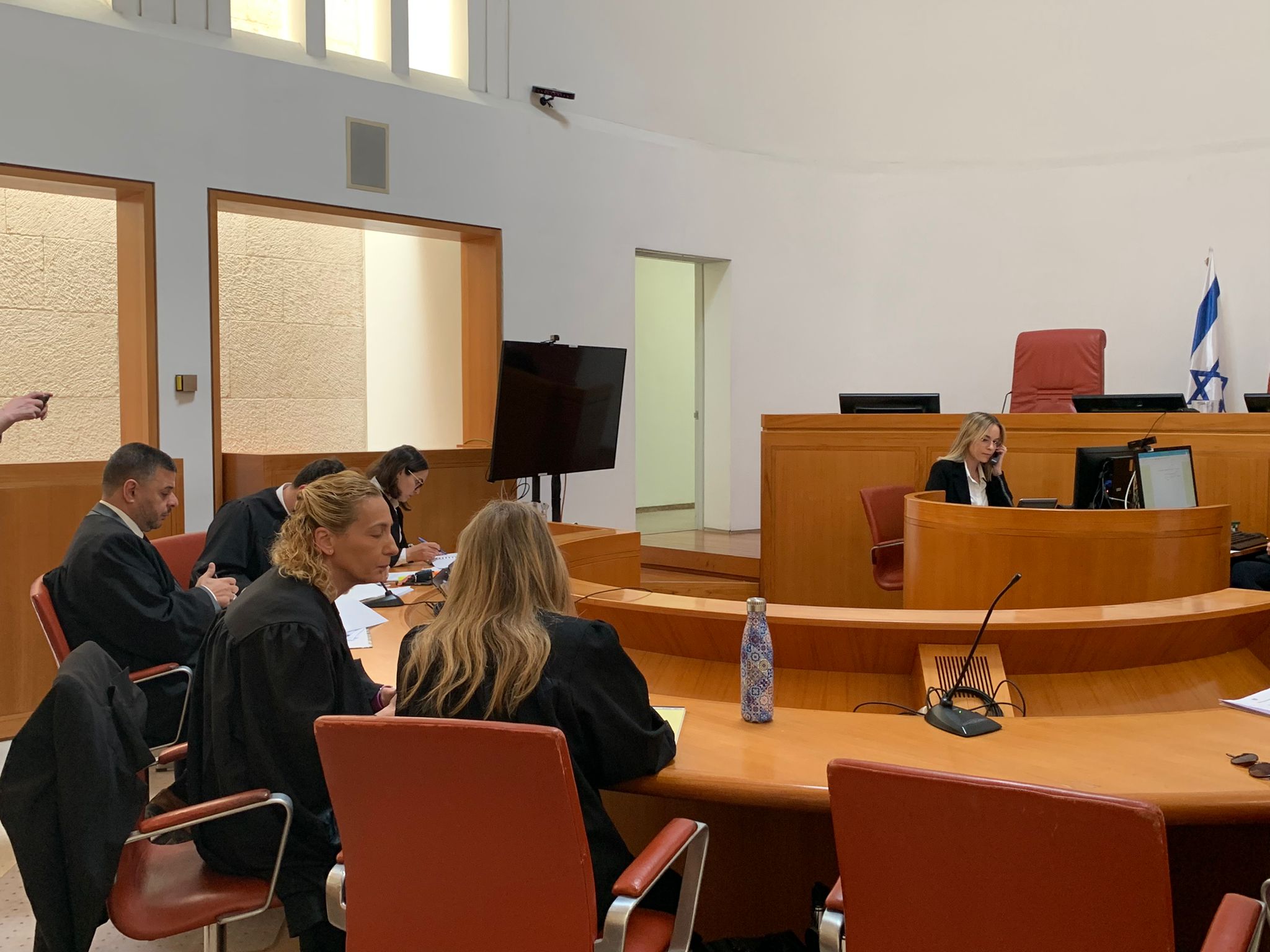
High Court Justices David Mintz, Khaled Kabub and Ruth Ronen presided over the hearing on Thursday, as the Halak family’s attorneys argued that they must overturn the original decision.
“On the stand here is the value of human life,” said Nareman Shehadeh-Zoabi, an attorney representing the family with Arab civil rights organization Adalah, before the justices on Thursday. “The life of a young man was taken, and it is feasible that there will be more cases [like this] in the future, in which the excuse is a sense of danger and self-defense.”
The petitioners invoked the more recent killing of Yuval Castleman by an IDF reservist earlier this year, warning that the unnamed officer’s acquittal in Halak’s death sets a precedent promoting “dangerous standards related to police officers’ criminal liability.”
Although not a police officer, the IDF reservist Aviad Frija, who shot Castleman amid the chaos of a deadly terror attack at the entrance to Jerusalem, also claimed that he believed Castleman to be a terrorist.
Footage from the scene, however, shows that Frija shot Castleman after the latter had placed his weapon on the ground and was holding his hands in the air, shouting “don’t shoot.”
“The decision of the district court… drastically expands the scope of caveats for criminal liability in penal law,” read the family’s petition.

Representatives of the DIPI and State Attorney’s Office opened their argument with condolences to the Halak family, but argued that overturning the officer’s acquittal would “shrink the margin of error given to security forces.”
“We demand a lot from [security forces], we demand that they endanger their lives,” argued a representative for the State Attorney’s Office, repeatedly emphasizing that the accused police officer was just 19 years old at the time, and acting in a “stressful situation that demanded quick decisions.”
Halak’s mother, Rana, exited the courtroom during the respondents’ arguments.
Attorney Zabarqa contended that law is a social contract that must be upheld, especially in the “complex security reality” of Jerusalem.
The justices took issue with the petitioning attorneys’ claim that the officer’s acquittal sets a precedent, noting that district court decisions have limited influence on other criminal cases.
Ronen also told Shehadeh-Zoabi that she did not agree with the characterization of the State Attorney’s decision not to appeal as “extremely unreasonable.”
Near the end of the hearing, Halak’s father, Khairi Halak, urged the justices to force the State Attorney’s office to revisit the officer’s acquittal.
“This policeman just wanted to shoot him. The caregiver told him to stop, [tried to explain that] he’s autistic and he didn’t listen,” he said, facing the three justices in court. “I’m only asking for justice for us and his mother, who is outside.”





The Times of Israel Community.