

Hundreds of farmers protest ‘destructive’ dairy reform plan at junctions nationwide
Demonstrators chant, ‘Zionism and security can’t be imported,’ as agriculture minister says he’ll thwart Smotrich proposal to deregulate industry that’s likely to cost local farms
 Add ToI as a Preferred Source on Google
Hundreds of farmers across the country demonstrated on Monday to protest against the government’s planned reforms of the agricultural dairy industry that they charge will destroy local businesses.
Farmers and dairy farmers gathered at major intersections, lining up tractor convoys to block roads in protest of the government-led reform.
Protesters hoisted flags, spilled milk on the ground, and chanted slogans including “We’re fighting for the future of agriculture,” and “Zionism and security can’t be imported.”
More than a thousand people participated in the protests, according to Channel 12, which estimated attendance across some dozen demonstrations.
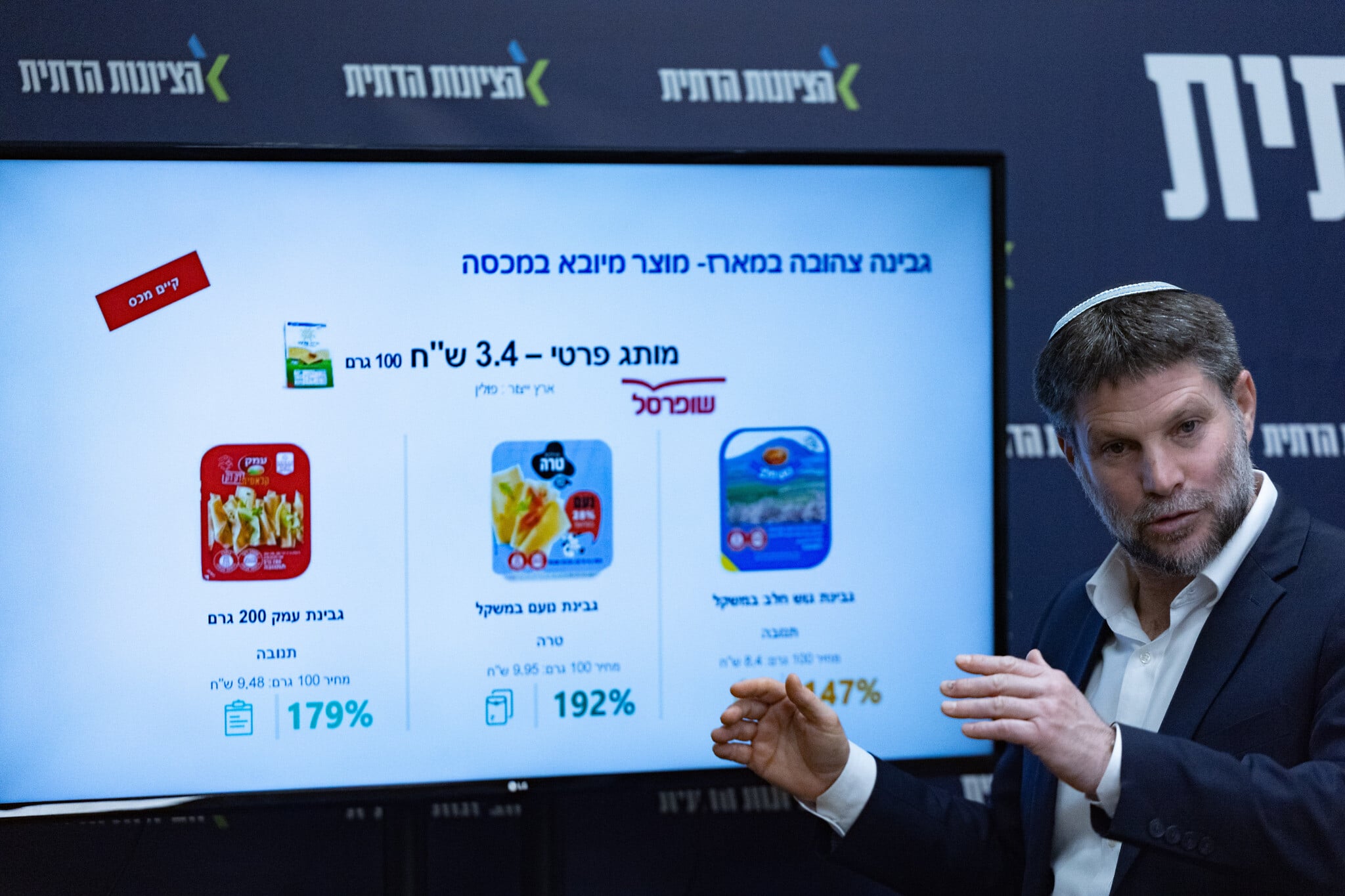
The Finance Ministry, led by Smotrich, plans to scrap the regulated, centralized quota system and open the dairy market to competition.
Dairy prices have long been a flashpoint in Israel, with spikes often touching off public anger and even mass protests over the high cost of living — an issue that has consistently ranked among voters’ top concerns in recent elections.
שופכים חלב על הכביש: אלפי חקלאים מפגינים בשורת צמתים ברחבי הארץ | @uriya_keshet @tal_sabag3 https://t.co/02xhDvwJuR pic.twitter.com/POvofdyw3L
— i24NEWS (@i24NEWS_HE) January 5, 2026
Dairy associations have warned that the reform will severely damage the dairy industry and lead to the closure of about 400 dairy farms in kibbutzim and peripheral areas across the country.
Local dairy industry advocates have claimed that the reform will have serious implications for food security and consumers in Israel.
Amid recurring nationwide shortages of price-controlled milk, Finance Minister Bezalel Smotrich has spearheaded a new reform, vowing to end a problem that he has argued stems from an overregulated, overly concentrated dairy market.
Israeli Farmers Federation Chairman Amit Yifrach, who also serves as secretary general of the Moshav Movement, said at one protest, according to Ynet: “The farmers and dairy farmers are the Iron Dome of food security for the State of Israel.”
“We will not allow the Finance Minister to eliminate a blue-and-white product that’s existed for 100 years,” he said. “We won’t allow the finance minister to trample and destroy some 400 moshav dairy farms, for the sake of a reform that won’t bring down costs as necessary, but will create a dangerous dependence on imports.”
Israel Cattle Breeders Association (ICBA) director Dagan Yarel told the news site: “I call on the prime minister to get involved, and to remove this destructive plan from the Arrangements Law, and thus allow us to talk about the substantive changes that are necessary.”

Speaking at a protest at the Beit HaEmek junction in the Galilee, Mateh Asher Regional Council head Moshe Davidovich declared, “On the front line, agriculture isn’t just an economic sector, it’s an anchor of presence and security.”
“After two years of war — including a year and a half of heavy fighting in the north — our farmers have continued to work under fire, to protect the ground and provide food to the state, even when no one had their back, or gave them any anchor,” he continued, according to quotes by Channel 12.
“Precisely now, the government decides to advance a terrible process in the dairy sector, a process which endangers local agriculture and directly harms the communities on the border. This is a decision that’s detached from the reality on the ground, and we cannot accept it,” Davidovich said.
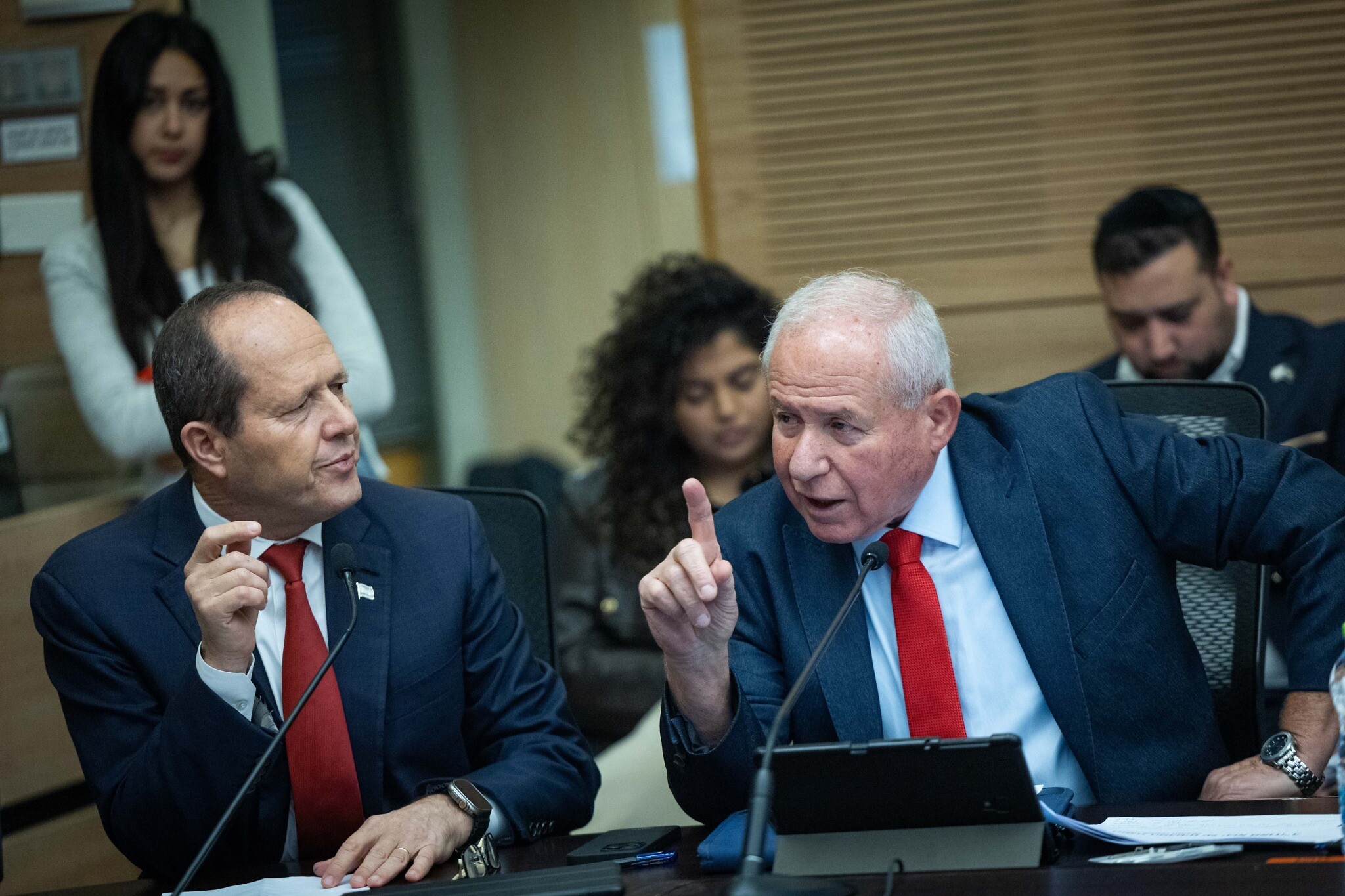
Agriculture Minister Avi Dichter, a member of Prime Minister Benjamin Netanyahu’s Likud party, opposes the Finance Ministry plan. On Monday, at a meeting of the Knesset’s finance committee, he said the reform “won’t pass. It will be removed from the Arrangements Law, at my request.”
“At the Agriculture Ministry, we’ve made an efficiency plan that will upgrade the dairy market, not destroy it,” he said.
Dichter connected the issue to an agriculture trade agreement that Israel inked with the US in December, which will grant tariff exemptions on about 300 US food and agricultural items, including beef, poultry, dairy products, fresh and frozen vegetables, oils, and fruits.
“The signing of the trade agreement with the US must not come at the cost of our agriculture. We must come and support those products that will be hurt as a result of that agreement,” he said.









The Times of Israel Community.