

IAEA said prepping to remove Syria nuclear material left over from Assad era
Israel reportedly told US it could bomb the site unless material — including yellowcake suitable for a dirty bomb — was safely removed, prompting nuclear watchdog’s deal with Damascus
 Add ToI as a Preferred Source on Google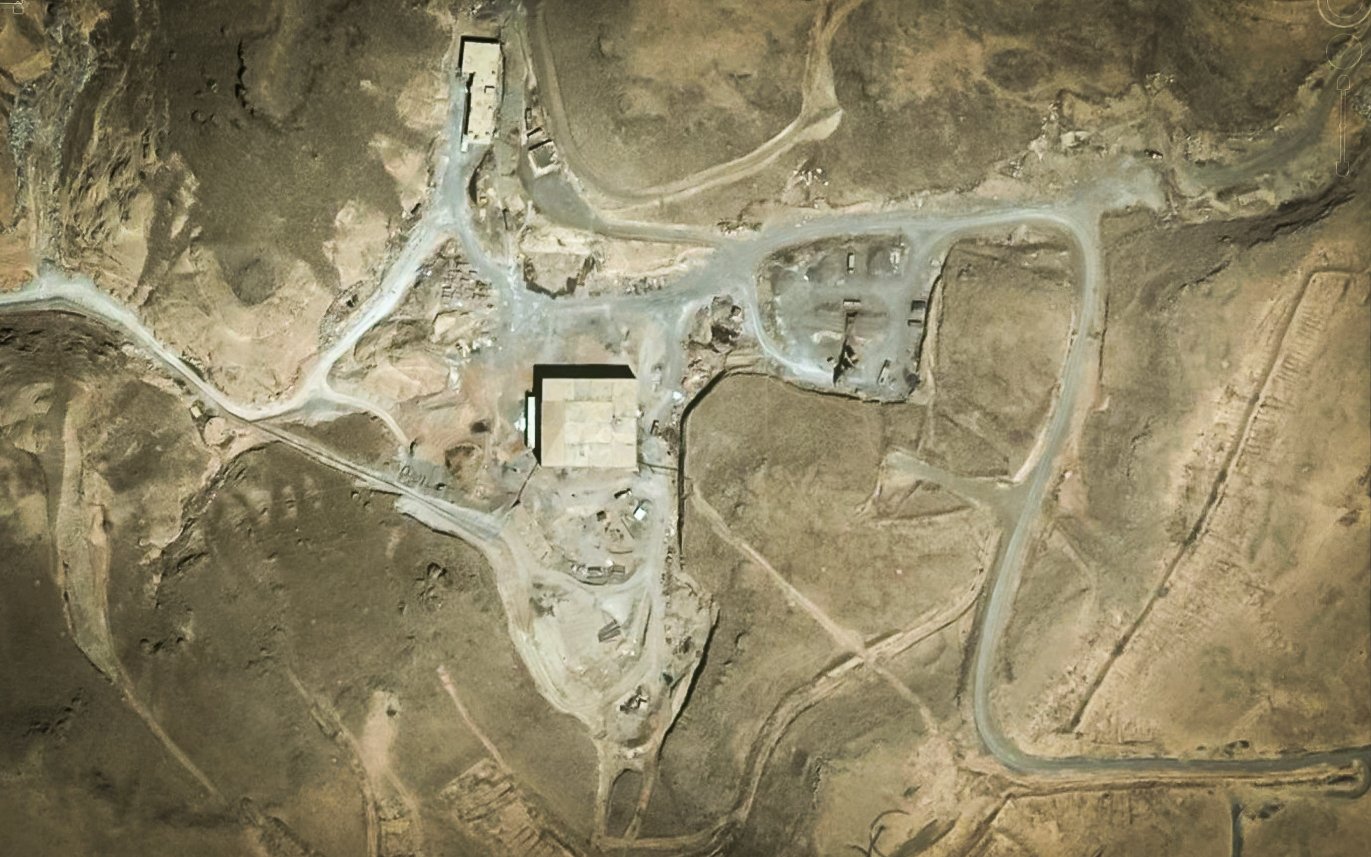
The International Atomic Energy Agency will soon remove nuclear material from clandestine facilities in Syria, after the White House reached understandings with Damascus and Israel, Axios reported on Tuesday.
The report, which cited Israeli and US officials, said a “dramatic, behind-the-scenes exchange of threats and diplomacy” erupted months ago concerning the secret site, and was only resolved several weeks ago with an agreement to remove the material, possibly by the end of this year.
In 2007, Israel bombed the al-Kibar reactor in Deir Ezzor, Syria, where then-president Bashar al-Assad was — according to Israeli, US, and IAEA assessments — building a secret nuclear weapons program.
The attack, which Israel refused to comment on until 2018, is believed to have ended the regime’s efforts to build a nuclear weapon. However, some research-and-development and storage sites remained intact, according to Axios.
Two Israeli officials told the outlet that a facility referred to as “Site 99” was used by the Assad regime to store nuclear material that remained in its possession after the al-Kibar reactor was destroyed.
The material included yellowcake, a uranium ore powder that can be used for a “dirty bomb” — a conventional bomb that also disperses radioactive material — or further enriched for a proper nuclear weapon.

At the end of 2024, when the Assad regime fell to the Islamist-led rebels who now head the Syrian government, Israel bombed the entrance to the al-Kibar site.
For more than a year afterward, Israel and the US discussed Site 99, with senior officials from the White House and Prime Minister’s Office liaising about the issue, Axios said.
In June 2025, IAEA chairman Rafael Grossi said Syria had agreed to give inspectors access to suspected former nuclear sites.
Israel threatened to strike the facility if the nuclear material was not taken out, or if the new government tried to reach it, Axios reported, though this threat was never close to being put into action, according to a US official.
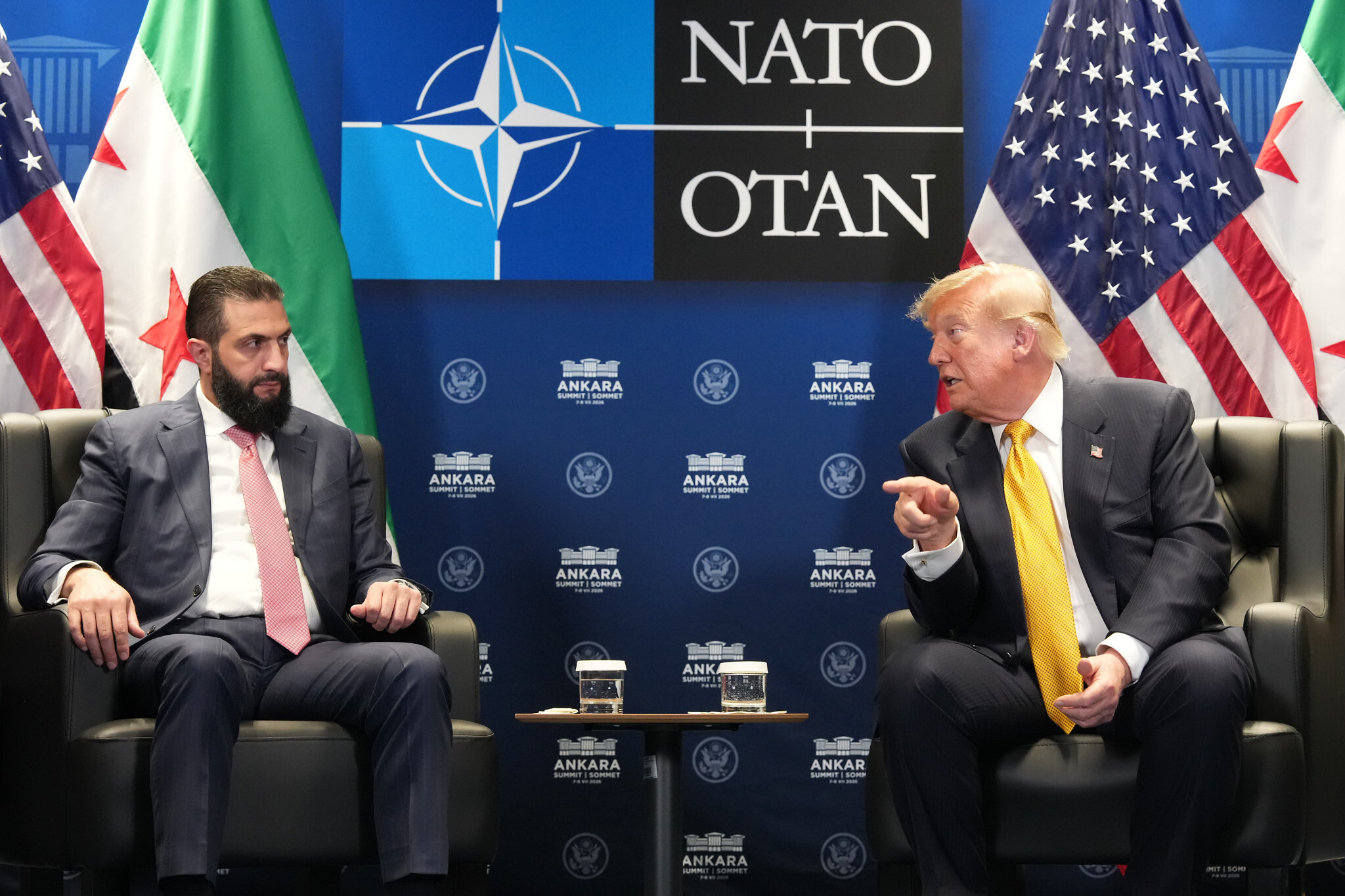
According to the report, Israel and the US opted to work with the new Syrian government on the issue.
Several weeks ago, Israel detected activity at the site that led it to suspect the Syrian government was trying to access the material.
Israeli officials worried that Turkey — a close ally of the new Syrian government — was helping Damascus to do so.
According to Axios, the Trump administration then brought in the IAEA, which reached an agreement with the Syrian government tha was signed three weeks ago.
A US official told Axios that Washington hopes to “kick off the removal process soon and end it before the end of the year.”
The White House, IAEA, and PMO declined to comment on the report.
Reuters contributed to this report.






The Times of Israel Community.