

IDF strikes elite Hezbollah unit’s training site in northeastern Lebanon
Radwan Force has been tasked with invading Israel in operation similar to Oct. 7 attacks; strikes come as US-imposed New Year’s deadline for Hezbollah’s disarmament looms
 Add ToI as a Preferred Source on Google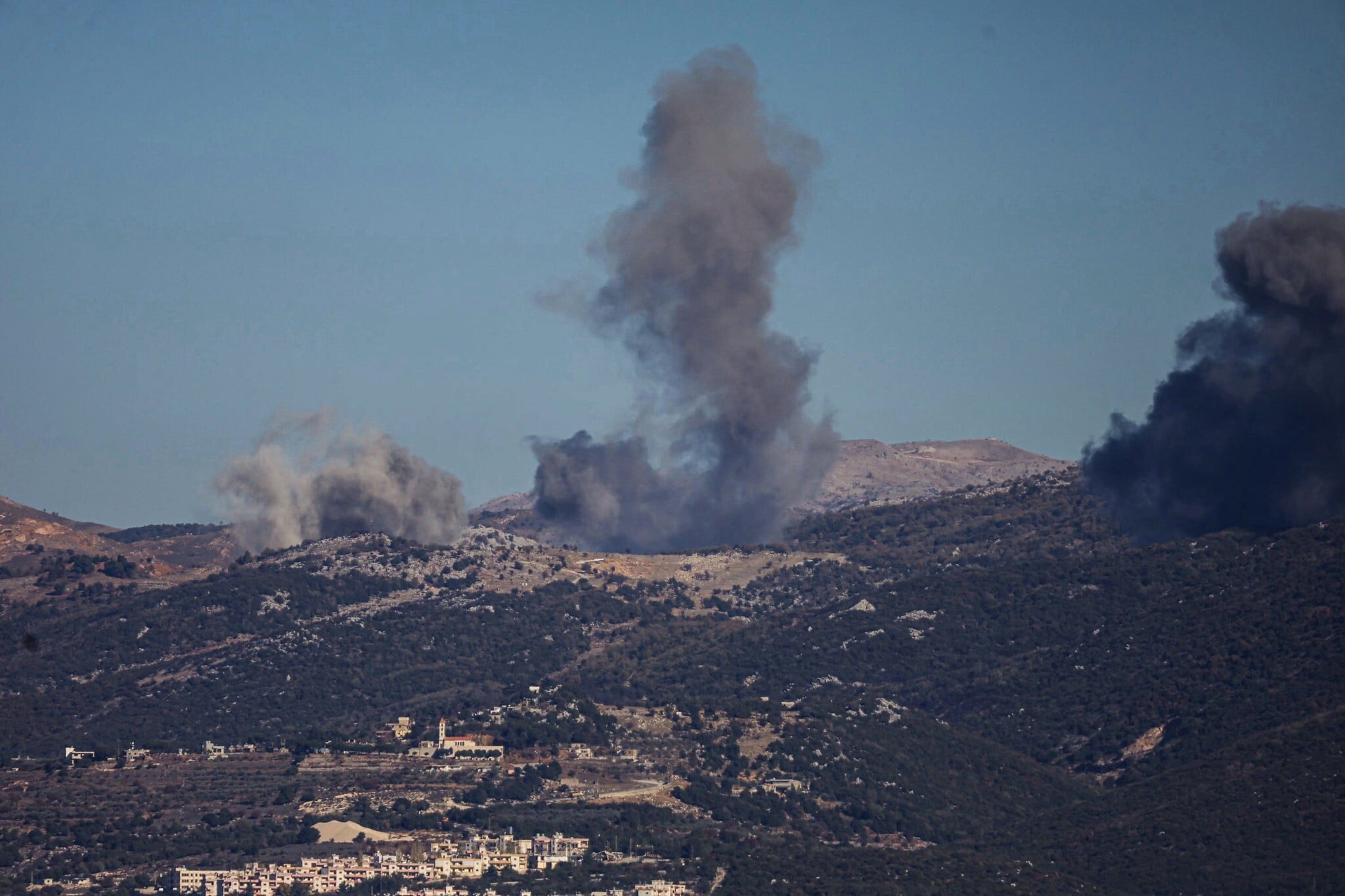
The Israel Defense Forces carried out airstrikes Friday morning on Hezbollah targets in “several areas of Lebanon,” including a training compound used by the terror group’s elite Radwan Force, the military said.
According to the IDF, the compound struck on Friday was used for training operatives, conducting live-fire drills and planning attacks against IDF troops and Israeli civilians.
Hezbollah’s Radwan Force is tasked with preparations to invade Israel from the north, in an operation along the lines of Hamas’s October 7, 2023, invasion from Gaza.
The IDF said it also struck several Hezbollah weapons depots, additional terror infrastructure and military buildings used to “advance terror plots against IDF forces and the State of Israel.”
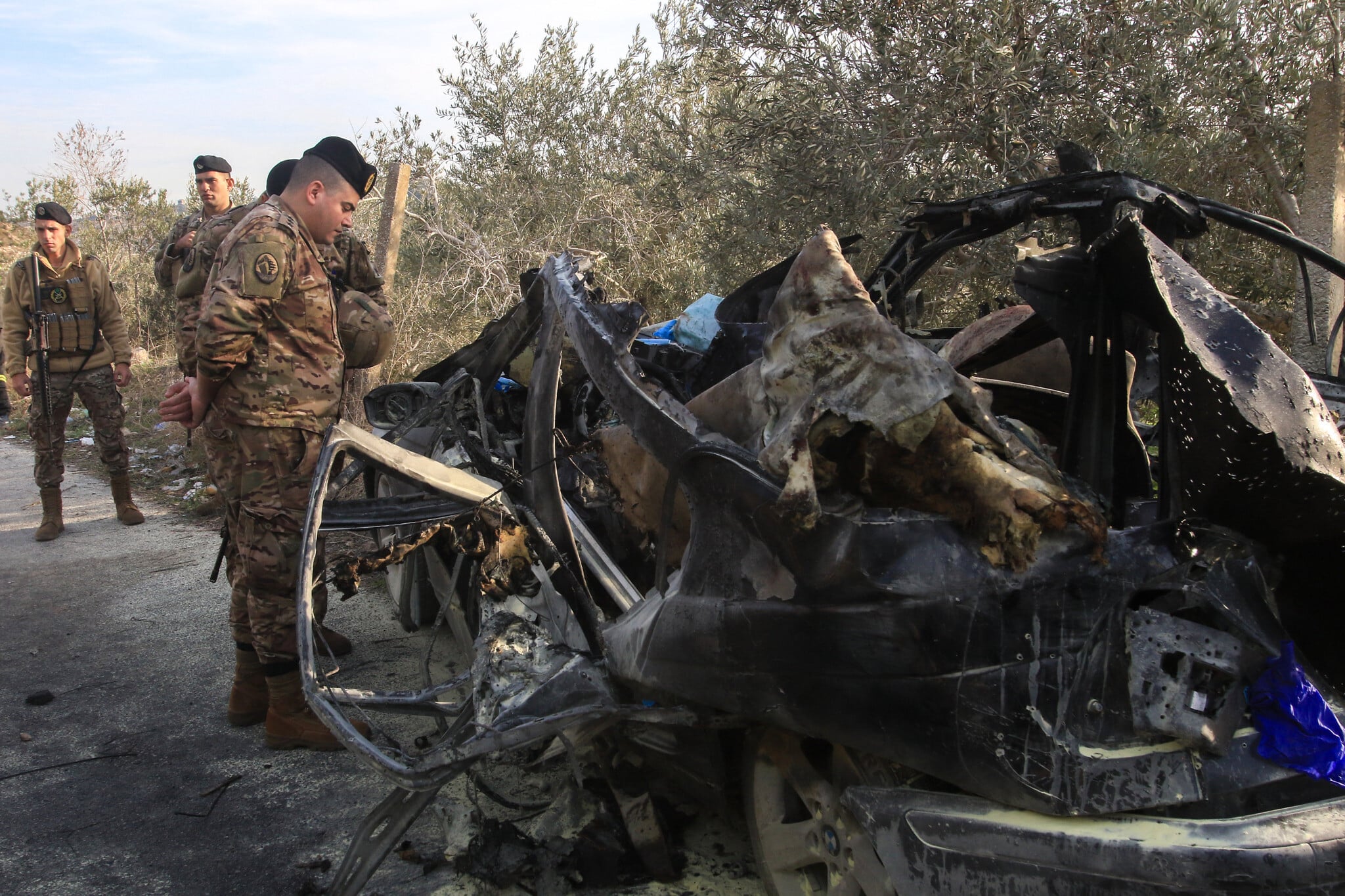
Lebanon’s National News Agency (NNA) reported a “series of airstrikes” by Israeli aircraft on mountainous areas in Nabatiyeh and Jezzine districts in the south, and the Hermel district in the country’s northeast. It was unclear if there were any casualties.
The IDF said the targets and Hezbollah’s ongoing training activity constitute a violation of the understandings between Israel and Lebanon and pose a threat to Israel, adding that it will continue operating to remove any such threats.
The strikes came days before a New Year’s deadline imposed by the US for Hezbollah’s disarmament. Israel has threatened to resume the recent war, halted by a November 2024 ceasefire, if the process is not completed in time.
Under heavy US pressure and fears of expanded Israeli strikes, Lebanon has itself committed to disarming Hezbollah. It has planned to complete the disarmament south of the Litani River — about 30 kilometers (19 miles) from the border with Israel — by year’s end.
It is not entirely clear, however, whether the New Year’s deadline refers to disarmament only in that area, or throughout all of Lebanon. The latter will almost certainly not be achieved, and there are doubts about the former as well.
The Israeli Air Force has launched a wave of airstrikes against Hezbollah military infrastructure in Lebanon within the last hour, with most strikes targeting sites in the Baalbek-Hermel Governorate of Northeastern Lebanon. pic.twitter.com/wouGQ4CVkm
— OSINTdefender (@sentdefender) December 26, 2025
The US-brokered 2024 ceasefire with Hezbollah came after a year of war, including a two-month IDF ground operation in Lebanon’s south in a bid to enable the safe return of some 60,000 residents of northern Israel displaced by the terror group’s near-daily attacks.
The rocket attacks began on October 8, 2023 — a day after fellow Iran-backed terror group Hamas invaded southern Israel, sparking the war in Gaza.
The ceasefire required both Israel and Hezbollah to vacate southern Lebanon, to be replaced by the Lebanese Armed Forces. Israel has withdrawn from all but five strategic posts along the border.
Since the ceasefire, the IDF said it has killed over 380 Hezbollah operatives and members of allied terror groups in strikes, hit hundreds of Hezbollah sites, and conducted over 1,200 raids and other small operations in southern Lebanon. It says the terms of the truce allow it to act against threats and Hezbollah rearmament efforts.





The Times of Israel Community.