

Lebanese PM says country close to completing Hezbollah disarmament south of Litani River
Nawaf Salam claims first phase of ceasefire-mandated plan is nearly done, with next stage planned north of river, amid Israeli skepticism
 Add ToI as a Preferred Source on Google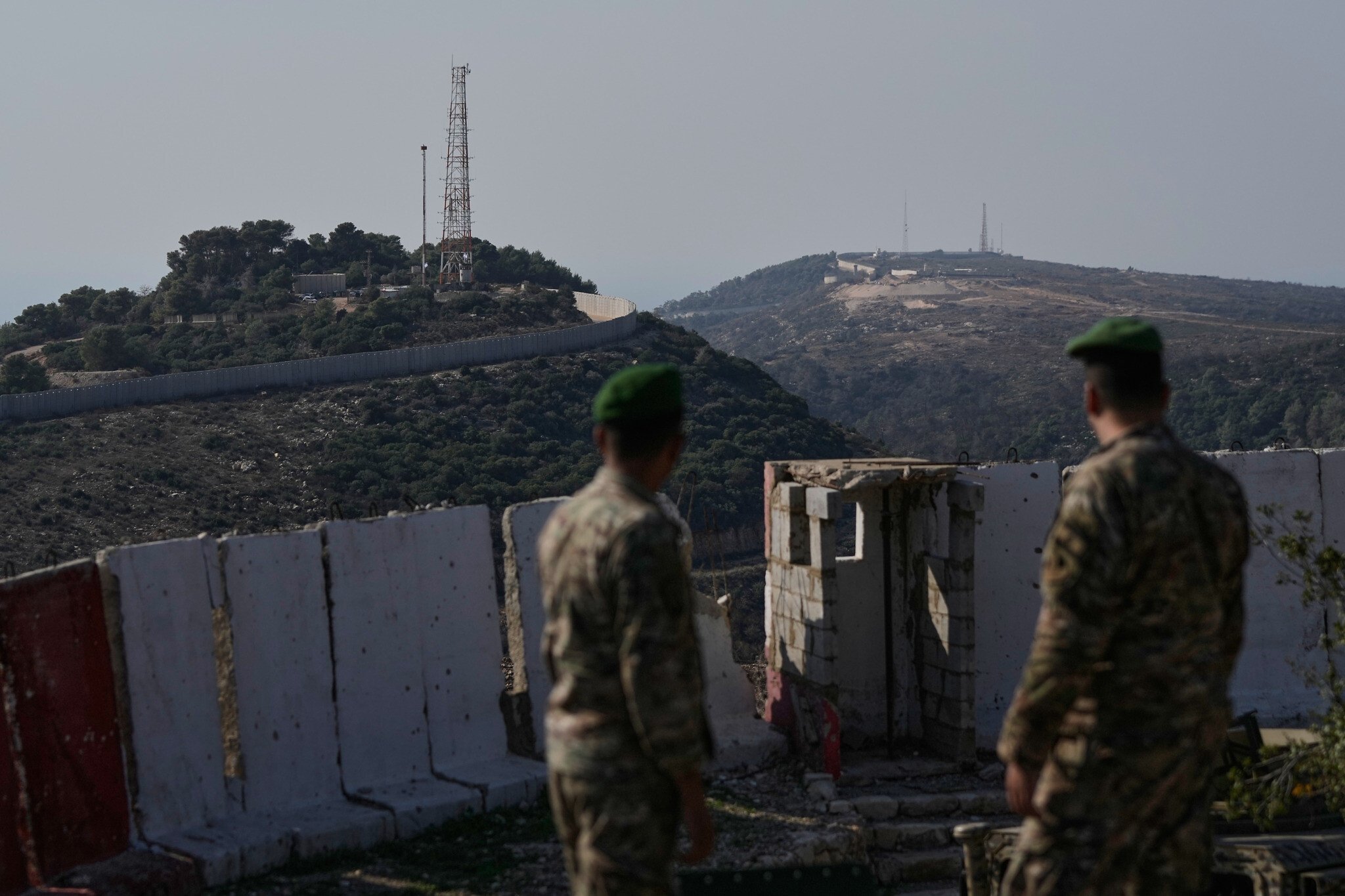
Lebanon is close to completing the disarmament of Hezbollah south of the Litani River, Prime Minister Nawaf Salam said on Saturday, as the country races to fulfill a key demand of its ceasefire with Israel before a year-end deadline.
The US-backed ceasefire, agreed to in November 2024, ended more than a year of fighting between Israel and Hezbollah and required the disarmament of the Iran-aligned terror group, starting in areas south of the river adjacent to Israel.
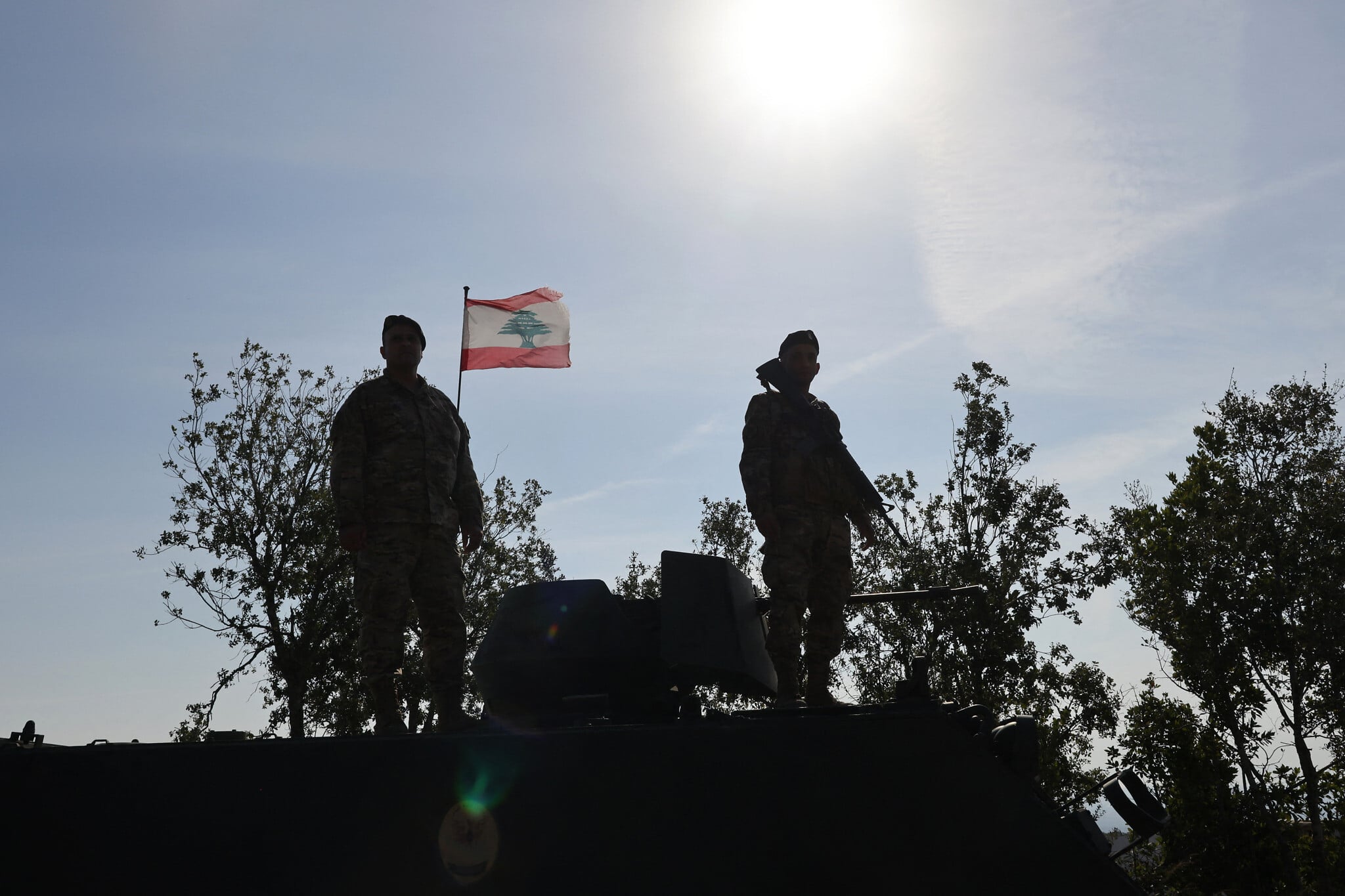
Lebanese authorities, led by Salam and President Joseph Aoun, tasked the US-backed Lebanese army on August 5 with devising a plan to establish a state monopoly on arms by the end of the year.
“Prime Minister Salam affirmed that the first phase of the weapons consolidation plan related to the area south of the Litani River is only days away from completion,” a statement from his office said.
“The state is ready to move on to the second phase — namely [confiscating weapons] north of the Litani River — based on the plan prepared by the Lebanese army pursuant to a mandate from the government,” Salam added.
The statement came after Salam held talks with Simon Karam, Lebanon’s top civilian negotiator on a committee overseeing the Hezbollah-Israel truce.

However, Israel has questioned the effectiveness of the Lebanese military, and Hezbollah itself has repeatedly rejected calls to surrender its arms.
Amid those concerns, the head of Lebanon’s army agreed earlier this week to document progress in disarming Hezbollah during talks Thursday with international envoys in Paris, the French foreign ministry said, as Beirut seeks to avert expanded Israeli strikes.
Since the ceasefire, the sides have regularly accused each other of violations, with Israel questioning the Lebanese army’s efforts to disarm Hezbollah. Israeli warplanes have increasingly targeted Hezbollah in southern Lebanon and even in the capital, saying it is striking operatives violating the truce.
Hezbollah, a Shiite Muslim terror group, has tried to resist the pressure — from its mainly Christian and Sunni Muslim opponents in Lebanon as well as from the US and Saudi Arabia — to disarm, saying it would be a mistake while Israel continues its airstrikes on the country.
Israel has publicly urged Lebanese authorities to fulfill the conditions of the truce, saying it will act “as necessary” if Lebanon fails to take steps against Hezbollah.
The US-brokered ceasefire with Hezbollah came after two months of open conflict in Lebanon late last year, including an IDF ground operation in the country’s south, in a bid to enable the safe return of some 60,000 residents of northern Israel displaced by the terror group’s near-daily attacks. The rocket attacks began on October 8, 2023 — a day after fellow Iran-backed terror group Hamas invaded southern Israel, sparking the war in Gaza.
The ceasefire required both Israel and Hezbollah to vacate southern Lebanon, to be replaced by the Lebanese armed forces. Israel has withdrawn from all but five strategic posts along the border.
Since the ceasefire, the IDF said it has killed over 380 Hezbollah operatives and members of allied terror groups in strikes, hit hundreds of Hezbollah sites, and conducted over 1,200 raids and other small operations in southern Lebanon.






The Times of Israel Community.