

Eurovision host won’t ban Palestinian flags; won’t drown out boos as Israel performs
Austrian broadcaster ORF says it won’t ‘sugarcoat anything or avoid showing what is happening’; Palestinian flags to be permitted in audience, if they comply with general rules
 Add ToI as a Preferred Source on Google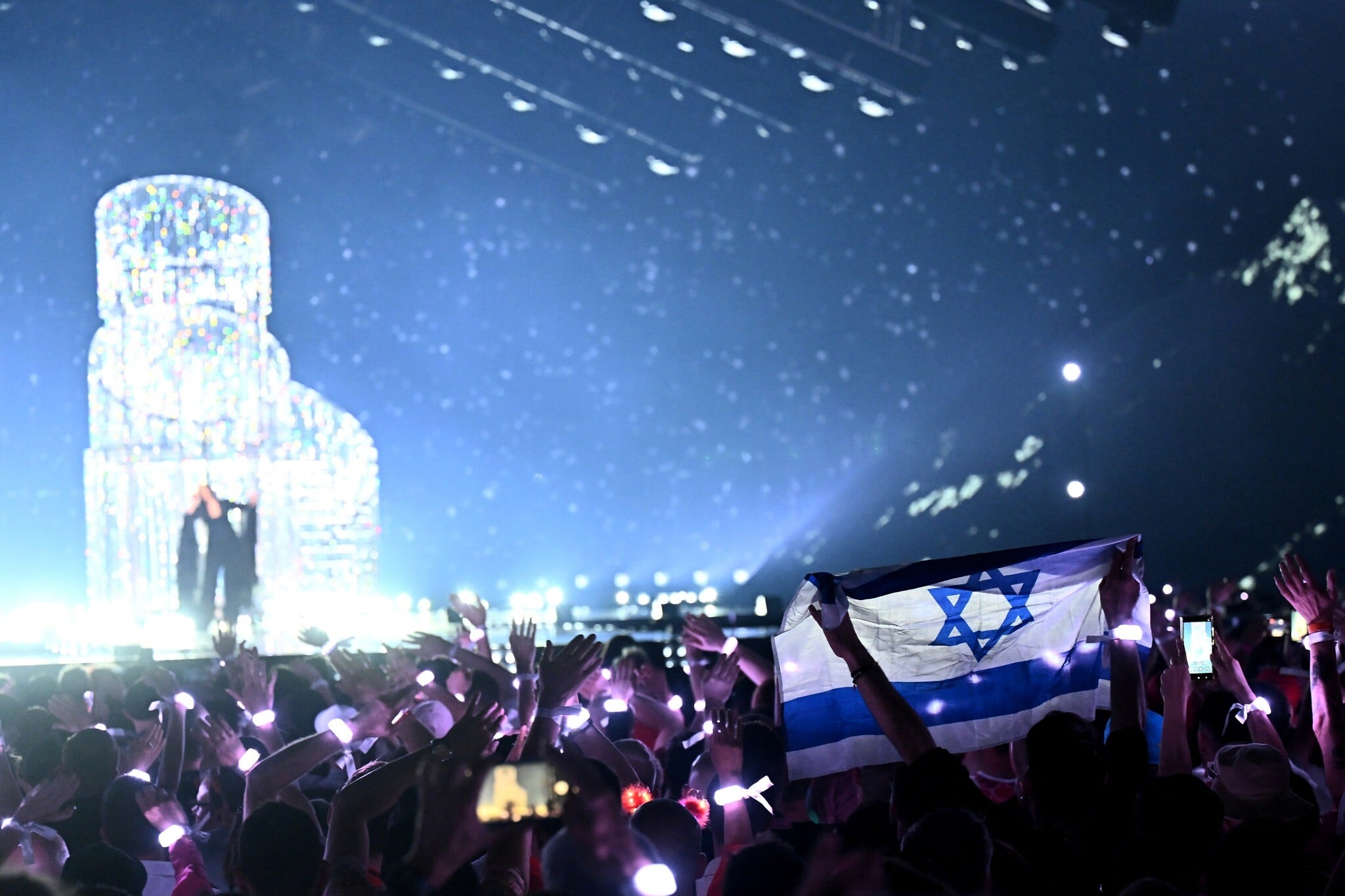
VIENNA — The Austrian broadcaster hosting the next Eurovision Song Contest will not ban the Palestinian flag from the audience or drown out booing during Israel’s performance, in a shift from the policy at previous shows, organizers said on Tuesday.
The 70th edition of the contest in May will have just 35 entries, the smallest number of participants since the contest was expanded in 2004, after five national broadcasters — those of Spain, Slovenia, the Netherlands, Iceland and Ireland — said they would boycott the show in protest of Israel’s participation.
What is usually a celebration of national diversity, pop music and high camp has become embroiled in diplomatic strife. Those boycotting say it would be unconscionable to take part given the number of civilians killed in Gaza amid Israel’s war with Hamas, which began with the terror group’s October 7, 2023, onslaught and was halted in a US-brokered ceasefire about two months ago. Israel has rejected those accusations, saying it has sought to minimize noncombatant casualties as it fought an enemy embedded in civilian infrastructure.
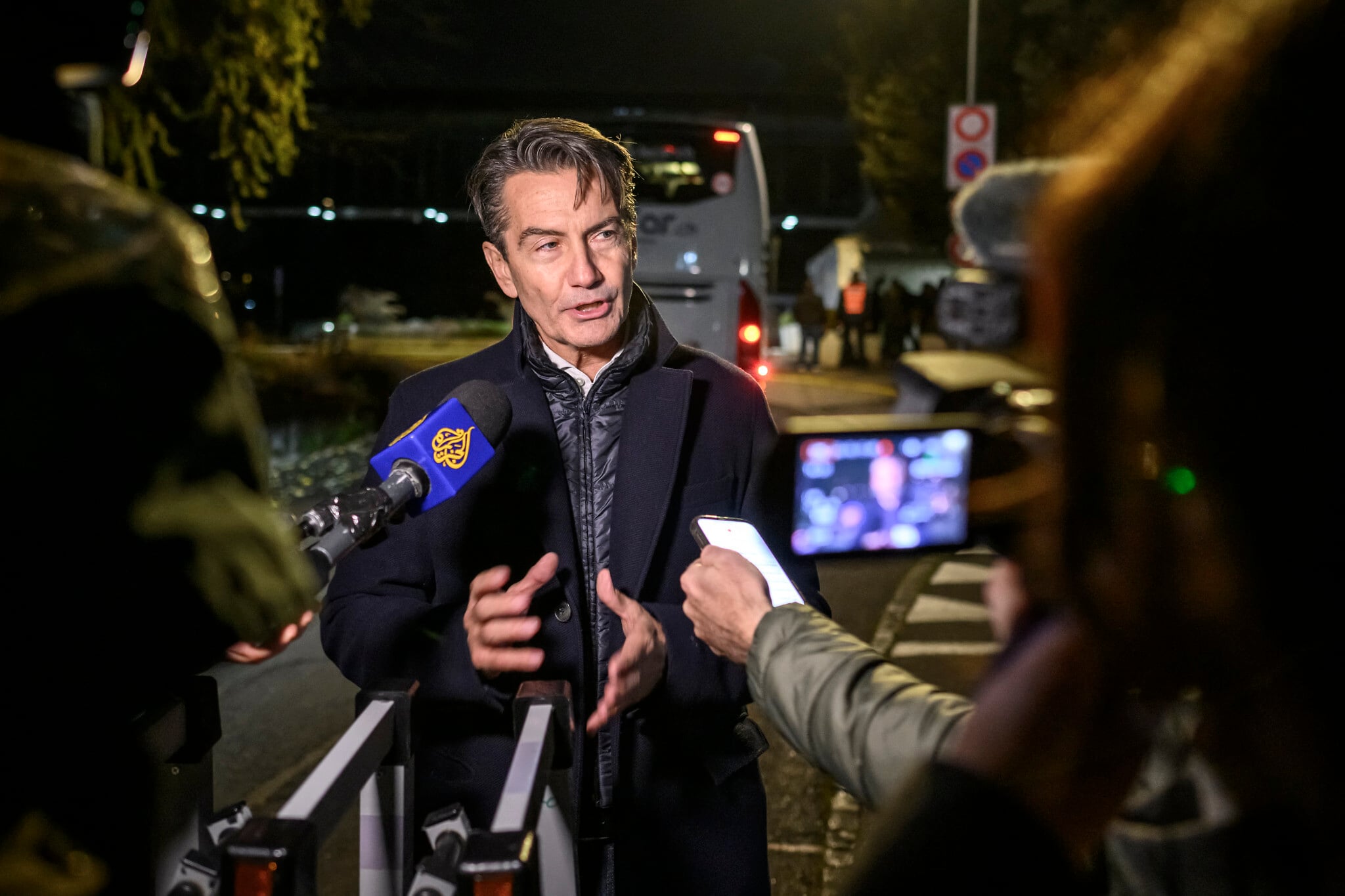
“We will allow all official flags that exist in the world, if they comply with the law and are in a certain form — size, security risks, etc.,” the show’s executive producer, Michael Kroen, told a news conference organized by the Austrian broadcaster, ORF.
Kroen added that ORF “will not sugarcoat anything or avoid showing what is happening, because our task is to show things as they are.”
The broadcaster will not drown out the sound of any booing from the crowd, as happened in 2025 during Israel’s performance, ORF’s director of programming Stefanie Groiss-Horowitz said.
“We won’t play artificial applause over it at any point,” she said.
Israel’s 2025 entrant, Yuval Raphael, survived the Nova music festival, where more than 360 people were massacred during the Hamas attack.
The CEO of Israeli broadcaster Kan has likened the efforts to exclude Israel in 2026 to a “cultural boycott.”
Anti-Israel furor heavily overshadowed the two most recent song contests, with headlines dominated by protests, threats, boos and drama. That furor drove a backlash among pro-Israel viewers, who mobilized to vote for Eden Golan in 2024 and Raphael in 2025, sending them soaring in the popular vote.
Members of the European Broadcasting Union (EBU) decided this month against kicking Israel out of the contest. During an EBU conference, its members voted overwhelmingly in favor of accepting a package of reforms aimed at assuaging some of the concerns that had been raised over Israel’s participation. The vote was seen as a de facto referendum on Israel’s inclusion, since members were told that a vote explicitly on Israel would only be held if the reforms did not receive majority support.
ORF and the Austrian government were among the biggest supporters of Israel participating in next year’s contest. ORF director general Roland Weissmann visited Israel in November to show his support.
The decision to keep Israel in the competition has sparked anger from many of the contest’s most devoted fans as well as some past participants. Last week, 2024 Eurovision winner Nemo said they were returning their trophy to the EBU in protest of the decision, and Ireland’s Charlie McGettigan, who won in 1994, said he would do the same.
This year’s show drew around 166 million viewers, according to the EBU, more than the roughly 128 million who Nielsen estimates watched the American National Football League’s Super Bowl.





The Times of Israel Community.