

In wake of October 7, young Israelis embracing Jewish traditions, new survey shows
By contrast, among secular Israelis, the largest community in the country, faith in God has decreased since the Hamas attack, the Jewish People Policy Institute poll finds
 Add ToI as a Preferred Source on Google
Rossella Tercatin is The Times of Israel's archaeology and religions reporter.
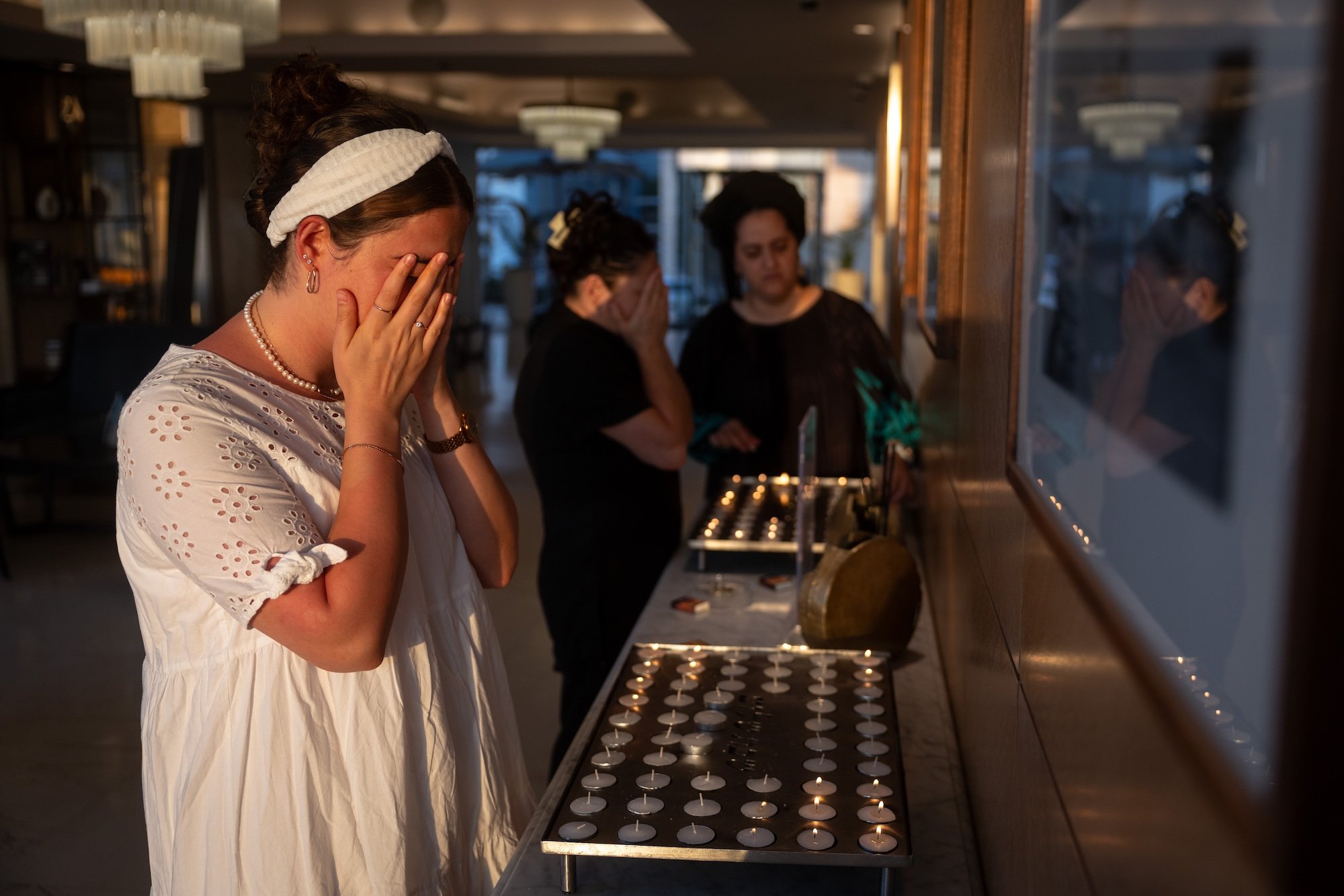
Two years since the October 7, 2023, Hamas attack on Israel and into the longest war in the country’s history, many communities and groups across society, including the young, Jews who describe themselves as traditional, and Arabs, have become closer to their faith, a new survey released by the Jewish People Policy Institute (JPPI) on Wednesday has found.
At the same time, among secular Jews, the largest community in Israel, one in five has reported that their belief in God has decreased, compared to only 6% who said it increased.
The survey, which polled over 1,200 adult Israelis, also examined changes in political affiliation and found a notable shift toward the right among the Jewish population.
“When a song about God written by a rabbi became the number one listened to in the country, we felt it must be a sign of something deeper,” JPPI’s CEO Shuki Friedman told The Times of Israel over a phone interview, referring to the song “He Always Loves Me” (“Tamid Ohev Oti” in Hebrew).
The lyrics were written by Hasidic Rabbi Shalom Arush, and the song’s cover by singer Sasson Shaulov has gotten over 43 million views since its release in September 2024, topping Israeli song charts. Asked about the song’s message, 44% of Jewish respondents said it described how they felt or how they would like to feel.
Friedman said they’d witnessed other expressions of a growing interest in religion on social media and in other venues.
“We were under the impression that many Israelis were getting closer to faith, and adopting religious practices, and so we decided to poll it,” Friedman said. “The results tell us that we were right.”
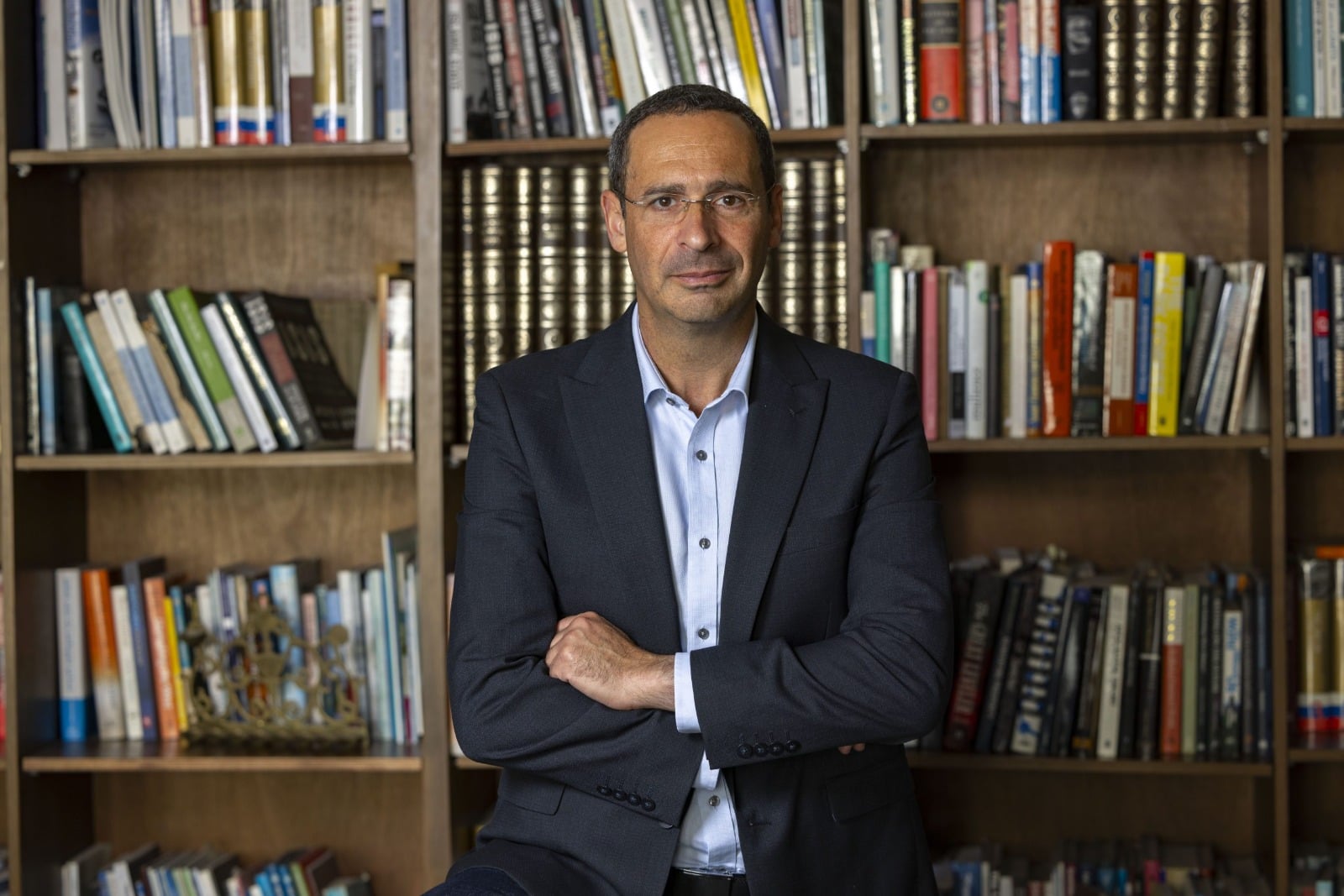
Asked whether they’ve observed more traditions, fewer, or the same since the beginning of the war, 27% of Jewish respondents said more, 8% said less, and 62% said about the same, while 3% were not sure. For Jews under the age of 25, 33% stated they observed more, 8% less, 56% stayed the same, and 3% did not know. In the Arab community, the rates stood at 23%, 8%, 56% and 14%.
In the general Jewish population, similar numbers of respondents declared that their faith in God had increased (28%), decreased (9%), or remained the same (59%). Among the young, 35% said their faith had increased, 10% decreased, and 49% stayed the same. Among Arab respondents, 37% said they believed in God more, 4% less, and 52% to the same degree as before.
Friedman’s analysis of the results was that the poll did not indicate a rise in rigid religiosity “but rather getting closer to tradition,” explaining: “I think it would be more correct to say that Jews in Israel are becoming more traditional rather than more religious.”
Secular Israelis show opposite trend
According to data released by the Central Bureau of Statistics in September, approximately 43 percent of Jewish adults in Israel describe themselves as secular. Another 22% self-describe as traditional but not very religious, 12% call themselves traditional and to some degree religious, and 23% call themselves religious, which in Israel generally means Orthodox. A little less than half of those in the religious camp identify as Haredi, or ultra-Orthodox.
Among the secular respondents, some 10% said they observed more than before, compared to 15% who said they observed less, and only 6% said their faith in God had increased, compared to 20% who said it had gone down.

“Secular people are going in the opposite direction compared to the other groups, but we have to remember that today they only represent around 40% of the society, and even less if we consider the younger generations, so their impact on Israel is smaller,” Friedman said. “In addition, if someone is already secular, it does not really change if [they] becomes even less religious.”
Asked whether he saw the survey results as a sign of growing polarization between the religious and the secular in Israeli society, Friedman was skeptical.
“I think that what we are witnessing is mainly an increased interest [in religion] among people who are traditional and maintain a mostly secular lifestyle, so the impact might not be as significant,” he said.
The results are consistent with those of previous studies released earlier this year.
JPPI also examined whether respondents had changed their religious identification after October 7 and found that the shifts were minimal, with 6% of those who had earlier called themselves completely secular becoming slightly more traditional, and 11% of those who were traditional and to some degree religious choosing to call themselves “liberal religious.”
Asked about the adoption or increased observance of a variety of religious practices, such as attending services, lighting candles and dressing modestly, praying was by far the most popular practice, with 31% of Jewish respondents and 38% of Jews under 25 stating that they have been praying more since October 7.
Politics vs. religion
The survey also asked people about their current political affiliation compared to before the war, showing a significant shift to the right.
Among Jewish respondents, the “hard right” rose from 11% to 19%, and the “right” rose from 24% to 28%, while the “moderate right” and “center-right” fell (from 18% to 14%, and from 14% to 9%, respectively). The “center” remained stable at 9%, “center-left” decreased from 9% to 7%, “moderate left” stayed at 5%, “left” went down from 4% to 3% and “hard left” was stable at 1%. Five percent did not identify as any of the above.
A significantly higher number of people shifted to their right, compared to those who turned to their left. For example, among those who identified as center-right before October 7, 59% shifted to the right, 31% stayed the same, and 10% shifted to the left. Among the center-left, the rates were 49% shifted to the right, 40% stayed the same, and 11% shifted to the left.
“We see that the political change appears to be clearer than the religious one,” Friedman said. “Political views have become more right-wing. While we did not cross the data in this report, we have a significant indication of a strong connection between religiosity and right-wing views; essentially, the more religious you are, the more likely you are to be right wing.”
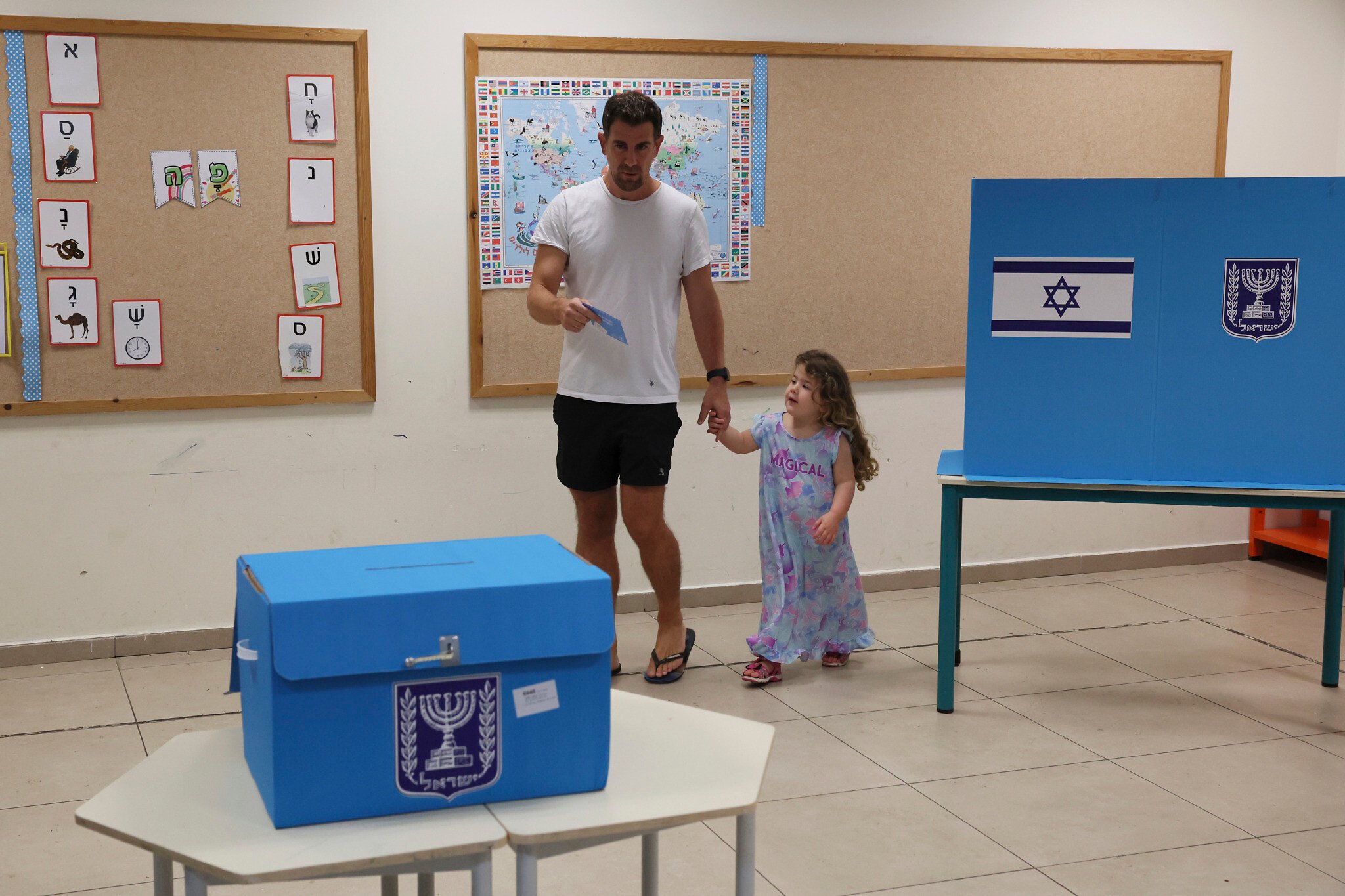
At the same time, Friedman explained that it would be wrong to use these results to predict how the next election, which is set to take place in the coming year, will go.
“It’s hard to label political parties in Israel as right-wing or left-wing in many cases,” he said. “For this reason, it’s hard to assess whether these results will have any expression in this election. The only general consideration that can be made is that the left is shrinking.”





The Times of Israel Community.