

Iran executes man accused of attacking military site on Israel’s behalf during protests
Amir-Hossein Hatami is found guilty of entering a restricted military facility in Tehran, damaging and setting fire to the facility, and attempting to seize weapons and ammunition
 Add ToI as a Preferred Source on Google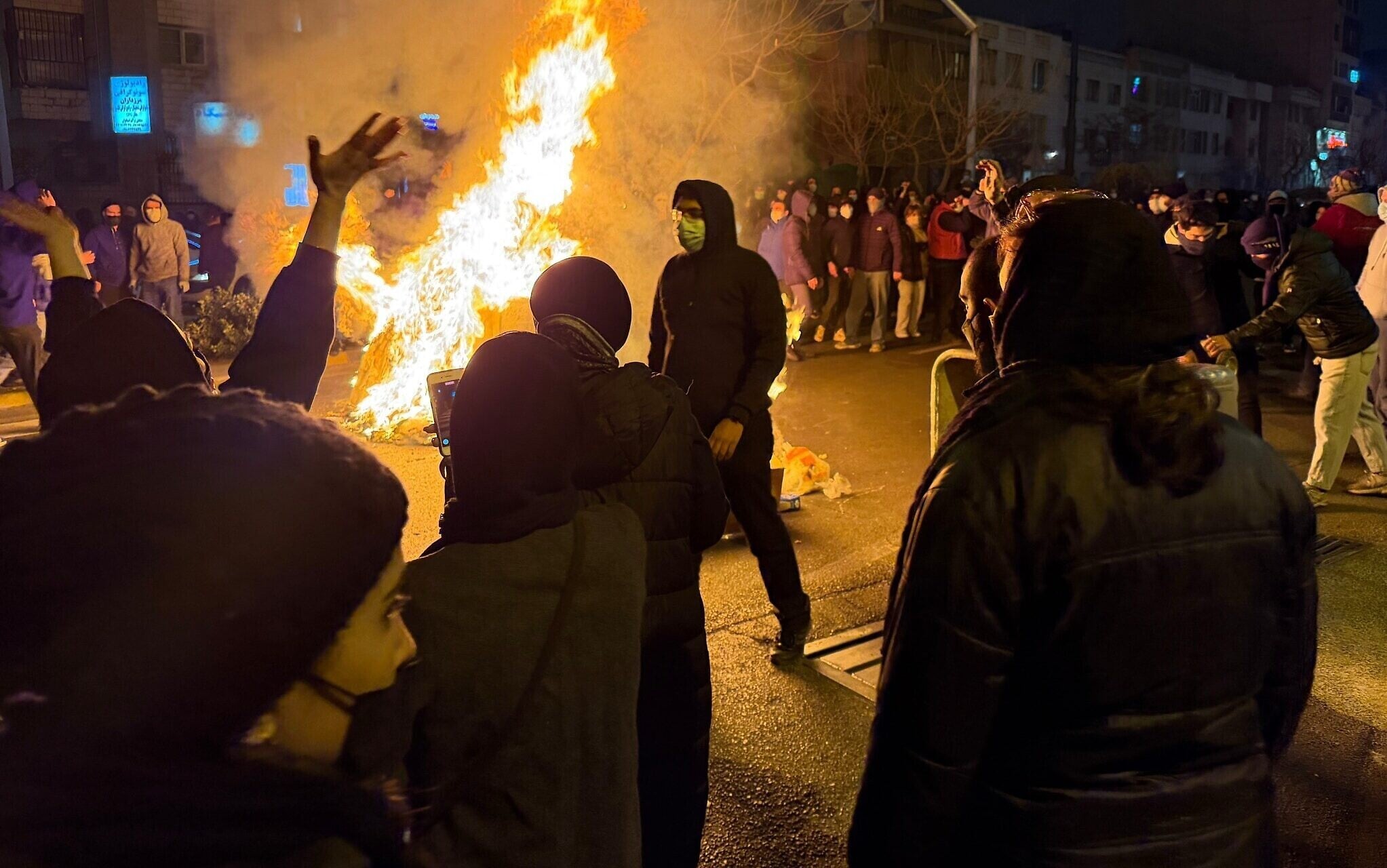
A man convicted of participating in an attack on a classified military facility on behalf of Israel and the United States during January’s protests in Iran was executed on Thursday, the judiciary’s news outlet Mizan said.
“Amir-Hossein Hatami, one of the enemy’s terrorist elements involved in the [January protests] … was hanged at dawn today,” Mizan said.
It said he acted “against national security on behalf of the Zionist regime and the United States,” and was found guilty of entering a restricted military site in Tehran, damaging and setting fire to the facility, and attempting to seize weapons and ammunition during the protests — charges he admitted during interrogation, Mizan reported.
Iran’s Supreme Court rejected his appeal and upheld his sentence. Iran frequently executes people accused of being spies without providing evidence.
Thursday’s execution was the latest related to the protests, which broke out in Iran late December against the rising cost of living before becoming nationwide anti-government demonstrations that peaked on January 8 and 9.
On February 18, Kouroush Keyvani was executed after being accused of spying for the Mossad. His was the first execution announced since the war with Israel and the United States broke out on February 28.
Amid the war, Iran has today executed an individual linked to the deadly unrest in January, Amirhossein Hatami.
He was accused of “setting fire to a military site”.
He is the ninth political prisoner to be executed since 28 February, while others remain at risk of execution. pic.twitter.com/bPHDXrZmVM
— Ghoncheh Habibiazad | غنچه (@GhonchehAzad) April 2, 2026
A day later, authorities executed three others convicted of killing police and carrying out operations on behalf of the United States and Israel during the protests.
It raised concerns among rights groups such as Hengaw that Tehran is intensifying executions against political detainees and protesters amid mounting military and international pressure.
Iranian authorities said the protests began as peaceful demonstrations before turning into “foreign-instigated riots” involving killings and vandalism.
Tehran has acknowledged that more than 3,000 people died during the unrest, including members of the security forces and innocent bystanders, and attributed the violence to “terrorist acts.”
The US-based Human Rights Activists News Agency (HRANA), however, said it had recorded more than 7,000 killings, the vast majority of them protesters, and said the toll could be far higher.
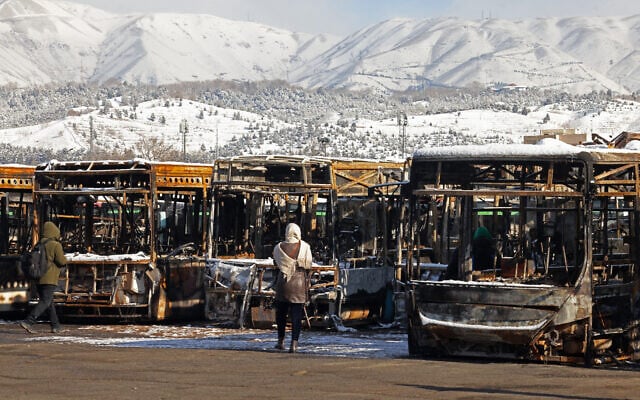
The first deputy chief of the judiciary, Hamzeh Khalili, said last month that cases linked to January protests had been finalized and sentences were being implemented.
Hatami was among 11 men referred to by rights group Amnesty International as being at imminent risk of execution and who had been “subjected to torture and other ill-treatment in detention, before being convicted in grossly unfair trials that relied on forced confessions.”






The Times of Israel Community.