

Iran executes trader dubbed ‘Sultan of Bitumen’ in anti-corruption drive
Hamidreza Bagheri Dermani, convicted of ‘corruption on earth,’ is third businessman put to death in crackdown on those accused of exploiting shortages in wake of sanctions
 Add ToI as a Preferred Source on Google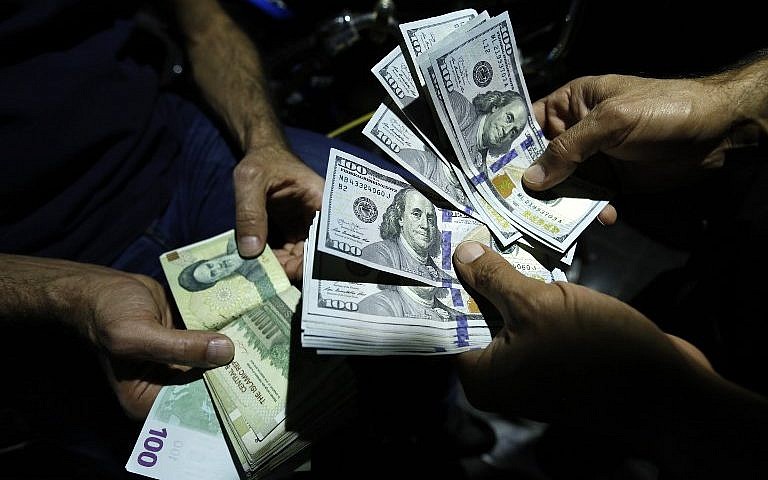
TEHRAN — Iran executed a trader known as the “Sultan of Bitumen” on Saturday over charges of fraud and large-scale smuggling of the oil product, the judiciary’s news agency Mizan online reported.
Hamidreza Bagheri Dermani is the third businessman to be executed since an anti-corruption drive was launched over the summer.
He was convicted of “corruption on earth,” Iran’s most serious capital offense, after swindling over 10 trillion rials (around $100 million at the current rate) through “fraud, forgery and bribery,” Mizan reported.
Dermani, first arrested in August 2014, reportedly forged dozens of documents of fake real estate to acquire loans from state banks.
He then used front companies to procure more than 330,000 tons (300,000 tonnes) of bitumen — an oil-based substance used in asphalt and other products and one of Iran’s most profitable businesses — Mizan said.
Dermani was also accused of ties to business magnate Babak Morteza Zanjani, who is awaiting execution after being convicted in 2016 of embezzling $2.7 billion while helping the government circumvent international sanctions.
News of Dermani’s execution was presented in dramatic fashion on state television on Saturday, with an action-movie soundtrack and full documentary about his crimes.
The authorities have been keen to show they are cracking down on “economic disruptors” accused of exploiting shortages and fluctuations in gold and currency prices.
Iran has seen a sharp economic downturn this year, fueled in part by US President Donald Trump’s decision in May to withdraw from a landmark 2015 nuclear deal and reimpose crippling unilateral sanctions.






The Times of Israel Community.