

Iran nuclear chief urges West to ‘save’ 2015 atomic deal
Ali Akbar Salehi says America’s arms deals to ‘regional powers’ like Saudi Arabia are ‘provocative,’ have a ‘destabilizing impact’
 Add ToI as a Preferred Source on Google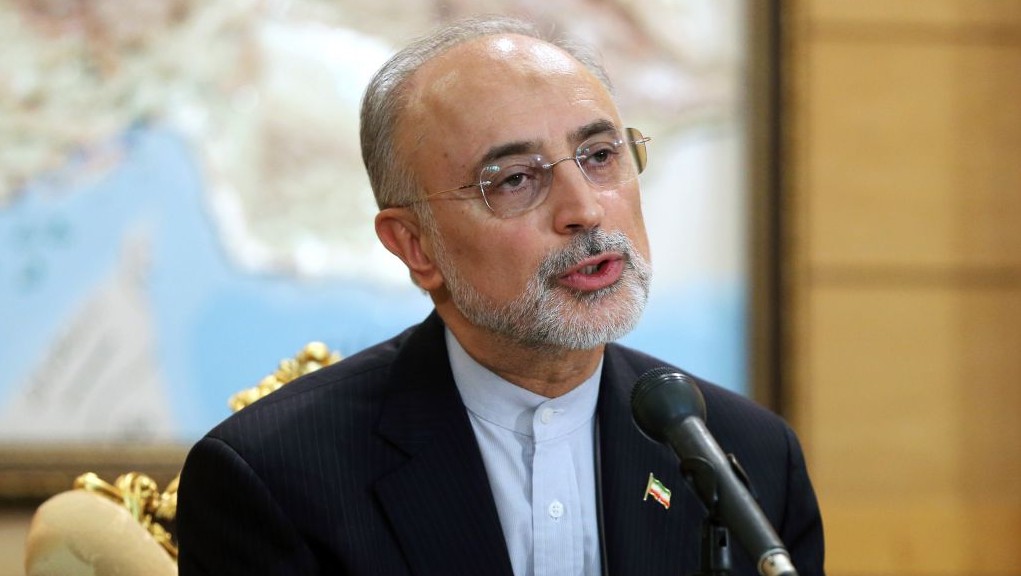
LONDON, United Kingdom (AFP) — Iran’s nuclear chief Ali Akbar Salehi is urging the West to change course in the Middle East in order to save the atomic deal, saying “the moment of truth has arrived.”
The accord, reached between Tehran and world powers in Vienna in July 2015, saw Iran drastically curb its nuclear activities. In return, nuclear-related Western and UN sanctions were lifted.
But writing in Friday’s Guardian newspaper, Salehi, head of Iran’s Atomic Energy Organization, said negotiating agreements with Western powers had been a “mixed experience” for Tehran.
“Often, following some hard-won engagement, some Western nations, whether distracted by shortsighted political motivations or the lucrative inducements of other regional actors, walk away and allow the whole situation to return to the status quo ante,” he said.
Salehi was writing against the background of increasing US-Iran tensions since President Donald Trump came to power.
He said the nuclear deal could be saved but it would take concerted action and a clarification of Western security policy in the Middle East.
“For example, US arms sales to some traditional regional clients in the Middle East, and ostentatious, lavish arms purchases by the same regional actors just because of the abundance of oil wealth, are provocative,” he said.
“This is especially the case if the national defense efforts of Iran — which are partly induced by this process — are simultaneously opposed and undermined. It would be unrealistic to expect Iran to remain indifferent to the destabilizing impact of such conduct.”
“Disregard for Iran’s genuine security concerns, either through deliberate changing of the military-security balance in the region, or by stoking Iranophobia in the region and beyond, would jeopardize engagement. So would a failure to honor the specific commitments set out in the JCPOA. We would all end up back at square one. Unfortunately, as things stand at the moment in the region, reaching a new state of equilibrium may simply be beyond reach for the foreseeable future,” he wrote.
Trump has vowed to “dismantle” the “disastrous” nuclear deal and has ratcheted up US sanctions, calling for Iran to be isolated and throwing his weight behind Tehran’s arch rival Saudi Arabia.
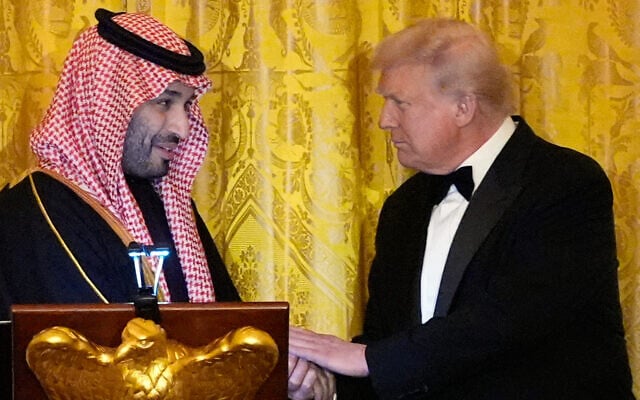
Last month, on his first foreign trip, Trump visited Saudi Arabia and promised its leaders access to $110 billion in weapons and training.
Salehi called for engagement from all parties.
“We have, so far, taken a number of solid steps towards a constructive engagement aiming at common goals and objectives. Those steps could be strengthened further by genuine reciprocal gestures and actions.
“The moment of truth has arrived.”
Times of Israel staff contributed to this report.





The Times of Israel Community.