

Iran’s currency falls to a new low as nuclear sanctions squeeze its ailing economy
Record low puts pressure on food prices, raising cost of meat and rice, making daily life more challenging for the Iranian public
 Add ToI as a Preferred Source on Google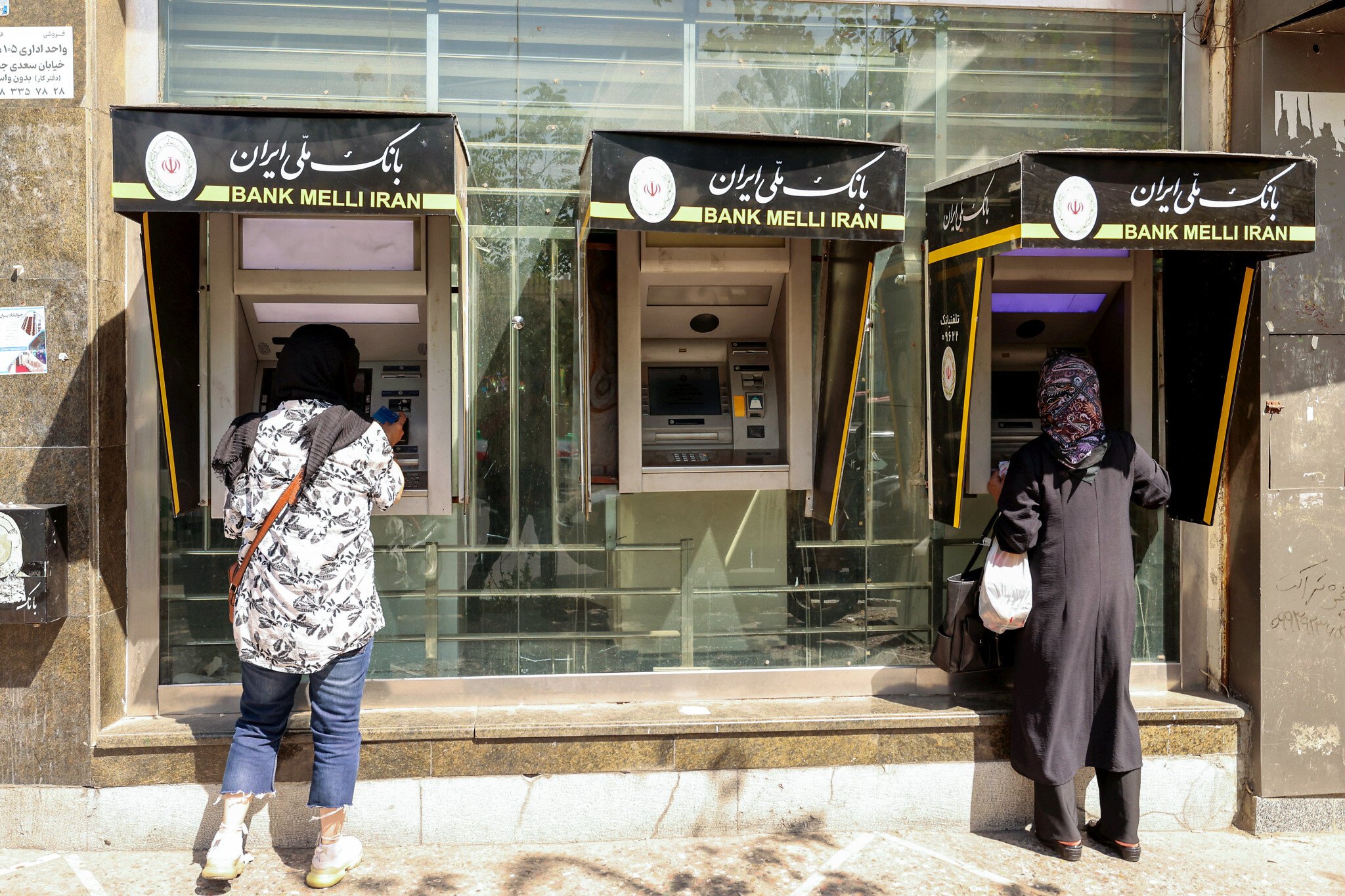
TEHRAN, Iran (AP) — Iran’s rial currency fell Wednesday to a new low of 1.2 million to the US dollar as nuclear sanctions squeeze Tehran’s ailing economy.
Traders offered the new exchange rate as attempts so far to restart negotiations between America and Iran over its nuclear program appear stalled.
The new record low is increasing pressure on food prices and other costs have been making daily life that much more challenging for Iranians. Prices are up on meat, rice and other staples of the Iranian dinner table.
Meanwhile, people worry about a new round of fighting between Iran and Israel — as well as potentially the United States — after June’s 12-day war, when Israel targeted Iran’s nuclear scientists and facilities and its ballistic missile program in widespread bombing campaigns.
“Life will not only become more difficult for ordinary people, but it will also fuel public concern over whether the government — given the limited inflow of foreign currency caused by sanctions — has the resources to maintain and repair the country’s aging infrastructure,” said Ali Moshtagh, a 53-year-old electrical engineer.
Iran’s economy has been severely affected by international sanctions, particularly after US President Donald Trump unilaterally withdrew America from Tehran’s nuclear deal with world powers in 2018. At the time of the 2015 deal, which saw Iran drastically limit its enrichment and stockpiling of uranium in exchange for the lifting of international sanctions, the rial traded at 32,000 to the dollar.
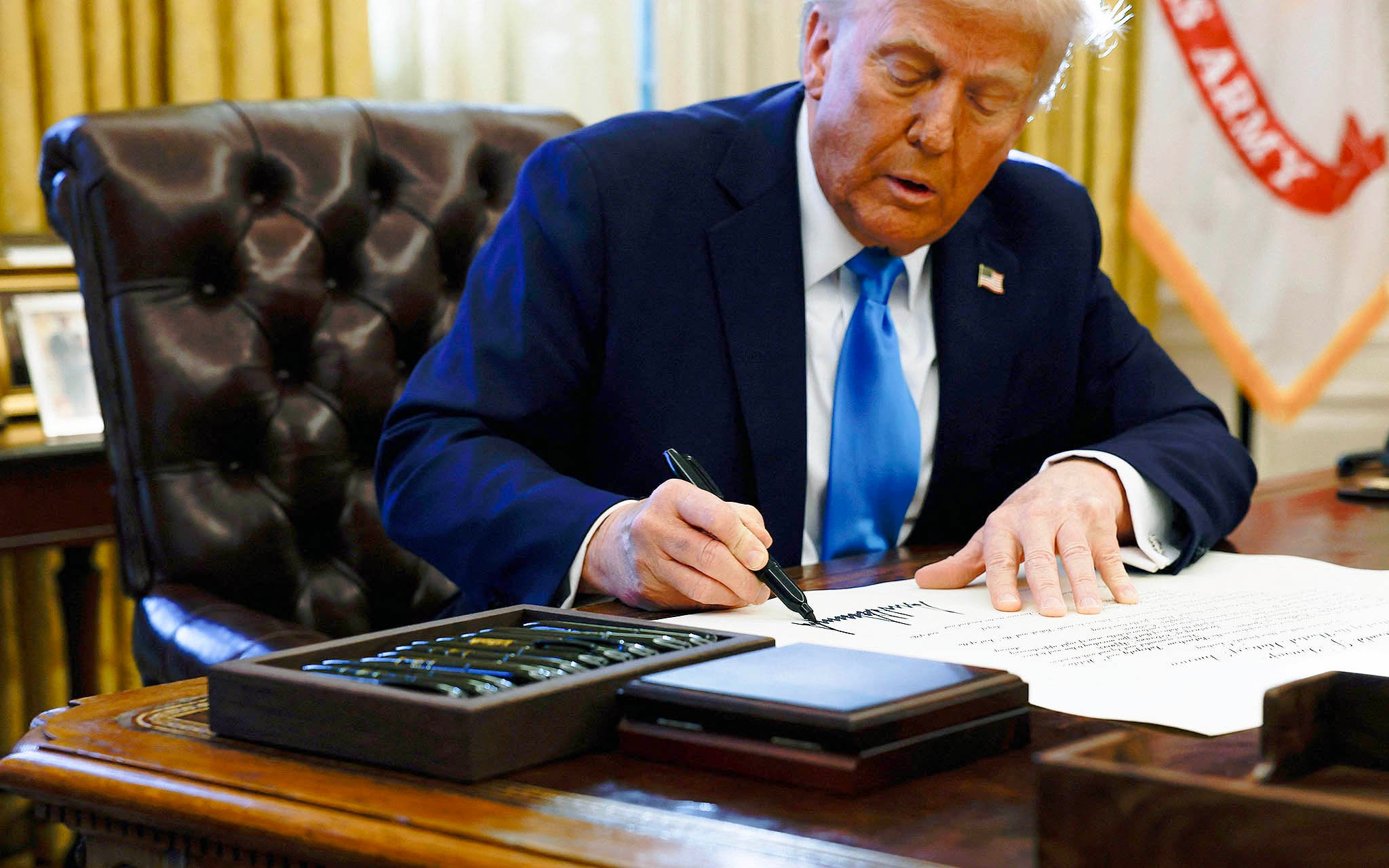
After Trump returned to the White House for his second term in January, he restarted his so-called maximum pressure campaign targeting Tehran with sanctions. He again went after firms trading Iranian crude oil, including those selling at a discount in China.
In late September, the United Nations reimposed nuclear sanctions on Iran via what diplomats referred to as its “snapback” mechanism. Those sanctions again freeze Iranian assets abroad, halt arms deals with Tehran and penalize any development of Iran’s ballistic missile program, among other measures. Iran, which openly seeks Israel’s destruction, denies seeking nuclear weapons, but has enriched uranium to near weapons-grade, with no civilian application.
Times of Israel staff contributed to this report.






The Times of Israel Community.