

Iran’s sole nuclear power plant back online after sudden closure
Manager of Bushehr site says 1,000-megawatt reactor ‘fixed,’ enabling it to be reconnected to grid following two-week hiatus
 Add ToI as a Preferred Source on Google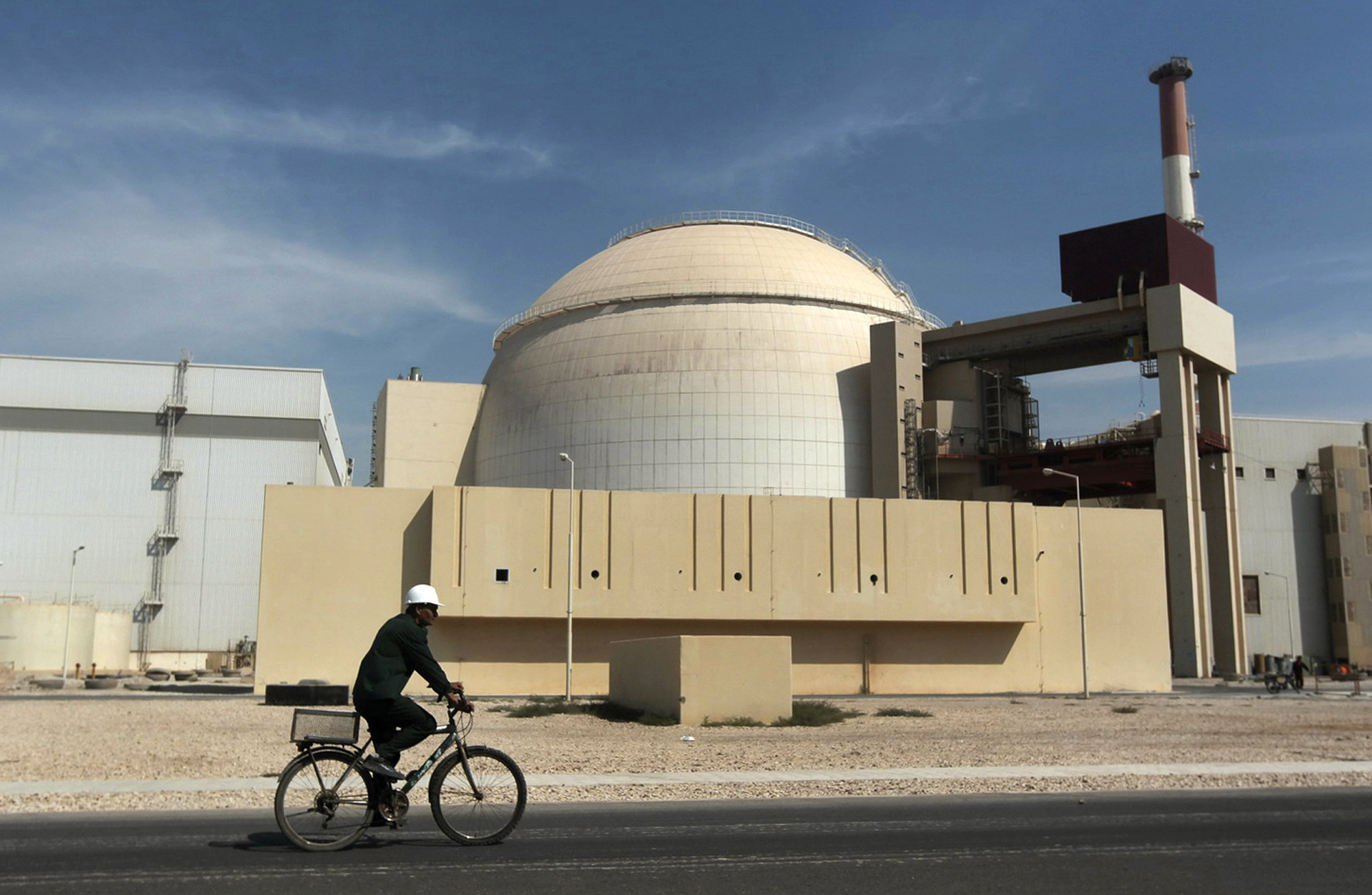
TEHRAN, Iran — Iran’s only nuclear power plant has been brought back online, its manager said early Monday, after two weeks off-grid amid conflicting reports over an apparent regular maintenance operation.
The “technical fault” that shut down the Bushehr plant and its 1,000-megawatt reactor on Iran’s southern coast “was fixed,” Mahmoud Jafari, who is also deputy head of the Atomic Energy Organization of Iran (AEOI), told ISNA news agency around midnight.
That allowed the plant to resume power generation and be reconnected, he said.
Jafari said power generation had resumed “from Sunday,” and urged Iranians to “help” the Islamic Republic’s overburdened grid by minimizing power consumption as weather forecasts predicted rising temperatures in the coming days.
The Bushehr plant was built by Russia and officially handed over in September 2013.
Russian and Iranian firms started work on two additional 1,000-megawatt reactors in 2016, with construction expected to take 10 years.
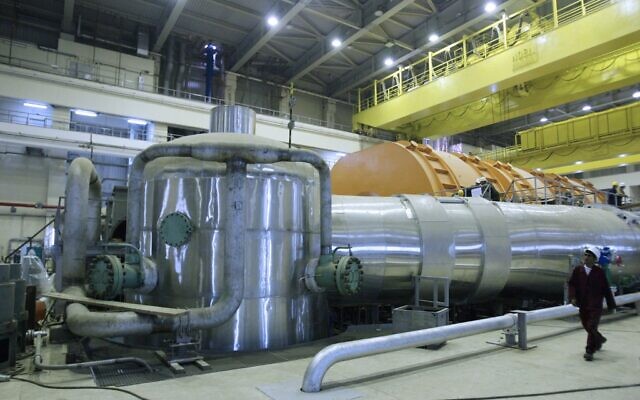
On June 20, the AEOI had blamed “a technical fault” for the shutdown and said it had given the energy ministry one day’s notice before going offline.
It said two days later that the issue was with the plant’s “power generator,” without explaining further.
But Iran’s foreign ministry at the time described the shutdown as “routine,” saying it was carried out “once or twice each year.”
On Saturday Iranian state TV quoted Mostafa Rajabi Mashahdi, spokesperson for the country’s energy ministry, as saying the Bushehr plant “returned to production energy” after the completion of needed maintenance.
Authorities earlier this year had warned of Bushehr’s possible closure because of American sanctions barring Iran from procuring equipment for repairs.
Bushehr is fueled by uranium produced in Russia, not Iran, and is monitored by the United Nations’ International Atomic Energy Agency. The IAEA acknowledged being aware of reports about the plant, but declined to comment.
Iran’s Gulf Arab neighbors have often raised concerns about the reliability of the Bushehr facility and the risk of radioactive leaks in the event of a major earthquake.
In April, Bushehr province was shaken by a 5.9-magnitude earthquake, leaving five people injured but causing “no damage” to the nuclear complex, according to authorities. There have been no significant earthquakes reported in the area in recent days.
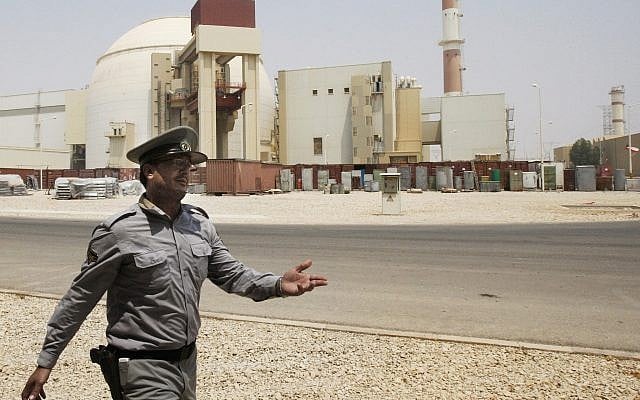
Bushehr going off-grid had raised concerns of worse blackouts after a string of power cuts in Iran blamed on heat, drought impacting hydro-electrical facilities, and surging electricity demand.
Iran introduced planned, rolling blackouts in May after Tehran and several other cities were hit by unannounced power cuts, sparking complaints from consumers and an apology from the energy minister.
Power cuts are not uncommon during Iran’s hot summers when air-conditioning use spikes.
Adding to the problem, the country’s hydropower capacity has been hit by low rainfall.
A government report in May said precipitation was down 34 percent compared to the long-term average, and warned of reduced water supplies for the year.
Since late May, the energy ministry has regularly notified citizens of potential blackouts lasting at least two hours a day.
Numerous explosions have been reported over the past few years in complexes vital to Iran’s nuclear program and its energy and military sectors, most notably an alleged sabotage at the Natanz atomic plant and the killing of the regime’s top nuclear scientists in two separate incidents last year.
Some of the incidents have been said to stem from technical malfunctions, while others have been blamed by the Islamic Republic on its enemies, including the US and Israel.










The Times of Israel Community.