

Jerusalem stores fight ‘political’ Shabbat closure order
Move shows mayor’s ‘capitulation to ultra-Orthodox,’ states court petition on heels of similar appeal by Tel Aviv businesses
 Add ToI as a Preferred Source on Google
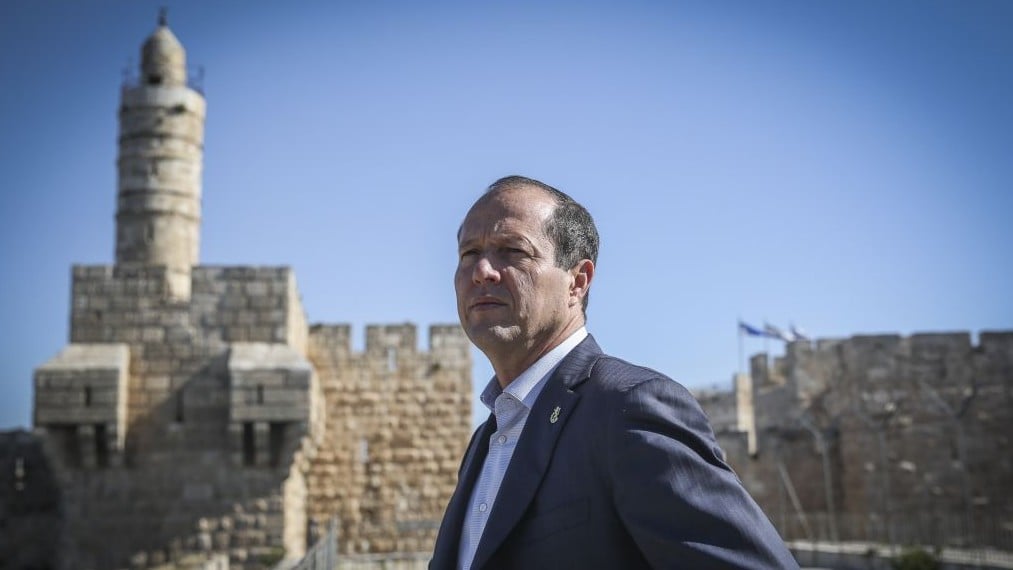
A Jerusalem municipal order for minimarkets to close on Shabbat and religious holidays changes decades of the capital’s status quo between religious and secular residents, constitutes “selective enforcement,” and reflects Mayor Nir Barkat’s capitulation to the city’s ultra-Orthodox community, the opponents of the order told the Supreme Court on Monday.
Presenting a petition on behalf of four city center minimarket owners, lawyer Yossi Havilio said decisions that touch on such sensitive issues should be taken by the full council, which was elected by the public, and not as a technical move by the municipality’s legal adviser.
Havilio, a former Jerusalem municipal legal adviser-turned-critic of Barkat, claimed that the instruction, issued in the name of the current legal adviser, actually came from the mayor out of “extraneous and irrelevant” political considerations.
He said it constituted “selective enforcement” in a city center that is neither religious nor ultra-Orthodox, but a focus of trade and entertainment. As such, he said, it conflicted with a Supreme Court ruling on the appropriate balance between the right to freedom of religion and harm to religious feelings.
Havilio suggested waiting for the results of separate Supreme Court petitions against the Tel Aviv Municipality over Shabbat-closure notices served on the White City’s supermarkets and kiosks, as well as the recommendations of a committee established by Prime Minister Benjamin Netanyahu to look into the issue.
Jerusalem has long been the stage for secular-religious battles over the Sabbath opening of stores or places of entertainment in non-Orthodox neighborhoods. Last year, the ultra-Orthodox community tried unsuccessfully to stop Saturday screenings at the new Yes Planet cinema complex south of the city center. And two years previously, the community failed to shut down The First Station — the renovated train-station complex only a five-minute walk away.
The order for city center minimarkets to close came a week after the cinema complex opened in August 2015, prompting secular councilor Ofer Berkovitz to suggest that Barkat was compensating the ultra-Orthodox — a charge that the mayor denied.







The Times of Israel Community.