

Knesset advances controversial West Bank antiquity bill in first reading
Legislation’s critics maintain it amounts to de facto annexation, while supporters say it is necessary to preserve territory’s unique heritage
 Add ToI as a Preferred Source on Google
Rossella Tercatin is The Times of Israel's archaeology and religions reporter.
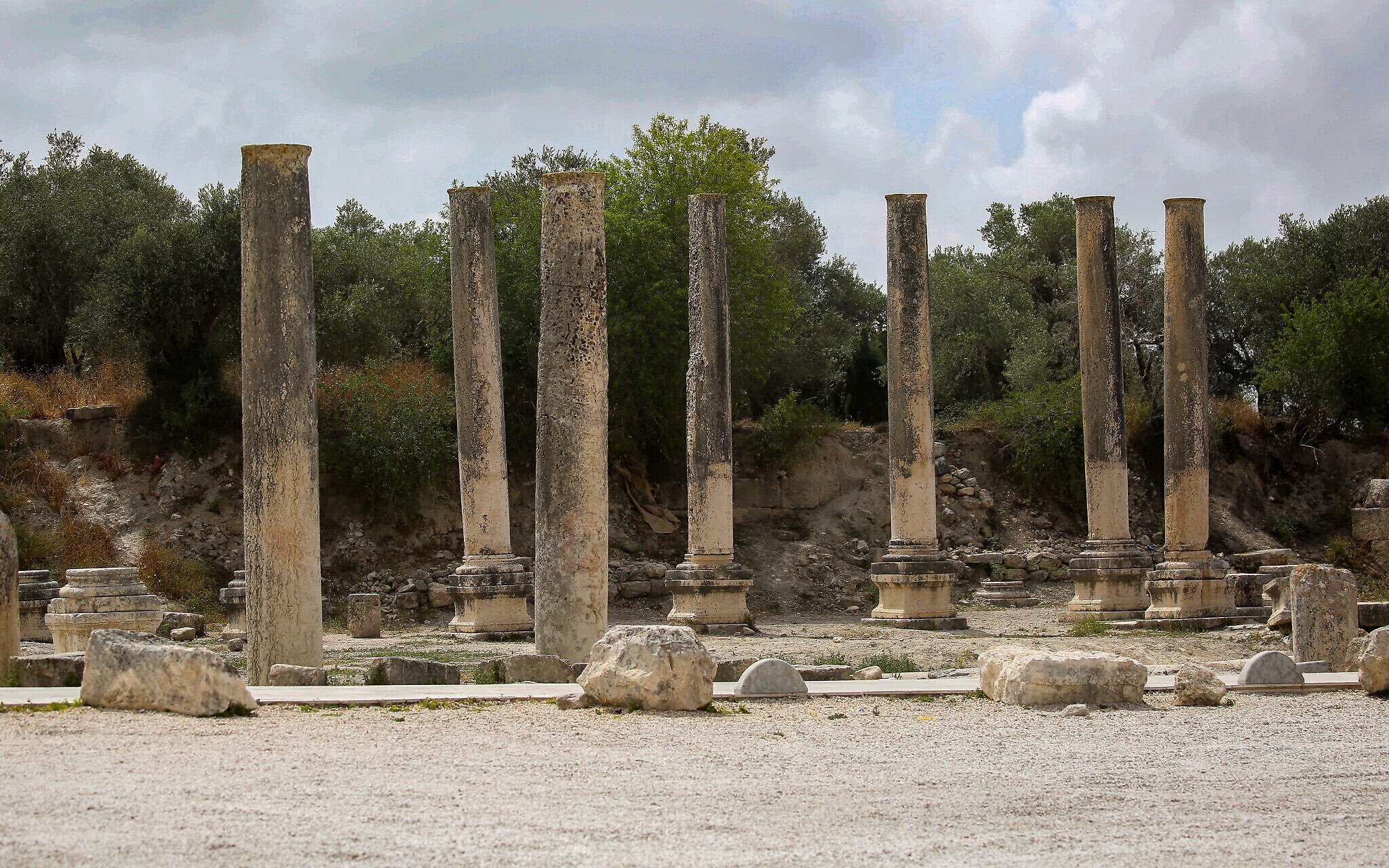
A controversial bill creating a new civilian authority in charge of antiquities in the West Bank was advanced by the Knesset plenum in its first reading overnight between Monday and Tuesday.
Lawmakers voted 23-14 in favor of the bill, which aims to establish the State of Israel’s direct responsibility for antiquities, heritage sites, and archaeology in the West Bank, in a move that critics maintain would amount to de facto annexation.
“The current war is about our identity, our culture, about God, about our deep belonging to this land,” said Likud MK Amit Halevy, the sponsor of the bill, ahead of the vote. “This law is part of the victory over this barbarism.”
If passed into law, which will require two additional readings by the plenum, the bill will create a “Judea and Samaria Heritage Authority,” using the biblical name for the West Bank.
The authority is set to assume the responsibilities currently held by the Defense Ministry.
The person responsible for the file now is a staff officer of the Archaeology Unit of the Civil Administration, a branch of the Defense Ministry’s Coordinator of Government Activities in the Territories (COGAT), which is in charge of civilian affairs in the territory.
According to the Civil Administration’s Archaeology Unit website, there are over 2,600 archaeological sites in the West Bank.
Notable biblical sites listed on the unit’s website include the capital of the Kingdom of Israel, Sebastia; the Tomb of the Patriarchs in Hebron; and Tel Shiloh, where, according to the Bible, the Jewish Tabernacle was housed for some 400 years. Several Hasmonean fortresses, the palace of the 1st century CE Jewish-Roman King Herod, and the Qumran Caves, where most of the Dead Sea Scrolls were discovered, are also located in the West Bank.
The area is also rich in Christian and Muslim historical sites, including the Church of the Nativity.
The original version of the bill, first introduced in 2023, proposed that the Israel Antiquities Authority (IAA), the body responsible for overseeing archaeology and archaeological sites in Israel’s sovereign territory, oversee antiquities in the West Bank.
From the outset, the proposal has faced backlash from nearly every professional archaeologist, many of whom accused the coalition of seeking to approve a de facto annexation in the field of antiquities. The IAA itself opposed the move, and the bill was rewritten to establish a new Israeli civilian body.
Under the Oslo Accords, Israel’s involvement in West Bank antiquities is only supposed to extend to Area C, the 60 percent of the West Bank where it maintains civil and military control, while areas A and B are under the civilian control of the Palestinian Authority (in the case of Area A, the PA also maintains nominal control over security affairs).
Previous drafts of the bill discussed by the Knesset Education, Culture and Sports Committee explicitly stated that its scope would also extend to areas A and B. The version brought before the plenum appeared to describe the scope in a more ambiguous manner, saying the law would apply to “any area in which the staff officer was authorized to act on the eve of the commencement of this Law under the Antiquities [military] Order.”
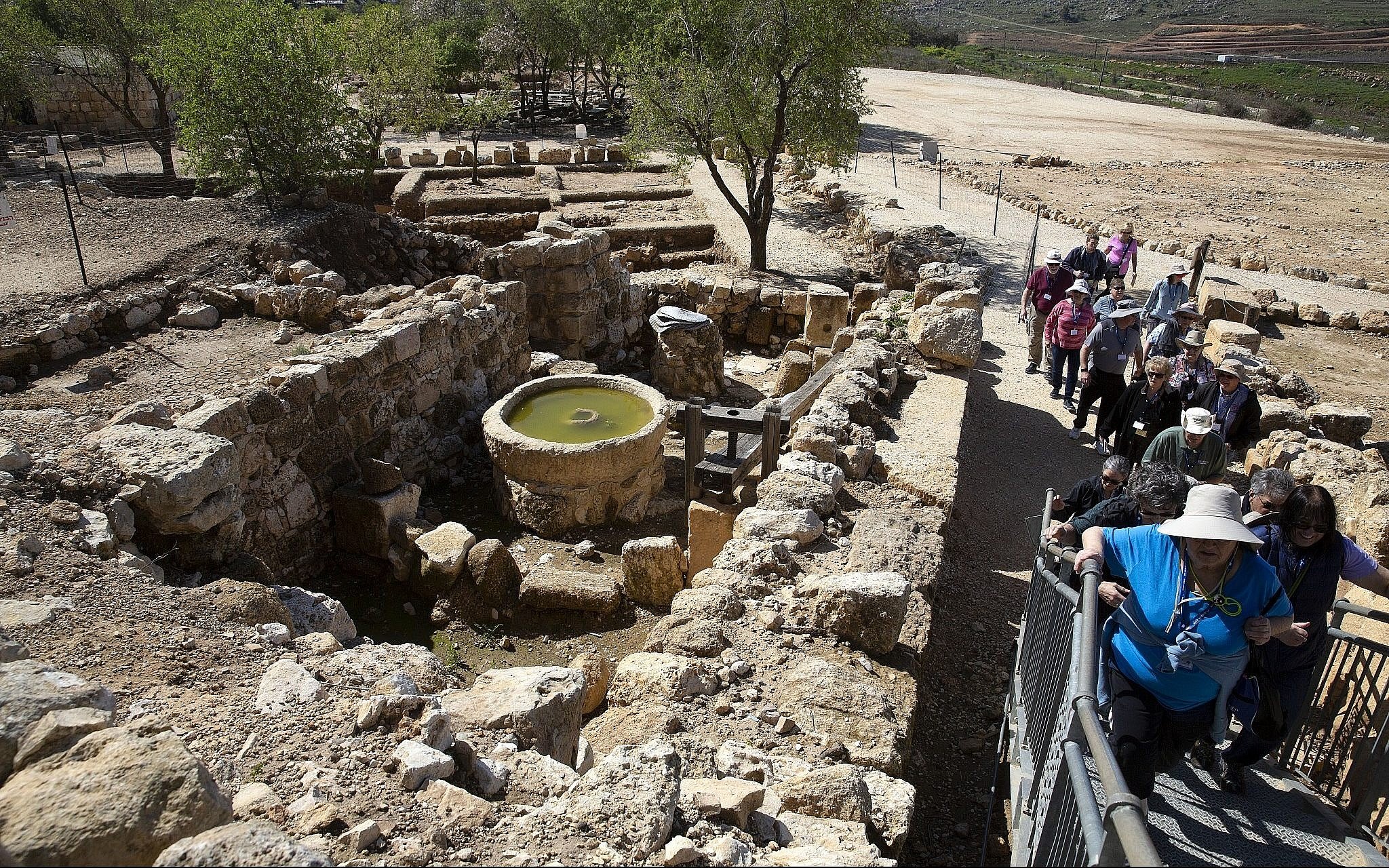
Supporters of the bill claim it is necessary to preserve archaeological sites and artifacts in the area that are languishing due to decades of neglect, damage, and looting. Critics maintain that the move will not improve the situation for archaeological and ancient sites and artifacts.
According to the bill, the new authority will have the power to excavate, conserve, restore, manage, and develop archaeological sites and ancient artifacts, conduct research, and acquire or expropriate land for the purpose of protection, conservation, research, and development of sites.
Under prevailing interpretations of international law, even in Area C, Israel is permitted only to conduct salvage excavations and operations to preserve antiquities and archaeological sites, rather than to initiate academic digs or site development.
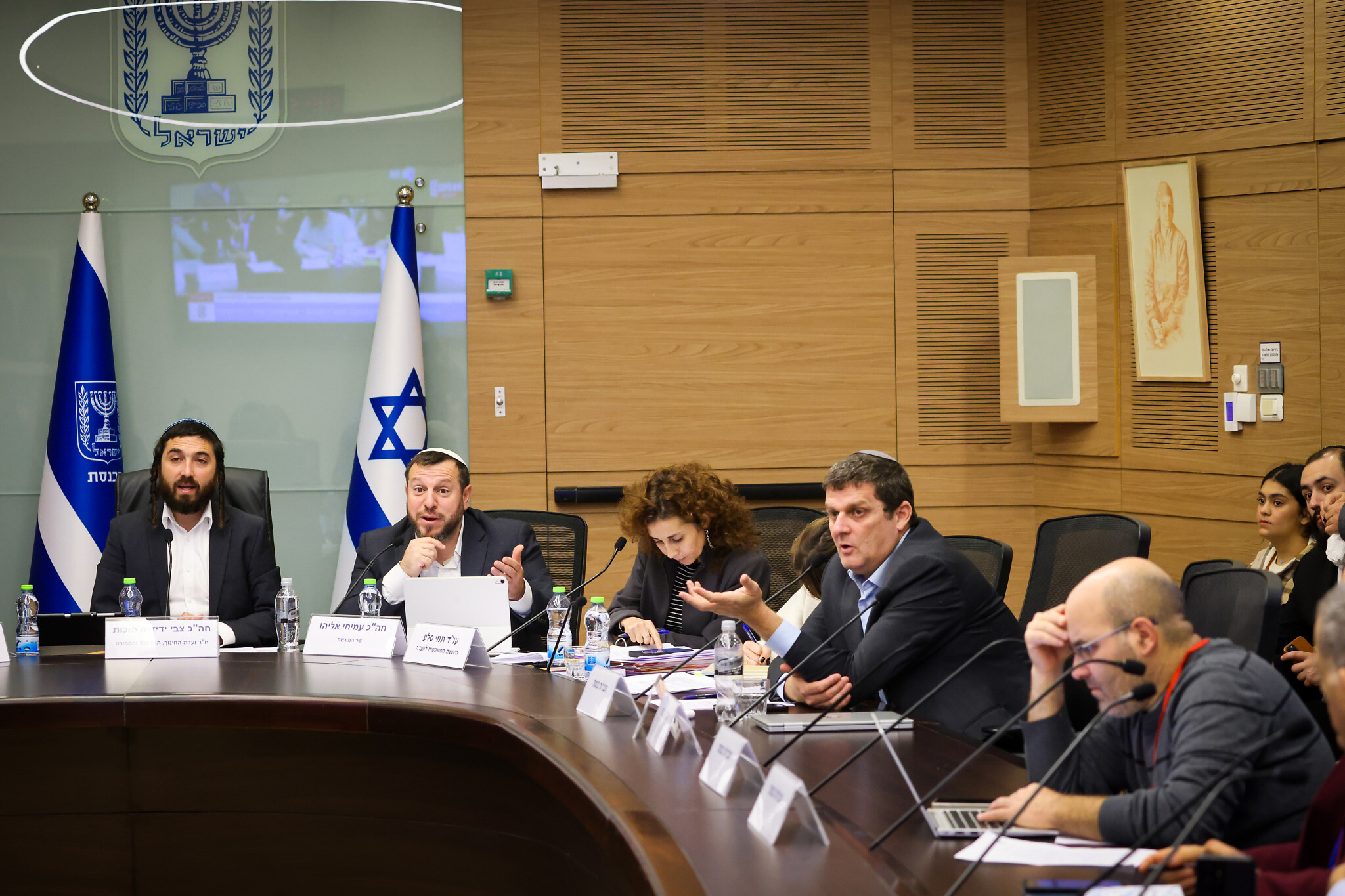
During the discussions on the bill before the Education, Culture, and Sports Committee, committee legal adviser Tami Sela warned that if passed into law, the bill would mark the first time that the state — rather than the military — exercises direct power over expropriation and acquisition of land in the West Bank, as well as additional enforcement powers, which would also apply to Palestinian residents.
The bill will need to return to the committee for further deliberations before being brought back to the plenum for its final two readings, which are generally held on the same day.








The Times of Israel Community.