

New West Bank antiquity bill seeks to extend Israeli authority over Areas A and B
Proposed law, seeking to create a civilian body in charge of antiquities and archaeological sites, has been opposed by most Israeli archaeologists, likely violates international law
 Add ToI as a Preferred Source on Google
Rossella Tercatin is The Times of Israel's archaeology and religions reporter.
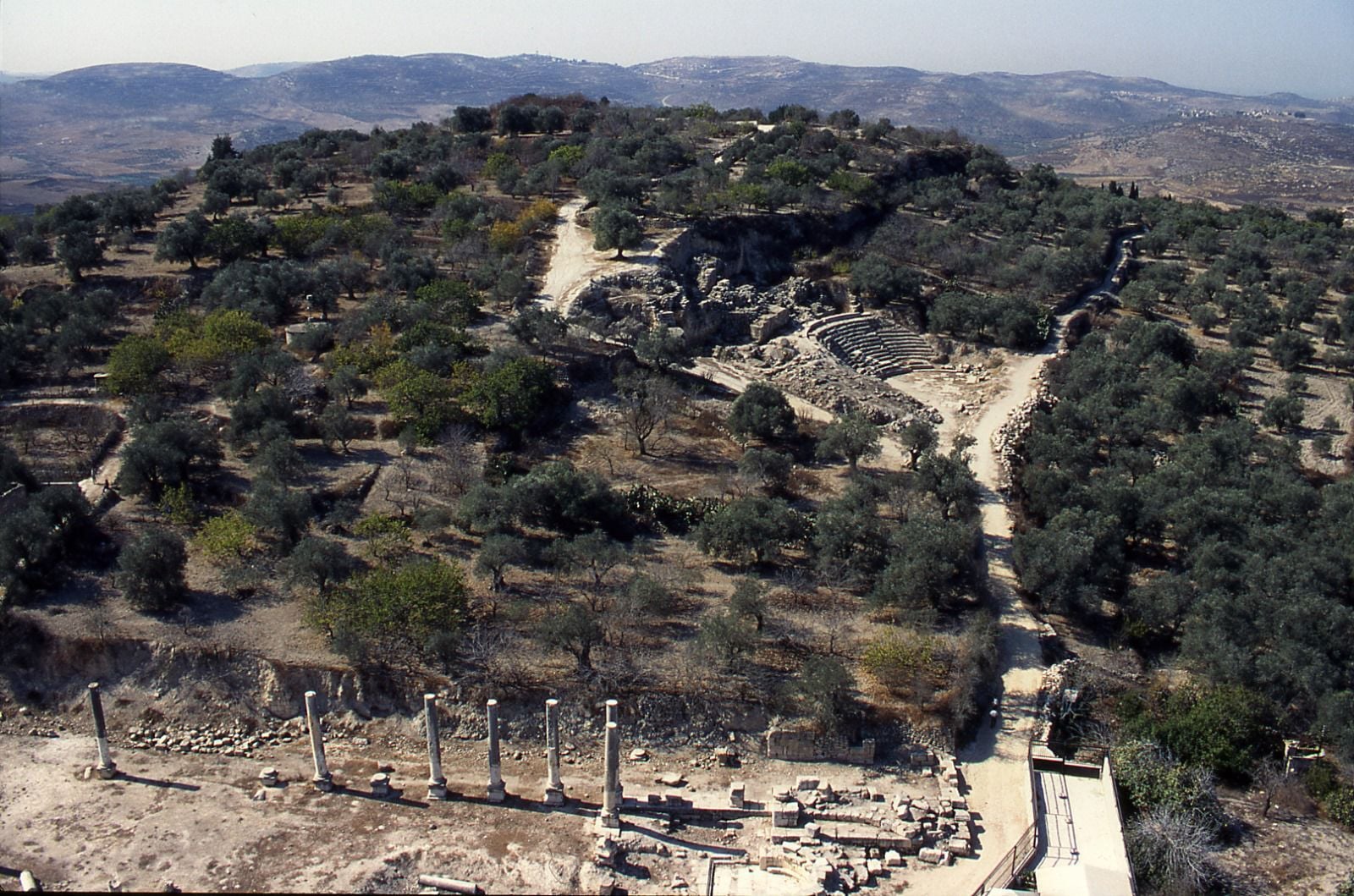
A new version of a bill whose purpose is to extend Israeli authority over antiquities and heritage sites in the West Bank, aims to include Areas A and B — where the Palestinian Authority has civilian control — under the scope of its applicability, according to the latest draft uploaded to the Knesset website on Wednesday ahead of a meeting of the Education and Culture Committee to discuss it.
The draft includes dozens of notes highlighting items that still need to be decided or clarified before the bill is brought to the committee vote.
One of the comments states that the bill’s primary sponsor, Likud MK Amit Halevi, has requested that the new law be applied also to the Gaza Strip.
The original version of the bill, first introduced in 2023, proposed that the Israel Antiquities Authority (IAA), the body responsible for overseeing archaeology and archaeological sites in Israel’s sovereign territory, oversee antiquities in the West Bank.
From the outset, the proposal has faced backlash from nearly every professional archaeologist, many of whom accused the coalition of seeking to approve a de facto annexation in the field of antiquities. The IAA itself opposed the move, and the bill has now been rewritten to establish a new Israeli civilian body for this purpose.
Under the Oslo Accords, Israel’s involvement in West Bank antiquities is only supposed to extend to Area C, the 60% of the West Bank where it maintains civil and military control, while Area A and B are under the civilian control of the Palestinian Authority (in the case of Area A, the PA also maintains control over security affairs).
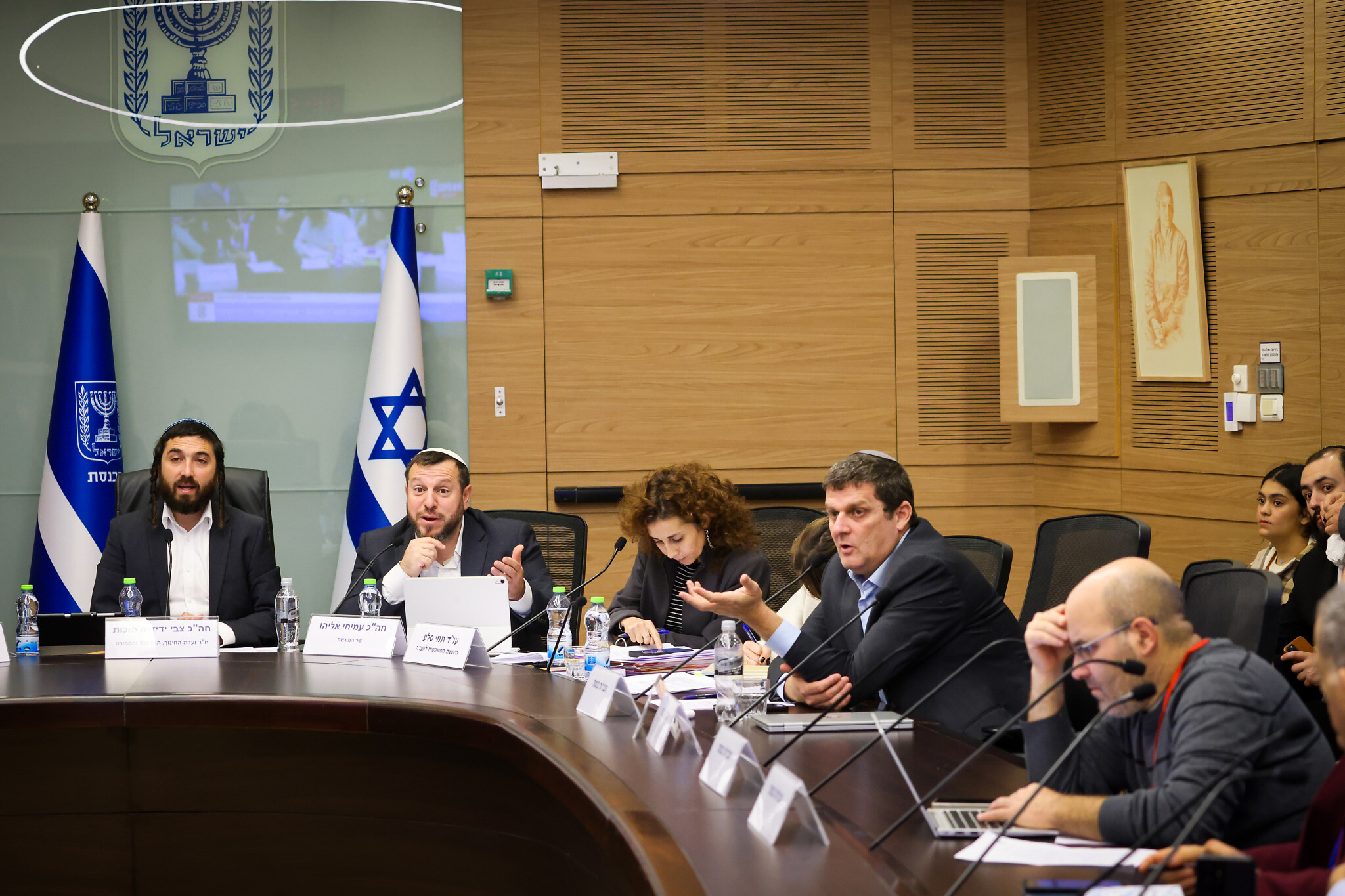
Under prevailing interpretations of international law, even in Area C, Israel is permitted only to conduct salvage excavations and operations to preserve antiquities and archaeological sites, rather than to initiate academic digs or site development.
Currently, the body responsible for antiquities is the Staff Officer of the Archaeology Unit of the Civil Administration, a branch of the Defense Ministry’s Coordinator for Government Affairs in the Territories (COGAT), in charge of civilian affairs in the region.
As for Gaza, at the moment, Israel controls over 53% of the Strip, which is mostly empty of civilians, while it does not run civilian affairs in the rest of the area.
The first clause of the new version of the bill states that “the purpose of this Law is to establish the direct responsibility of the State of Israel for the care of antiquities and heritage and archaeological sites in Judea and Samaria, and for the enforcement of legislation intended to prevent and reduce harm to them, including the protection, preservation, development, and rescue of antiquities and sites, taking into account the unique aspects applicable to them in Judea and Samaria [the biblical name of the West Bank].”

The second clause, titled “Definitions,” describes the geographical scope of the law as “the Judea and Samaria Area” and adds in parentheses that, in accordance with the decision of the Chair of the Committee at the meeting held on March 18, 2025, at this stage, the proposed law shall apply to Areas A, B, and C.
The notes attached to the clause explain that, in light of the decision to include Area A and B, the Justice Ministry and National Security Council have been requested to submit a position on the matter, and that the bill’s initiator “seeks to apply the authority under the proposed law also to the areas of the Gaza Strip.”
The committee meeting was scheduled to present and discuss the new version of the bill, but only the first clause was introduced as it sparked a prolonged debate.
The Justice Ministry’s representatives warned that the bill could create issues given the West Bank’s complex legal status and other international considerations.
“The legislation contradicts Israel’s long-standing policy regarding Judea and Samaria and raises international sensitivities,” said Aryeh Balaban of the ministry’s Counseling and Legislation Department.
“The legislation may create clashes and inconsistencies and could end up doing more harm than good,” echoed Shira Emanuel, another justice ministry official. “All land and expropriation laws are fundamentally different in Judea and Samaria.”
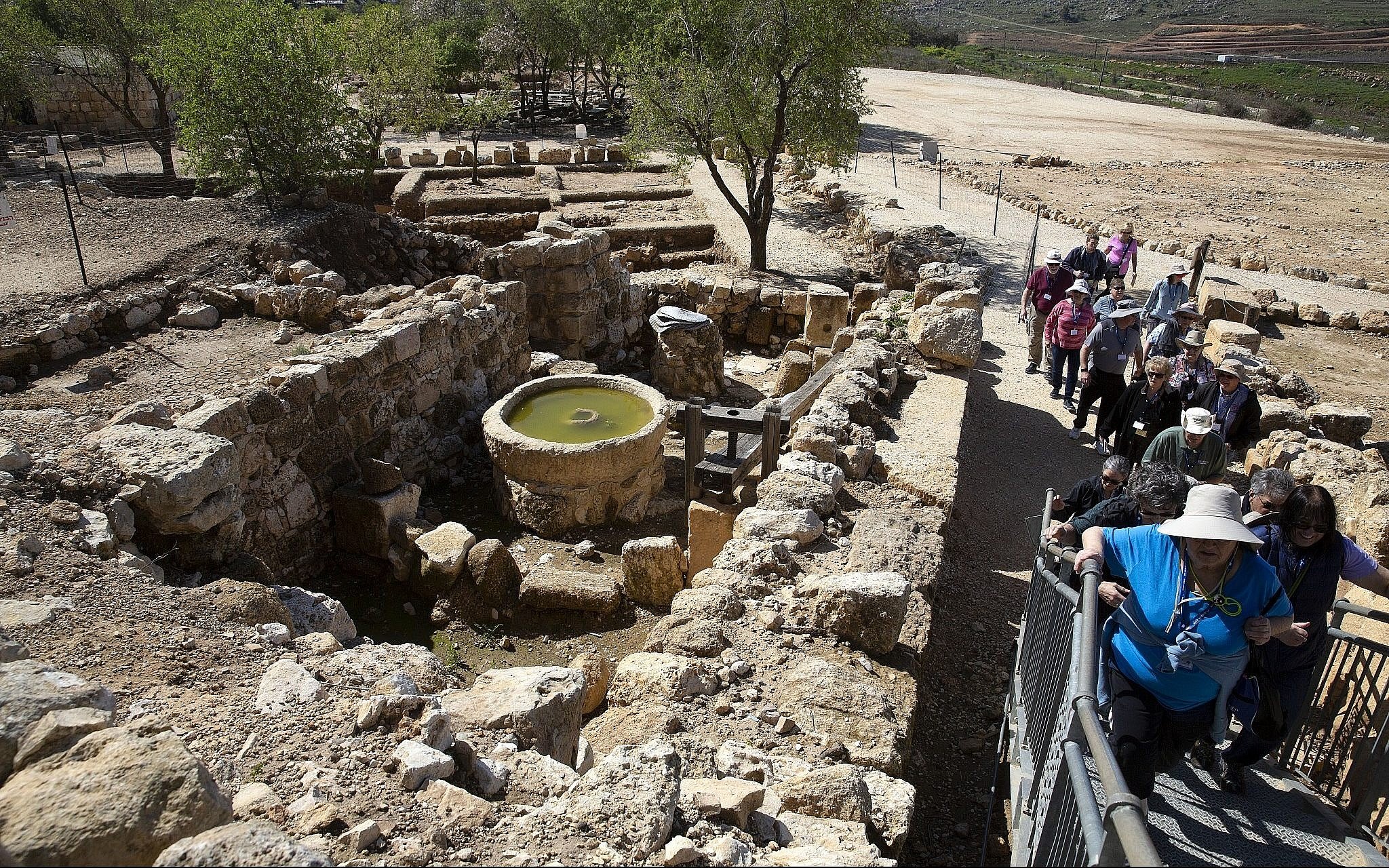
Also, Prof. Guy Stiebel from Tel Aviv University, who chairs Israel’s Archaeology Council, which advises the government and public entities on matters related to antiquities, spoke against the bill, highlighting the possible consequences for Israeli academics at the international level and suggesting that the new system is not really going to help archaeology.
Stiebel also highlighted that the government has already addressed the main issue by increasing the funding for the Archaeology Unit.
“There is no need for the proposed law,” he said. “The minister has already increased the budget of the Staff Officer for Archaeology sixfold.”
Halevi and Heritage Minister Amichai Eliyahu (Otzma Yehudit), by contrast, stressed that the budget must be enshrined in law and not subject to a government’s decision, suggesting this is part of the rationale for creating an independent body.
The bill maintains that the budget for the new body will not be less than 30 million shekels a year.
“Antiquities are being destroyed and disappearing under our watch almost daily, and we want to bring order to this situation,” said committee chairman MK Zvi Sukkot, also a member of Otzma Yehudit. “The state must take responsibility.”








The Times of Israel Community.