

Lapid challenges Netanyahu: Would you accept Abu Dis as capital of Palestine?
Citing rumors that the Jerusalem-area neighborhood is part of the Trump peace plan, Yesh Atid chief asks the PM whether two state solution is back on the table
 Add ToI as a Preferred Source on Google
Raoul Wootliff is a former Times of Israel political correspondent and Daily Briefing podcast producer.
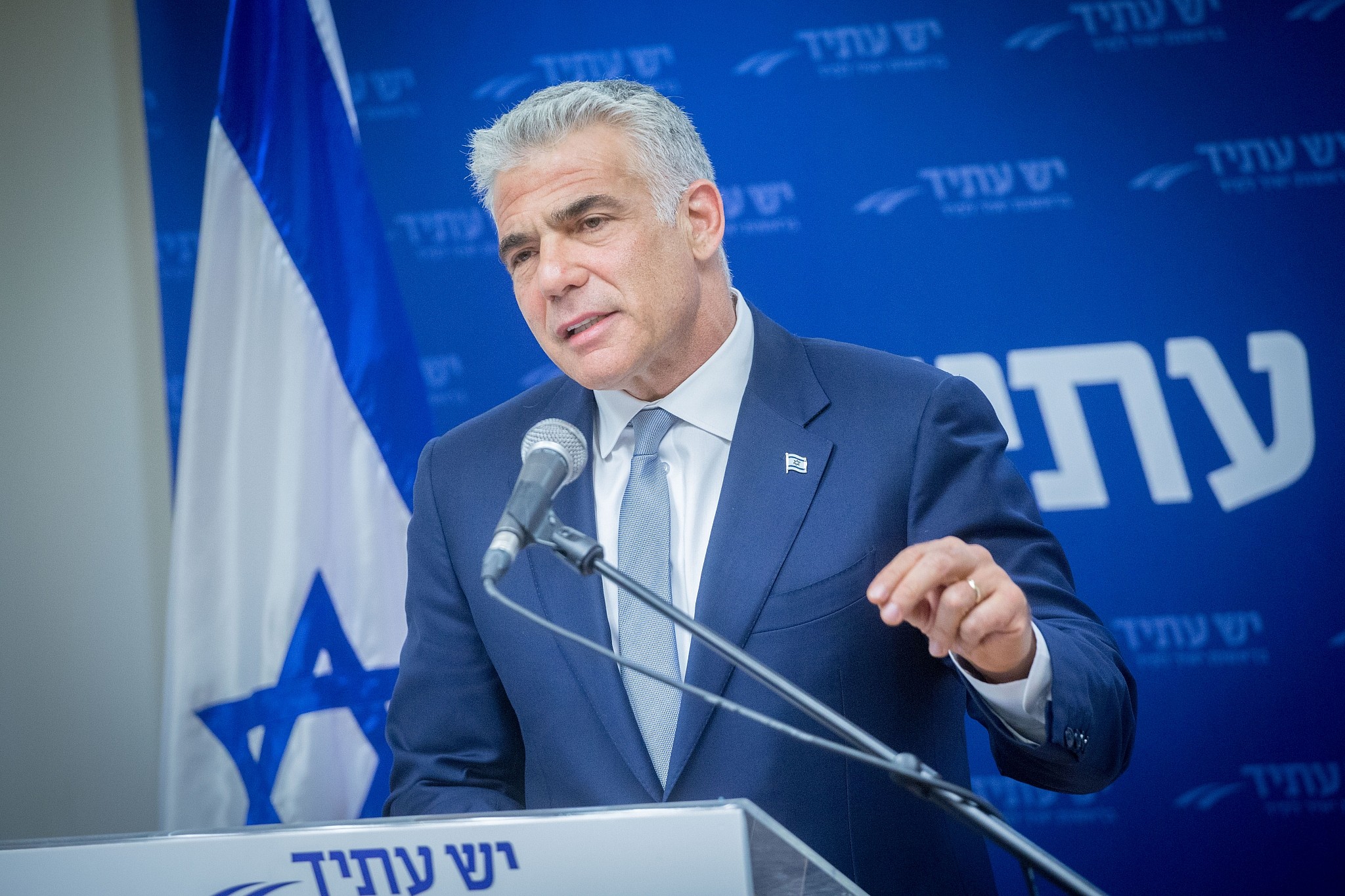
Citing rumors that the much-anticipated Trump administration peace proposal designates the East Jerusalem suburb of Abu Dis as the potential future capital of a Palestinian state, Yesh Atid chairman Yair Lapid on Monday claimed Prime Minister Benjamin Netanyahu must be aware of this and asked him to make clear whether he would accept Abu Dis as the capital of Palestine.
Speaking at his weekly faction meeting at the Knesset, Lapid said the US plan would not specify Abu Dis as a potential location for a Palestinian capital “without Prime Minister Netanyahu being aware of it and giving his agreement.”
Lapid said he therefore had two questions for the prime minister: “Has the two state solution been put back on the table with the agreement of the prime minister?” and, “Would Netanyahu accept Abu Dis as the future capital of Palestine?”
Noting that the prime minister prefers not to give interviews, Lapid said the Israeli public nonetheless deserved a clear answer on the matter.
Netanyahu has long indicated a wary readiness for a two-state solution, with limitations on Palestinian sovereignty; most of his Likud party’s MKs and many others in the coalition flatly oppose the notion.
The Trump administration is reportedly aiming to roll out its much-hyped but long-delayed Middle East peace plan — which US President Donald Trump has called “the deal of the century” — next month.
US officials have indicated that they will not seek to impose an accord, but that they have sought to build a framework that could prove viable to both sides.
Reports at the weekend indicated the administration intends to release the plan in mid- to late-June, shortly after the end of the Muslim holy month of Ramadan. The plan’s main authors — Trump’s son-in-law and senior adviser Jared Kushner, and Trump’s special envoy for international negotiations Jason Greenblatt — have reportedly begun quietly briefing select allies and partners on elements of the proposal.
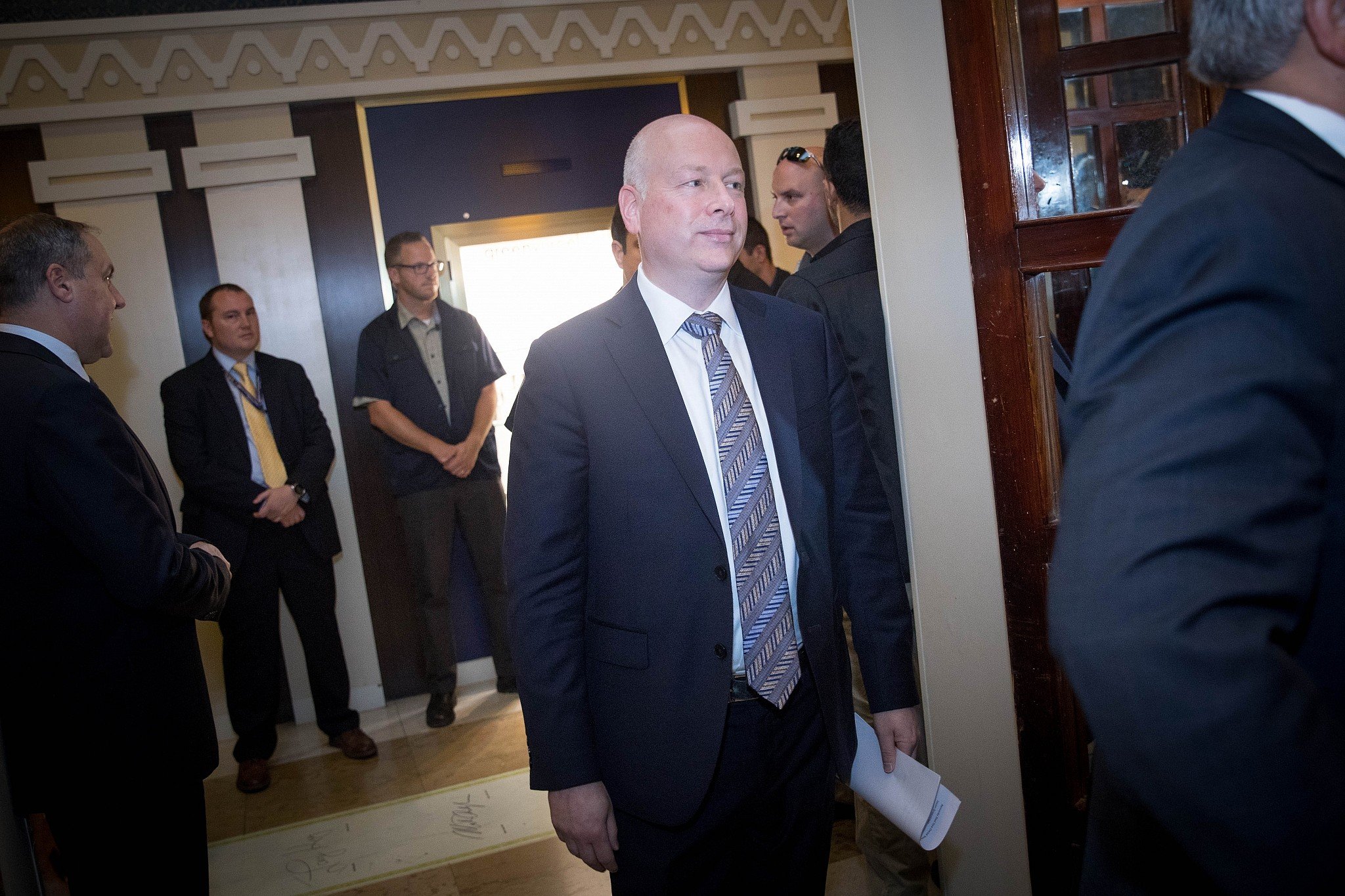
Greenblatt, who has been in the region in recent days, attending last week’s opening of the US Embassy in Jerusalem, called on all sides to step up efforts for progress.
“I also have a message to all our friends in the region — Israelis, Palestinians, Arabs, Muslims, Christians and Jews, and also to many others around the world, who regularly contact me to offer their support for @potus and our administration and our efforts to reach a peace agreement — the time has come to open a new chapter,” Greenblatt wrote in a series of tweets at the weekend in Hebrew and Arabic.
“We need to redouble our efforts to find solutions to the many challenging issues and to see if we can finally, finally achieve peace,” Greenblatt wrote. “We all have a responsibility to try, Let’s start to work.”
Palestinian Authority President Mahmoud Abbas is boycotting the administration, however, having severed contact after Trump in December recognized Jerusalem as Israel’s capital.
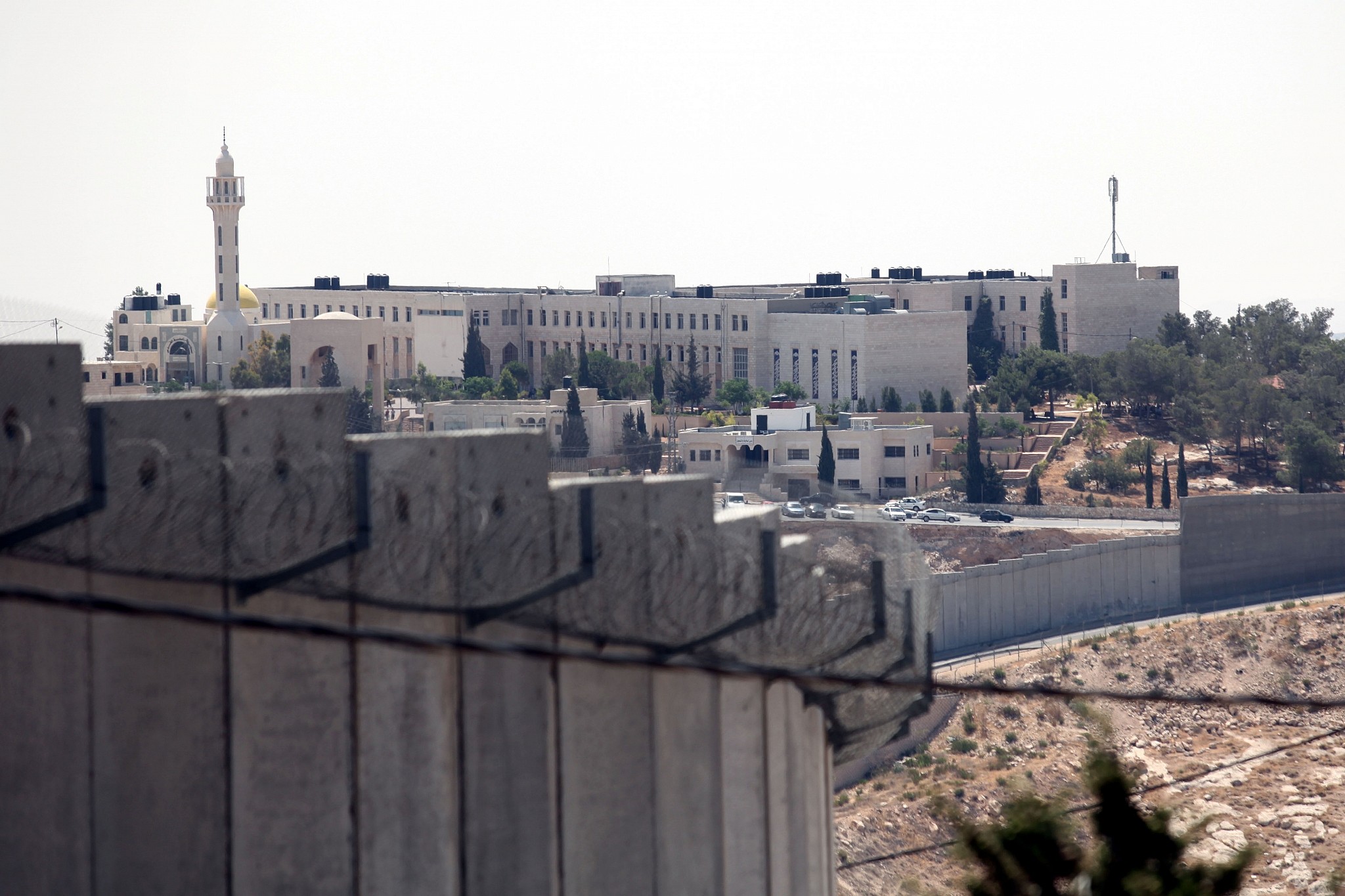
Abu Dis is a suburb of Jerusalem but lies east of Israel’s security barrier and outside the capital’s municipal boundary. Rumors that it might be designated by the Americans as the location of a Palestinian capital have swirled for months.
In a speech in January, Abbas seemingly confirmed that US officials had offered the Palestinians Abu Dis as the capital of a future Palestinian state, rather than their sought-after East Jerusalem capital.
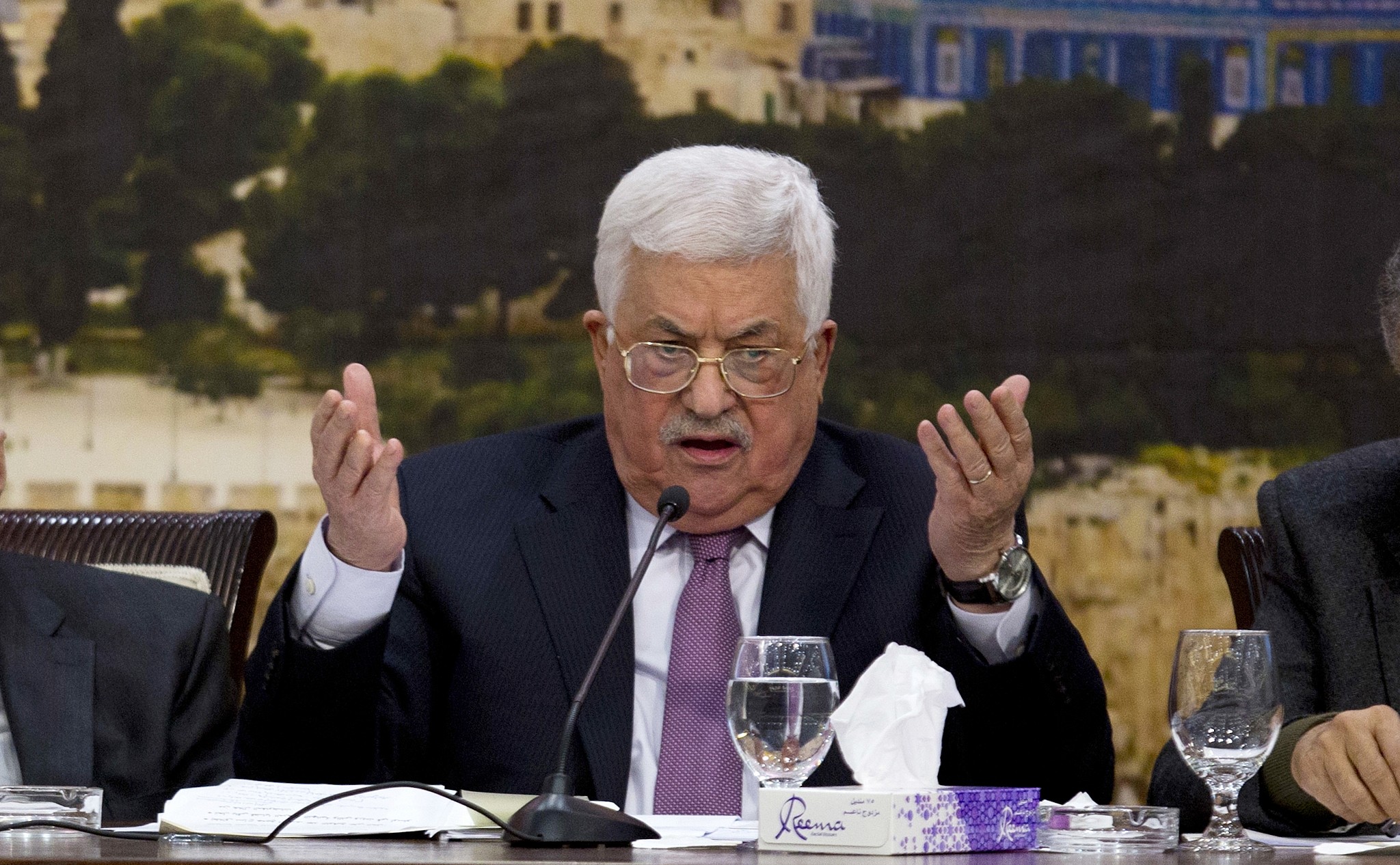
Abu Dis was “being offered,” he said disparagingly. “You want to make a state? With Abu Dis as its capital Abu Alaa. That’s what they are offering us now. Abu Dis,” Abbas said. Abu Alaa is a nickname of Ahmed Qurei, a former senior Palestinian negotiator.
A number of reports have said that when Abbas visited Saudi Arabia in September, the Saudis informed him of the outlines of the peace plan being drawn up by the US administration. Among the elements outlined in the reports was the establishment of the capital of a future Palestinian state in Abu Dis.
In early peace talks between Israelis and Palestinians in the ’90s, the idea of Abu Dis as a Palestinian capital was floated, though it was ultimately rejected. In 1995, the PA began building a parliamentary building in Abu Dis.







The Times of Israel Community.