

Live updates (closed)
 Add ToI as a Preferred Source on Google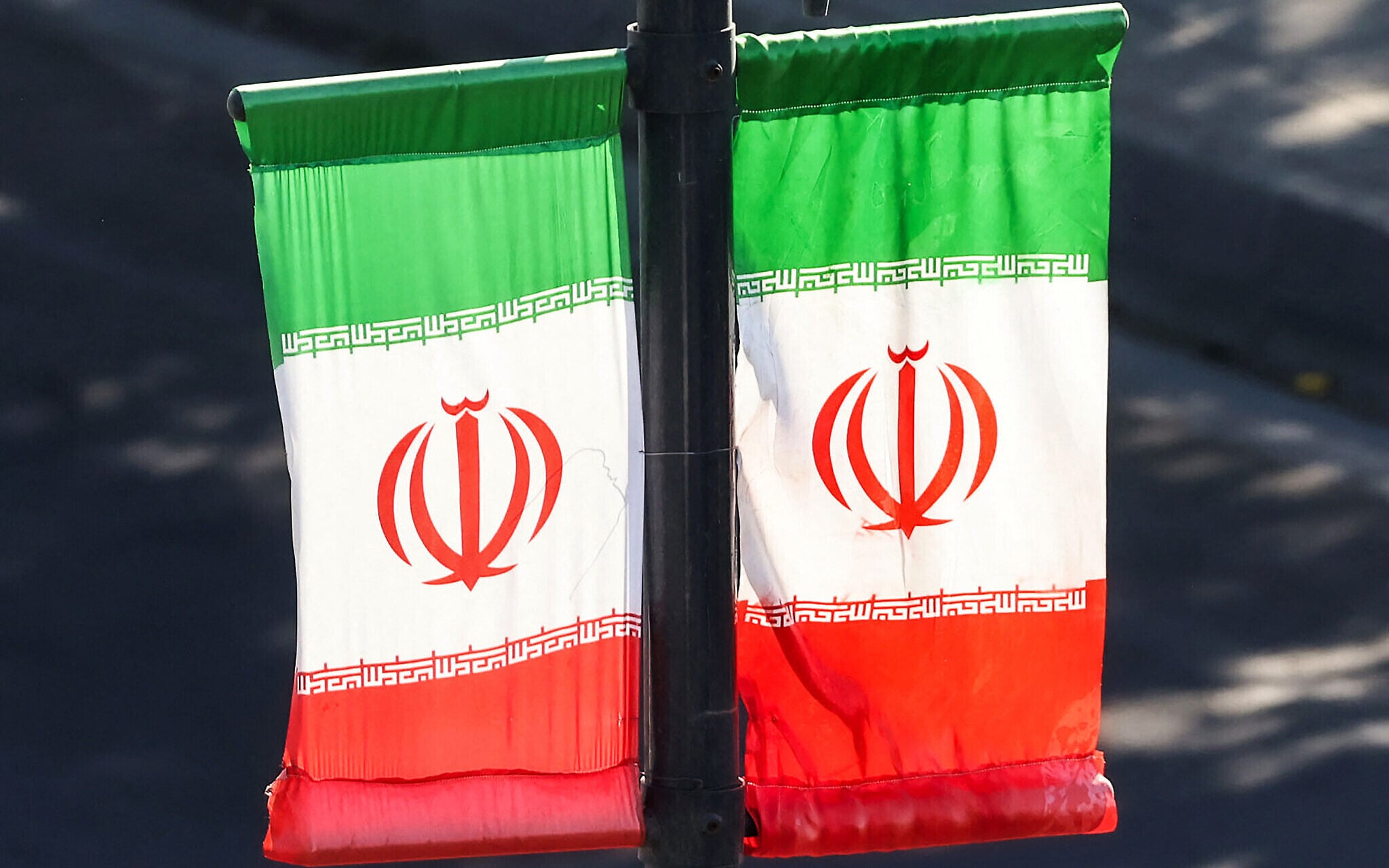
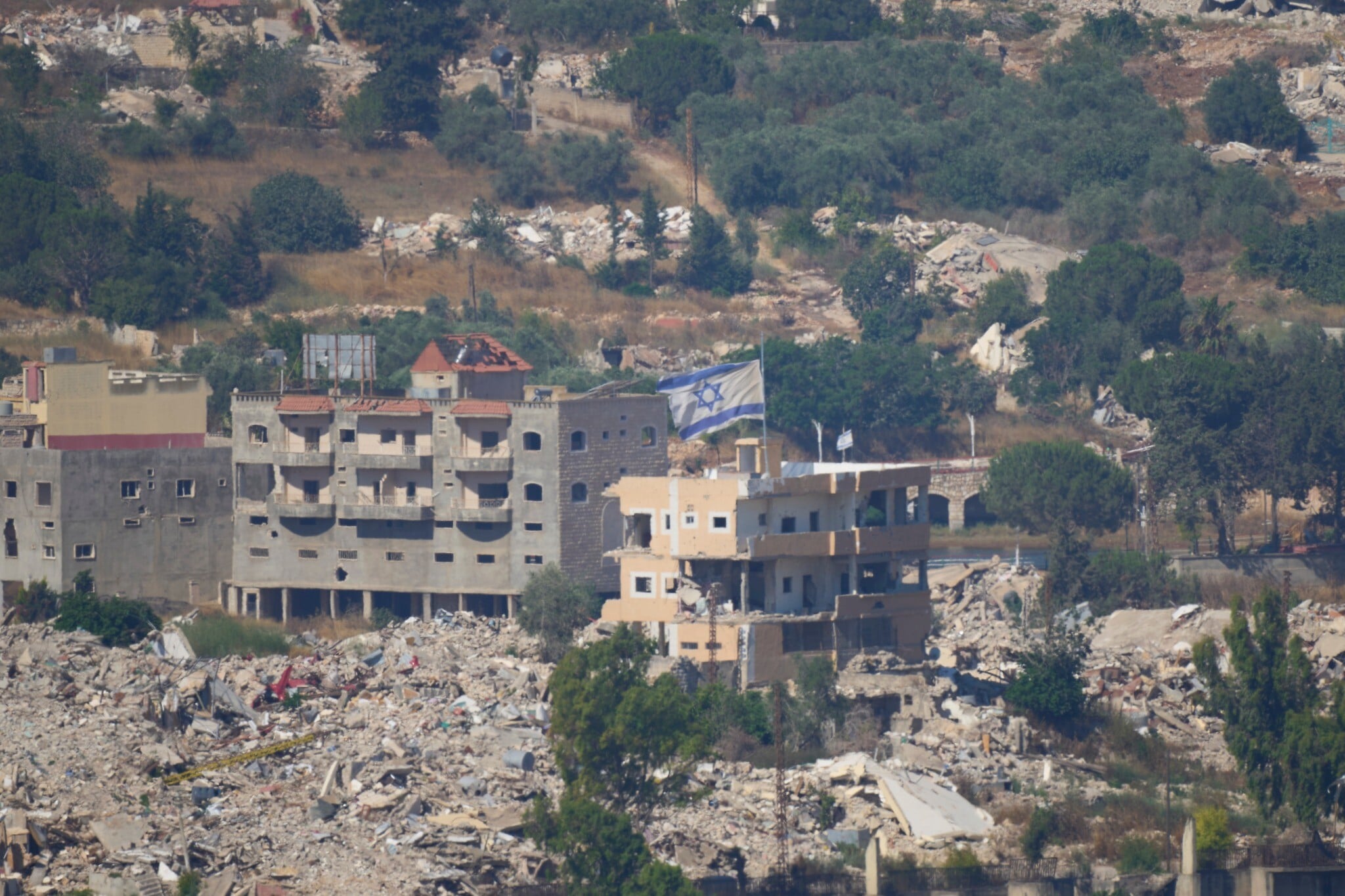
The Times of Israel liveblogged Monday’s events as they unfolded.
IDF says troops stationed in southern Syria fired upon; no injuries reported
Israeli troops stationed in southern Syria came under fire a short while ago, the military says.
No injuries were caused in the incident.
The IDF says that in response, troops returned fire and launched mortars in the area, and a helicopter carried out a strike in an open area.
The IDF has been deployed to nine posts inside southern Syria since the fall of the Bashar al-Assad regime in December 2024. They are mostly within a UN-patrolled buffer zone on the border between the countries.
Putin says US negotiators expected in Moscow once US less busy with Iran talks
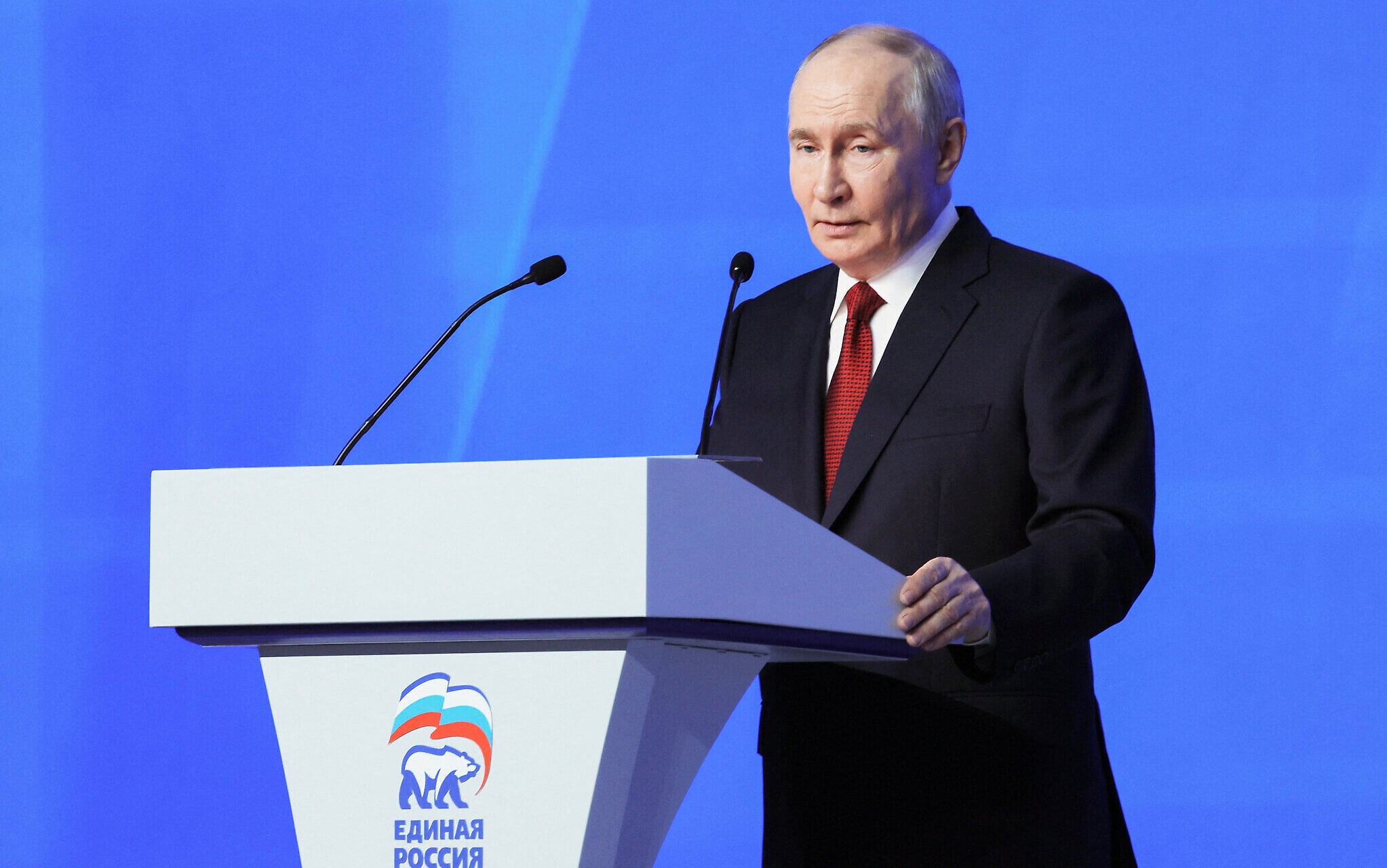
In this pool photograph distributed by Russian state agency Sputnik, Russia's Vladimir Putin addresses the audience at the 23rd Congress of the United Russia party in Moscow on June 28, 2026. (Yekaterina Shtukina/Pool/AFP)
Russian President Vladimir Putin says he is expecting a team of US negotiators to come to Moscow, once Washington has reached an agreement with Iran over the Middle East conflict.
“We are ready to continue negotiations and ready to continue negotiations and discuss all the details,” Putin says in an interview with Russian journalist Pavel Zarubin, cited by Russian news agencies, which Zarubin also publishes on the Telegram platform.
Hezbollah-allied Lebanese parliament speaker says deal with Israel ‘will not pass’
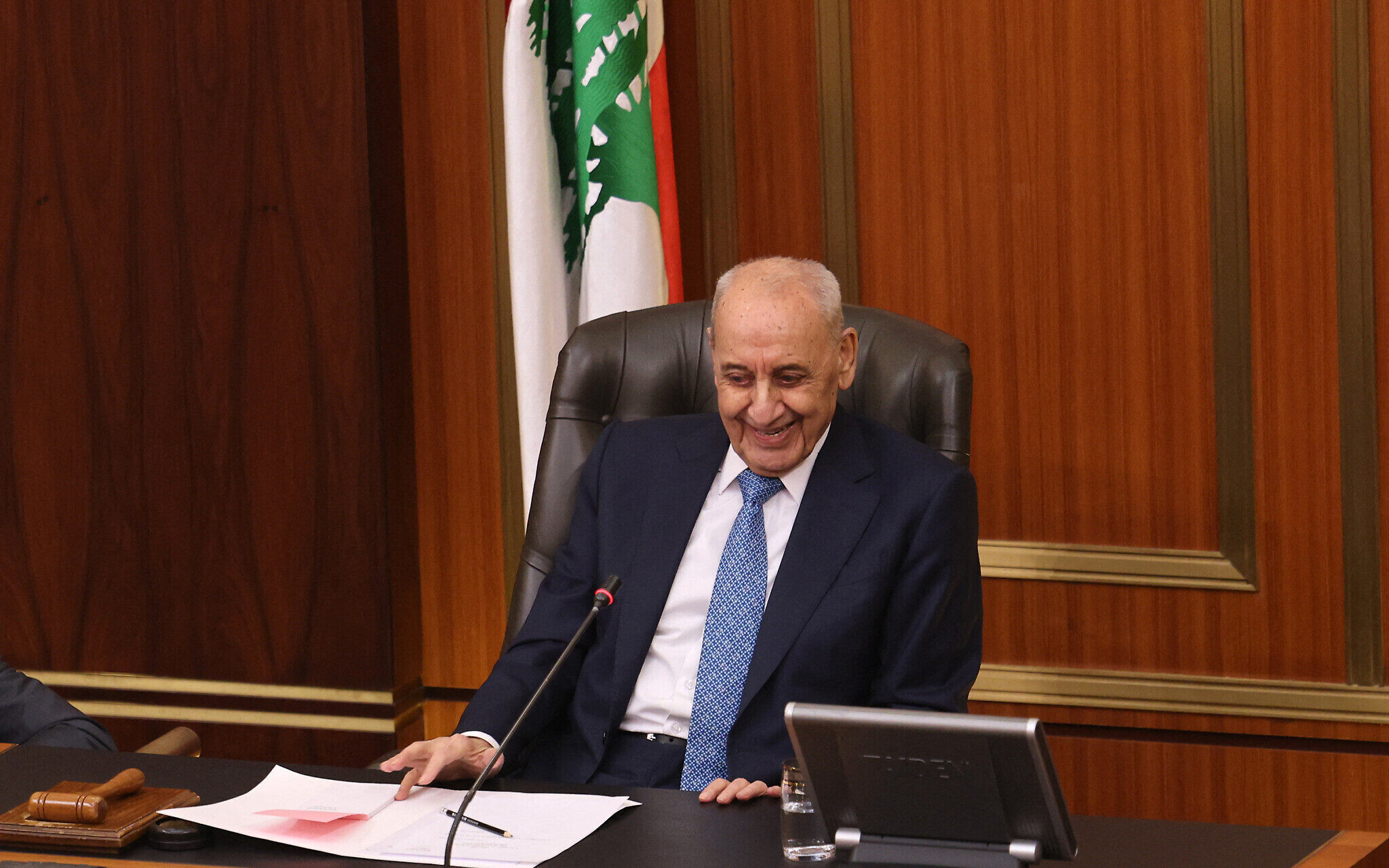
Lebanon's Parliament Speaker Nabih Berri chairs a parliamentary session to elect a president, in Beirut, January 9, 2025. (Anwar Amro / AFP)
Lebanese Parliament Speaker and Hezbollah ally Nabih Berri says that the trilateral framework agreement between Lebanon, Israel and the United States will not pass as it doesn’t guarantee Lebanon’s rights.
“This agreement will not pass, and it will not be implemented in its current form,” Berri says in a statement shared by his party the Amal movement, adding that it was “an agreement of ‘dictates,’ not an agreement that preserves Lebanon’s rights.”
The deal paves the way for Lebanese-Israeli peace and conditions Israeli withdrawal from Lebanon on Hezbollah’s disarmament.
Iran-backed Hezbollah claims ‘right to defend its homeland’ in Lebanon
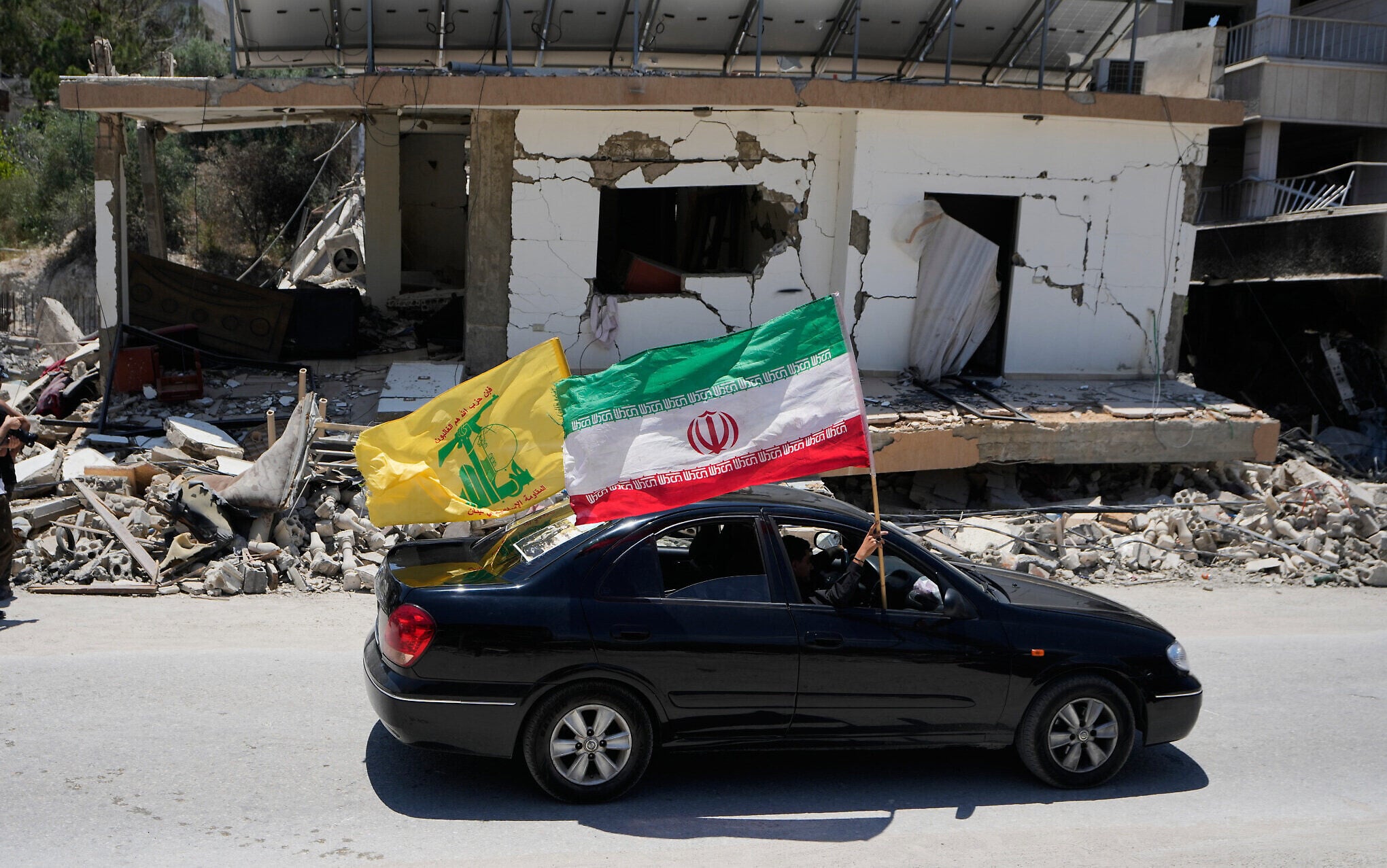
Displaced residents hold an Iranian and a Hezbollah flags as they pass by a destroyed building that was hit in a previous Israeli airstrike in the southern village of Chehabiyeh, Lebanon, June 16, 2026. (AP Photo/ Mohammed Zaatari)
Hezbollah claims it reserves the right to self-defense after several Israeli attacks on southern Lebanon amid a truce and a US-Israel-Lebanon framework to end hostilities.
In a statement, the Iran-backed terrorist group says that it “reiterates that what the enemy has done is a blatant violation of the ceasefire to which it has adhered until now, and that it is monitoring and tracking these violations, and reserves its right to defend its homeland and its people.”
Man killed near Nazareth, in 6th fatality in Arab community since Sunday
A man is gunned down in the Nazareth area early this morning, the sixth person from Israel’s Arab community to be killed over the past day-plus.
The man, 30, is gunned down in his car and paramedics declare him dead on the scene, according to Hebrew reports.
Another man, 50, was seriously injured in a shooting in the central Arab city of Barta’a last night, the Magen David Adom emergency medical service says.
The incidents follow the killings of five people in shootings and a car bombing across Israel on Sunday.
The deaths are attributed to gangland killings and family disputes. Today’s shooting took the Arab community’s toll this year in an ongoing spate of violence to at least 142, according to a watchdog.
Khadijah Farrakhan, wife of Louis Farrakhan, dies at 90

Nation of Islam Minister Louis Farrakhan and his wife, Khadijah, watch as their grandson, Virginia senior Mustapha Farrakhan, is honored with other seniors before Virginia's NCAA college basketball game against North Carolina State in Charlottesville, March 1, 2011. (AP Photo/Steve Helber, File)
Khadijah Farrakhan, wife of longtime Nation of Islam leader Louis Farrakhan, one of the US’s most prominent antisemitic leaders, died Saturday, the Nation of Islam announces. She was 90.
“Mother Khadijah” worked alongside her husband for decades, helping lead their religious and sociopolitical movement, which espouses Black self-reliance. Its home base was Mosque Maryam on the south side of Chicago, where the pair lived.
“The Honorable Minister @LouisFarrakhan with deep sadness yet with profound gratitude to Allah informs you that his beloved wife of 72 years, the first lady of the Nation of Islam, Mother Khadijah has returned to Allah (may Allah be pleased),” a statement by the group’s Shura Executive Council says.
Louis Farrakhan, who has led the Nation of Islam for decades, is known for his antisemitic and homophobic rhetoric. He has praised Adolf Hitler, accused Jews of controlling the US government and railed against what he calls the “Synagogue of Satan.”
His wife’s death came seven months after devotees had marked Khadijah’s 90th birthday. The statement says funeral services are to be announced.
Born Betsy Ross, Khadijah Farrakhan married her husband, then named Louis Walcott, in Boston on September 12, 1953. The two had nine children. Their eldest son, Louis Farrakhan Jr., died in 2018, and son Joshua Farrakhan died in 2023.
Iranian cyberattacks on Israel surged in 2026, cyber chief says

Brig. Gen. (res.) Yossi Karadi, director general of the Israel National Cyber Directorate (INDC) speaks at the 2026 Cybertech conferece in Tel Aviv, Jan. 27, 2026. (Courtesy of Gilad Kavalerchik)
The number of Iranian cyberattacks against Israel has shot up since the launch of the US-Israeli war with Iran this year, Yossi Karadi, director general of the National Cyber Directorate, is quoted as saying.
Karadi tells German newspaper Die Welt that in June 2025, during the first round of war between Israel and Iran, Israel’s authorities registered around 1,600 hostile cyber incidents.
During the same month in 2026, the number jumped to some 4,800 incidents, he tells the paper.
“Some groups are very skilled,” Karadi says, according to the German text of the interview. “We can handle them, but we have to take them seriously. Unlike in the kinetic realm, there’s no ceasefire in cyberspace.”
Karadi says the attacks were directed against systems used by Israel’s critical infrastructure, central organizations, small- to medium-sized companies and the public, citing law practices and accounting firms as among the smaller ones hit.
“So far — and hopefully it stays that way — we’ve managed to fend off attacks on critical infrastructure,” he says.
Companies that were easier to penetrate often ended up having their computer systems wiped, he says, without mentioning any names.
Iran typically denies carrying out hacking campaigns against other countries while reporting attacks on itself.
US and German top diplomats to discuss new burden-sharing arrangement in NATO

German Foreign Minister Johann Wadephul addresses a joint press conference with the Lithuanian foreign minister at the Ministry of Foreign Affairs in Vilnius, Lithuania, January 5, 2026. (Petras Malukas / AFP)
German Foreign Minister Johann Wadephul and his US counterpart, Secretary of State Marco Rubio, will discuss a new burden-sharing arrangement within the NATO alliance at a meeting in Washington this week, Wadephul says.
Wadephul and Rubio will discuss “how we can achieve a new burden-sharing arrangement within the alliance and secure stable, long-term support for Ukraine at next week’s NATO summit in Ankara.”
“Support that will make Moscow realize that it is finally time to end the killing in Ukraine and come to the negotiating table,” Wadephul adds in a statement.
Bondi Beach attack survivor tells Royal Commission of ‘trauma’ of online AI images
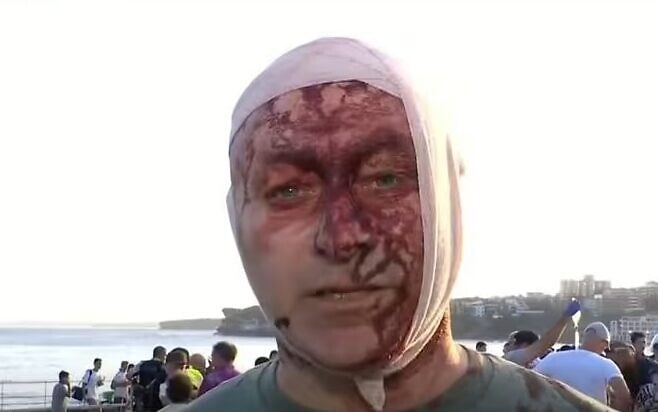
Arsen Ostrovsky, who was with his family at Bondi Beach in Sydney during the deadly December 14, 2025, terror shooting, describes the attack in an Australian TV interview. (Sky News Australia screenshot)
A Jewish lawyer and activist wounded in last year’s antisemitic terror shooting at Australia’s Bondi Beach discovered that AI-generated images depicting him as a “crisis actor” were proliferating online as he was going into surgery, he tells a royal commission inquiry.
Arsen Ostrovsky, a Jewish community leader, says a selfie image he had sent to a friend in the aftermath of the antisemitic attack was quickly distorted by AI online to make it appear as if his injuries had been faked.
His story emerges in hearings of the federal royal commission, the highest level of public inquiry, which was formed after the December 14 attack. During the assault, father and son Sajid and Naveed Akram are accused of opening fire on Jewish families celebrating Hanukkah at the country’s most famous beach, killing 15 people. Public hearings will continue through July.
“It has become increasingly apparent that the online environment and social media platforms in particular are perhaps the most significant factor for the spread of antisemitism,” says assisting counsel Richard Lancaster.
Ostrovsky, head of the Australia/Israel and Jewish Affairs Council in Sydney, says his selfie started “spreading like wildfire” after being posted online by his friend.
The image depicts him lying on the ground with his head bloodied.
But within hours, AI-generated images were created, with one showing him laughing as a make-up artist touched up the blood on his face.
Social media users said the image was of a crisis actor, someone supposedly hired to secretly stage deadly events to advance political agendas — a persistent narrative among conspiracy theorists.
Ostrovsky says he discovered the disinformation spreading while he was in the hospital two days after the attack.
“I was literally being prepped to go into surgery when I first found out online that was happening,” he says.
Ostrovsky says other deepfake images appeared to show him in the hospital with his bandages removed, or holding an Academy Award trophy, many of which are still online today.
Ostrovsky describes “a relentless tsunami of Jew hatred online.”
Meta responded quickly to remove the false content, but Ostrovsky says he had not had a response from X or YouTube.
“The cumulative nature of it is overwhelming… it tries to completely erase my experience and my trauma,” Ostrovsky says.
Times of Israel staff contributed to this report.
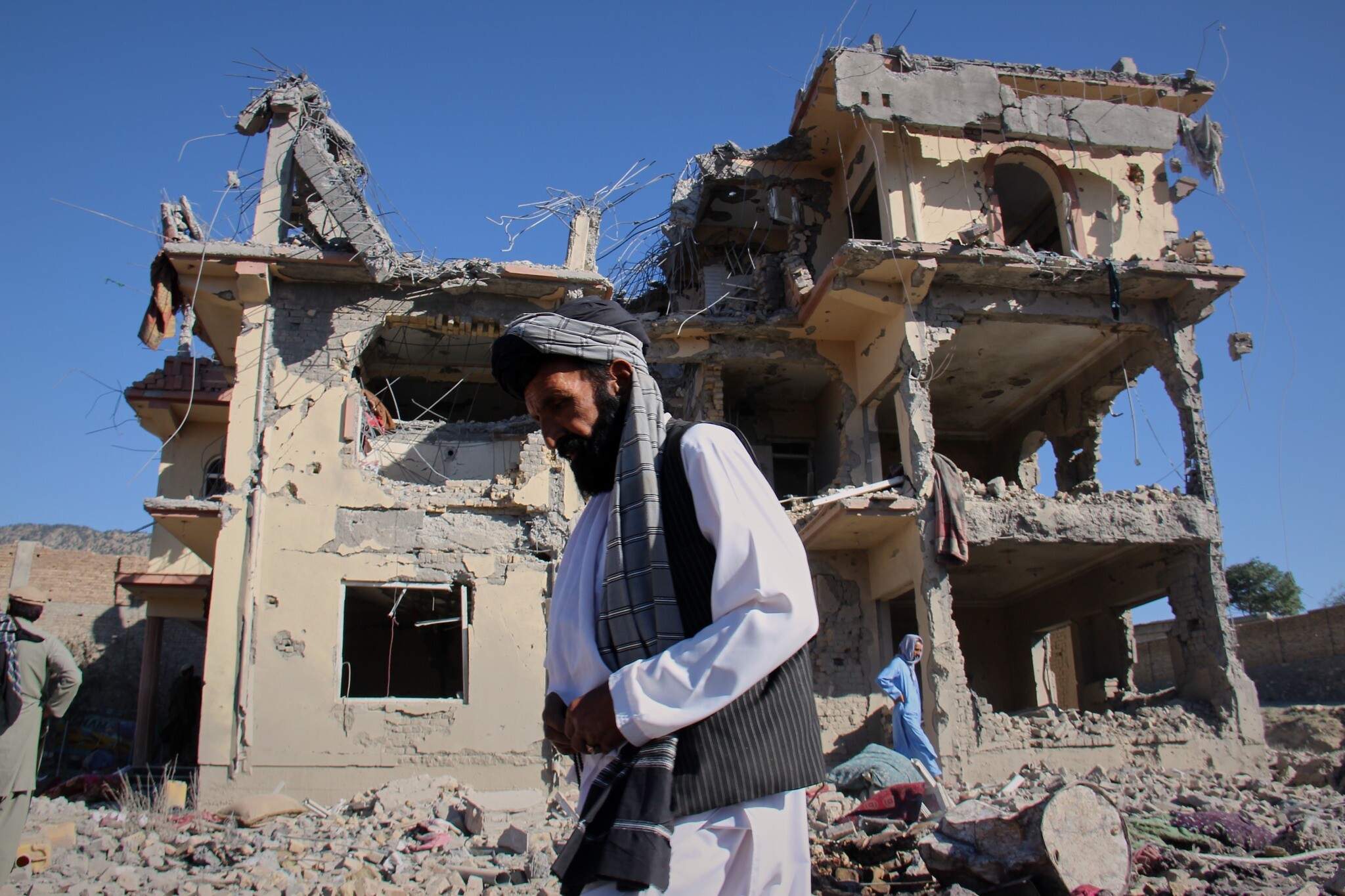
Pakistani strikes kill 36 civilians, wound 163, Afghanistan’s Taliban government says
Pakistani strikes in three eastern provinces of Afghanistan killed 36 civilians and wounded 163, the Taliban government’s deputy spokesman says.
“The attacks carried out last night resulted in the martyrdom of 36 civilians, including women and children, while 163 others sustained injuries,” Hamdullah Fitrat posts on his X account.
IDF strikes 3 Hezbollah command centers in south Lebanon
The Israeli Air Force struck three Hezbollah command centers in the Nabatieh and Mayfadoun areas in southern Lebanon last night, the military says.
The strikes were carried in response to “the continued attacks against our forces operating in the security zone by the Hezbollah terror organization,” the IDF says.
Separately, the IDF says that troops of the Multi-Domain unit destroyed a Hezbollah rocket launcher in southern Lebanon.
לאור הפרת ההסכם ופגיעה בכוחות צה״ל במרחב הביטחוני: צה"ל תקף שלוש מפקדות של ארגון הטרור חיזבאללה בדרום לבנון
חיל האוויר תקף אמש שלוש מפקדות של ארגון הטרור חיזבאללה במרחבים נבטיה ומייפדון שבדרום לבנון.
התקיפות בוצעו בתגובה להמשך הפגיעה בכוחותינו הפועלים במרחב הביטחוני על ידי… pic.twitter.com/zkaY1vjPLN
— צבא ההגנה לישראל (@idfonline) June 29, 2026
Iran, Oman hold first meeting of joint committee on Hormuz, Iranian deputy FM says
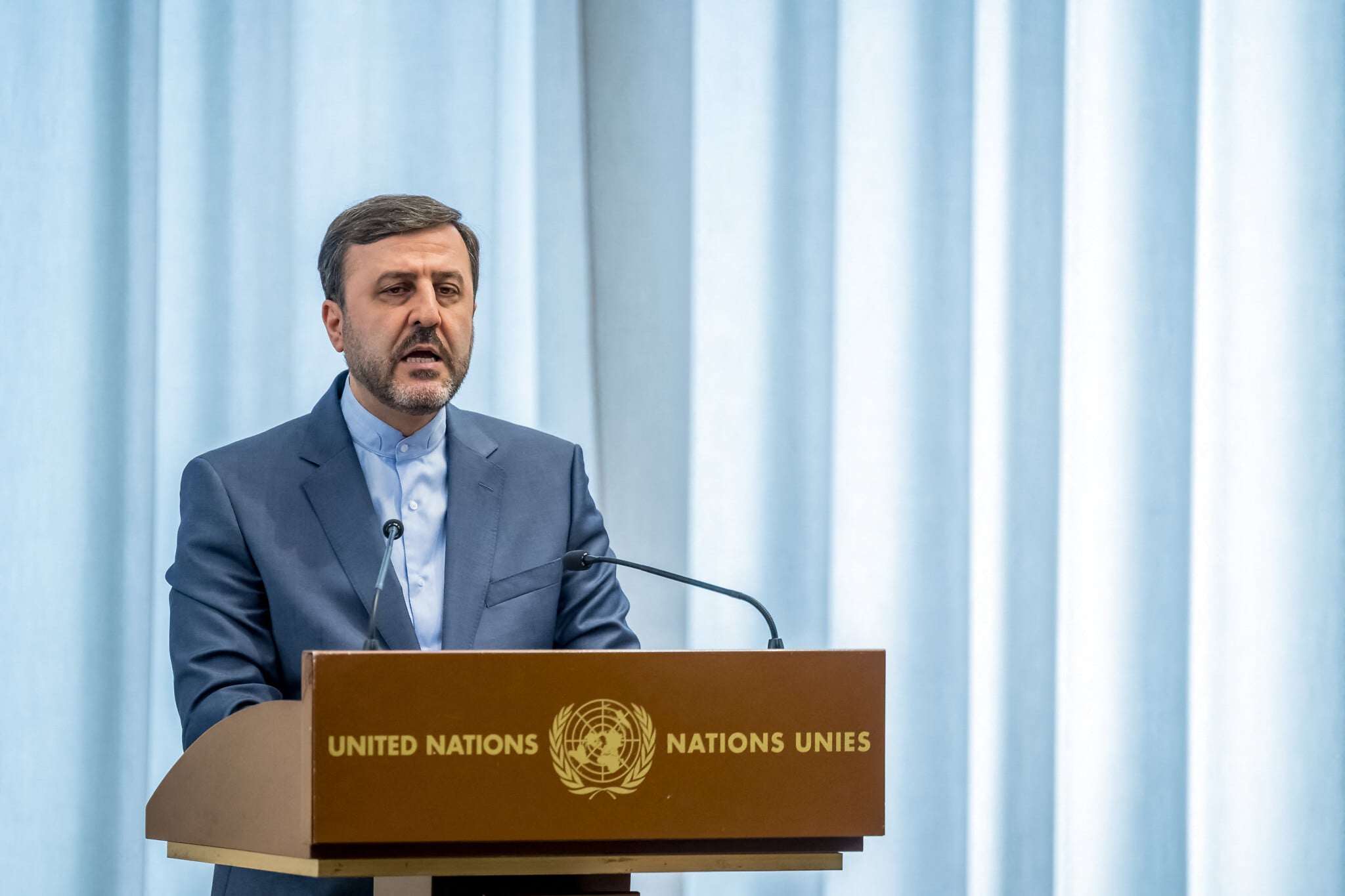
Iran's Deputy Foreign Minister Kazeem Gharibabadi adresses the United Nations Conference on Disarmament in Geneva, on February 23, 2026. (Fabrice COFFRINI / AFP)
Iran and Oman have conducted the first meeting of a joint committee on the Strait of Hormuz in Muscat, an Iranian deputy foreign minister says on X.
Kazem Gharibabadi says they have exchanged views on Gulf coastal states’ sovereign rights as well as on the strait’s future management based on the memorandum of understanding signed this month by Tehran and Washington.
Azerbaijan condemns Israel’s recognition of the Armenian genocide
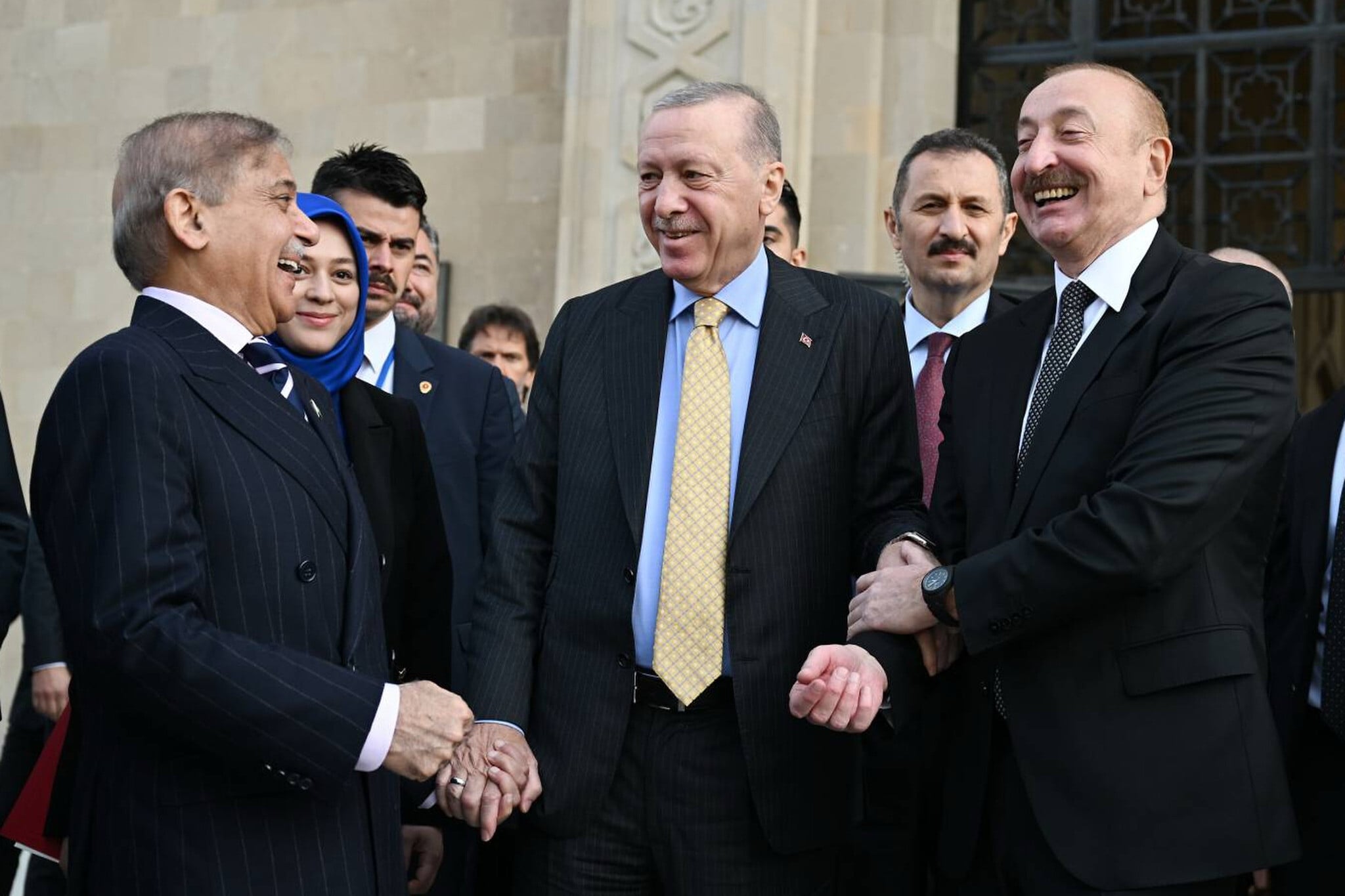
In this photo provided by Azerbaijan's Presidential Press Service, Azebaijan's President Ilham Aliyev, right, Turkey's President Recep Tayyip Erdogan, center, and Pakistan's Prime Minister Muhammad Shehbaz Sharif talk in Baku on Saturday, November 8, 2025. (Azerbaijan's Presidential Press Service via AP)
Azerbaijan condemns Israel’s recognition of the Armenian genocide, calling it a “distortion of the historical facts.”
Israel formally recognized the 1915 Armenian genocide for the first time yesterday amid the collapse in its ties with Turkey.
Turkey denies that the World War I-era atrocities constitute a genocide. Azerbaijan, which has close relations with Israel and has fought multiple rounds of conflict with neighboring Armenia, takes the same position.
“The decision by the Israeli government concerning the so-called ‘Armenian genocide’ is a matter of serious concern,” Baku’s Foreign Ministry says in a statement. “The distortion of the historical facts surrounding the events of 1915, and the reduction of a complex historical issue to a political decision without a sound legal or scholarly basis, are unacceptable.”
The statement adds, “Such actions do not contribute to reconciliation or mutual understanding. Instead, they deepen existing divisions and undermine efforts to achieve lasting peace and stability in the region. We call on the Israeli government to reconsider this decision.”
Reports: Three killed in strike in central Gaza, including 8-year-old
Hamas-affiliated media outlets report that three people were killed in a strike in Deir al-Balah in the central Gaza Strip. According to the reports, the dead include 8-year-old Malek Abu Shawish.
The IDF has not yet commented on the reported strike.
Netanyahu’s lawyer compares PM’s corruption hearings to Eichmann trial
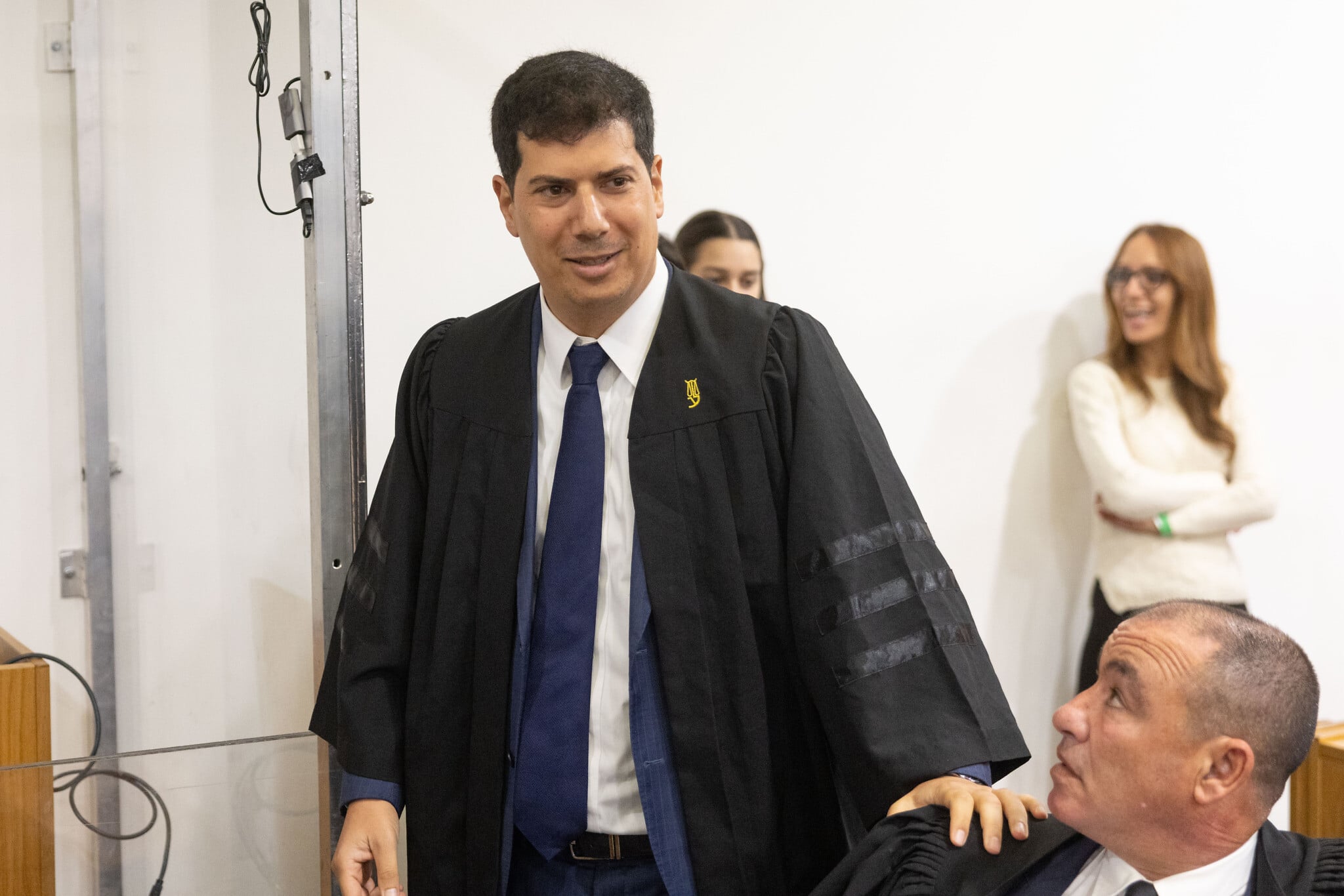
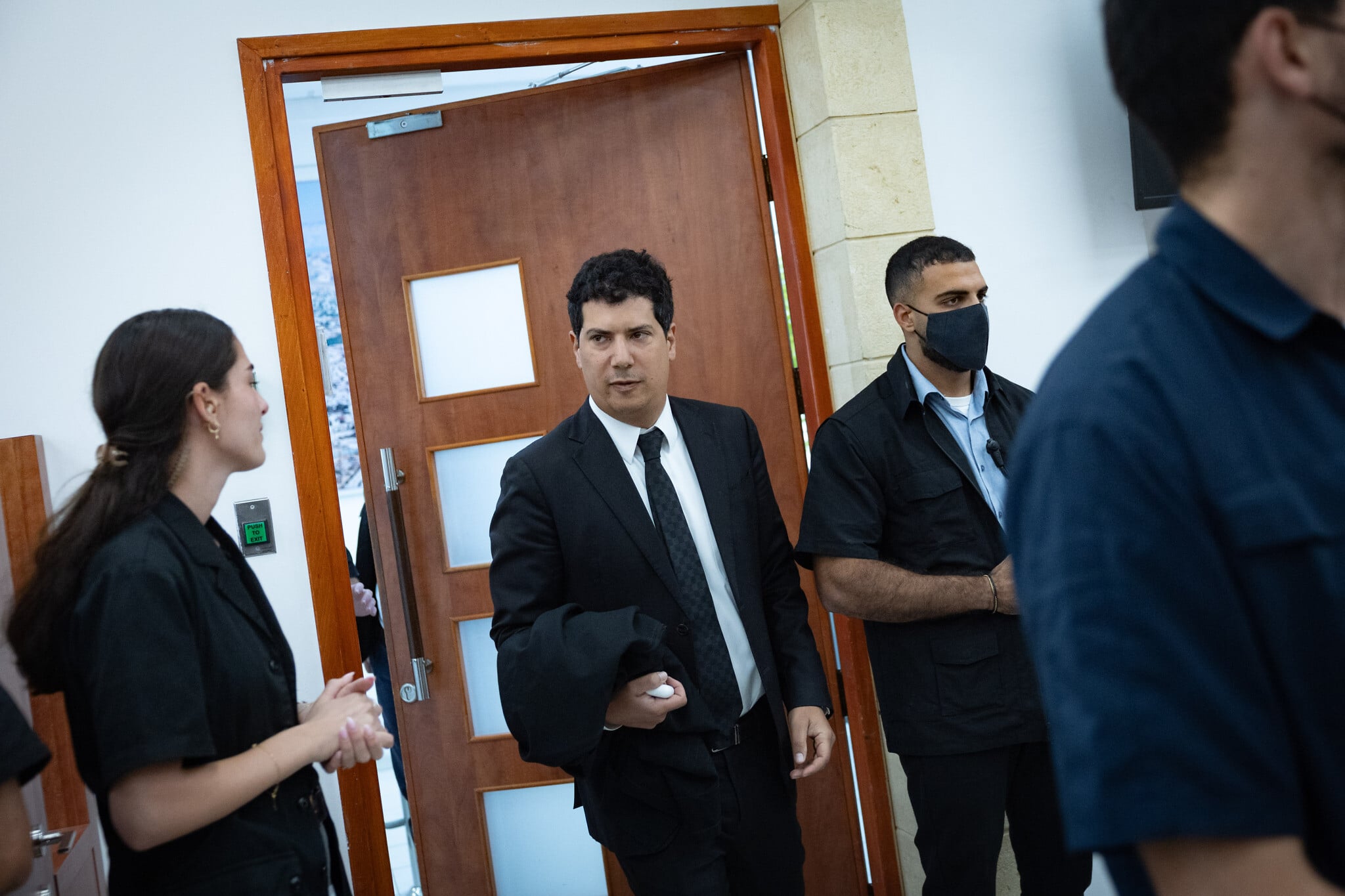
Prime Minister Benjamin Netanyahu's attorney, Amit Hadad, arrives at the Tel Aviv District Court, on December 1, 2025. (Chaim Goldberg/Flash90)
Prime Minister Benjamin Netanyahu’s defense attorney compares the premier’s corruption trial to Israel’s prosecution of notorious Nazi war criminal Adolf Eichmann.
During a hearing in the Jerusalem District Court this morning about holding hearings in the long-running trial five days a week, attorney Amit Hadad suggests the judges are treating Netanyahu in a manner similar to Eichmann, the key architect of the Holocaust who was captured by the Mossad in Argentina in 1960, put on trial in Israel, convicted and executed.
Arguing against the court’s decision to hold Netanyahu’s corruption trial five days each week beginning in October, Hadad insists that “no trial has ever been conducted five days in a week, only the Eichmann trial.”
“I told the prime minister, we are facing dire straits, I have no way to provide proper defense,” he says, as quoted by the Ynet news outlet.
Hadad claims the schedule leaves no time for holidays, family or Netanyahu’s personal life, saying that “it’s impossible to conduct a trial this way.”
The Eichmann trial is the most famous court proceeding in Israel’s history, and the only time Israel has carried out the death penalty thus far.
Islamic Jihad terrorist who invaded on Oct. 7 and took hostages is killed in strike — IDF
A Palestinian Islamic Jihad terrorist who invaded Israel during the October 7, 2023, onslaught and abducted civilians was killed in an Israeli strike in the Gaza Strip yesterday, the Israel Defense Forces and Shin Bet announce.
The Sunday strike in the Strip’s north killed Zaher Abu Salem, a member of Islamic Jihad.
“Abu Salem took part in abducting Israeli civilians from their homes and holding them in captivity,” the military says.
The IDF says that during the Gaza war and recently, Abu Salem attempted to advance attacks on IDF troops and Israeli civilians, and therefore “posed a threat.”
????ELIMINATED: Zaher Brahim Khalil Abu Salem, an Islamic Jihad military operative who infiltrated Israeli territory during the October 7 Massacre.
Abu Salem took part in the abduction of Israeli civilians from their homes & in holding them hostage. Additionally, he attempted to… pic.twitter.com/JIVMpo2rRX
— Israel Defense Forces (@IDF) June 29, 2026
One killed in shooting at site of California World Cup fan zone

Illustration: People watch a public viewing of the World Cup round of 32 soccer match between South Africa and Canada Sunday, June 28, 2026, in San Jose, Calif. (AP/Eugene Hoshiko)
One person was killed and another seriously injured yesterday in a shooting at a popular entertainment spot in San Jose, California, that has been hosting a World Cup “fan zone” screening matches, police say.
There were no World Cup games being screened at the time of the shooting.
“One victim was pronounced deceased on scene. The second victim was transported to a local hospital with life-threatening injuries,” San Jose police say in a post on X. “This incident is being investigated as a homicide. Several surrounding streets are closed in the area.”
The incident occurred at San Pedro Square, one of several places in the San Francisco Bay Area where huge crowds have gathered for lively “watch parties” showing World Cup matches on big screens.
The Bay Area has hosted five World Cup matches so far, with the last game a knockout match on Wednesday between Bosnia and the United States.
A Reuters journalist at the scene saw a heavy police presence, multiple police vehicles and a person on a stretcher partially covered by a white sheet being rushed away from the area by people in uniforms.
The scene is cordoned off and most bars in the area are closed after the incident.
There are several dozen fan zones across the Bay Area.
Iran says $6 billion of its assets in Qatar to be released — state media; US, Iran teams to meet in Doha
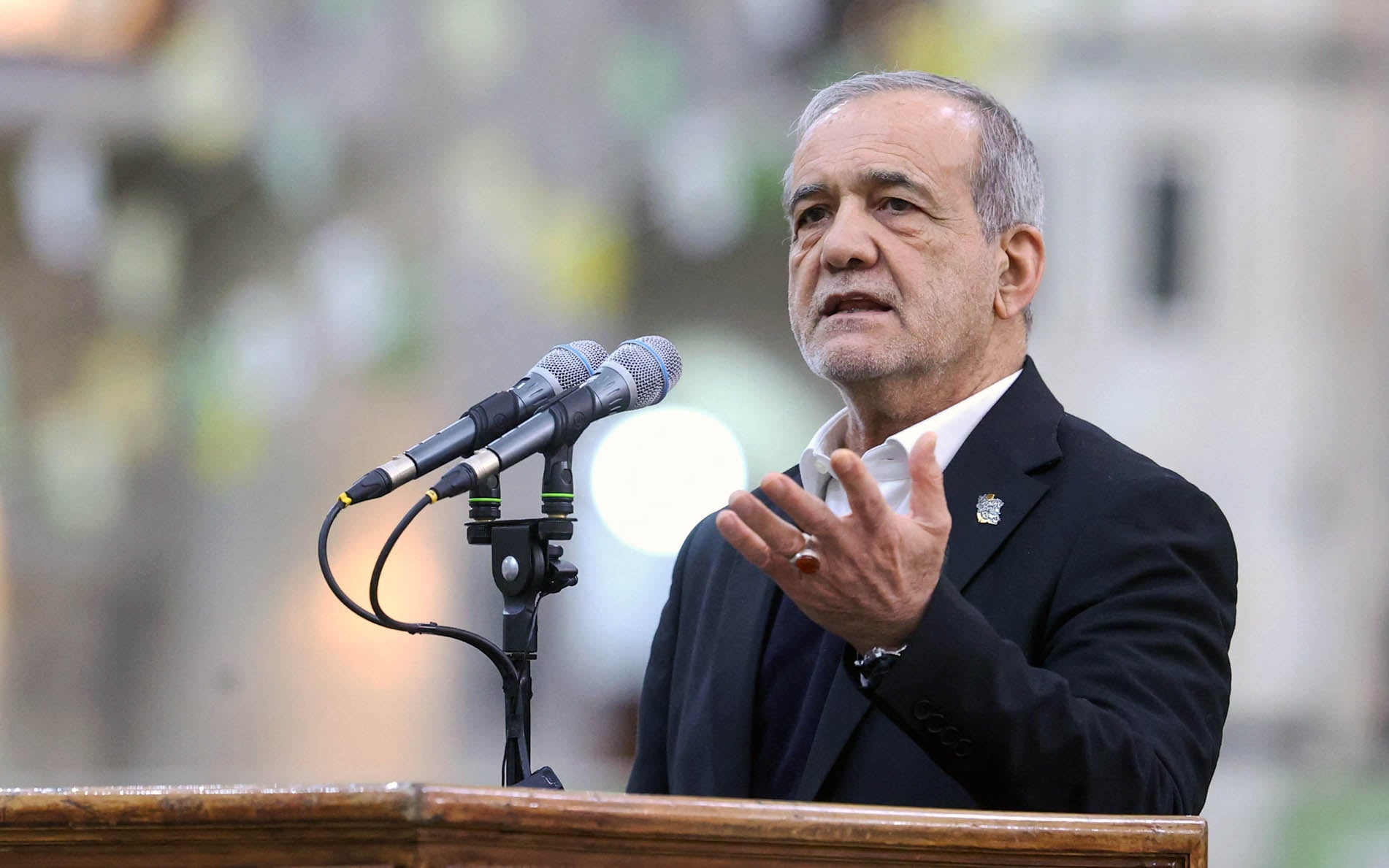
Iran's President Masoud Pezeshkian addresses cabinet members as they visit the tomb of the Islamic Republic's founding supreme leader, Ruhollah Khomeini, in Tehran, Iran, on January 31, 2026. (Handout/Iranian Presidency/AFP)
Iranian President Masoud Pezeshkian says that, after the memorandum of understanding with the United States lifted oil and petrochemical sanctions, $6 billion out of its $12 billion of assets frozen in Qatar will be released and returned to Iran, Iranian state media reports.
Meanwhile, Iranian and US technical teams working on the implementation of the MoU are set to meet in Doha in the coming days, a source with knowledge of the talks tells Reuters.
Mediators have established communications channels to de-escalate any incidents, and technical talks are set to continue, the source adds.
Prosecutor in PM’s trial agrees with defense: 5 hearings a week ‘close to impossible’
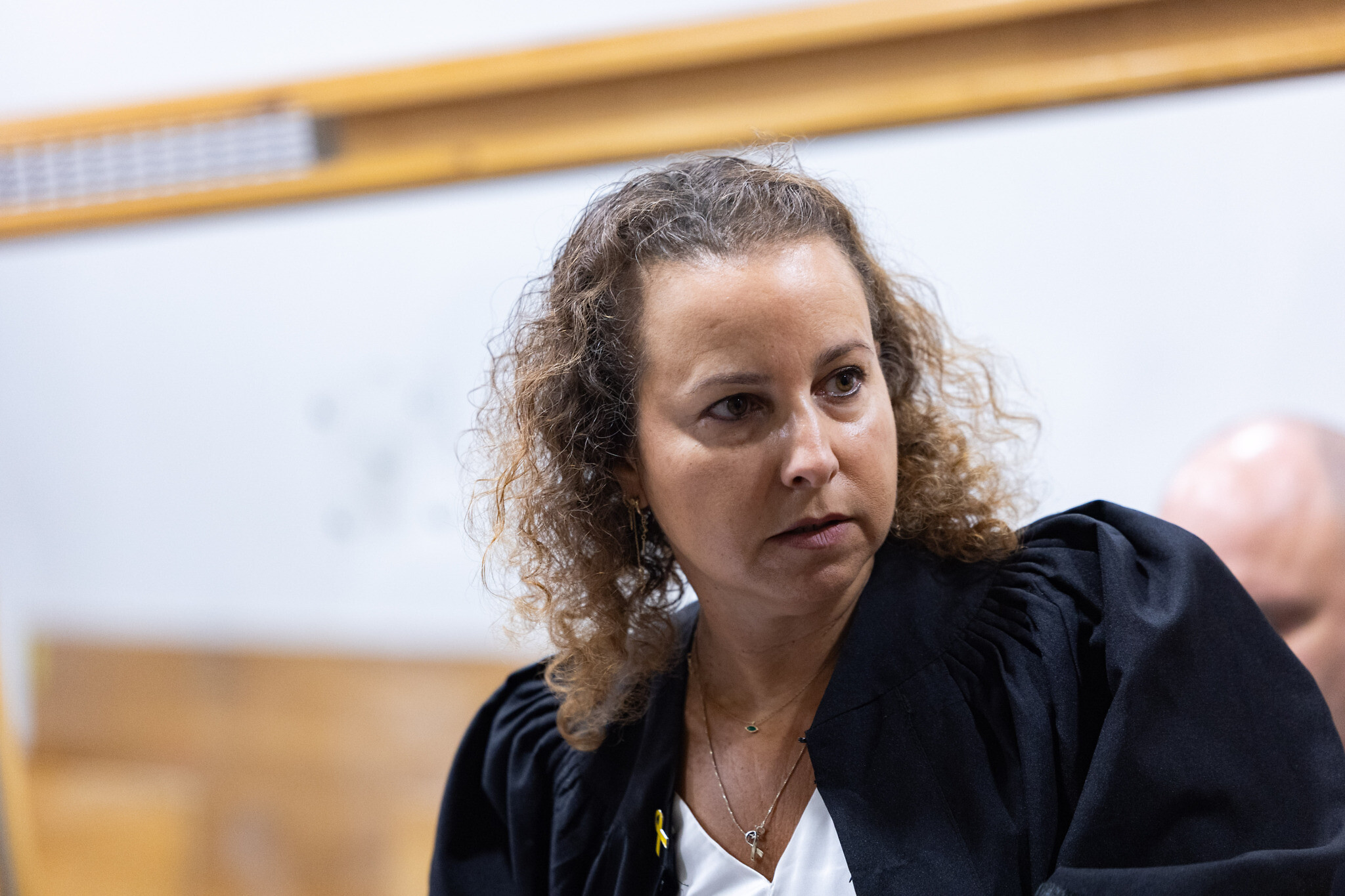
Prosecutor Yehudit Tirosh arrives at the courtroom in the Tel Aviv Distrcit Court before the start of testimony in the trial against Prime Minister Benjamin Netanyahu, December 1, 2025 (Chaim Goldberg/Flash90)
The prosecutor in Prime Minister Benjamin Netanyahu’s corruption trial, Yehudit Tirosh, concurs with his defense attorney Amit Hadad that the judges’ request to hold five hearings a week in the long-running legal affair is unreasonable.
“Five days is a very difficult thing for a prosecution or defense team, close to impossible,” she said, according to the Ynet outlet.
She adds that the trial’s intense schedule of four hearings per week has already forced her to ask her team to violate legal limits on working hours.
Tirosh’s remarks come after Hadad also objected to the proposed five-hearing-per-week timetable. The proposal led the premier’s lawyer to compare the hearings to the trial of notorious Nazi war criminal Adolf Eichmann.
FSB arrests man planning to set fire to a synagogue — Russian media
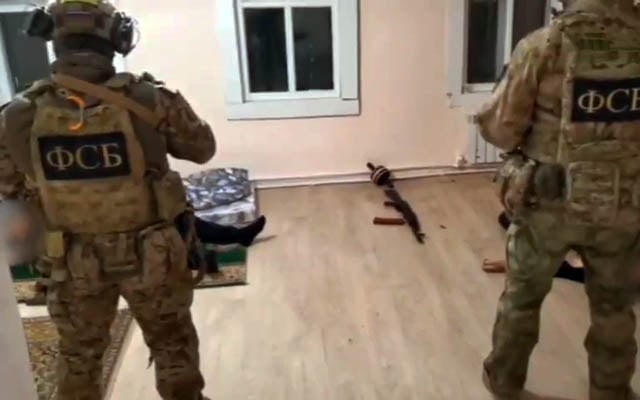
Russian FSB forces stand over Islamic State terrorists killed in a firefight, in Kaluga, Russia, March 7, 2024. (X video screenshot: used in accordance with Clause 27a of the Copyright Law)
Russia’s FSB security service has arrested a man who planned to set fire to a synagogue in Yaroslavl, a city northeast of Moscow, Russia’s Izvestia newspaper reports.
The report says the man was arrested after being pushed to the ground by security forces, and that forces found materials to build a Molotov cocktail in a search of his home.
The outlet claims the man was directed by someone in Syria and is a member of a terrorist group. The article includes a statement from the man, who is not named, confessing to the crime.
IDF chief marks 1,000 days since Oct. 7: We’re at ‘a significant and strategic crossroads’
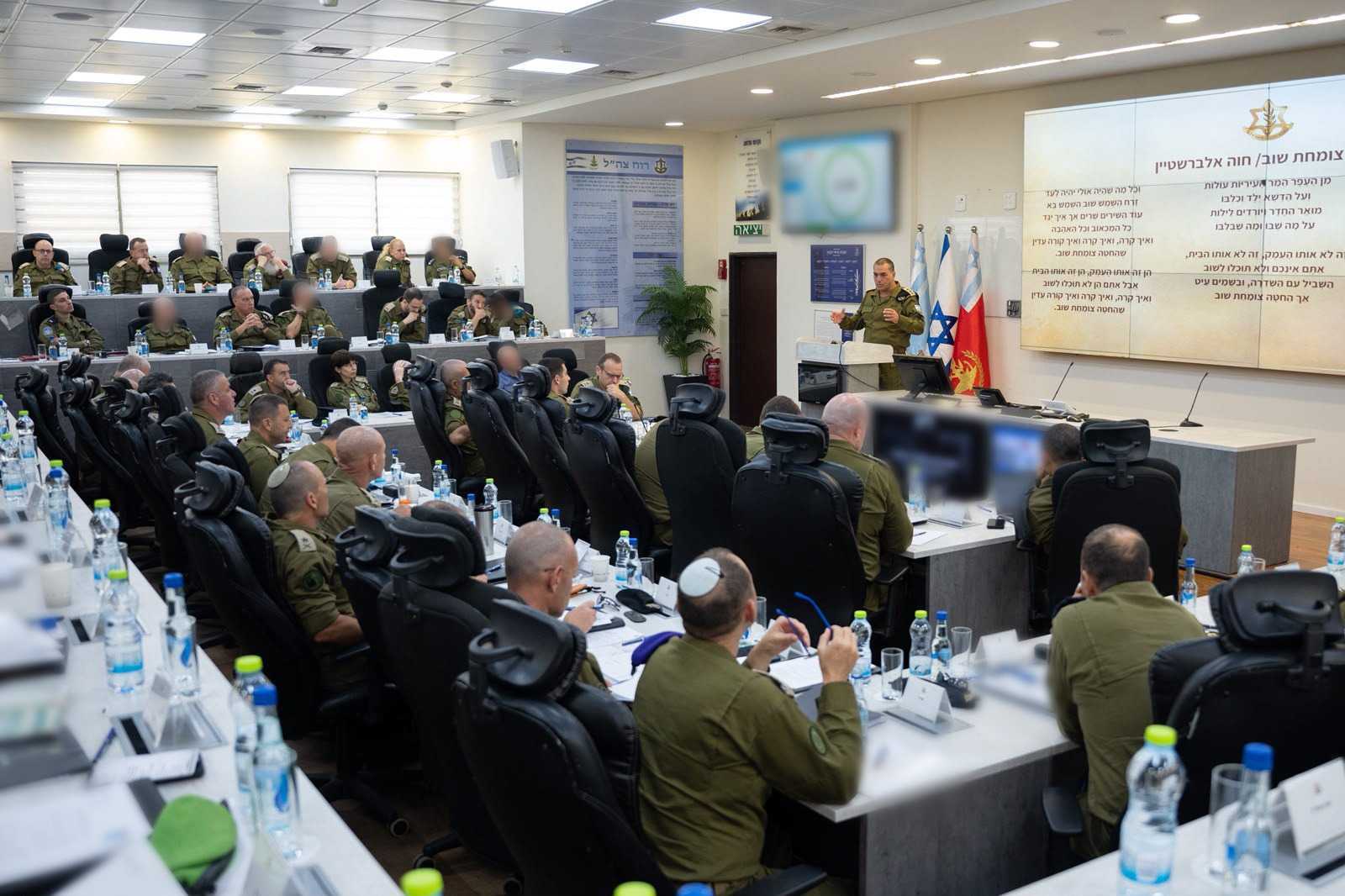
IDF Chief of Staff Lt. Gen. Eyal Zamir holds a strategic assessment, June 29, 2026. (Israel Defense Forces)
Marking 1,000 days of fighting since the October 7, 2023, Hamas-led onslaught, IDF Chief of Staff Lt. Gen. Eyal Zamir says the military finds itself at a “strategic crossroads in the war.”
“Today we are holding a multi-arena operational, intelligence, and strategic assessment, marking 1,000 days of combat. These days, we find ourselves at a significant and strategic crossroads in this war,” he says during an assessment, in remarks published by the military.
“This war has changed methods of warfare, operational concepts, and the way we operate. We remember, we learn, and we prepare for the continuation of the combat and the many challenges that lie ahead,” he adds.
Police chief to convene special meeting on ongoing Arab crime crisis after 6 killed
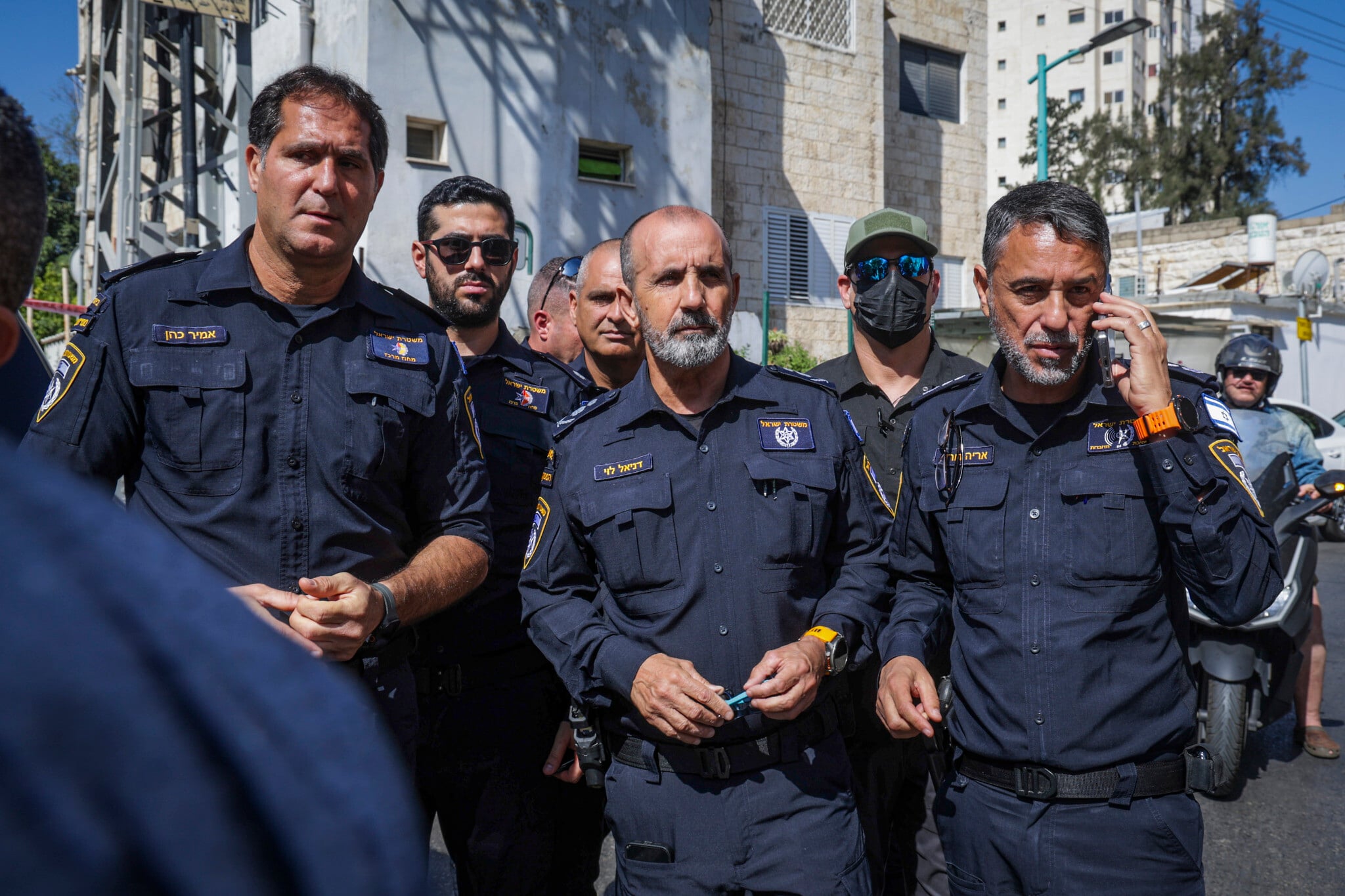
Police chief Danny Levy at the scene of a shooting incident in Ramle, central Israel on May 11, 2026. One woman was killed and several others were injured. (Yossi Aloni/Flash90)
Police commissioner Danny Levy will hold a special meeting this evening on law enforcement’s fight against the ongoing spate of crime plaguing Arab society, after six members of the community were killed over the past two days.
“The chief commissioner will convene a meeting with the participation of the Israel Police’s senior command, in order to examine the ways to strengthen operations against criminal organizations, particularly in Arab society,” police announce in a statement.
This morning, 30-year-old Adnan Rihani was shot and killed in Yafia, near Nazareth, becoming the sixth person to fall victim to homicide since Sunday.
Yesterday, a deadly shooting in Taybeh, two car bombings in the Tel Aviv metropolitan area and a double homicide in Qalansawe left five Arab citizens dead within 24 hours.
This week’s spike in killings comes amid a years-long surge in violent crime among Israel’s Arab minority, which worsened in 2023, when the homicide rate doubled, and reached an all-time peak last year, when 252 Arab Israelis were killed in crime-related incidents.
The Abraham Initiatives, which tracks the homicide rate in Arab society, reports that Rihani’s death brings this year’s toll up to 143 victims, a 12 percent increase year-over-year.
Judges in Netanyahu trial again suggest to prosecution to drop bribery charge
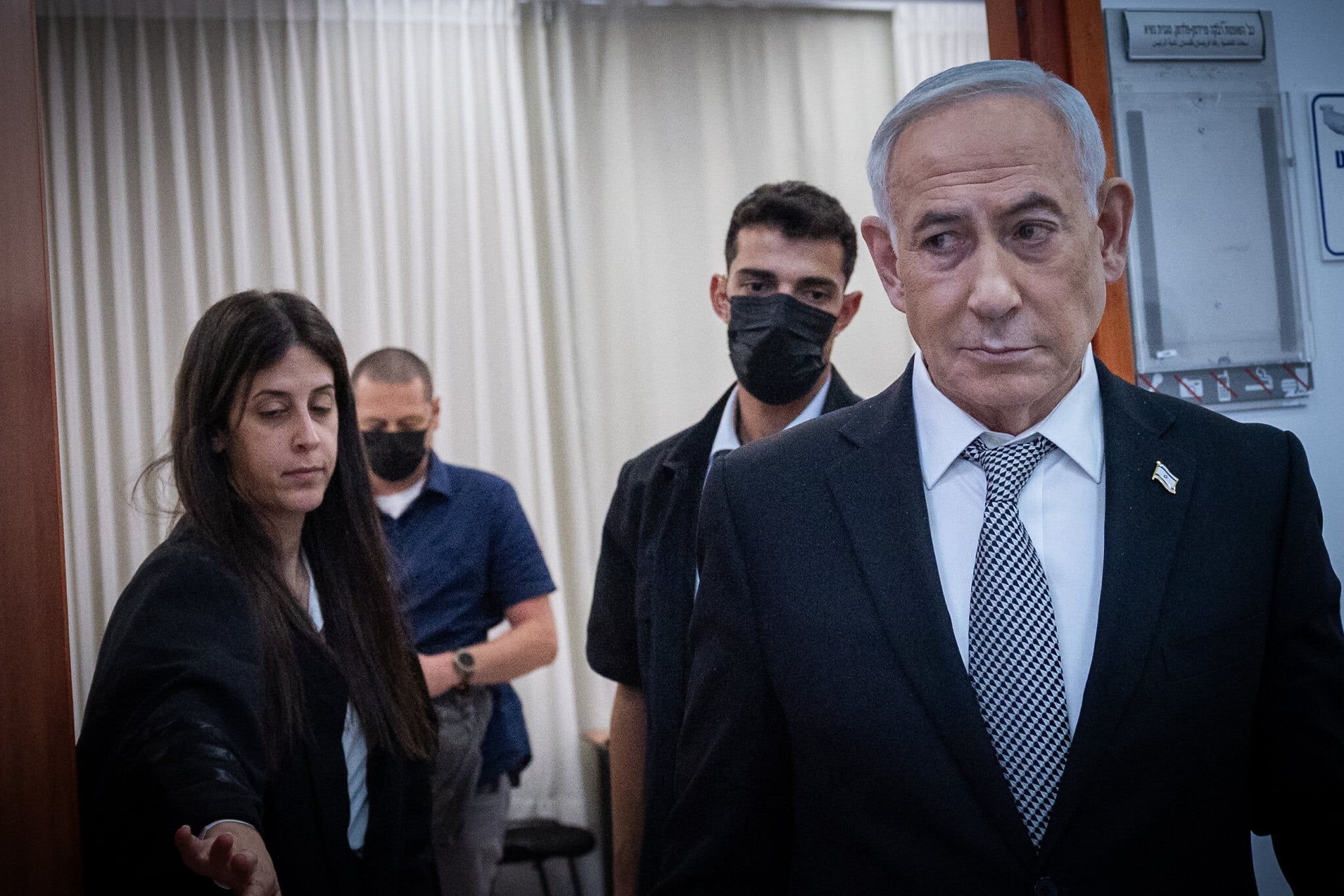
Prime Minister Benjamin Netanyahu seen after a court hearing in his trial, at the Jerusalem District Court on June 29, 2026. (Yonatan Sindel/Flash90)
The panel of judges in Prime Minister Benjamin Netanyahu’s corruption trial suggest that the prosecution drop the charge of bribery, after the premier’s lawyer says that if the charge remains, the trial that began in 2020 will stretch into 2028.
The judges made the same recommendation exactly three years ago, warning that the bribery charge would be difficult to prove. In the years since, the court has heard extensive testimony from Netanyahu on the allegations, but the recommendation has not changed. The premier is also charged with fraud and breach of trust in three cases.
The exchange over the bribery charge came on the same day that the judges proposed holding five hearings a week in the trial, to which both the prosecution and defense objected. The proposal led Netanyahu’s lawyer Amit Hadad to compare the hearings to the trial of Adolf Eichmann.
Hadad also warned that if the bribery charge stays on the docket, the trial will stretch further.
“If the bribery charge continues to accompany us, we’ll have hundreds of witnesses here. We won’t finish until March 2028,” he says, according to Hebrew media reports.
Netanyahu faces a bribery charge only in one of the three cases against him, Case 4000, in which he is also accused of fraud and breach of trust in connection with the relations between the Bezeq telecom firm and the Communications Ministry under Netanyahu.
Known as the Bezeq-Walla case, Case 4000 focuses on allegations that Netanyahu authorized regulatory decisions that financially benefited Bezeq telecommunications giant shareholder Shaul Elovitch to the tune of hundreds of millions of shekels. In return, Netanyahu allegedly received favorable media coverage from the Walla news site owned by Elovitch.
Netanyahu is also on trial for two additional counts of fraud and breach of trust — in Case 1000, which concerns gifts he allegedly inappropriately received from billionaire benefactors, and in Case 2000, in which he allegedly negotiated to obtain positive media coverage in a newspaper in exchange for curtailing its competitors.
Netanyahu, who was at today’s hearing, denies all wrongdoing.
Iran denies that technical meeting with US expected in coming days
Iran’s Foreign Ministry denies reports that Iranian and American technical teams will meet in the coming days to discuss the implementation of the deal between the two countries to end their war.
“No technical meetings of the working groups are planned for this week,” Deputy Foreign Minister Kazem Gharibabadi says, quoted by state TV, referring to the Iranian week, which ends on Friday.
Turkey must be ‘included’ in European security structures, Erdogan says
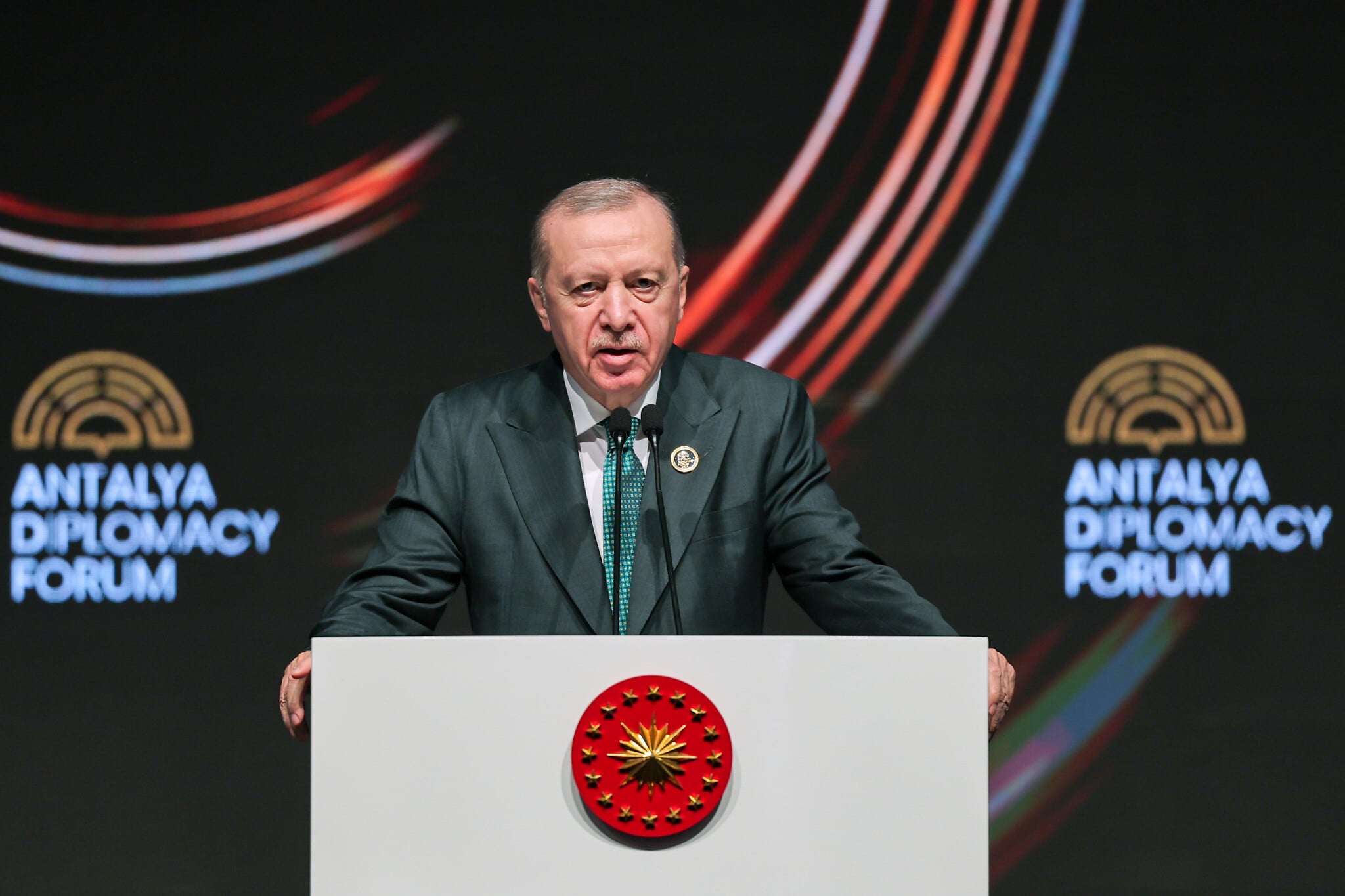
Turkey's President Recep Tayyip Erdogan gives a speech during the Antalya Diplomacy Forum, in Antalya, southern Turkey, April 17, 2026. (Riza Ozel/AP)
Turkey must be included in all of Europe’s defense and security structures, Turkish President Recep Tayyip Erdogan says, a week ahead of a key NATO summit in Ankara.
“As one of the countries with a say in developing the European pillar of the alliance, we want to participate in all defense and security initiatives on the continent,” he tells parliamentary delegates from all 32 NATO member states in Istanbul.
“We expect your support, lawmakers, for Turkey’s inclusion in the defense and security initiatives announced by the European Union.”
Turkey has long sought membership in the EU.
He adds that NATO must remove all obstacles blocking defense industry trade between members of the military alliance.
“If we want to overcome the challenges we face, we need to remove obstacles to defense industry trade while ensuring balanced and fair burden-sharing among allies,” he tells the lawmakers.
Haredi lawmaker Pindrus suggests opposition MK Lazimi be shot for protesting; she files police complaint

MK Yitzhak Pindrus (left) attends a meeting of the Education, Culture and Sports Committee at the Knesset, Jerusalem, June 29, 2026. (Chaim Goldberg/Flash90); MK Naama Lazimi attends a court hearing at the Supreme Court in Jerusalem on petitions seeking to overturn the election of attorney Michael Rabello as State Comptroller, June 18, 2026. (Yonatan Sindel/Flash90)
United Torah Judaism MK Yitzhak Pindrus sparks furor in the Knesset Education Committee after suggesting that an opposition lawmaker be shot for protesting.
Yesh Atid MK Adi Azuz asks Pindrus, who has in the past expressed support for police to open fire on anti-government protesters who block roads, if he is in favor of police taking such action against his own party leader, Yitzhak Goldknopf.
The UTJ chairman led last week’s Haredi anti-draft protest, during which thousands of ultra-Orthodox men blocked Route 1 for several hours, with Goldknopf at the front of the pack in his armored motorcade.
Responding to the question, Pindrus, smiling, says: “Start with Naama Lazimi,” a reference to the Democrats MK.
Lazimi is a prominent figure among the anti-government protest movement, and has participated in multiple protests blocking roads. She has also been physically roughed up and verbally accosted by police at a number of protests, which she has said amounts to assault and is part of a larger police effort to suppress democracy.
Lazimi responds on X that Pindrus’s comments are a “full-on endorsement of bloodshed.” She files a police complaint against him, according to Hebrew media.
“I no longer have words to describe what they’ve done to the Knesset,” she writes. “Let me be clear, this is just the preview of what is to come and it’s on us to kick them out of our lives and rebuild a normal society.”
“You won’t scare me and you won’t threaten me,” she adds.
Strong aftershock felt in Caracas, days after devastating quakes
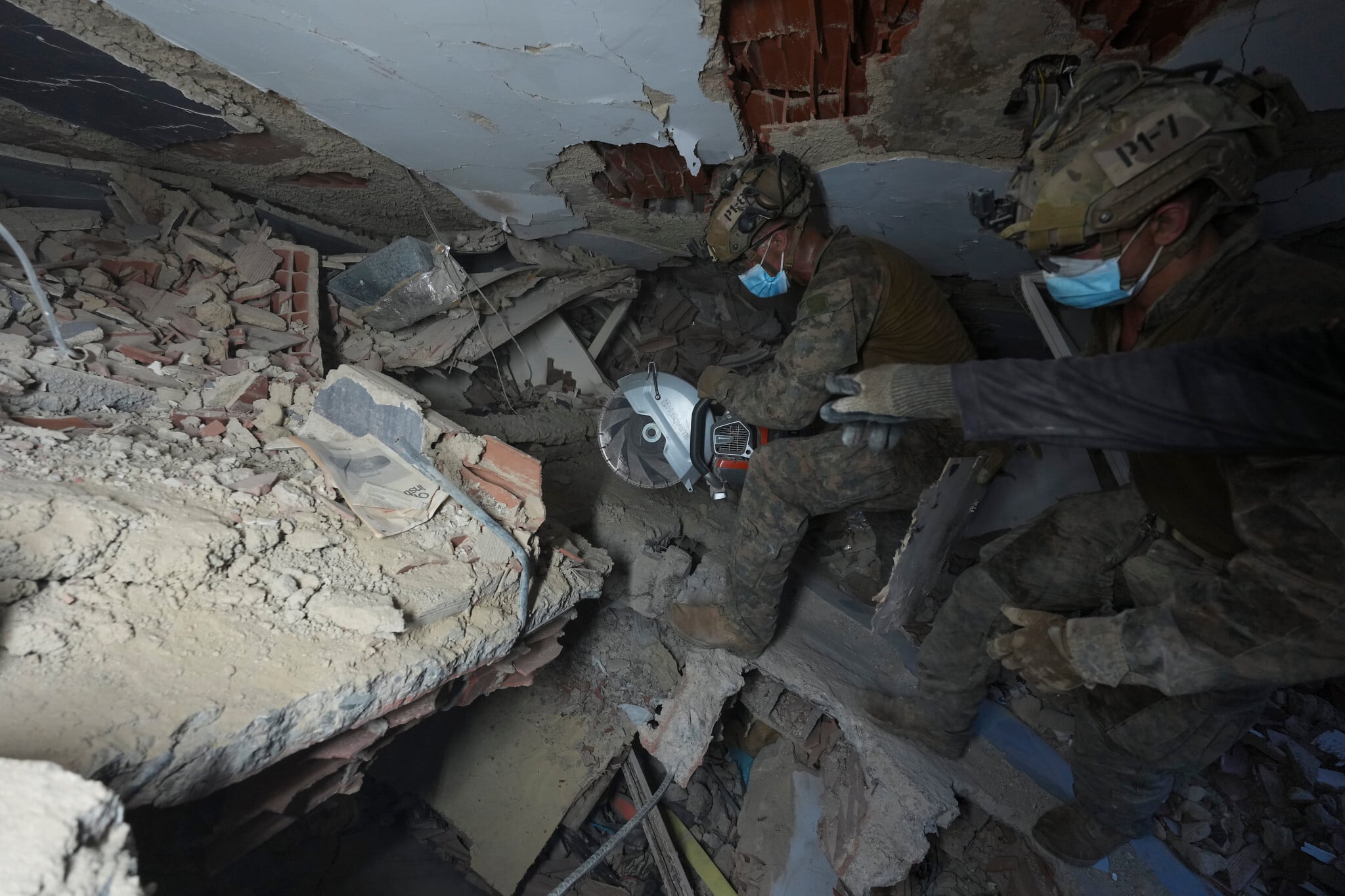
Rescuers make their way through the rubble in search of earthquake survivors in La Guaira, Venezuela, June 28, 2026. (AP/Matias Delacroix)
A strong aftershock strikes Caracas and La Guaira, AFP journalists report, nearly five days after the double earthquake that has already claimed at least 1,450 lives.
The aftershock is felt shortly after 7 a.m. (2 p.m. Israel time), as the search continues for survivors of last Wednesday’s quakes that rocked northern Venezuela, and with fears for the safety of hundreds of buildings weakened by the tremors.
No damage is immediately reported from the aftershock.
Herzog urges Europe to reject sanctions on Israel during Romania visit

President Isaac Herzog meets with his Romanian counterpart, Nicusor Dan, in Bucharest on June 29, 2026. (Kobi Gideon/GPO)
President Isaac Herzog meets his Romanian counterpart Nicusor Dan in Bucharest during a state visit to Romania, according to a readout from his office.
Amid mounting criticism of Israel from European Union member states, Herzog urges “those in Europe calling for boycotts and sanctions on Israel… to reverse course,” in joint statements following the meeting, saying, “threats will not advance peace. Dialogue will. Speak with Israel, engage with Israel, and let us move toward peace together.”
In a private and then an expanded meeting, the two leaders “discussed deepening bilateral cooperation across a range of fields, including technology, innovation, cyber, artificial intelligence, security, agriculture, culture, and tourism, alongside regional and international developments,” according to the readout.
In his remarks, Herzog hails the recently signed Israel-Lebanon framework agreement and urges European Union states to support it, saying, “We seek peace with Lebanon, free from Iranian extortion, and I welcome the MOU signed on Friday between Israel and Lebanon, which can become the cornerstone of such a peace. The EU and the international community must support it, as well as help Lebanon to recover its economy and its stability, and support Israel’s security.”
Dan notes “consistent cooperation” between the countries in the economic, security, defense, agriculture, and information technology fields, saying “there is great potential to develop these economic relations in both directions, Israeli investment in Romania and Romanian investment in Israel, and we will continue to work together to grow these economic exchanges.”
Herzog is set to address a joint plenary session of the Romanian Parliament at 5 p.m. Israel time.
Trump: ‘Iran has requested a meeting. It will take place tomorrow in Doha!’
US President Donald Trump posts on Truth Social, “Iran has requested a meeting. It will take place tomorrow in Doha!”
The post comes amid conflicting reports on whether US and Iranian technical teams will meet in the coming days to continue negotiations toward a final accord, and follows an exchange of fire surrounding the Strait of Hormuz.
Five people dead in shooting in northern Germany, police say
Five people are dead after a shooting in the northern German town of Stade, and a male suspect has been detained, police say.
The motive is currently unclear, they add.
Senior Hamas operative killed in Gaza strike last week, IDF says
The chief of Hamas’s “military security” in the terror group’s Rafah Brigade was killed in an Israeli strike in the Gaza Strip last week, the IDF and Shin Bet announce.
Ismail Masri, who was targeted on Tuesday, is described by the military as a “senior figure” in Hamas’s Rafah Brigade, and he was “responsible for advancing activities intended to harm the IDF’s freedom of action in the Gaza Strip.”
“During the war, Masri coordinated the fields of security and counterintelligence in the Rafah Brigade and engaged in attempts to rehabilitate and strengthen military security, to harm our forces,” the IDF adds.
Hormuz traffic drops after Saturday strike on vessel

Residents swim in the waters of the Strait of Hormuz as a small motorboat passes cargo ships and other commercial vessels offshore near Bandar Abbas, Iran, June 17, 2026. (Amirhosein Khorgooi/ISNA via AP)
Strait of Hormuz traffic slowed over the weekend after a vessel was struck while transiting the waterway on Saturday, and a fresh exchange of strikes between the United States and Iran strained their preliminary deal to end the conflict.
In total, 29 commodity vessels crossed on Saturday and 12 transited on Sunday, according to data from the maritime tracking firm Kpler.
Sunday’s figures mark a sharp decline from last week, when a memorandum of understanding signed by Tehran and Washington on June 15 boosted traffic through the strait to its highest level since the start of the US-Israeli war with the Islamic Republic, reaching 70 crossings on Wednesday, according to Kpler.
Despite Iran’s warning against using unapproved shipping lanes, vessels continued to take several routes through the waterway over the weekend.
The website tracks only vessels with active transponders, meaning additional ships may have crossed with their signals switched off.
More ships entered the Gulf over the weekend than departed, reversing a trend seen over the previous week, when efforts focused on evacuating seafarers stranded in the Gulf.
A UN-led operation to evacuate 11,000 seafarers was suspended on Thursday after a vessel was struck in the Gulf of Oman.
Four tankers and a container ship used the southern Omani corridor to enter the Gulf yesterday, escorted by US Navy vessels, according to a post on X by HFI Research.
No vessels used that corridor to exit the Gulf yesterday, according to Kpler.
Total figures may rise further as crossings are identified retrospectively, notably through satellite imagery.
20-year-old injured after being stabbed in Netanya
A young man is injured after being stabbed in Netanya this afternoon.
The victim, who sustained moderate injuries, is around 20 years old. Magen David Adom medics are taking him to Laniado Hospital with several stab wounds.
Police have not yet commented on the incident.
Witkoff, Kushner to attend meeting with Iran, White House says
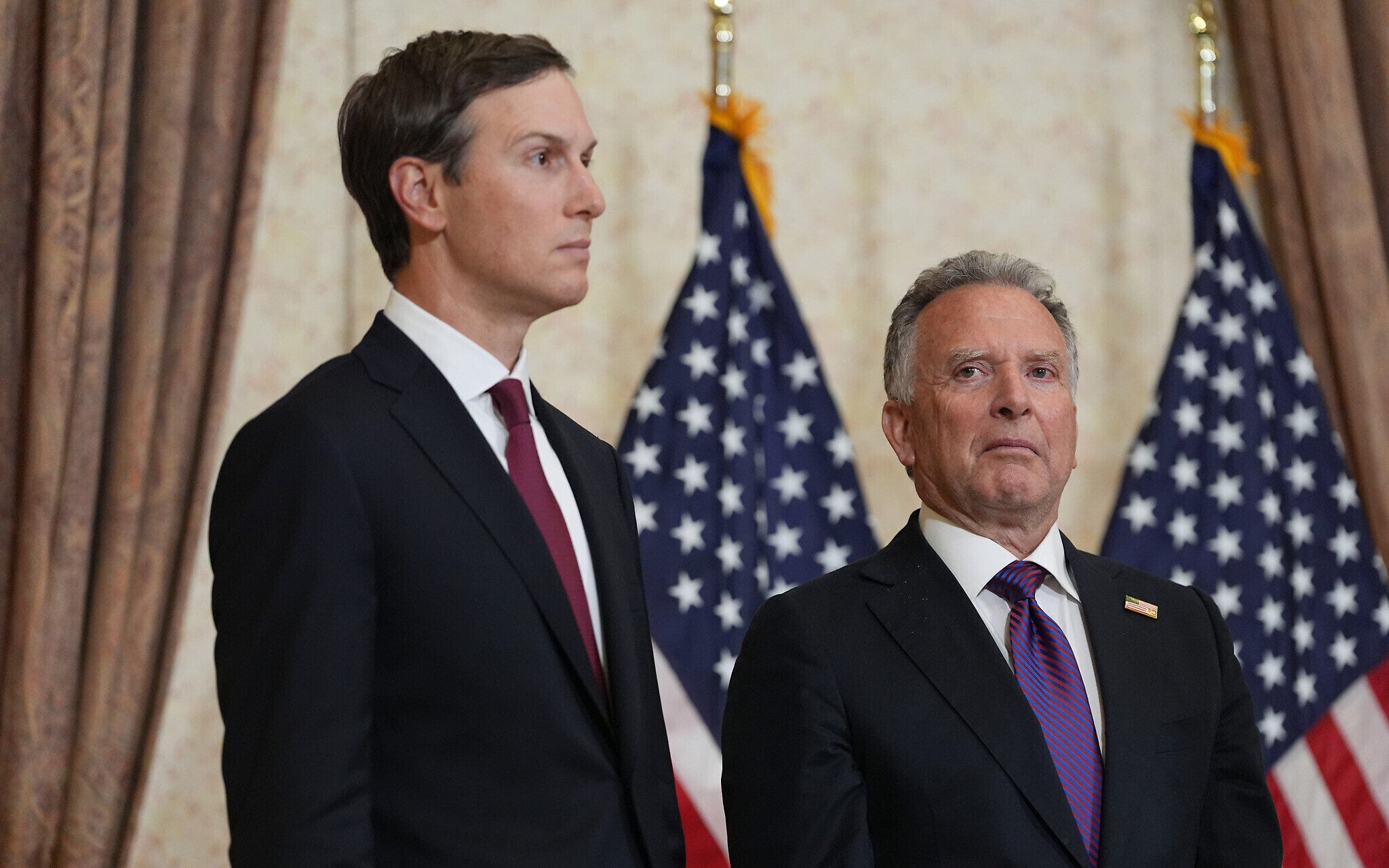
White House envoys Jared Kushner, left, and Steve Witkoff, listen as US Vice President JD Vance (not in picture) speaks during a news conference after meeting with representatives from Pakistan and Iran, in Islamabad, Pakistan, April 12, 2026. (AP/Jacquelyn Martin, Pool)
US President Donald Trump’s envoys Steve Witkoff and Jared Kushner will attend an expected meeting with Iran in Doha tomorrow, White House spokeswoman Karoline Leavitt says.
“Special Envoy Witkoff and Jared Kushner will be flying to Doha for high-level meetings this week, as we continue to discuss the memorandum of understanding. On the sidelines of those high-level talks, there will be the technical talks,” she says in an interview with Fox News.
US CENTCOM chief meets head of Lebanese military to discuss Israel deal
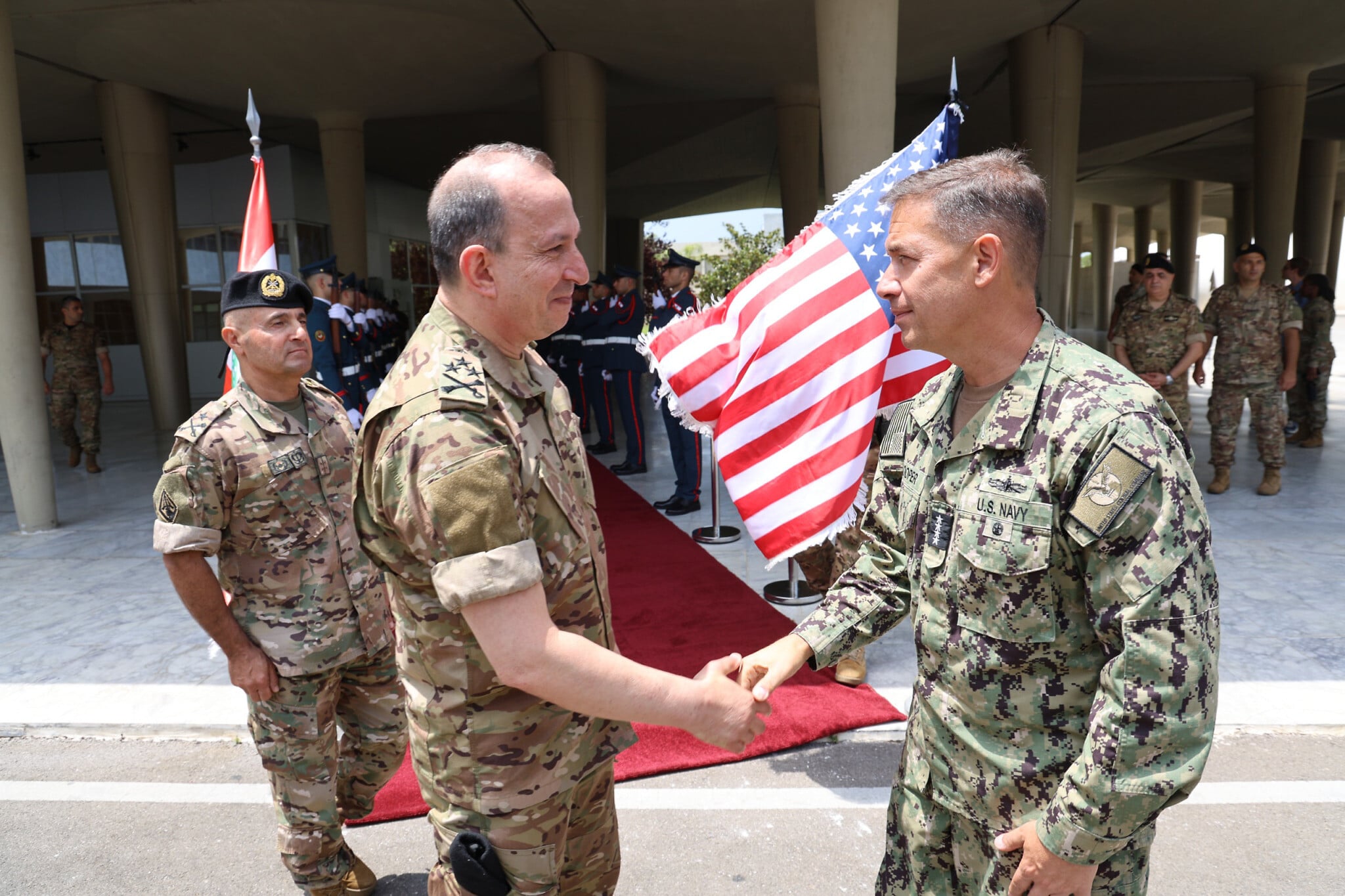
US Central Command chief Adm. Brad Cooper (right) and Commander of the Lebanese Armed Forces Gen. Rodolphe Haykal, meet in Beirut, June 29, 2026. (Lebanese Armed Forces)
US Central Command chief Adm. Brad Cooper met with Lebanon military chief Gen. Rodolphe Haykal in Beirut today, following the signing of the Israel-Lebanon framework agreement last week.
A statement published by the Lebanese Armed Forces says Haykal and Cooper discussed “the latest developments in Lebanon and the region, the importance of ensuring the success of the mechanism for implementing the security annex to the framework agreement, as well as ways to strengthen cooperation in the future.”
“Haykal expressed his gratitude for the US support, stressing the need to continue cooperation between the two armies in a way that preserves Lebanon’s security and stability,” the LAF adds.
There is no immediate readout from CENTCOM on the meeting.
Tel Aviv police chief warns of ‘national emergency’ amid Arab killings
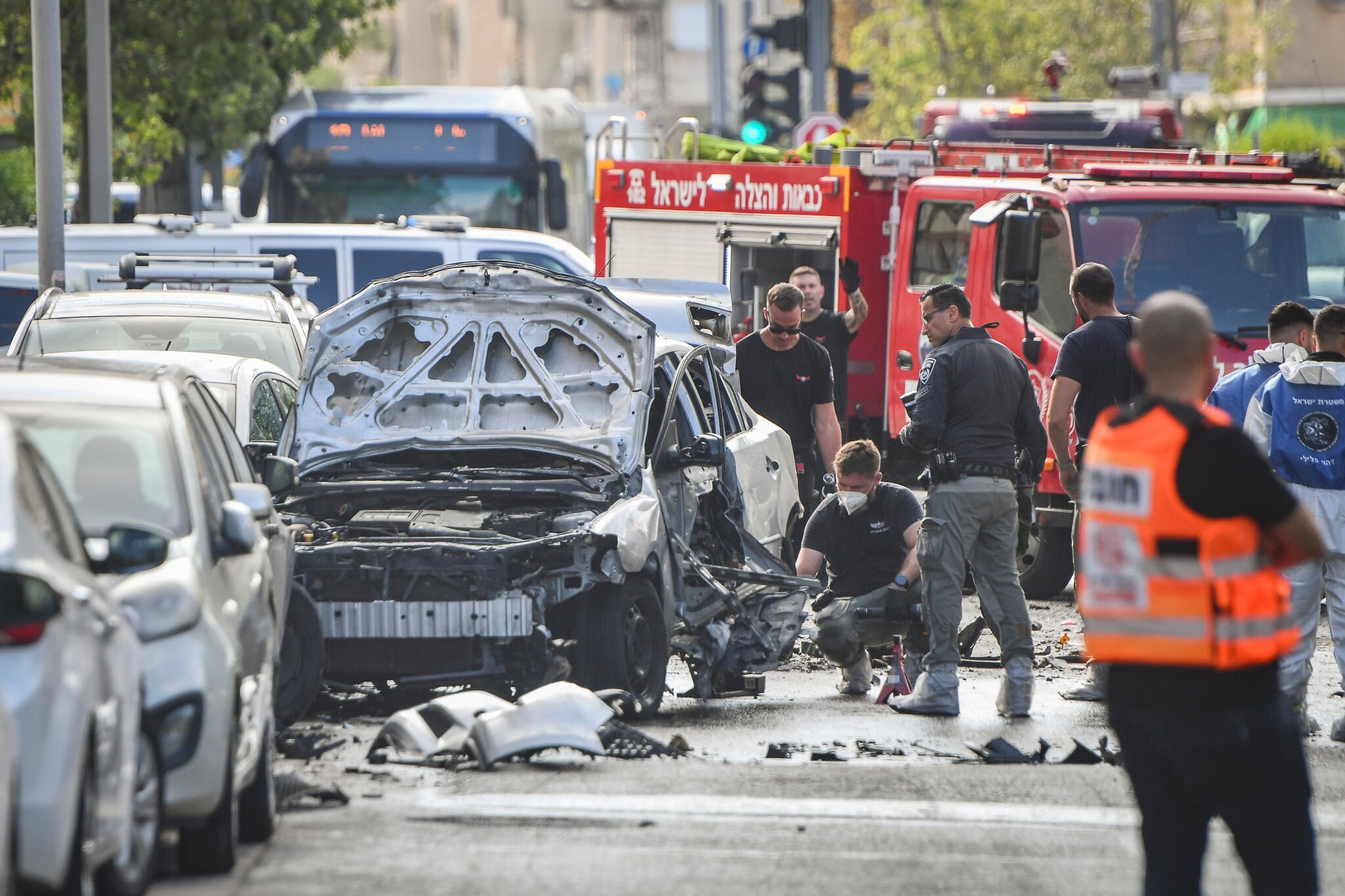
Police and rescue forces at the scene where a car exploded in a suspected gangland killing, in Jaffa, June 28, 2026. (Avshalom Sassoni/Flash90)
Tel Aviv District police commander Haim Sargaroff warns that Israel is in a “state of national emergency” after six Arab citizens were violently killed over the course of two days.
“We are in a state of national emergency, we need to work together here,” he says in an interview with Kan radio, referring broadly to other government agencies. “I’m not saying that the responsibility isn’t that of the police, but if we don’t work together, we won’t be able to win.”
The senior officer says that yesterday’s fatal car bombing in Jaffa, which killed 38-year-old Iyad Raab and injured his six-year-old son, is linked to an ongoing drug dispute.
Shortly after Raab was pronounced dead, another car bombing shook Holon just south of Tel Aviv around noon, killing Jaffa resident Mustafa Abu Lisan.
Sargaroff says police have been aware of the conflict that led to the two vehicle bombings for several months now. He says it began due to a shooting that injured a man suspected of involvement in drug deals. After a period of relative calm, the Jaffa-based conflict flared up again with the killing of 17-year-old Imad Jabari last week.
Police have not reported making arrests in any of the three homicides linked to the dispute.
Despite the criminal roots of the conflict, Sargaroff notes that many of those targeted have little to no relation with underworld dealings, without going into detail on the victims.
“The people involved in the conflict are more wary, take more precautions, are more sensitive, so [the assassins] go to people further away, who are from the same family, the broader circle,” he says.
Druze religious leader calls on world to ‘stop the quiet massacre’ in Syria

Sheikh Mowafaq Tarif (center) at a conference at Western Galilee College in Acre on June 29, 2026. (Diana Bletter/Times of Israel)
Speaking at a conference on “The Druze in the Middle East, between crisis and hope,” at Western Galilee College in Acre, Sheikh Mowafaq Tarif, the religious leader of Israel’s Druze community, calls on America and Europe to “stop the quiet massacre that is continuing in Sweida, Syria.”
He says that in 2025, “thousands of Druze were killed, hundreds were kidnapped, women and children were raped.”
“There are still 500,000 Druze trapped in 30 villages in Syria and nobody in the world is talking about it,” he says.
“America and Europe don’t understand terrorism,” Tarif says. “The leaders in Damascus are jihadists. But the Druze are still surviving there. They will not surrender.”
After ToI investigation showed some killed Gaza ‘journalists’ were terror operatives, Committee to Protect Journalists reviewing database of slain Gaza reporters
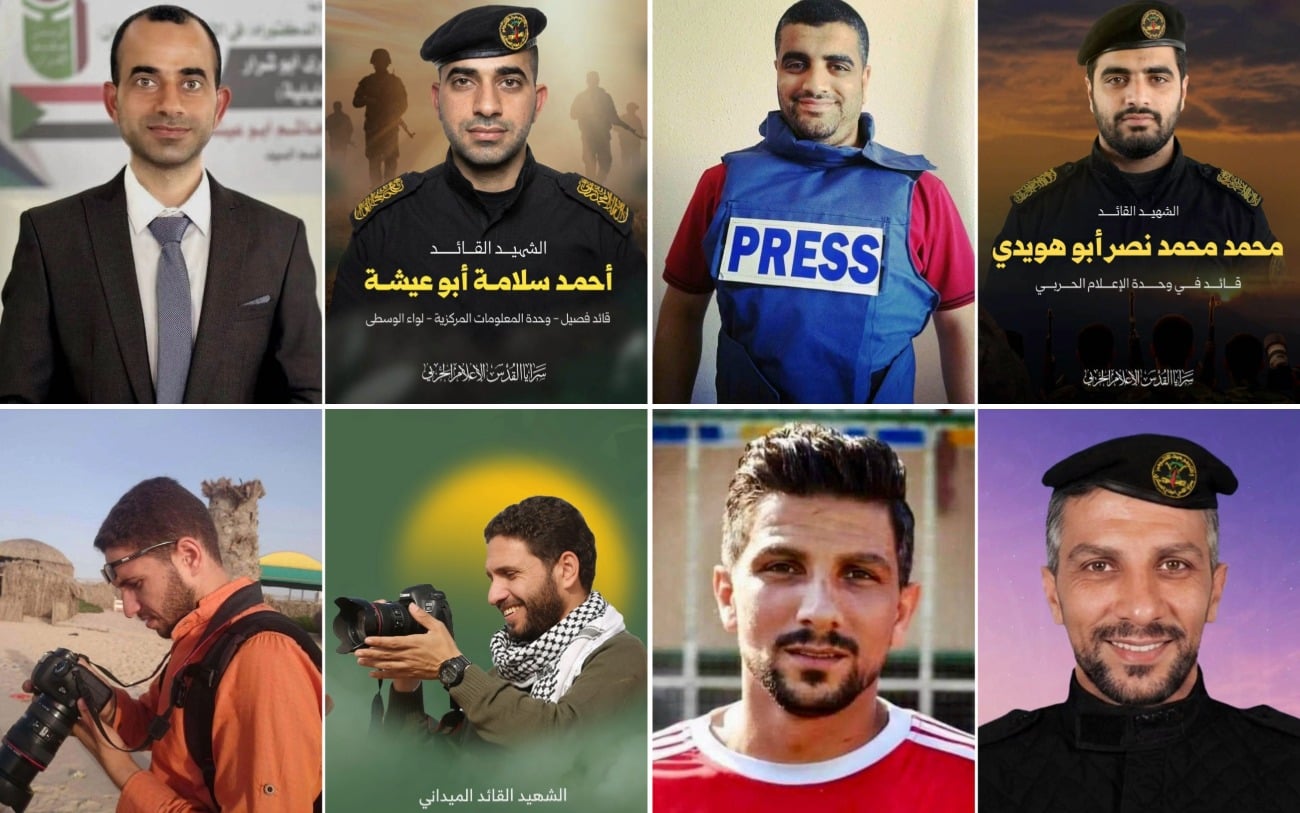
Combo pictures clockwise from top left: Ahmed Abu Eisha in civilian attire and in Palestinian Islamic Jihad uniform. Mohamed Nased Abu Huwaidi with Press flak jacket and in Islamic Jihad uniform; Ahmed Abu al-Atta in football shirt and Palestinian Islamic Jihad uniform; Hussam al-Adlouni in civilian attire and in Hamas military wing uniform. (Pictures from Hamas and Palestinian Islamic Jihad social media, Facebook, social media; Used in accordance with clause 27a of the copyright law)
Following a Times of Israel investigation that found multiple Hamas and Palestinian Islamic Jihad operatives were previously identified as journalists, the Committee to Protect Journalists says it is conducting a “full review” of its database of journalists killed during the war in Gaza.
The Times of Israel examined hundreds of names published in recent months on official Hamas and PIJ military-wing Telegram channels and affiliated accounts, identifying multiple operatives who had previously been reported as media workers and other civilians.
“CPJ has always been clear that we do not include anyone in our data sets if there is evidence that they were engaging in combat or inciting imminent violence,” CPJ CEO Jodie Ginsberg says in a statement, adding that the organization “condemns in no uncertain terms the misrepresentation of combatants as journalists or media workers.”
The review is expected to be completed in July.
Related: Finally naming their war dead, Gazan terror groups admit some slain journalists were fighters
CPJ says it has already removed eight names from its database after determining the individuals were Hamas or PIJ combatants, along with 12 others removed for unrelated reasons. The organization’s tally of journalists and media workers “killed by Israel in Gaza and in Israeli detention centers” since October 7, 2023, now stands at 209.
Lapid says Netanyahu building ‘satellite parties’ because he expects election defeat
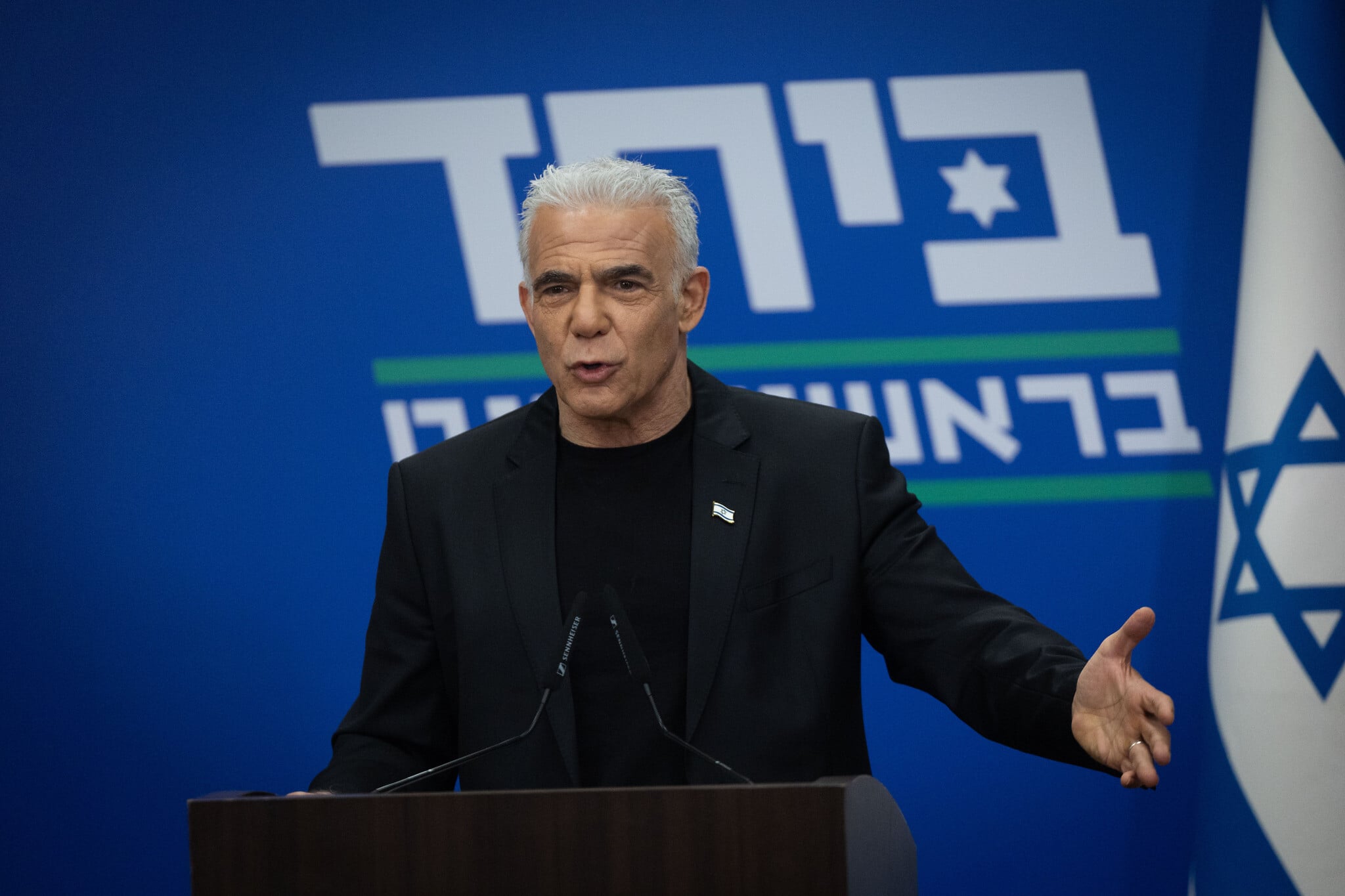
Opposition leader Yair Lapid leads a faction meeting at the Knesset in Jerusalem on June 22, 2026. (Yonatan Sindel/ Flash90)
Opposition Leader Yair Lapid accuses Prime Minister Benjamin Netanyahu of trying to engineer “satellite parties” ahead of the next election because he believes he is headed for defeat.
“It’s completely clear that Netanyahu is trying to build satellite parties for himself, using votes from our camp, so he can form a government. He has no other way to win. Even so, he won’t succeed,” says Lapid, calling the efforts “desperate.”
Lapid’s Yesh Atid party recently joined former prime minister Naftali Bennett to form the joint Together slate, led by Bennett.
The remarks come amid reports of the potential establishment of a new right-wing party led by former Likud minister Gilad Erdan and current MK Yuli Edelstein (who, according to Hebrew media reports, is expected to soon announce a departure from Likud), as well as a prospective center-right alliance between Blue and White chairman Benny Gantz, former fire commissioner Dedi Simhi and Yoaz Hendel’s Reservists party.
While Likud is projected to remain the largest party in the Knesset, recent polls show it falling from its current 32 seats to roughly 22-24 in the upcoming elections, neck-and-neck with the opposition bloc’s Gadi Eisenkot, whose newly formed Yashar party has been consistently rising in polls, and last week overtook Likud for the first time in a Zman Yisrael poll.
Speaking during his faction meeting, Lapid mocks Netanyahu’s call on Saturday for a “broad national government” as another desperate “hail mary” to remain in office.
“What are you talking about? You will never form another government in Israel. There will be elections, and you will lose,” he says, addressing the premier. “We will not sit with you. Is that clear enough?”
He adds that he and Bennett will instead form a government with Eisenkot’s Yashar, Avigdor Liberman’s Yisrael Beytenu and Yair Golan’s Democrats, and “hopefully” also with Likud, but only after “Netanyahu loses and is sent into retirement.”
Asked about Netanyahu’s call on Saturday for a broad national coalition united around opposition to a Palestinian state, and whether he and Bennett share that position, Lapid says: “Our official party position is that the subject is not on the table. It’s not doable. It’s not going to happen in the coming decade.”
He adds that his focus is instead on domestic issues, including “rebuilding, rehabilitating and healing Israeli society, after all the destruction that Netanyahu’s government has spread.”
Israeli forces kill Palestinian teen in West Bank, Palestinian health ministry says
Israeli forces fatally shot a 15-year-old Palestinian teenager during a raid in the West Bank today, the Palestinian health ministry says.
“The child Amir Ahmad Jawad Jaber, 15 years old, was martyred after being shot in the head and once in the chest by occupation soldiers during their raid into the Umm al-Sharayit neighbourhood in Al-Bireh,” near the West Bank city of Ramallah, the ministry says.
There is no immediate response from the Israeli military.
Lebanon president says determined to deploy army up to Israeli border
Lebanese President Joseph Aoun tells the US Central Command chief that he is committed to extending the state’s control through its military up to the border with Israel, where Iran-backed terror group Hezbollah maintains a strong presence.
He reaffirmed to Adm. Brad Cooper “the Lebanese state’s determination to extend its authority, through its armed forces, to the southern border,” the presidency says in a statement, adding that the pair discussed preparations for implementing a framework agreement between Lebanon, Israel and the US.
Israeli leaders have indicated they do not plan to withdraw from southern Lebanon before the Hezbollah terror group is dismantled.
“President Aoun thanked Admiral Cooper for the interest shown by US President Donald Trump toward Lebanon in achieving security and stability there, stressing the Lebanese state’s determination to extend its authority through its armed forces all the way to the international southern border,” the presidency adds,
استقبل رئيس الجمهورية العماد جوزاف عون بعد ظهر اليوم في قصر بعبدا، قائد المنطقة الوسطى في الجيش الاميركي الادميرال براد كوبر في حضور القائم بأعمال السفارة الاميركية في بيروت السيد كيث هانيغان ورئيس فريق الميكانيزم الجنرال جوزف كليرفيلد.
وتم خلال الاجتماع البحث في التحضيرات… pic.twitter.com/2XMrkD7yeM
— Lebanese Presidency (@LBpresidency) June 29, 2026
Ebola outbreak in DR Congo spreads to fourth province
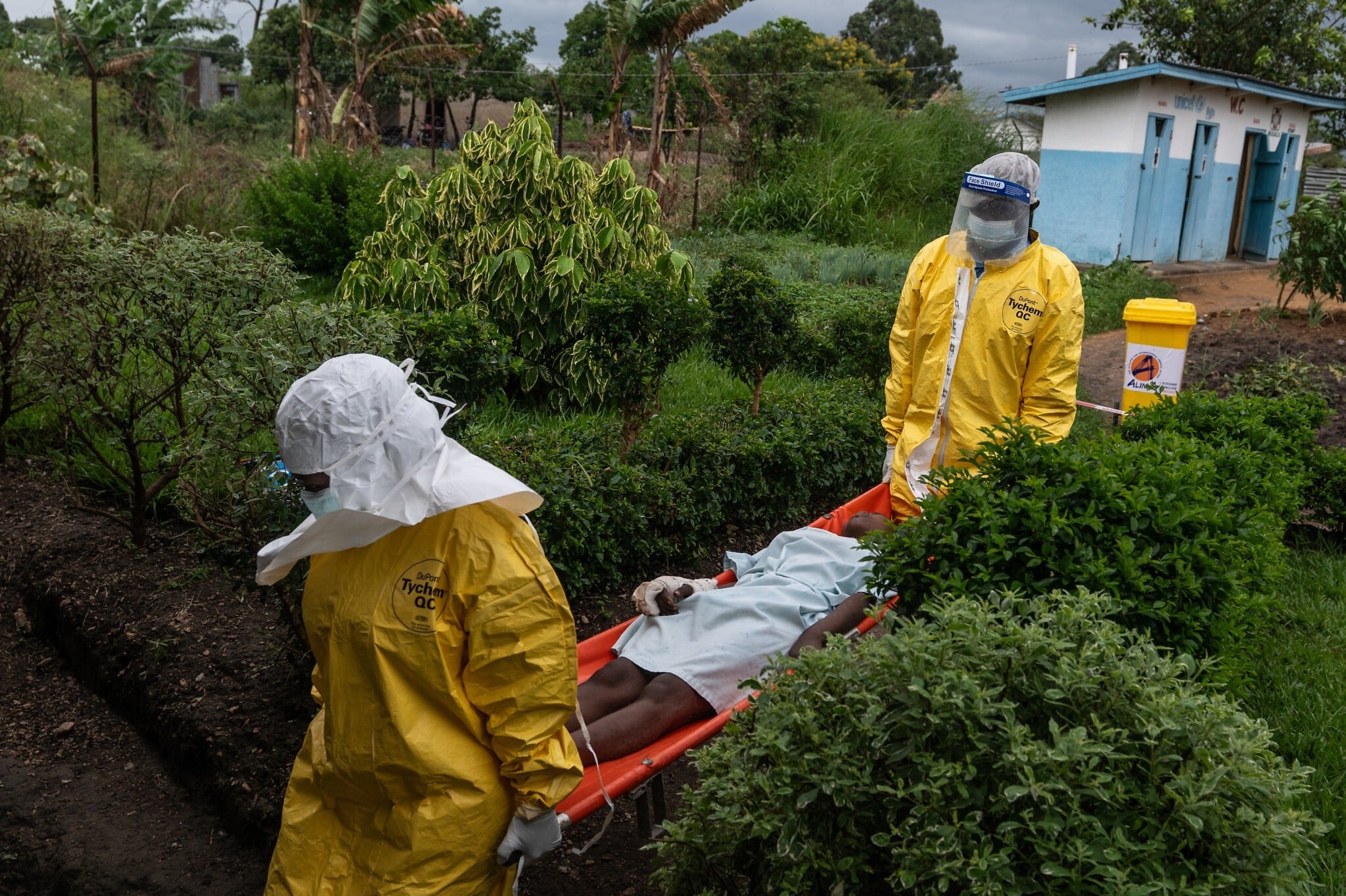
File: Medical staff carry an Ebola patient to a treatment center in Rwampara, Congo, Thursday, May 21, 2026. (AP Photo/Moses Sawasawa, file)
At least one Ebola case has been confirmed in a fourth province in the Democratic Republic of Congo, meaning the country’s entire northeast is now affected by the deadly outbreak, the national laboratory and a health source say.
The case was detected in Haut-Uele, near the borders with South Sudan and the Central African Republic, involving a person who had travelled from Bunia, in neighboring Ituri province — the outbreak’s epicentre.
Katz: Israel has ‘no territorial ambitions in Lebanon,’ but will not withdraw further until Hezbollah disarmed; IDF would have destroyed Hezbollah were it not for US constraints
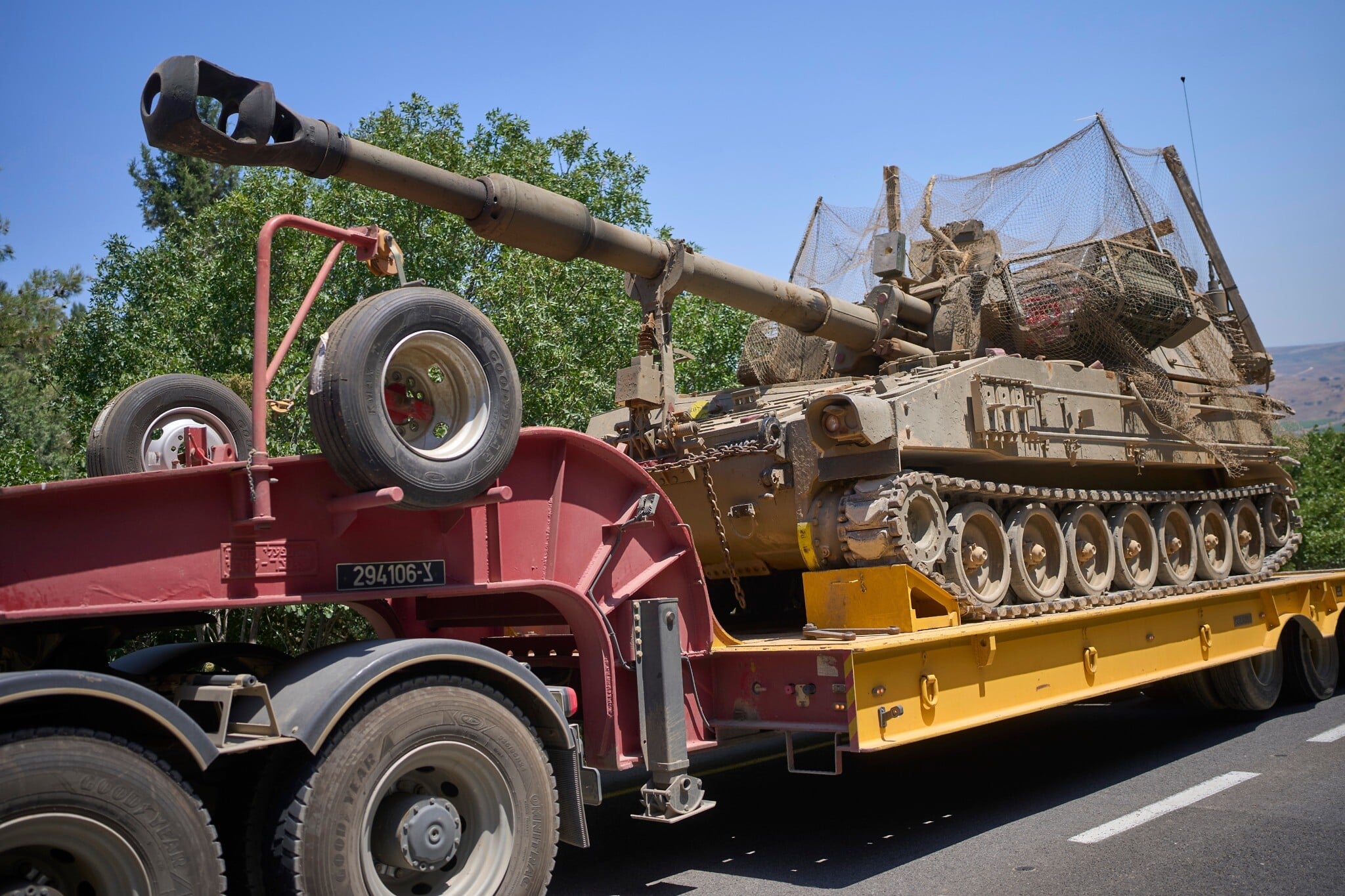
An IDF mobile artillery unit is being loaded onto a transport truck on a road in northern Israel, June 28, 2026. (AP Photo/Ohad Zwigenberg)
Defense Minister Israel Katz says that Israel has “no territorial ambitions in Lebanon,” but the IDF will not withdraw “a millimeter” until the Hezbollah terror group is disarmed.
Speaking to reporters, Katz says the Israeli military is unlikely to withdraw from additional areas of southern Lebanon beyond the two agreed-upon locations from which it will pull out as part of a pilot program that will see the Lebanese army take over.
“People should not hold their breath wondering where the next place will be from which Israel will withdraw in Lebanon, because it will not happen until Hezbollah is disarmed. We have no territorial ambitions in Lebanon, but until Hezbollah is disarmed, we will not withdraw a millimeter,” Katz says.
He says this is accepted by the US and is anchored in the military annex to the framework agreement signed between Israel and Lebanon last week. Katz also notes that when he met US Central Command chief Adm. Brad Cooper, they agreed that “the IDF will not withdraw from the three security zones — in Lebanon, Syria, and Gaza.”
Katz says he also does not believe the Lebanese army will “suddenly become lions charging at Hezbollah,” and therefore the IDF’s presence in Lebanon will be “long-term.”
The defense minister confirms that Israel recently tried to get the Lebanese army to enter the Ali Taher Ridge area, under which Hezbollah has a major tunnel system, and clear it of terror operatives. However, “the Lebanese army refused to do it,” Katz says.
The IDF remains stationed in the area, but it has not entered the underground passages where some 30 Hezbollah operatives are believed to be holed up.
On the destruction of Lebanese border villages, Katz says that it was “clear that the Shiite villages along the line of contact had to disappear” to protect Israel’s border from Hezbollah. According to the defense minister, in the western and central sectors of southern Lebanon, “there is almost 100 percent destruction in the villages along the line of contact,” while in the eastern sector, “73% of the villages are destroyed.”
He says that some 600,000 “Shiites from the villages in southern Lebanon” have fled, and another 700,000 have been displaced from Hezbollah’s Dahiyeh stronghold in Beirut.
In his briefing, Katz claims that had it not been for American pressure on Israel, the IDF would have caused Hezbollah to collapse in Lebanon. He says the IDF had planned a “massive” aerial campaign which, he claims, “would have dismantled Hezbollah,” and that the terror group was “begging the Iranians to save it.”
According to Katz, when US President Donald Trump “linked Iran and Lebanon,” Israel had to stop “bringing down buildings in Beirut,” but could carry out “surgical strikes” on Hezbollah in the Lebanese capital.
“I’m sorry about that linkage, but it was an American interest. They very, very much wanted to advance the possibility of negotiations with Iran,” he says, adding that “when you enter into a partnership, it has advantages, but it also comes with certain constraints.”
“If there had not been a linkage between the Lebanon and Iran arenas, Hezbollah would have collapsed,” he claims.
Katz says he was not present for one call between Trump and Prime Minister Benjamin Netanyahu ahead of the signing of the MOU between the US and Iran. “I was not on the fifth call, and the president applied pressure that ultimately created the linkage between the arenas,” he says.
“That is why we moved to plan B,” the defense minister says, referring to the IDF’s operations north of the Litani River and the expansion of its security zone in southern Lebanon in the past month, which he says was carried out with US approval.
Katz also says the IDF still has “more tunnels to destroy and blow up,” including a major underground Hezbollah system beneath the Beaufort Ridge, which he says will be destroyed with “500 tons of explosives.”
Regarding tensions with Iran, Katz says that if Iran attacks Israel with ballistic missiles in response to actions in Lebanon, the IDF will respond and is preparing to operate independently.
“It could happen even within two days,” he says. “We have targets to strike in Iran, and the IDF is prepared and on alert, but we will not interfere with the US president’s course of action vis-à-vis the Iranians.”
Health Ministry holds exercise for earthquake scenario
The Health Ministry says it conducted a joint exercise with the National Emergency Management Authority today to simulate an earthquake scenario.
The simulation of an extreme scenario included tens of thousands of casualties, damage to infrastructure and transportation routes, power outages, and other challenges that could affect the continuity of the healthcare system’s operations.
“Preparing for an earthquake is one of the most complex challenges facing the healthcare system,” says the ministry’s Director General Moshe Bar Siman Tov. “Our responsibility is to prepare in advance to ensure that even in the most severe scenarios, we can continue to save lives and provide continuous, high-quality medical care.”
The exercise will continue tomorrow.
9-year-old girl killed after being hit by van in Rosh Ha’ayin
A nine-year-old girl has died after being run over by a van in Rosh Ha’ayin.
The girl was hit by the van while riding on a small kick-scooter. She was rushed from the scene in critical condition and later died of her injuries.
The van driver has been detained for questioning.
Shas said to back Karhi media overhaul in exchange for kosher certification bill
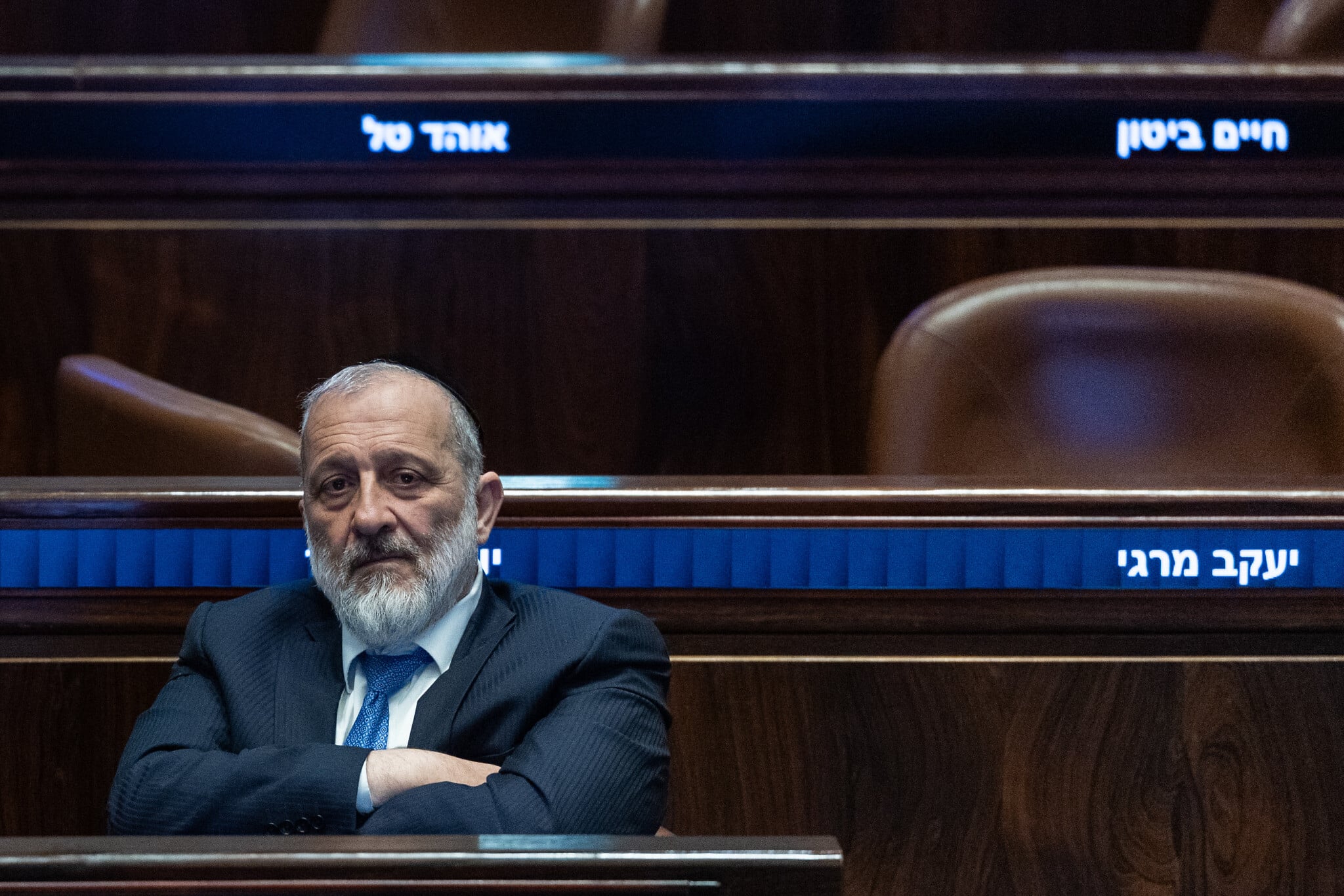
Shas party chairman Aryeh Deri attends a Knesset plenum vote for the next state comptroller, in Jerusalem, June 3, 2026. (Yonatan Sindel/Flash90)
Ultra-Orthodox Shas party chairman Aryeh Deri has agreed to support Communications Minister Shlomo Karhi’s controversial broadcast media overhaul in exchange for the coalition advancing legislation reversing the previous government’s kosher certification reform, according to Hebrew media reports.
The kosher bill, which has already passed its first reading, would restore the Chief Rabbinate’s exclusive control over kosher certification by scrapping reforms introduced by former religious services minister Matan Kahana, which opened the certification market to competition.
The bill passed its first reading in the Knesset in January and was split into separate bills earlier this month to accelerate its passage, a move that nearly failed due to opposition from the Haredi parties. It requires two more plenum votes before it can become law.
Haredi parties have been boycotting coalition legislation in protest of the government’s failure to pass a bill enshrining blanket exemptions from military service for yeshiva students. In an effort to secure their support for key coalition legislation, including Karhi’s media bill, the government is now advancing a series of Haredi priorities, including a quasi-constitutional Basic Law elevating Torah study to a fundamental state value, and a temporary measure freezing the arrest of Haredi draft evaders.
US military shares details on CENTCOM chief’s Mideast trip
The American military publishes a statement on US Central Command chief Adm. Brad Cooper’s recent visit to the Middle East, during which he met with leaders in Israel and Lebanon.
In Lebanon, Cooper and his staff met with President Joseph Aoun and Lebanese army chief Gen. Rodolphe Haykal. “The leaders discussed the path forward in implementing a historic framework agreement signed in Washington, DC, on Friday,” CENTCOM says.
In Israel, Cooper met with “senior civilian and military leaders” — who are not named — and also visited American troops deployed to the country, according to CENTCOM.
Defense Minister Israel Katz confirmed earlier that he met with Cooper.
During an ongoing trip to the Middle East, Adm. Brad Cooper, CENTCOM commander, engaged senior civilian and military leaders in Israel and Lebanon. While in Lebanon, Cooper and his staff met with President Joseph Aoun and Lebanese Armed Forces Commanding General Rodolphe Haykal.… pic.twitter.com/9KRSJyNJIR
— U.S. Central Command (@CENTCOM) June 29, 2026
NY Democratic leader says Israel hostility fueled far-left primary wins

File: Jay Jacobs, chair of the New York State Democratic Committee, speaks on Tuesday, Feb. 13, 2024, in Woodbury, NY
(AP Photo/Stefan Jeremiah)
New York State Democratic Party chairman Jay Jacobs says the issue of Israel helped fuel far-left wins in last week’s Congressional primaries.
Three far-left lawmakers who made criticism of Israel central to their campaigns won their Congressional primaries and are expected to win in the general election later this year and head to Congress.
“Yes, I do think the Israel-Palestinian issue had an impact in the election,” Jacobs tells The New York Post. “It hurt establishment Democrats.”
In the races, Darializa Avila Chevalier defeated incumbent Adriano Espaillat and Brad Lander bested incumbent Dan Goldman. Espaillat and Goldman were moderates on Israel, while criticizing the Gaza war and the Netanyahu government, while Avila Chevalier and Valdez took hardline anti-Israel positions.
“There are people who may have voted against Espaillat and Goldman because of it,” Jacobs says. “It was important to the activists who came out and voted.”
Jacobs adds that the anti-Israel rhetoric was a “more important issue for those who came out and voted.”
The primary elections had a relatively low turnout of around 17% of registered Democrats, he says.
Jacobs is aligned with more moderate Democrats.
“Saying Israel is committing genocide is wrong,” he says.
Stocks rise, oil climbs after US-Iran clashes
Stocks mostly rose while oil prices climbed today after the United States and Iran exchanged fire over the weekend, underscoring the fragility of their tentative agreement to end the war.
While Washington said it agreed with Iran to halt the attacks and continue talks, the strikes again disrupted shipping through the vital Strait of Hormuz over the weekend.
Oil prices, which last week fell to pre-war levels, rose modestly.
“The impact on oil prices remains relatively contained,” says Ipek Ozkardeskaya, senior analyst at Swissquote.
“News that some key markets have even turned oversupplied thanks to the release of strategic reserves and oil tankers quietly making their way out of Hormuz has certainly helped investors react more moderately to the latest escalation,” she adds.
But Trade Nation analyst David Morrison notes that it appears that Tehran still wants to charge vessels a fee for transiting the Strait of Hormuz, which would be illegal under international law.
“This would be a step too far for the Trump administration,” he notes, while the US president also appears to be increasingly desperate to end the war and reopen the strait as US midterm elections approach.
“The danger is that he may have to resume hostilities to have any chance of getting what he wants,” Morrison says.
WhatsApp messenger to begin offering usernames

A WhatsApp icon is displayed on an iPhone. (AP Photo/Martin Meissner, File)
The hundreds of millions who use Meta-owned messenger WhatsApp to chat with family, friends or businesses will no longer need to share phone numbers under a coming update, the company says.
Instead, people will be able to pick unique usernames to share with others, in a move “designed to protect the privacy of your phone number,” WhatsApp says in a statement.
Restricting access to phone numbers would mean they are not shared automatically in cases such as being added to a large group chat or messaging person or business for the first time, the company adds.
What’s more, “there’s no directory to browse and no suggestions, so people need to know your exact username to contact you,” Meta says.
As with other social media services, the sheer number of people — Meta claims over three billion — using WhatsApp means many may not get their first choice of handle.
The company says it will gradually roll out username reservations worldwide “over the coming months,” notifying users in each country when they open there.
Meanwhile “creators, small businesses and organizations” will be allowed to claim WhatsApp usernames that they already use on fellow Meta products Facebook or Instagram.
High Court rules state comptroller exceeded his authority in several Oct. 7 probes
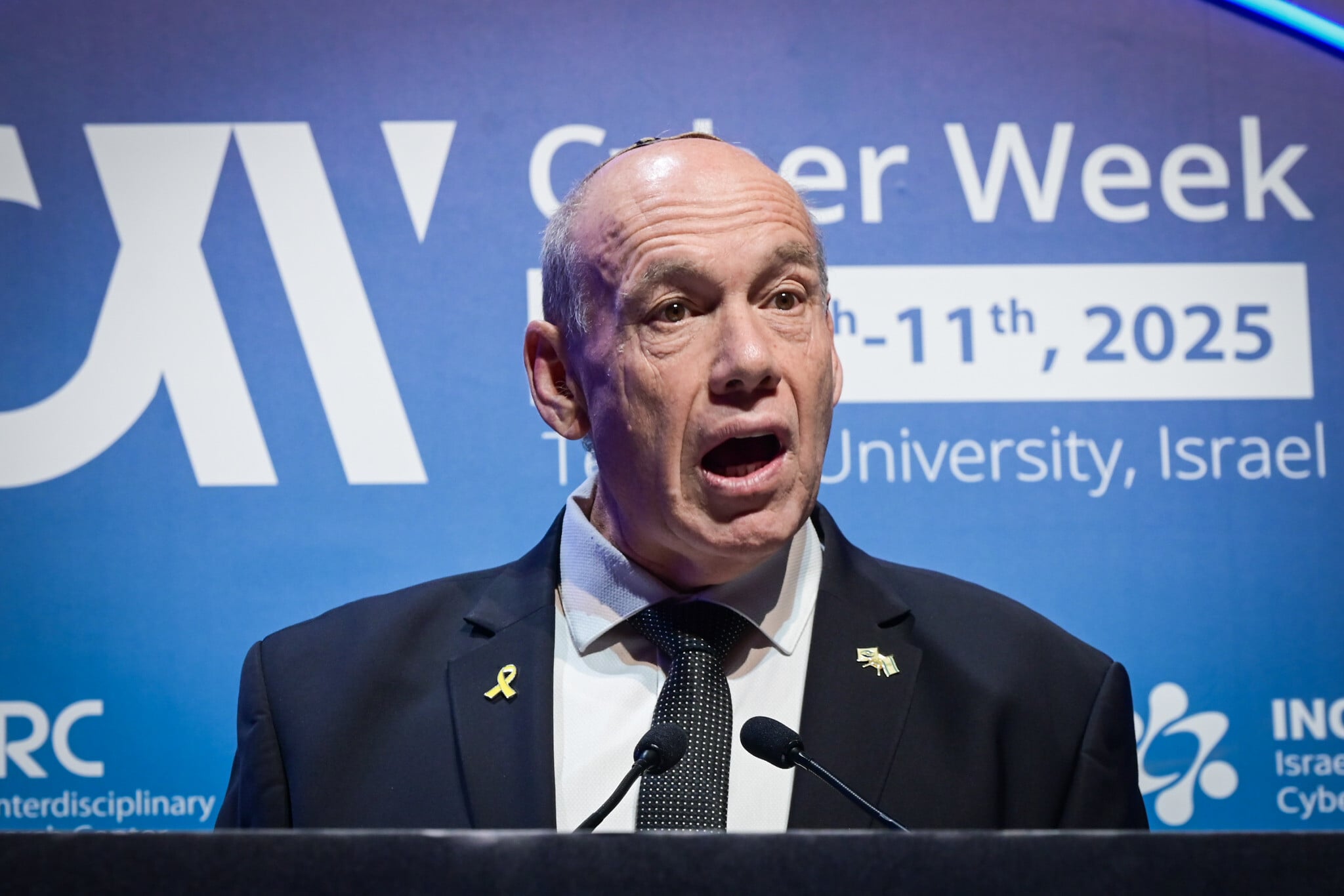
State Comptroller Matanyahu Englman speaks at the annual Cyber Week, at Tel Aviv University, on December 9, 2025. (Avshalom Sassoni/Flash90)
The High Court of Justice rules that State Comptroller Matanyahu Englman cannot complete and publish his examinations of eight key issues relating to the failures that resulted in the October 7, 2023, Hamas invasion and massacres.
The ruling brings an end to an extended legal battle over Englman’s efforts to review the central failings behind the October 7 catastrophe, which he insisted was critical due to the lack of any other state-backed inquiry, but which critics said were not part of his remit and could prejudice a future state commission of inquiry.
The court determined that Englman exceeded the authority of the state comptroller in conducting examinations of four issues, which included Israel’s funneling of Qatari money to Hamas in Gaza prior to the attack; border defense along the Gaza border; the conduct of intelligence agencies and government officials in response to information about a possible Hamas attack; and the response of the government, Shin Bet and IDF to the October 7 attacks.
The court ruled that the state comptroller’s authority is primarily to review and compare actions of government and state agencies with prevailing norms, and not conduct investigations which aim to uncover the factual reality of an event. The court also found that the state comptroller’s authority does not extend to issues of policy and strategy regarding security and foreign affairs.
The court ruled that four other reports produced by Englman in relation to the October 7 catastrophe cannot be published in their current format, and must be conducted anew since Englman and his office failed to speak to key officials before drawing up the draft reports.
The reports in question reviewed the government’s public diplomacy efforts in the international arena; treatment of civilians killed on October 7; the permit issued to the Nova party by Kibbutz Re’im, where 378 people were murdered, and the security arrangements for it; and defense preparedness for southern cities.
IDF reservist severely wounded by explosion in south Lebanon
An IDF reservist soldier was severely wounded by an explosion in southern Lebanon earlier today, the military announces.
According to an IDF probe of the incident, at around 1:30 p.m., during operations of the Commando Brigade in the village of Arnoun, a blast occurred. The cause of the explosion that seriously wounded the soldier is still under investigation by the military.
The reservist was taken to a hospital and his family was notified, the army adds.
De-mining of Strait of Hormuz to be carried out only by Iran, Tehran says

Vessels are seen anchored in the Strait of Hormuz, off the port city of Khasab on Oman's northern Musandam Peninsula on May 17, 2026. (AFP)
The removal of mines from the Strait of Hormuz is to be carried out solely by Iran according to the Islamabad MoU between Tehran and Washington, Iran’s Deputy Foreign Minister Kazem Gharibabadi says in a post on X, in response to French President Macron’s comments on the subject.
Emmanuel Macron said earlier that France and Oman are working together to de-escalate tensions in the Middle East and will cooperate with their partners on clearing mines from the Strait of Hormuz.
“Demining is carried out solely by Iran and by no other country, and we fundamentally do not permit any such thing,” Gharibabadi says. “The situation is sensitive and complex. We strongly advise France not to complicate it further with its provocations.”
No Iran-US talks in coming days, Iran’s foreign ministry spokesperson says
No talks between Iran and the United States are scheduled in the coming days, Iran’s Foreign Ministry Spokesperson Esmaeil Baghaei says in a statement, adding that an Iranian technical delegation will visit Qatar this week, but has no relation to US officials visiting the country.
Tehran has not started negotiations for a final deal as these require the implementation of certain points of the MOU, which is Iran’s priority currently, Baghaei adds.
Reports: Two killed and at least 20 injured in IDF strike in southern Gaza
Hamas-affiliated media outlets in Gaza report that two people were killed and more than 20 others were injured in an IDF strike in the al-Mawasi area of Khan Younis in the southern Gaza Strip.
The IDF has not yet commented.
Reports: Masked men sprayed tear gas at Palestinian in West Bank
Palestinian media outlets have published footage showing two masked men spraying tear gas late yesterday night at a Palestinian security guard in an industrial zone in the village of Beita, south of Nablus in the northern West Bank.
مصادر محلية: لحظة اعتداء مستوطنين على حارس منشأة صناعية في بلدة بيتا جنوب نابلس pic.twitter.com/J7MsPntPmW
— الجرمق الإخباري (@aljarmaqnet) June 29, 2026
According to the reports, the assailants were settlers.
The condition of the victim remains unclear, though footage circulated online appeared to show that he sustained minor injuries and received treatment at a hospital.
مليشيات المستوطنين تعتدي على حارس يعمل في المنطقة الصناعية ببلدة بيتا جنوب نابلس pic.twitter.com/xfm2Zk87kI
— شبكة قدس الإخبارية (@qudsn) June 29, 2026
IDF says it sealed tunnel system where Hamas held remains of Lt. Hadar Goldin
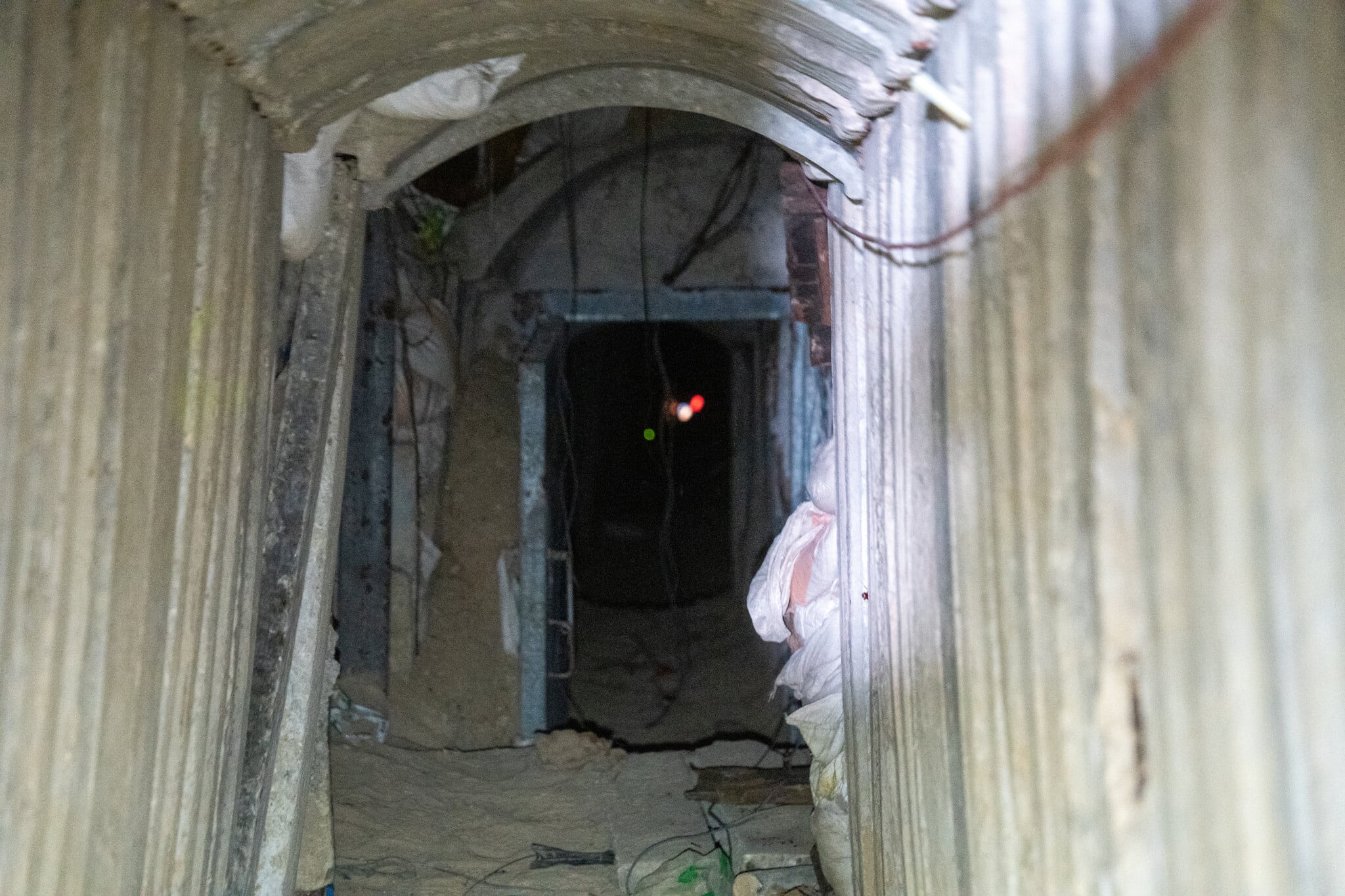
Inside a tunnel in the Rafah area of the southern Gaza Strip, where the body of Lt. Hadar Goldin was held, December 8, 2025. (Emanuel Fabian/Times of Israel)
A massive Hamas tunnel system in the southern Gaza Strip, where the terror group held the remains of Lt. Hadar Goldin for over a decade, was recently sealed by combat engineers, the IDF announces.
Goldin was killed and abducted by Hamas in 2014. The IDF scanned the tunnel for 18 months — starting in mid 2024 — but ultimately Goldin’s remains were recovered by Hamas members operating with the military’s permission after a ceasefire between Israel and the terror group came into effect in late 2025.
The underground labyrinth where his body was held ran over 16 kilometers (nearly 10 miles) long and extended some 25 meters (82 feet) deep, according to the military. It also featured some 80 separate rooms, including command posts for senior terror commanders.
The IDF said that the tunnel ran under civilian sites near the Strip’s Egyptian border, including a building belonging to UNRWA.
In the past three months, combat engineers worked to seal the underground passages using over 30,000 cubic meters of concrete, the IDF says, adding that “their mission is now complete.”
IDF says it fired at rioters near Ramallah, after reports teen killed
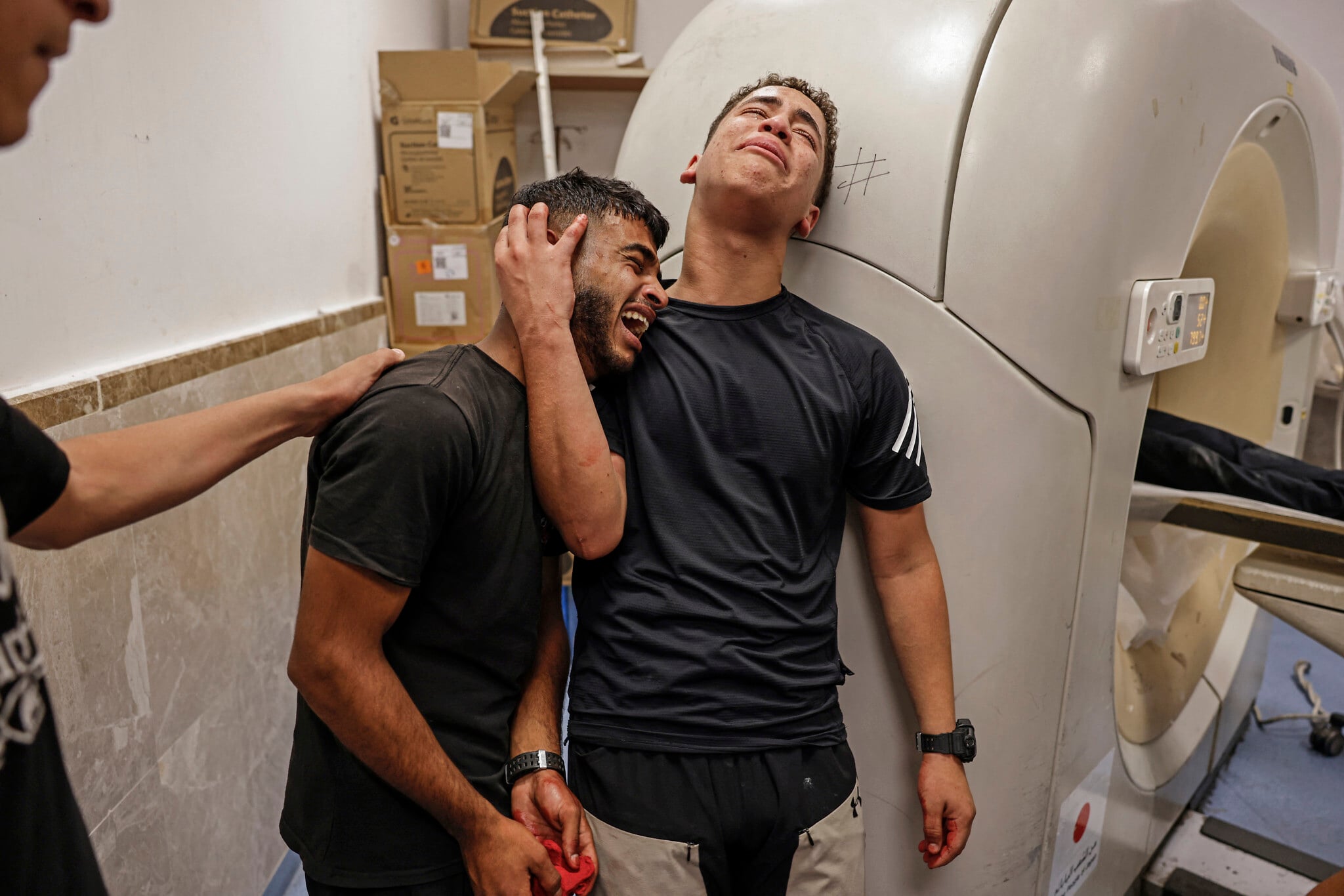
Relatives mourn the death of Amir Ahmad Jawad Jaber, a Palestinian teenager who was killed during an Israeli raid, at a hospital in Ramallah in the West Bank on June 29, 2026. (Zain JAAFAR / AFP)
After Palestinian media reported a teen was killed by Israeli fire near Ramallah earlier today, the IDF says that it had opened fire on rioters.
During a military operation in the Ramallah area, a “violent riot developed which included stone throwing against the forces,” the IDF says in response to a query.
“The forces returned fire at a suspect in the area,” the army says, adding that “a hit was identified.”
Palestinian media reported that Amir Ahmad Jawad Jaber, 15, was killed after being shot by the army in the area. A military source says that the suspect is an Israeli citizen.
The IDF adds that the incident is under further investigation.
Army says it struck Hamas tunnel system in central Gaza at weekend
The IDF says it struck a Hamas tunnel system in the central Gaza Strip over the weekend.
The military says that it recently identified that Hamas was working to restore the underground site “in violation of the ceasefire.”
On Saturday, the tunnel in Deir al-Balah and three other targets in the vicinity were struck, the military says.
The IDF says it struck a Hamas tunnel system in the central Gaza Strip over the weekend.
The military says that it recently identified that Hamas was working to restore the underground site "in violation of the ceasefire."
On Saturday, the tunnel in Deir al-Balah and three… pic.twitter.com/FOHlPLdVJx
— Emanuel (Mannie) Fabian (@manniefabian) June 29, 2026
Report finds only 7 women among 86 senior appointments in past year
Out of 86 senior appointments in the public service over the past year, only seven were of women, Ynet reports, citing data from Larishona – The Center for Women’s Leadership in Israel.
The organization looked at positions such as ministers, local authority chiefs, top defense and military officials, presidents of academic institutions, and leadership roles at ministries and in the judicial and health sectors.
Examining a total of 566 jobs, Larishona found that only 11 percent were filled by women. It says ministerial and judicial positions have actually regressed in recent years, with the number of women in top roles on a downward trend since 2022.
Likud said in talks with Ra’am to halt Negev demolitions in exchange for support on media bill
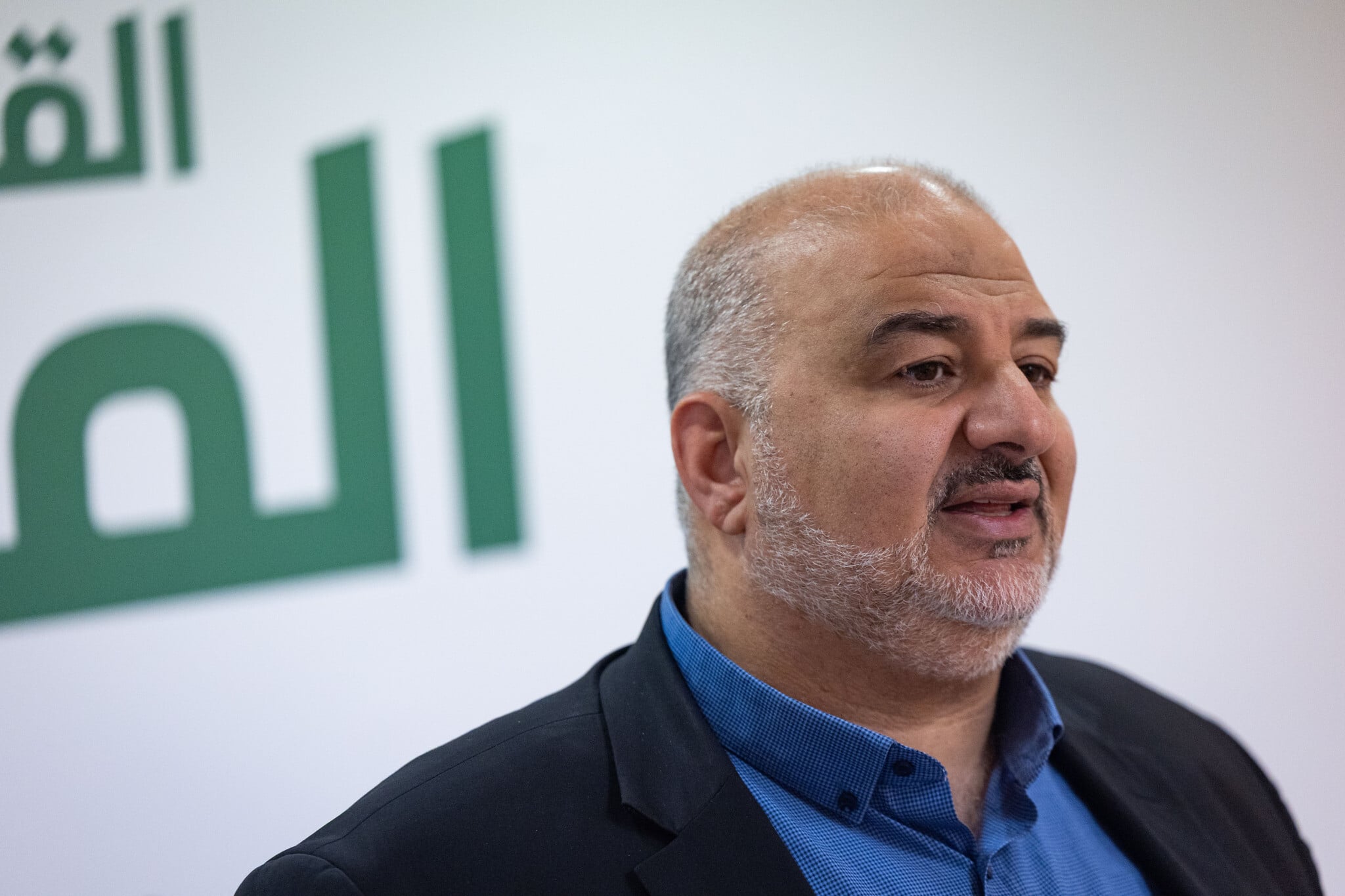
Ra'am party head MK Mansour Abbas leads a faction meeting, at the Knesset on May 11, 2026. (Yonatan Sindel/ Flash90)
Prime Minister Benjamin Netanyahu’s Likud is reportedly negotiating with Mansour Abbas’s Ra’am party in an effort to secure support for Communications Minister Shlomo Karhi’s controversial broadcast media overhaul, offering to halt home demolitions in Bedouin communities in the Negev in exchange for the party’s absence from key committee votes.
According to a Channel 12 report, coalition officials are in talks with Ra’am MK Walid Alhwashla, the only Arab lawmaker serving on the special committee preparing the bill, after previous efforts to persuade him to support or abstain from voting on the legislation failed.
The report says Alhwashla told senior Likud officials he would only consider abstaining from the vote if the government agreed to a complete halt to the demolition of Bedouin homes in the Negev, who make up Ra’am’s core constituency.
Likud reportedly did not reject the demand, leaving the door open to further negotiations, though the party has publicly denied the report, calling it “another spin by the Arab parties.”
National Security Minister Itamar Ben Gvir, who boasts of having overseen the demolition of more than 5,700 Bedouin structures including homes in the last year, condemns the report, calling it a “disgrace and shame for Likud.”
He says he will disregard any such agreement, rejects any “negotiations with supporters of terrorism” — an accusation the right has often lobbed at Ra’am, despite its frequent condemnation of terror acts — and vows to continue demolitions “with even greater intensity.”
The coalition has struggled to secure support to advance Karhi’s media overhaul. Earlier reports indicated Likud had reached an agreement with the ultra-Orthodox Shas party to back the legislation in exchange for advancing a bill reversing the previous government’s kosher certification reform.
Bill to ban Red Cross visits to Palestinian prisoners fails as Haredim boycott vote
The Knesset has voted down a bill to ban Red Cross visits to Palestinian prisoners in its first reading, after Haredi parties boycotted the vote.
The bill was supported by 36 MKs and opposed by 41. Haredi lawmakers have been boycotting coalition votes in protest over its failure to pass bills that are key to their own agenda.
The bill now cannot be brought to a vote again for the next six months.
The legislative attempt came after the High Court earlier this month ruled to annul the government policy prohibiting Red Cross visits, stating that it is not supported by Israeli or international law.
At least 1,719 dead in Venezuela quakes — new official toll
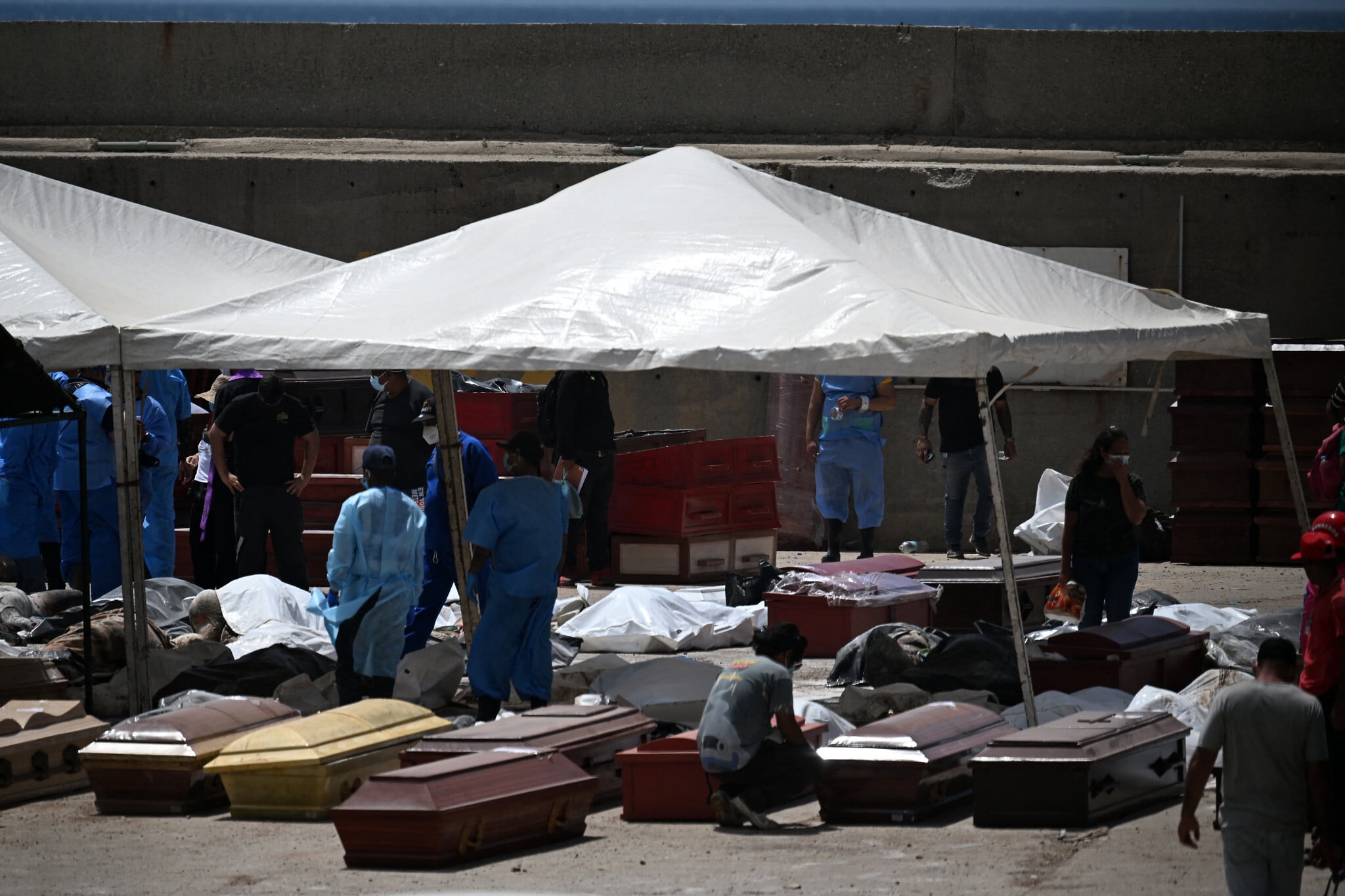
Forensic experts stand amid victims and coffins in La Guaira, La Guaira State, Venezuela on June 29, 2026, following the June 24 twin earthquakes. (Juan BARRETO / AFP)
The death toll from the devastating earthquakes that struck Venezuela five days ago has risen to at least 1,719, National Assembly president Jorge Rodriguez says.
Rodriguez adds that 5,034 people were injured in the quakes, which left tens of thousands of people missing.


read more: