

 From the Liveblog of
Tuesday, July 21, 2026
From the Liveblog of
Tuesday, July 21, 2026
Global hunger declines in all continents but climate and trade risks loom, UN says
 Add ToI as a Preferred Source on Google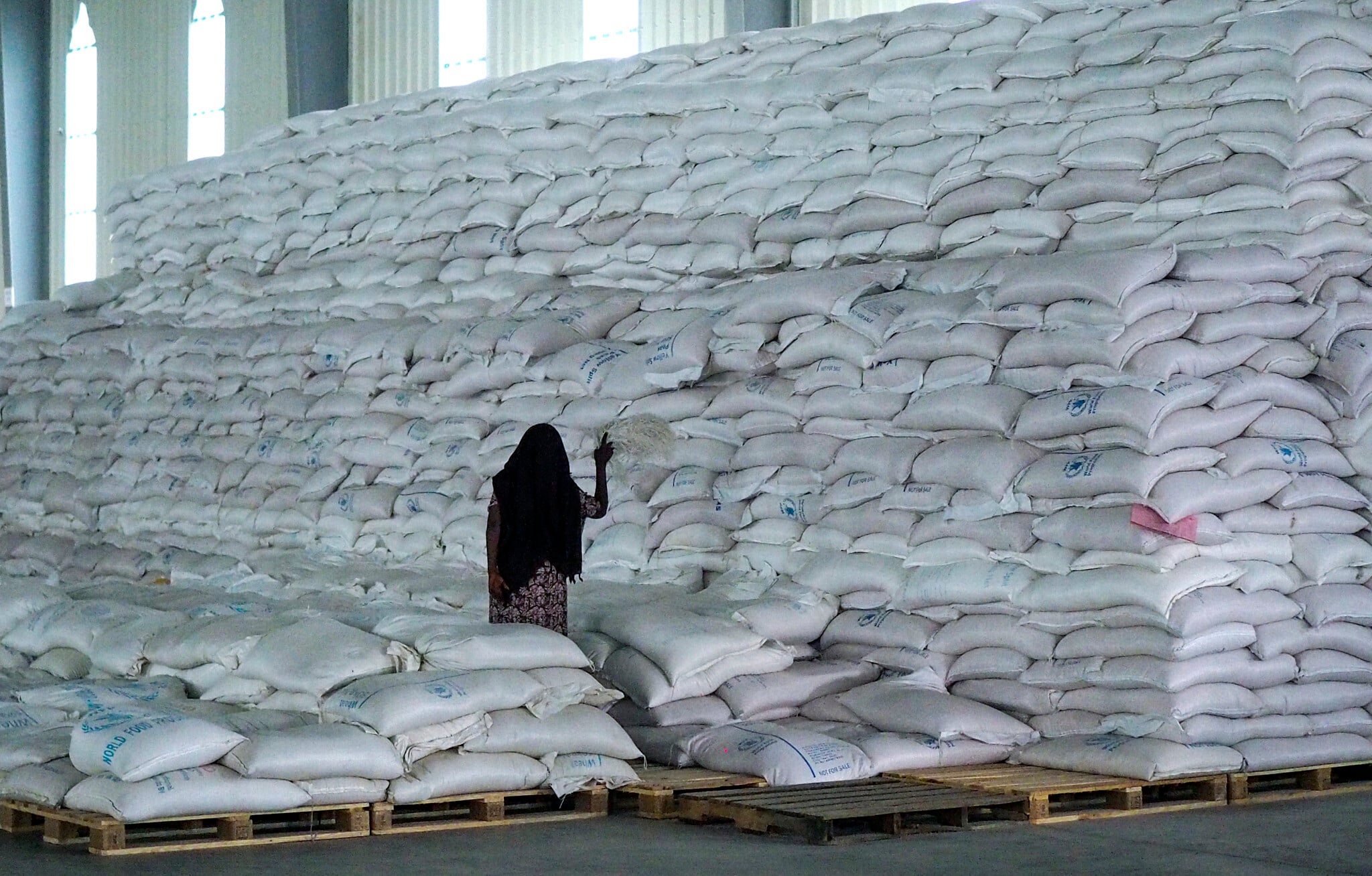
Global hunger declined for a third consecutive year in 2025, with improvements recorded across every continent, although mounting risks from climate shocks and trade disruption could threaten further progress, a United Nations report says.
Around 645 million people, or 7.8% of the world’s population, experienced hunger last year, down from 8.1% in 2024 and 8.6% in 2022, according to the State of Food Security and Nutrition in the World report, jointly prepared by five UN agencies.
Progress was driven largely by gains in Asia, particularly India, as well as Latin America and the Caribbean. Some African countries also began to reverse years of deterioration, though the continent had the world’s largest undernourished population in 2025, with 309 million people affected, one in five Africans.
Global hunger is projected to keep falling by 2030, according to the UN experts.
“The big difference to previous years is that this year the rate of hunger has declined in all continents, including Africa, although very, very slightly,” Máximo Torero, chief economist at the UN Food and Agriculture Organization (FAO), tells Reuters.
Torero says the trend offers grounds for optimism but warns that geopolitical tensions and weather disruptions pose significant threats to global food systems.
Among the most immediate concerns are issues with shipping through the Strait of Hormuz, a key route for energy and agricultural inputs. The interruption is driving up prices for fuel, fertilizers and transportation, increasing food production costs worldwide.










The Times of Israel Community.