

 From the Liveblog of
Saturday, August 16, 2014
From the Liveblog of
Saturday, August 16, 2014
Israel weighs how to deal with UN war probe
 Add ToI as a Preferred Source on Google
With the Gaza war seeming to have calmed, Israel is now preparing for its next big battle: a diplomatic and legal challenge over Palestinian civilian deaths in its campaign against Hamas militants.
Facing a United Nations war crimes commission it accuses of bias, Israel must decide whether to cooperate and present its case or boycott the inquiry entirely.
Neither option is especially appealing. Israel believes that a stinging indictment from the United Nations Human Rights Council is all but guaranteed and that dealing with the body would give it undue clout. On the other hand, it is also wary of slighting the UN and appearing guilty by abstention.
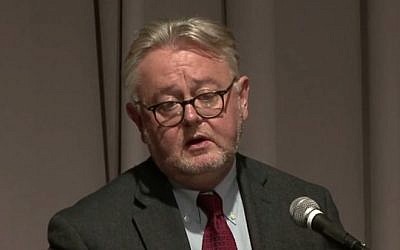
Israel is convinced it won’t get a fair hearing, particularly after the appointment of Canadian law professor William Schabas as the panel’s head. Schabas is a longtime critic of Israel and has said Prime Minister Benjamin Netanyahu and former President Shimon Peres should be indicted for war crimes.
“You can’t go into any kind of legal proceeding when the judge and jury have decided you are guilty before you have even walked into the courtroom,” says Dore Gold, a former Israeli ambassador to the UN who is now an adviser to Netanyahu. Gold says he opposes cooperating with the panel.
However, Frances Raday, a professor emeritus in international human rights law at Jerusalem’s Hebrew University, says Israel has more to lose than gain from boycotting the panel. Writing in the Ynet news site, she says the Goldstone experience backfired and Israel would be better served by pressing its case.
“Israel has too much to lose by not maximizing its opportunities to present the evidence it has and prove its efforts of avoiding disproportionate harm to Gaza civilians,” she writes.
— The Associated Press





The Times of Israel Community.