

Low-cost Wizz Air’s plan to open Israel hub faces fierce opposition from local rivals
If the plan led by Transportation Minister Miri Regev goes ahead, the Hungarian carrier will operate over 200 weekly flights and drive down exorbitant fares
 Add ToI as a Preferred Source on Google
Sharon Wrobel is a tech reporter for The Times of Israel
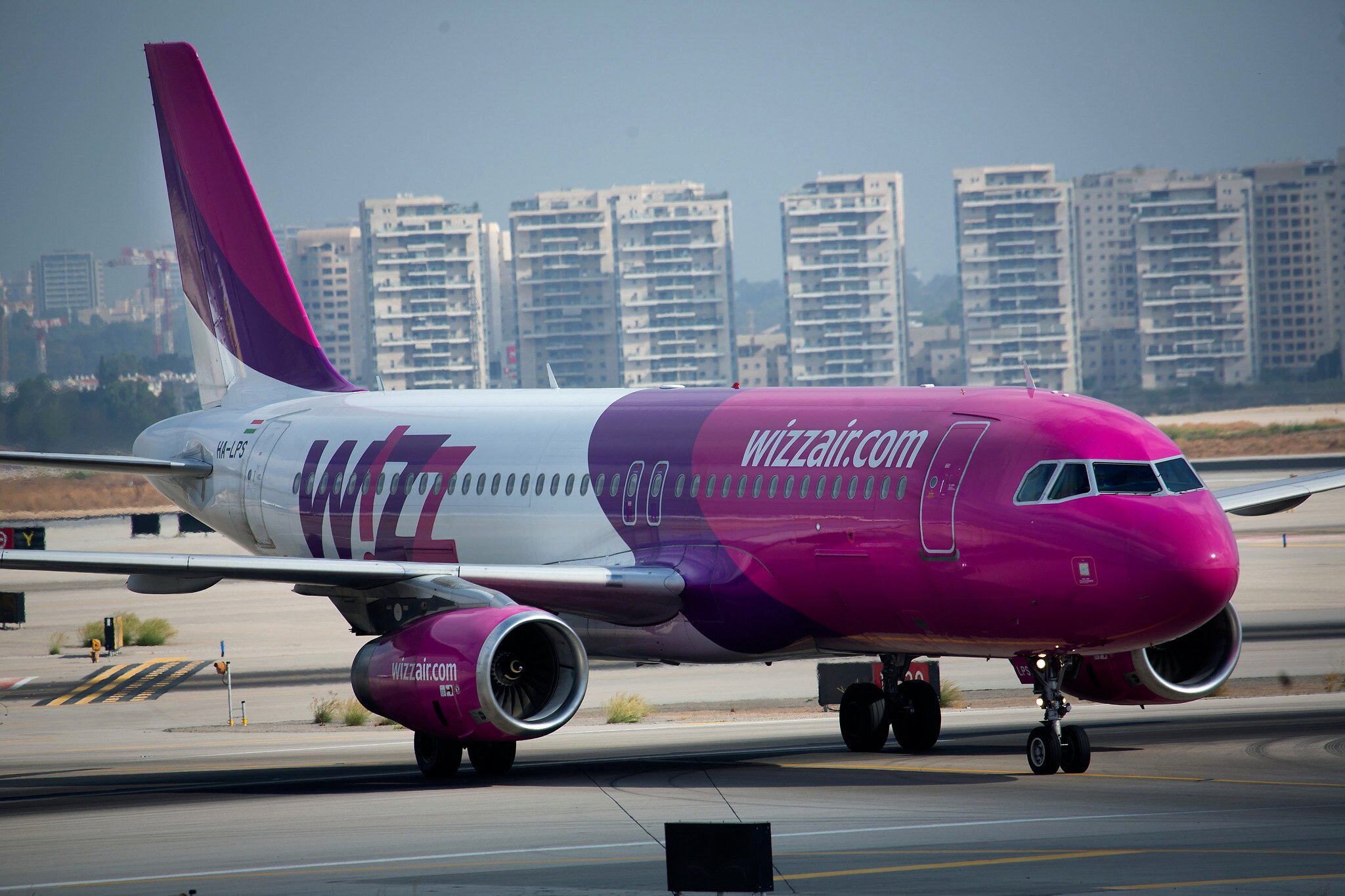
As Hungarian low-cost carrier Wizz Air eyes setting up a base at Tel Aviv’s Ben Gurion Airport in a move that could boost competition and bring down sky-high fares for travelers, Israeli airlines are fiercely pushing back.
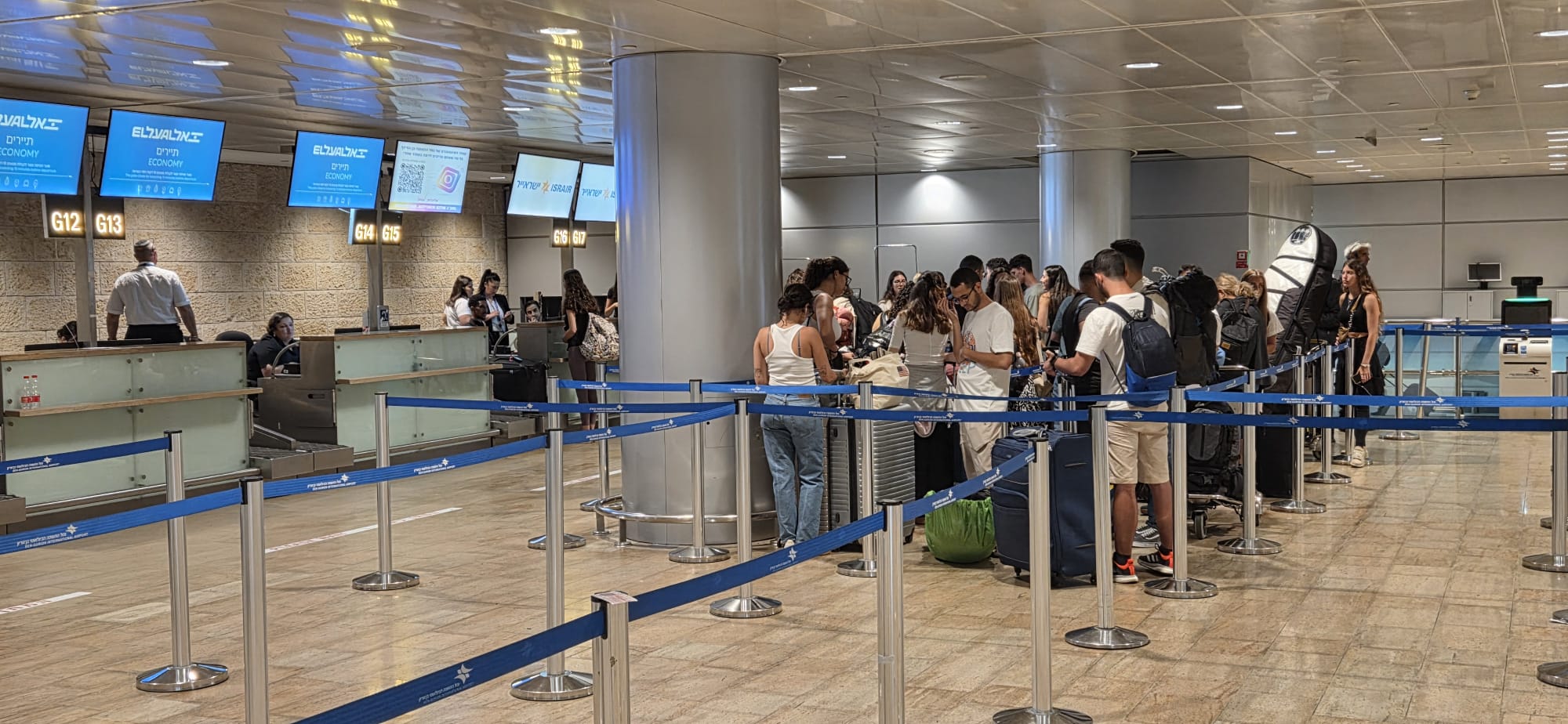
Israel’s flag carrier, El Al, and smaller Israeli rivals Arkia and Israir have been arguing that allowing Wizz Air to open an operational base in the country would significantly harm the local airlines and undermine national resilience, especially during emergency war periods. The opposition voiced by the local aviation industry is stirring up a heated debate with the government.
The initiative comes as Israeli airlines, including El Al, are being accused of price gouging and wartime profiteering and are facing class action suits, after reporting record profits over the past two years while flight ticket prices have gone through the roof.
Major foreign airlines have repeatedly halted service to Israel since the outbreak of war with the Hamas terror group on October 7, 2023, leaving travelers from Ben Gurion Airport almost entirely dependent on El Al, Israir and Arkia, plus a handful of other airlines, mostly from the Persian Gulf and Eastern Europe.
Meanwhile, the Transportation Ministry, led by Miri Regev, has been advancing talks with Wizz Air in recent months to establish an operational aviation base in Israel. The move would allow the Hungarian low-cost carrier to park planes at Ben Gurion Airport and add more flights to more destinations, thereby increasing scarce seat supply, which in turn is expected to lead to lower fares.
If the plan goes ahead, Wizz Air would compete with local carriers for their preferred slots for takeoffs and landings on major European routes.
Under the discussed plan, Wizz Air seeks to establish an Israel hub by April 2026 and initially park three aircraft at Ben Gurion Airport. The base would enable the low-cost carrier to operate as many as 30 daily flights from Tel Aviv to destinations across Europe.
Wizz Air declined to comment on the discussions.
El Al and Arkia claim that the plan would allow Wizz Air to enjoy the benefits of establishing a base in Israel while not being subject to the security requirements and regulatory limitations to which Israeli companies are obligated.
Local carriers invest in security systems and lengthy procedures at airports in Israel and abroad, and are required to obtain state permission to open new routes due to security reasons. Wizz Air will not be subject to the security-related requirements and costs, and will be able to launch routes on much shorter notice, local carriers said.
While Israeli airlines are subject to extra security costs, the government subsidizes the majority of security-related expenses. In addition, Jerusalem provides billions of dollars in state-backed guarantees to local carriers for insurance coverage against war risks.
In a letter sent to Regev and Prime Minister Benjamin Netanyahu earlier this month, Arkia CEO Oz Berlowitz claimed that the plan would allow Wizz Air to operate from Ben Gurion Airport as if it were an Israeli airline, “but without being subject to Israeli regulations and security requirements… in a way that is not equal and not competitive.”
“The proposal, if accepted, would effectively lead to the collapse of the Israeli aviation industry and close the air bridge between Israel and abroad during periods of emergency,” Berlowitz cautioned. “It will harm not only Israeli airlines but also the overall interest of the State of Israel.”
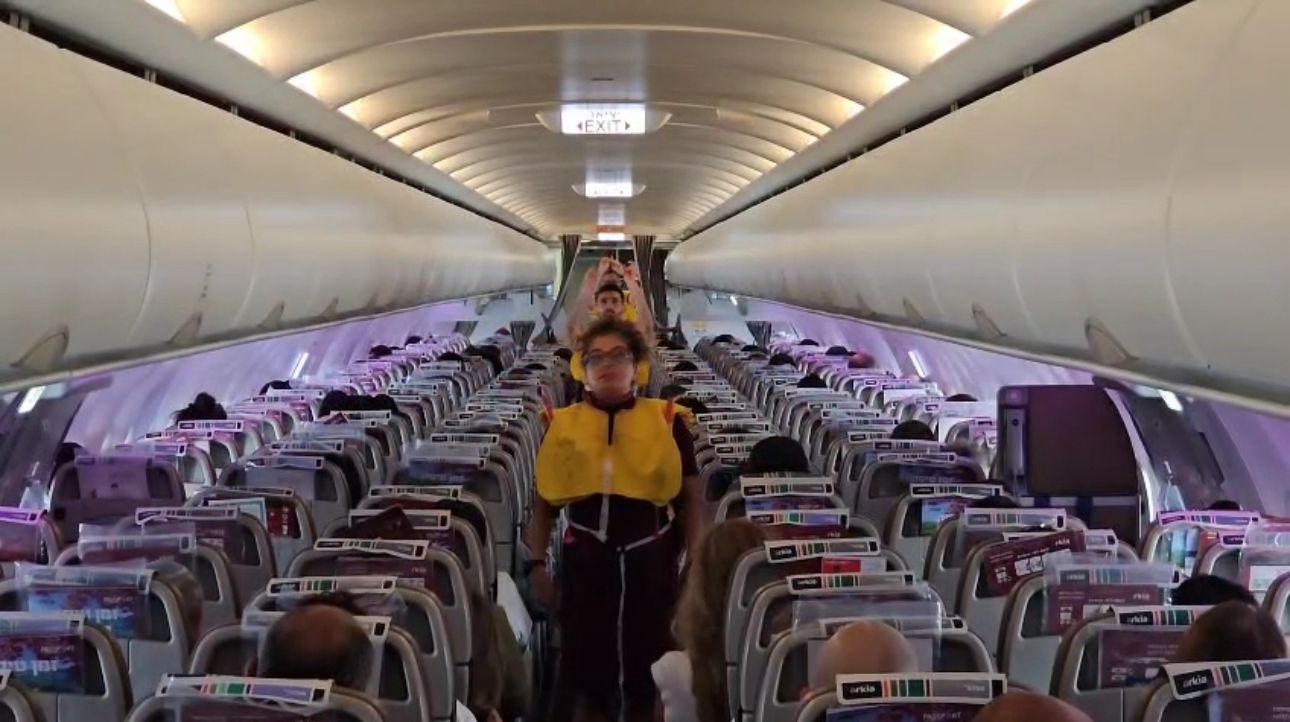
“If Arkia can’t operate as a profitable business during normal times, it will not be able to do so during times of emergency, which, unfortunately, are not few in Israel,” he warned.
During the 12-day conflict with Iran in June, Israel’s airspace remained almost entirely closed, leading to waves of flight cancellations by domestic and foreign airlines, with exceptions only for a limited number of state-approved repatriation flights operated by Israeli airlines that helped bring back the more than 100,000 Israelis stranded abroad.
The Israeli Airline Pilots Association also voiced its opposition, arguing that an operational base would mean that Wizz Air would be able to employ foreign workers, including pilots, flight attendants, mechanics, administrative and staff employees, at one-third the salaries of Israeli workers. The foreign employees will not pay taxes in the country.
“We are completely in favor of fair competition,” the association said. “If Wizz wants to operate a hub in Israel, it needs to establish an Israeli company that would be called Wizz ISR with Israeli employees, like Google Israel, and Nvidia Israel, and many other [international] companies, and compete here like everyone else. Not in any other way.”










The Times of Israel Community.