

Netanyahu, defending Mossad pick, tells court security responsibility his alone
Petition challenges choice of Gofman to lead spy agency; bereaved families group says PM, in his response, unwittingly accepted responsibility for failures surrounding Oct. 7
 Add ToI as a Preferred Source on Google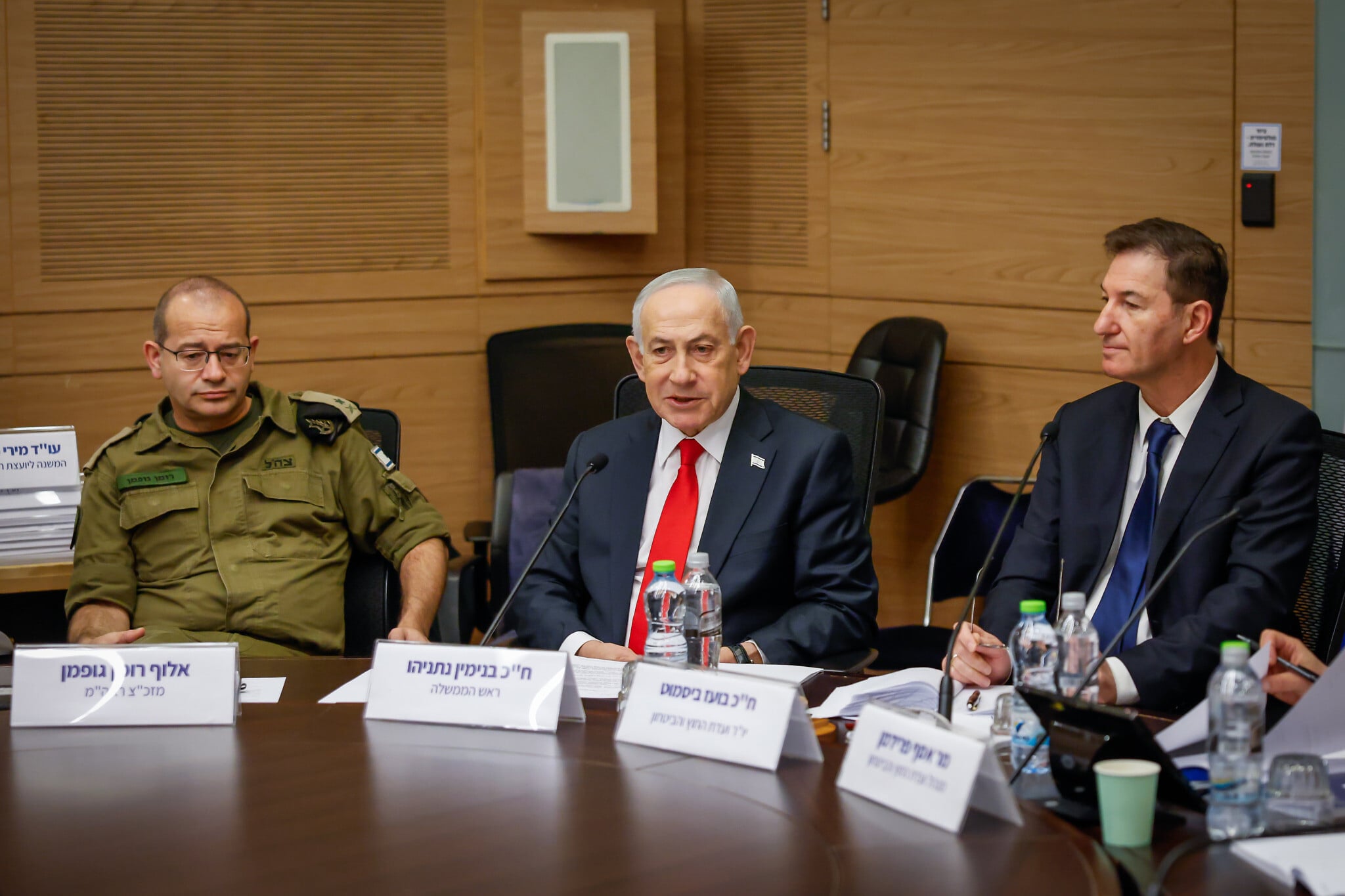
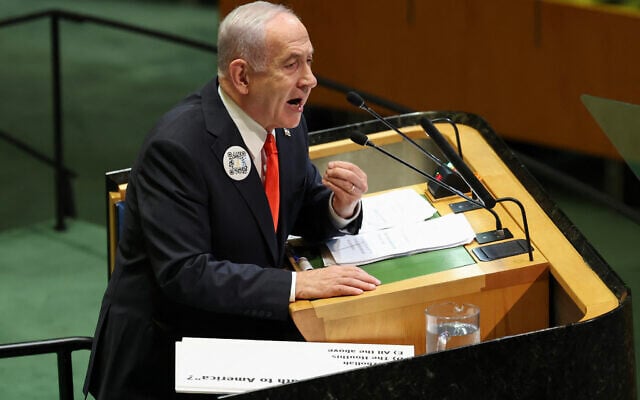
Prime Minister Benjamin Netanyahu on Friday submitted his response to a petition at the High Court of Justice against the appointment of Maj. Gen. Roman Gofman as the next director of the Mossad intelligence agency.
The premier argued that Gofman’s appointment was a security decision and therefore should be generally exempt from judicial oversight.
“There is actually good reason to assume that the rationality for the prime minister’s decision is ten times better than the ‘rationality’ of anyone else, including the honorable court,” he wrote.
“The responsibility for the security of the state and its citizens lies with the prime minister, and him alone,” Netanyahu asserted.
The petition against Gofman, who has been serving as Netanyahu’s military secretary, was filed by Ori Elmakayes, together with the “Telem — Movement for Integrity in Government” group.
It focused on Gofman’s authorization in 2022, while commanding the Israel Defense Forces’s 210th “Bashan” Regional Division in the Golan Heights, to use Elmakayes, then 17, in an Arabic-language influence campaign.
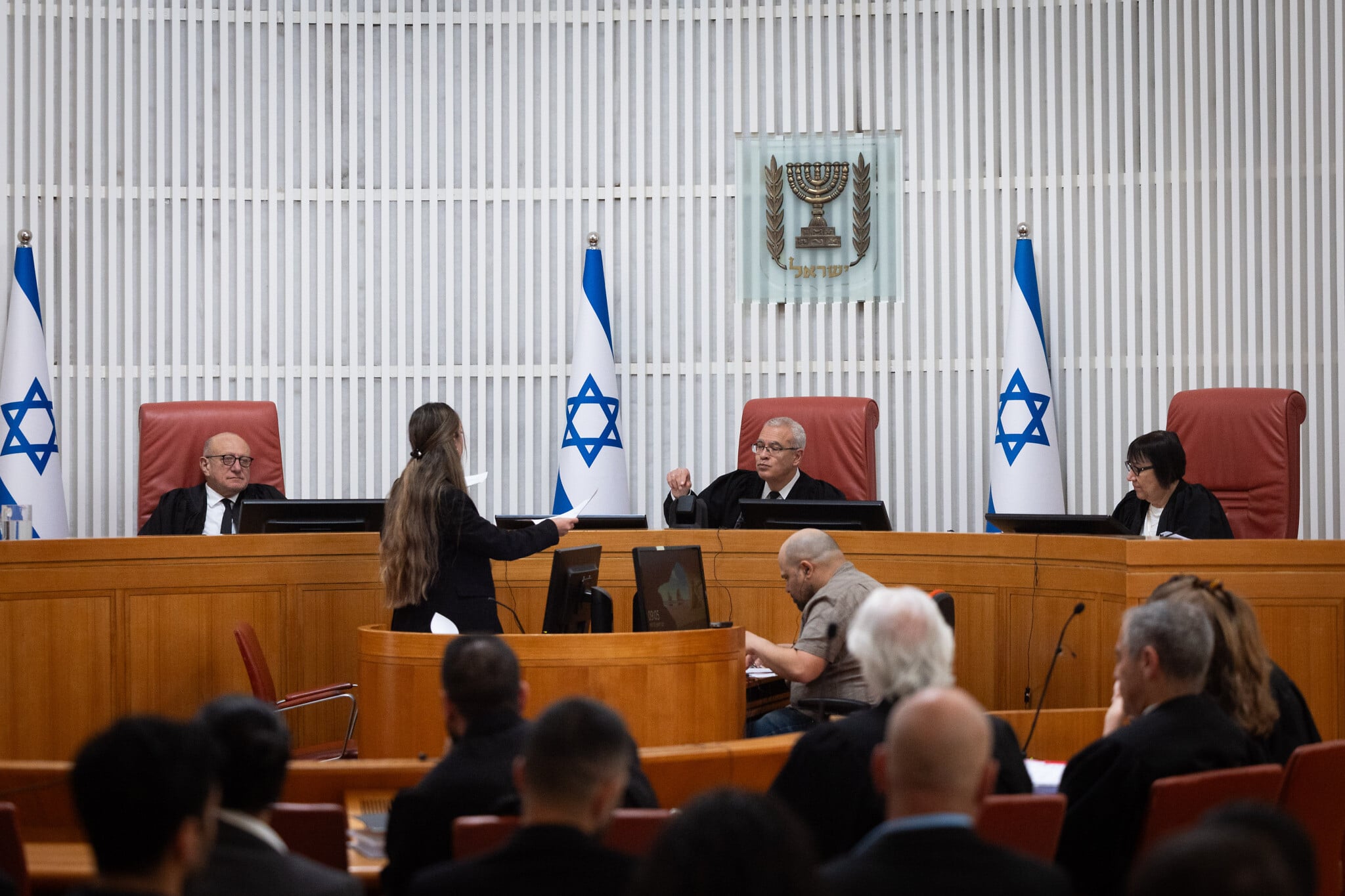
As a result of Gofman’s actions, Elmakayes was detained and interrogated by the Shin Bet domestic security agency, held in isolation for two months, charged with espionage offenses, and held in detention for 18 months before the charges were dropped.
Telem stated that the petition cited this affair, as well as what it said was Gofman’s failure to tell the truth to IDF investigators who probed the incident.
Additionally, Telem noted that Gofman “remained silent” during the legal proceedings against Elmakayes, and cited “his failure to take responsibility for the affair and the abuse of a minor who had committed no offense, and his untrustworthiness.”
PM: Grunis ‘exceeded authority’ in opposing nomination
The petition also underlined the opposition of the chair of the Senior Appointments Advisory Committee, retired Supreme Court president Asher Grunis, to Gofman’s appointment.
In their joint decision, the three junior members of the committee approved Gofman’s appointment and said that the incident should not keep Gofman from serving as head of the Mossad, while Grunis, in a separate opinion, recommended that Gofman be disqualified.
In his response Friday, Netanyahu said Grunis had “exceeded his authority” by recommending Gofman’s disqualification.
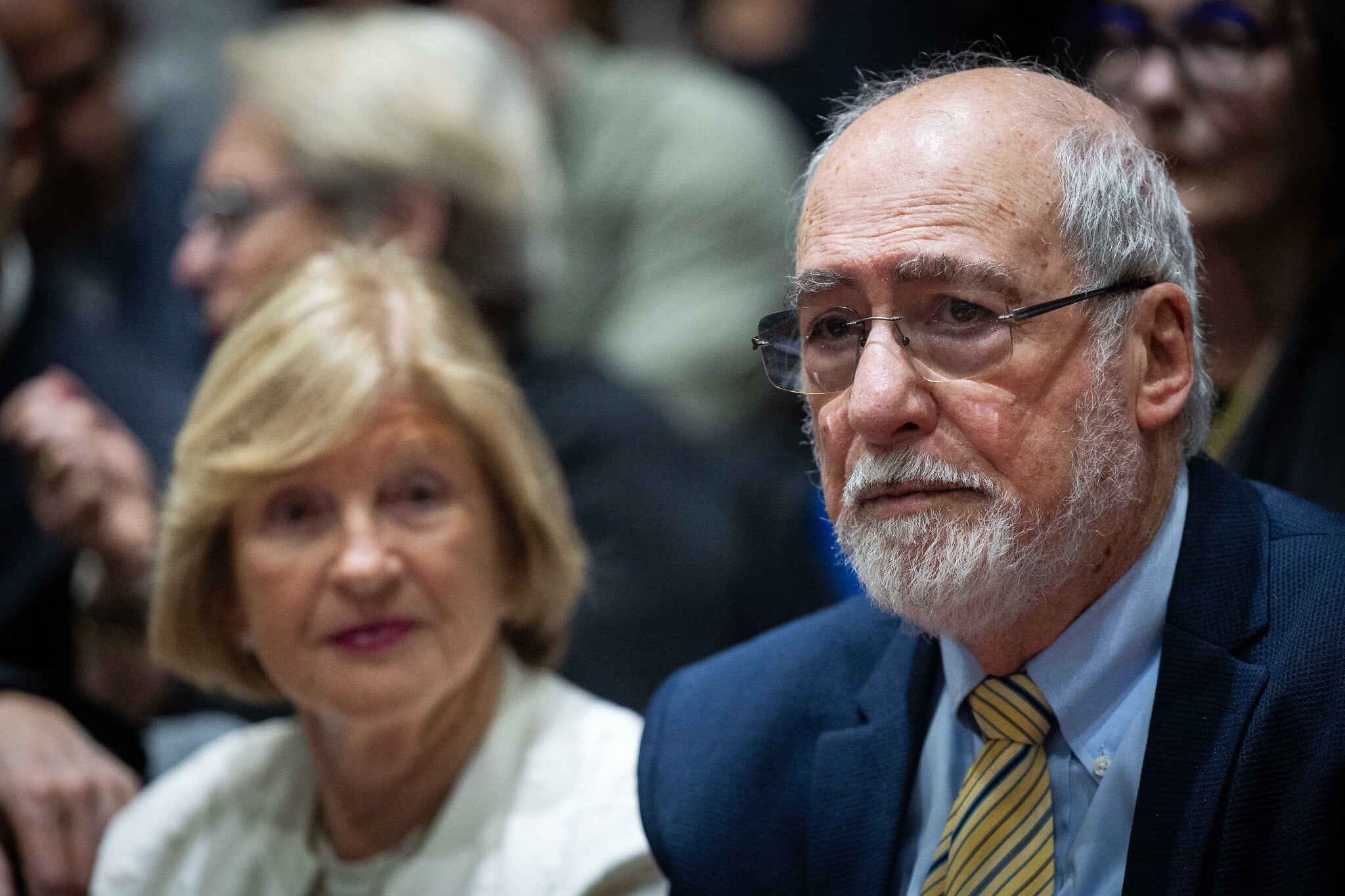
According to the premier, “the role of the committee is not to ‘recommend’ or ‘not recommend’ so-and-so’s appointment, but merely to reach conclusions about that candidate’s character.”
Those conclusions “are not the end of the story, but rather one data point, out of many, related to the question of his appointment,” Netanyahu continued, saying it was ultimately the prime minister’s decision.
Gofman is set to replace outgoing Mossad chief David Barnea, whose five-year term will end in June.
The nomination has drawn criticism from current and former security officials, who have told Hebrew media that Gofman lacks the operational and intelligence background traditionally required to lead the security agency.
The fight over his nomination comes after a separate legal battle that ensued when Netanyahu’s government fired Ronen Bar as head of the Shin Bet, and then replaced him with David Zini, another controversial pick. The High Court rejected petitions against Zini’s appointment.
PM’s stance implies responsibility for Oct. 7, group argues
After Netanyahu submitted his response on Friday, the October Council — a forum composed of bereaved families demanding a state commission of inquiry into the October 7, 2023, Hamas attack — said the premier had, unwittingly, taken responsibility for the failures that led to the massacre.
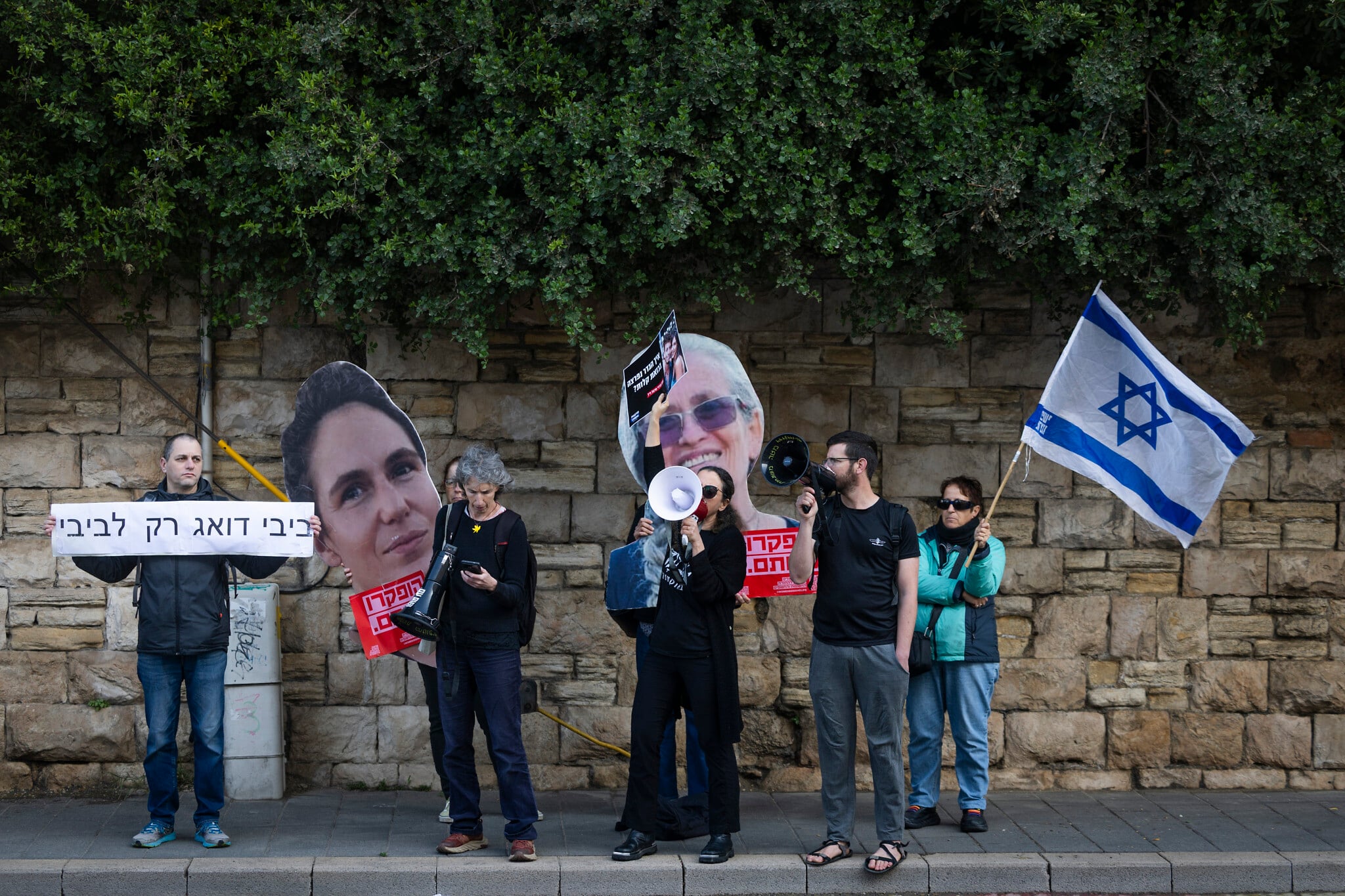
“The prime minister of Israel effectively declared today that the responsibility for the October 7 massacre lies with him, and him alone,” the October Council declared.
“Today, for the first time, the prime minister is taking responsibility for 2,100 murdered people, 251 kidnapped people, and tens of thousands who were displaced from their homes,” it added.
The premier has rejected calls to establish a state commission of inquiry, despite majority-support among the public, because its members would be selected by the judiciary, which he claims is biased against him.
Instead, he has proposed a politically appointed inquiry into the massacre, which his opponents have vowed to boycott.
Netanyahu has never acknowledged direct responsibility for the failures surrounding October 7 and has instead attempted to place the blame on others, especially the security establishment.
Jeremy Sharon contributed to this report.



The Times of Israel Community.