

Netanyahu heads to Paris amid uncertainty over Putin meeting
No word on whether PM, in France for WWI armistice centenary, will meet Russian leader for first sit-down since Syria downed Russian plane, an incident Moscow blamed on Israel
 Add ToI as a Preferred Source on Google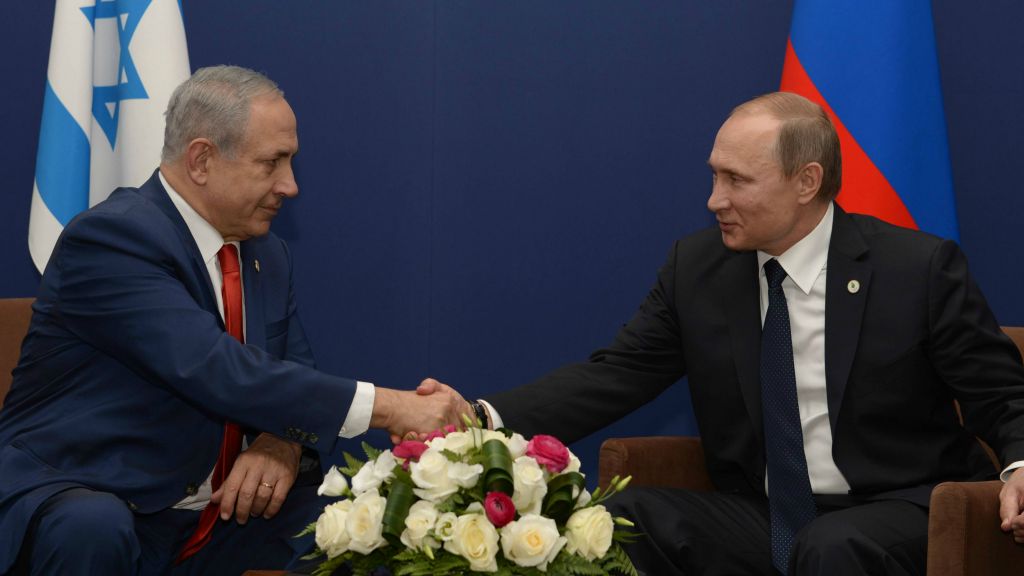
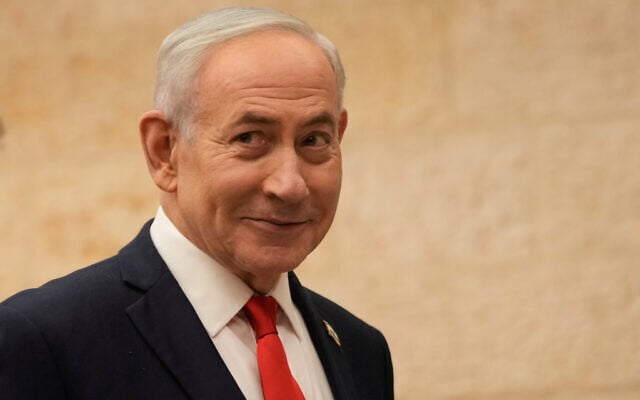
Prime Minister Benjamin Netanyahu was set to fly to Paris late Saturday for commemorations marking 100 years since the end of World War I.
It remained uncertain ahead of his departure whether Netanyahu would meet with Russian President Vladimir Putin while in Paris for the Armistice Day events.
Netanyahu’s office has been working to arrange such a meeting, which would be his first with Putin since Syrian air defenses downed a Russian military plane during an Israeli airstrike in Syria.
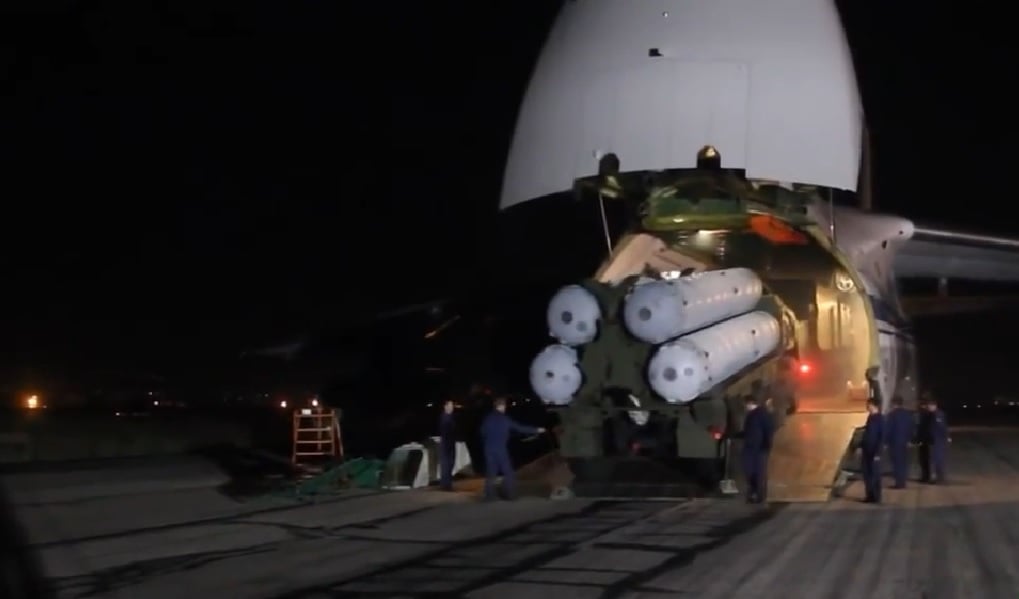
Russia blamed Israel for the downing of the plane — a charge rejected by Jerusalem — and sent advanced S-300 anti-aircraft systems to Syria in the wake of the incident, in which 15 Russian servicemen were killed. Israel has rebuffed a Russian claim its jets hid behind the Russian reconnaissance aircraft.
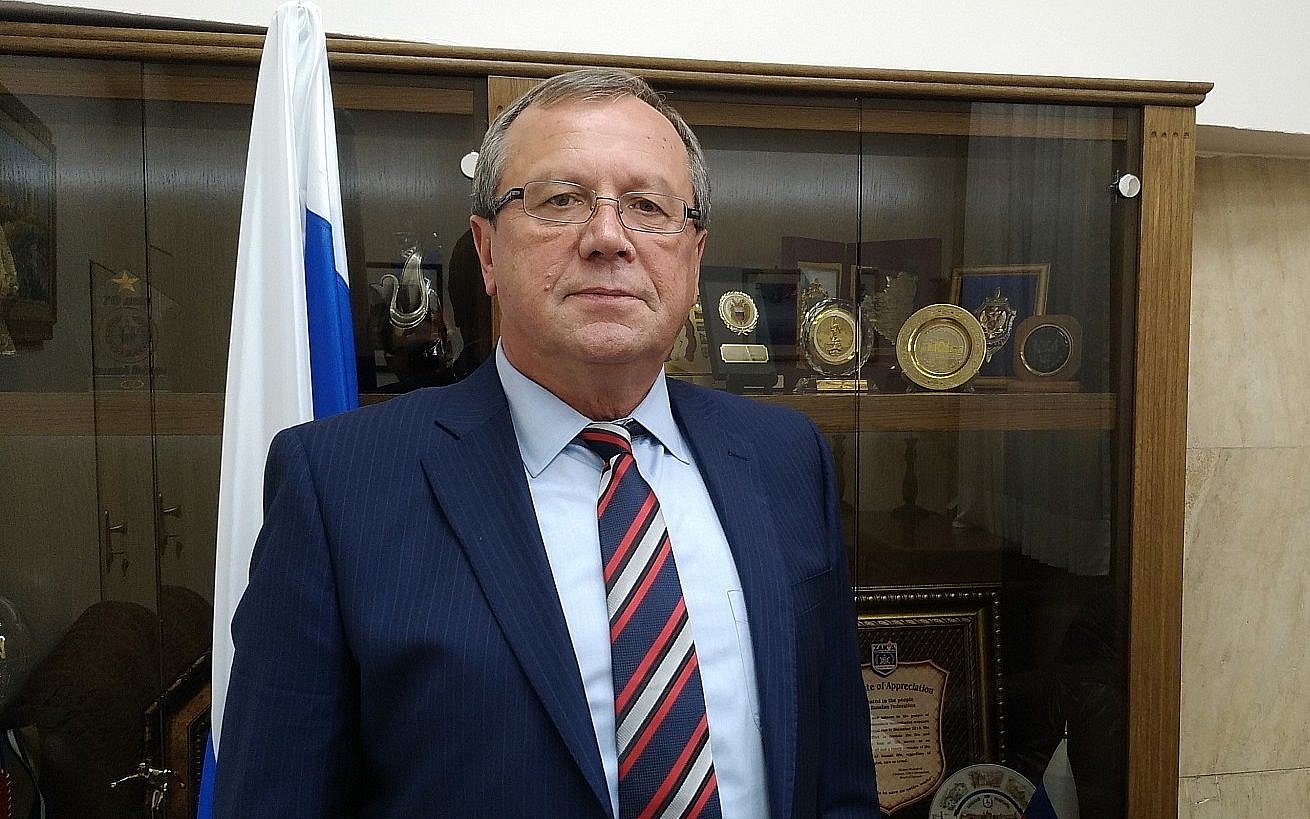
In an interview last week, Russia’s Ambassador to Israel Anatoly Viktorov told The Times of Israel that Moscow’s defense establishment remains “extremely disappointed” with the Israeli military’s response to the downing of the Russian military reconnaissance plane, and called on Jerusalem to better coordinate with the Kremlin its activities in Syria. Viktorov also said that Israel’s demand that no Iranian troops be stationed in all of Syria was both “unrealistic” and unnecessary, since Tehran has no plans to attack Israel.
On Tuesday, Israel’s public broadcaster reported Russia canceled a tentatively arranged sit-down in Paris between Putin and Netanyahu due to its continuing anger over Israeli airstrikes in Syria.
Israel had already begun preparing for the meeting before it was called off by Russia, according to Kan news.
The Prime Minister’s Office did not deny the report, but told Kan that France had requested that meetings not be held on the sidelines of the World War I commemorations in Paris.
A new date for a meeting between the Israeli and Russian leaders has yet to be set, according to Kan.
Despite uncertainty over the Putin meeting, Netanyahu is scheduled to meet with French President Emmanuel Macron while in Paris and is working to secure a meeting with German Chancellor Angela Merkel, Channel 10 news reported.
While there has been a noticeable drop in reported Israeli raids following the September 17 incident, a senior Israeli official last month said the Jewish state has continued attacking targets in Syria.
Russian Foreign Minister Sergey Lavrov on Monday accused Israel of endangering Russian troops by not informing Moscow before striking in Syria on several occasions.
Israel and Russia have coordinated their military efforts in Syria in recent years, in order to avoid friction and accidental conflict. Israeli officials do not generally discuss the full extent of that coordination, but they stress that the Israeli military does not seek Russian permission before carrying out operations.
Despite the Russian anger over the downed spy plane, Netanyahu has reiterated several times that Israel will continue to act to prevent Iran’s military entrenchment in Syria and the smuggling of advanced weapons into Lebanon.
Last month, Hadashot TV news reported that Russia was seeking to reset the terms of Israeli military operations in Syria and overhaul the existing Jerusalem-Moscow coordination system.
Russia insists that it receive further advance warning of Israeli strikes, the TV network said, though the report did not say how much. Israel usually informs Russia minutes before an airstrike.
Such a demand would likely limit Israel’s freedom of maneuver in Syria, with the report noting it could endanger Israeli aircraft and allow Iranian operatives more time to hide materials being targeted.
A senior diplomatic source quoted in the report said the demand was unacceptable operationally and that Israel must not acquiesce to it.
Defense Minister Avigdor Liberman later rejected the reported demands.
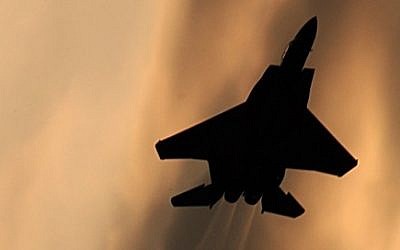
The Israeli Air Force has carried out hundreds of strikes in Syria in recent years against targets linked to Iran and its Lebanese proxy Hezbollah, who Israel says are working to establish a military presence there that could threaten the Jewish state.
Like Russia, both Iran and Hezbollah are fighting on behalf of Syrian President Bashar Assad’s regime in the Syrian civil war.
A satellite imaging company published photos in October it said show four S-300 batteries deployed at a newly constructed site near the northwestern Syrian city of Masyaf, where Israel has reportedly carried out raids on targets allegedly tied to Syria’s chemical weapons program.
Agencies contributed to this report.






The Times of Israel Community.